Tag

Financeeconomics

All articles tagged with #financeeconomics

"Powell Signals Delay in Rate Cuts Amid Inflation Concerns"

Originally Published 1 year ago — by Yahoo Finance

Featured image for "Powell Signals Delay in Rate Cuts Amid Inflation Concerns"
Source: Yahoo Finance

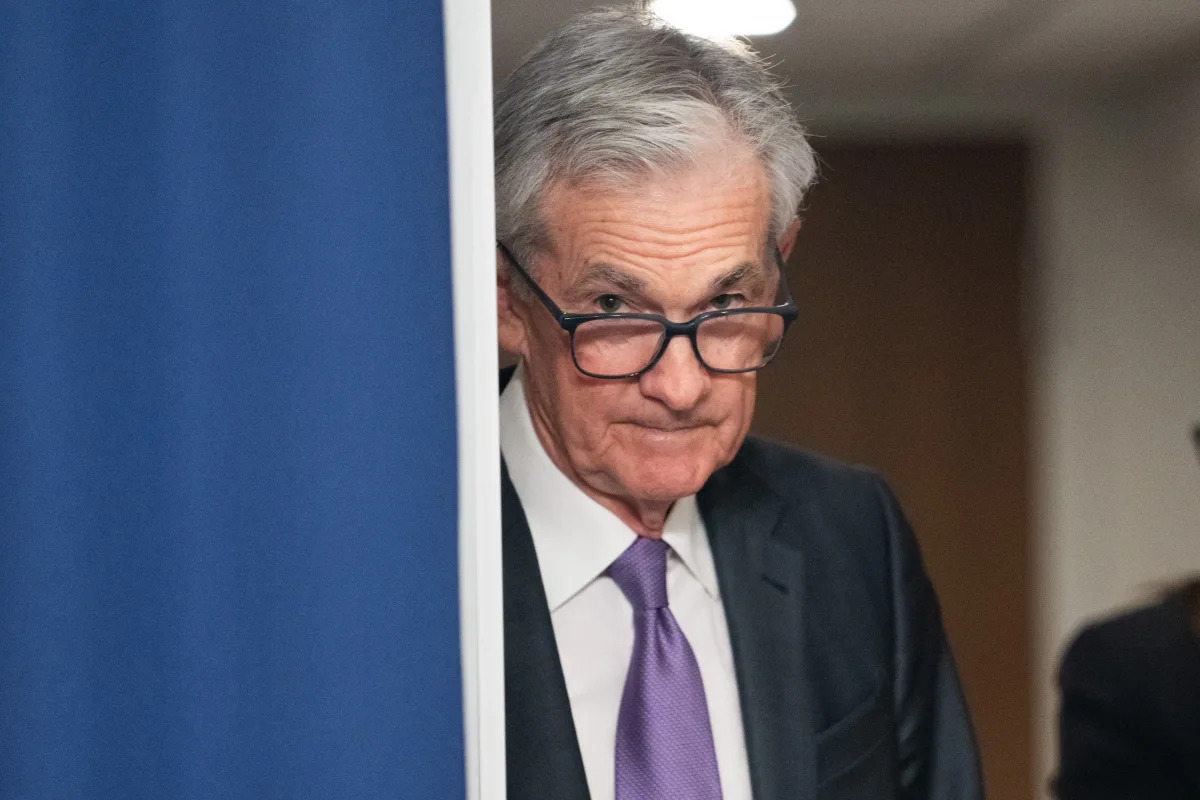
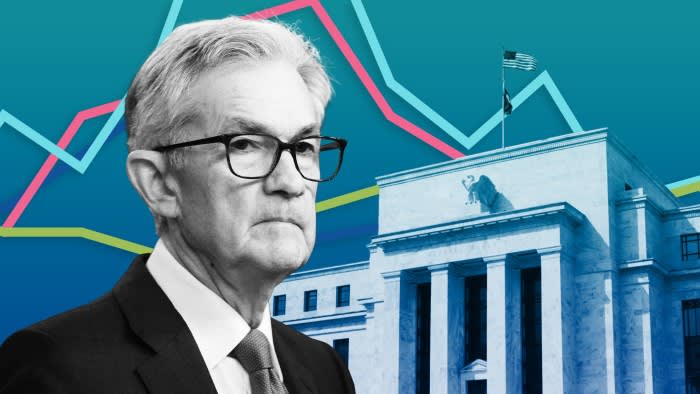
Disappointing inflation data has led the Federal Reserve to delay its first interest-rate cut and re-evaluate the trajectory of price growth, with Chair Jerome Powell indicating a longer wait for rate adjustments. Concerns about the effectiveness of high borrowing costs in curbing demand have sparked a debate among policymakers, with some expressing openness to raising rates if necessary. Economists now expect two rate cuts this year, down from three forecast in March, as the economy continues to show resilience and strong demand. Financial conditions and the potential for a fundamentally different post-pandemic economy have also raised questions about the need for rate reductions.
"Middle East Tensions Drive Oil Surge, Impacting Global Markets"

Originally Published 1 year ago — by Reuters

Featured image for "Middle East Tensions Drive Oil Surge, Impacting Global Markets"
Source: Reuters

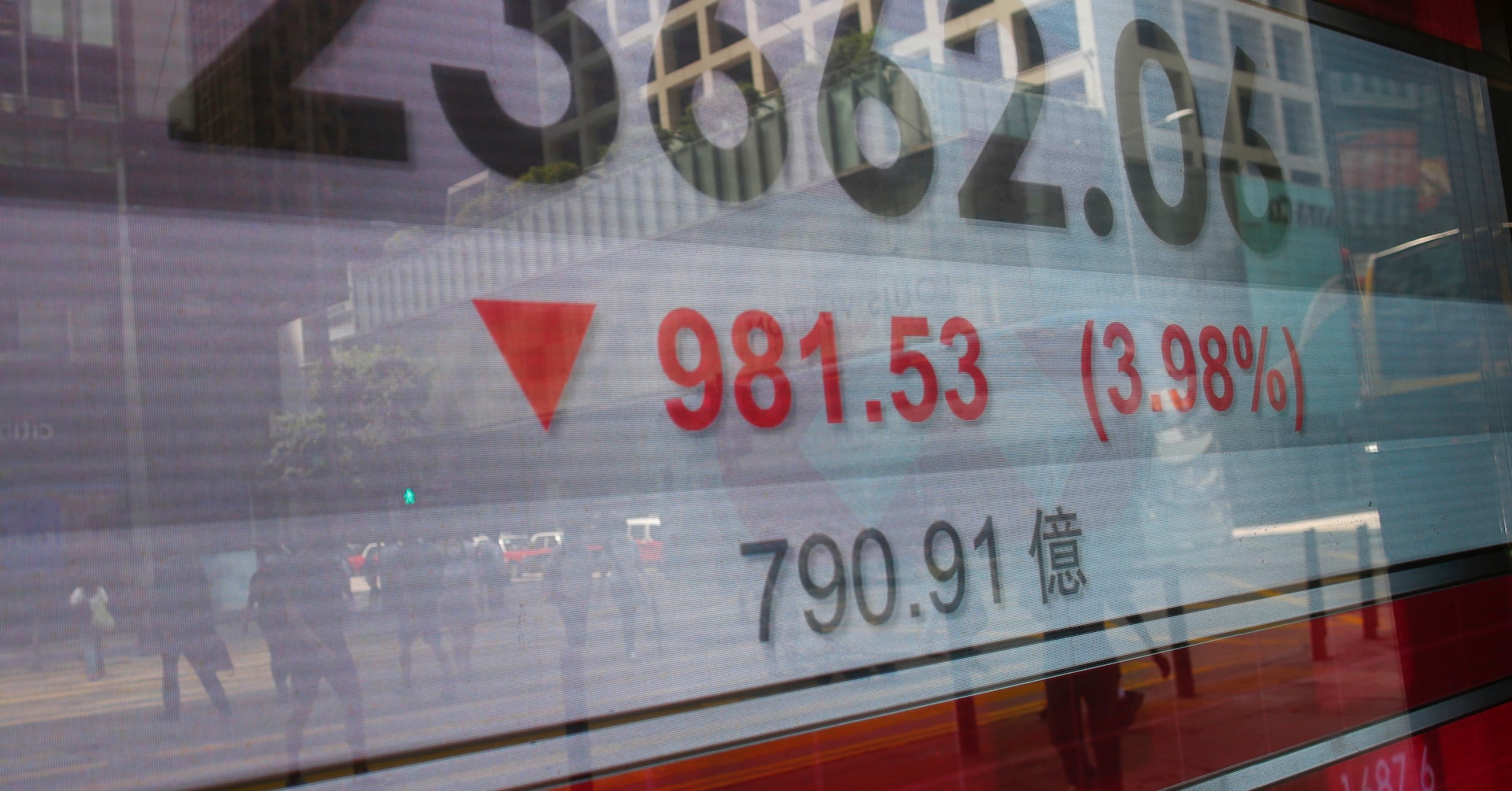
Asian shares and bond yields dropped while safe-haven currencies, gold, and crude oil surged following reports of heightened tensions in the Middle East, with Israeli missiles reportedly hitting a site in Iran. This news, coupled with concerns about protracted tight monetary policy and disappointing semiconductor earnings, led to a significant risk-off move in the markets. The escalation in Middle East hostilities has raised worries about potential volatility in the region, contributing to a triple whammy effect on market sentiment.

"Rate Cut Expectations: The Shifting Outlook for the US Economy"

Originally Published 1 year ago — by Financial Times

Featured image for "Rate Cut Expectations: The Shifting Outlook for the US Economy"
Source: Financial Times

The widespread expectation for aggressive rate cuts has been upended by recent inflation data and strong retail sales, leading to a significant shift in market forecasts. Central banks, including the Federal Reserve, are now reconsidering their previous commitments to rate cuts, prompting introspection and soul-searching among policymakers and investors. The unpredictability of inflation, combined with global economic shifts and geopolitical tensions, has made it challenging for central banks to provide clear guidance, resulting in a volatile and uncertain market environment.

Global Central Banks Monitor Inflation for Rate Cut Decisions

Originally Published 1 year ago — by CNBC

Featured image for Global Central Banks Monitor Inflation for Rate Cut Decisions
Source: CNBC

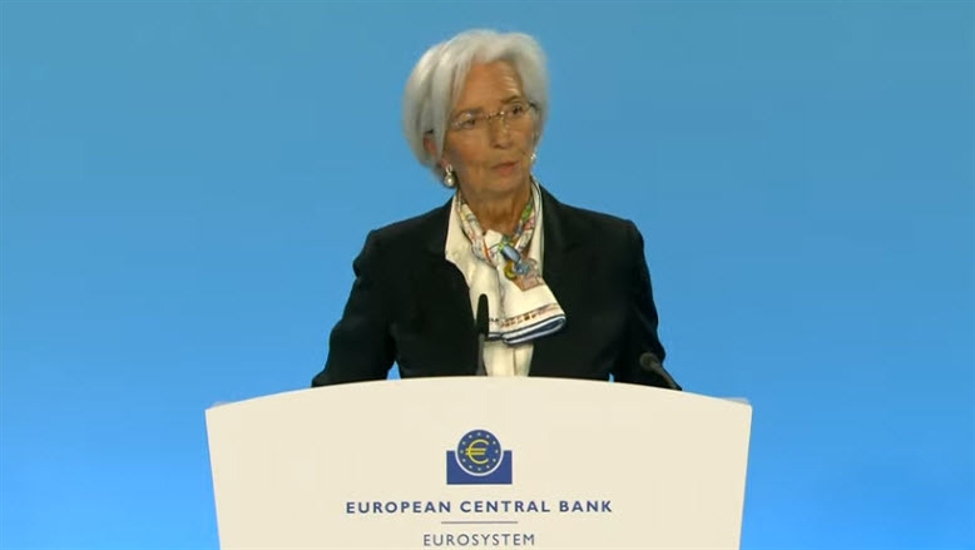
European Central Bank policymaker Robert Holzmann and ECB President Christine Lagarde have indicated that Middle East tensions, particularly in the wake of the Iran-Israel conflict, pose the biggest threat to a prospective interest rate cut, with a focus on potential oil price disruptions. The ECB has signaled a potential rate reduction in June, contingent on inflation trends and geopolitical developments, while also emphasizing the need for data dependency in decision-making. Meanwhile, speculation about ECB rate cuts contrasts with reduced expectations for Federal Reserve rate reductions.

"Anticipating the Fed's Imminent Rate Cut Deadline and Its Impact on the Stock Market"

Originally Published 1 year ago — by Yahoo Finance

Featured image for "Anticipating the Fed's Imminent Rate Cut Deadline and Its Impact on the Stock Market"
Source: Yahoo Finance

Investors had hoped for multiple rate cuts this year, but the new consensus suggests the first cut may come at the Fed's September meeting due to unexpected inflation. Analysts are now questioning whether any rate cuts will happen at all, with some suggesting a potential deadline for action in July. The upcoming presidential election adds complexity, as the Fed historically has made rate moves in election years. Wall Street analysts are recalibrating their expectations, with some predicting a cut in December while others suggest a possible earlier cut in June to make policy less restrictive.

"Market Reaction to Iran's Attack on Israel"

Originally Published 1 year ago — by Fox Business

Featured image for "Market Reaction to Iran's Attack on Israel"
Source: Fox Business

Following Iran's attack on Israel, U.S. stocks fluctuated, with Tesla tumbling and Goldman Sachs reporting positive earnings, while retail sales remained strong despite inflation. Oil prices initially dipped, but attention remains on potential future impacts. Gold held near all-time highs, with investors considering the potential impact of a Federal Reserve rate cut. Bitcoin rose as a safe asset amid the geopolitical tensions, and President Biden discussed the situation with Jordan's King Abdullah II.

"Geopolitical Tensions and Earnings Season Impact Stock Market: April 12, 2024 Recap"

Originally Published 1 year ago — by CNBC

Featured image for "Geopolitical Tensions and Earnings Season Impact Stock Market: April 12, 2024 Recap"
Source: CNBC

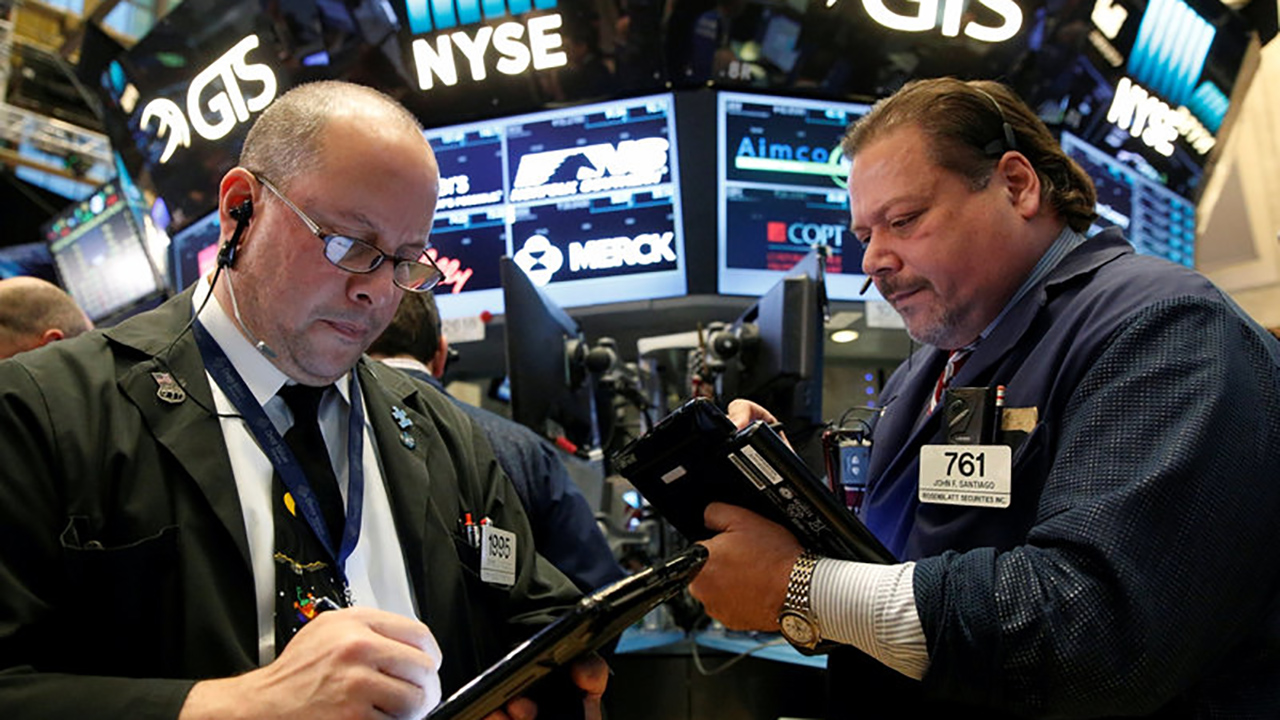
Dow futures remained relatively unchanged following Iran's missile and drone strike on Israel, capping off the worst week for the Dow Jones Industrial Average in 2024. Concerns over inflation and geopolitical tensions contributed to market volatility, with gold futures surging as investors sought safety. Despite the attack, oil prices were slightly lower, and the focus remains on Israel's potential response. Additionally, upcoming earnings reports and economic data releases are anticipated to impact market sentiment.

"Federal Reserve Officials Advocate Patience on Interest Rate Cuts"

Originally Published 1 year ago — by Yahoo Finance

Featured image for "Federal Reserve Officials Advocate Patience on Interest Rate Cuts"
Source: Yahoo Finance

Kansas City Fed president Jeff Schmid and San Francisco Fed President Mary Daly both urge patience before any interest rate cuts, citing the resilience of the US economy and inflation running above the Fed’s 2% target. Schmid prefers to hold rates steady until there is "convincing" evidence that inflation is dropping, while Daly sees no urgency to adjust the policy rate and emphasizes the need to be fully confident that inflation is on track to come down to 2% before considering a rate cut. Other Fed officials still believe inflation is on course to drop and expect to begin cutting rates later this year, with traders now eyeing September as the first rate cut.

"Bernanke's Call for Clearer Guidance on Rates and Inflation Forecasting"

Originally Published 1 year ago — by Yahoo Finance

Featured image for "Bernanke's Call for Clearer Guidance on Rates and Inflation Forecasting"
Source: Yahoo Finance

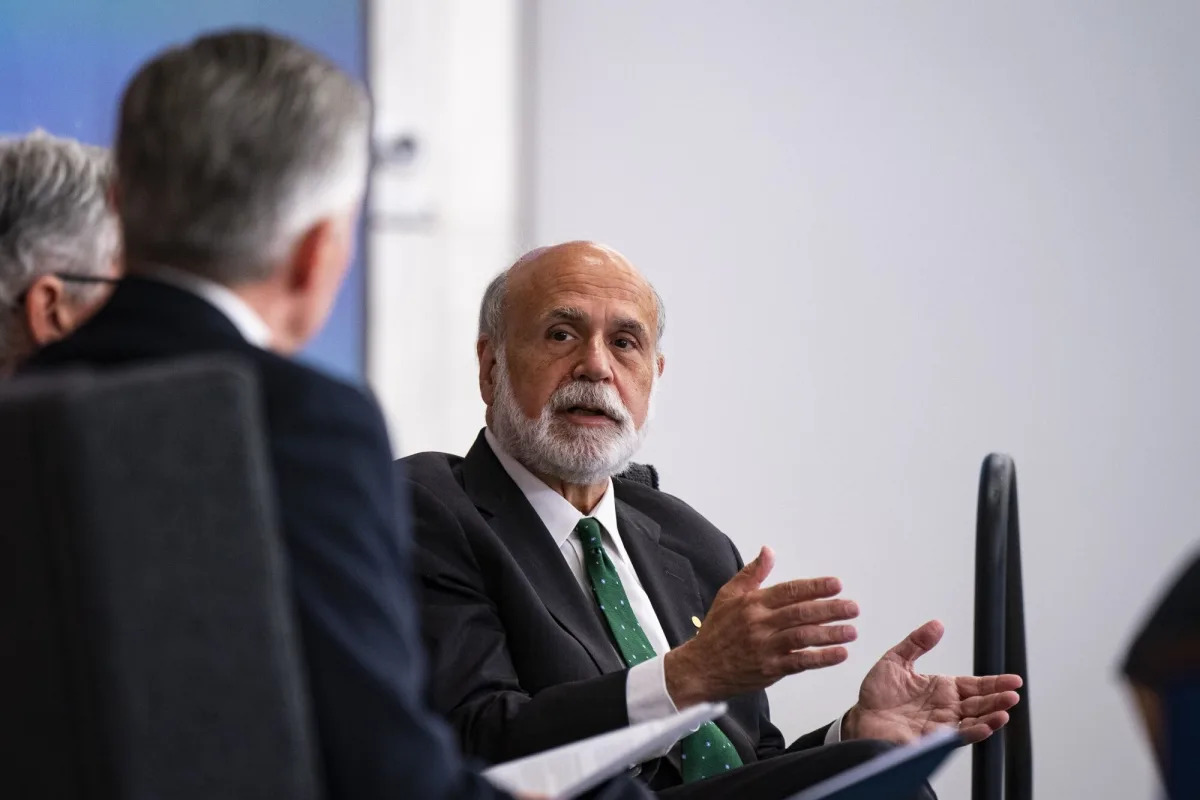
Former US Federal Reserve chair Ben Bernanke has recommended that the Bank of England (BOE) consider publishing its own outlook for UK interest rates as part of a comprehensive review of its forecasting and communication practices. Bernanke's 86-page review highlighted the need for the BOE to provide clearer guidance on interest rates and to scrap the fan charts that have been central to its policymaking for over two decades. While the BOE welcomed the report and committed to implementing all 12 of Bernanke's recommendations, it stated that changes would be phased in gradually and likely implemented after the next election. Bernanke also suggested that the BOE should publish alternative scenarios alongside its central forecast and revamp its economic models and infrastructure.

"Bernanke Urges Overhaul of Bank of England's Economic Forecasting"

Originally Published 1 year ago — by CNBC

Featured image for "Bernanke Urges Overhaul of Bank of England's Economic Forecasting"
Source: CNBC

The Bank of England has announced a major overhaul of its inflation forecasting model following a review by former Federal Reserve Chair Ben Bernanke, with 12 recommendations aimed at improving forecasting infrastructure, supporting decision-making within the Monetary Policy Committee, and better communicating economic risks to the public. The overhaul includes scrapping the long-held "fan chart" forecasting system and introducing a revamped forecast framework, as well as improving communication with the public and modernizing software. The review was initiated in response to criticism of the central bank's recent policymaking and aims to ensure the bank's forecasting is fit for a more uncertain world.

"ECB Signals Impending Rate Cut Despite Fed Uncertainty and US Inflation Report"

Originally Published 1 year ago — by Reuters

Featured image for "ECB Signals Impending Rate Cut Despite Fed Uncertainty and US Inflation Report"
Source: Reuters

The European Central Bank (ECB) has kept interest rates at record highs but hinted at a possible cut in the near future as euro zone inflation continues to decline. The ECB's decision to maintain the deposit rate at 4.0% reflects its efforts to control prices, but with inflation nearing the 2% target and economic growth stagnating, the bank is considering a rate reduction at its next meeting. ECB President Christine Lagarde is expected to address these plans and the potential for a further cut in July at her upcoming news conference.

"ECB Maintains Unchanged Key Interest Rates in April Meeting"

Originally Published 1 year ago — by ForexLive

Featured image for "ECB Maintains Unchanged Key Interest Rates in April Meeting"
Source: ForexLive

The European Central Bank (ECB) has decided to leave key interest rates unchanged in its April monetary policy meeting. The bank stated that it will discontinue reinvesting the Pandemic Emergency Purchase Programme (PEPP) at the end of 2024 and may consider reducing the level of monetary policy restriction if it becomes more confident that inflation is converging to the target in a sustained manner. The market's pricing shifted slightly hawkishly after the decision, and there is now a 74% chance of a rate cut in June. The ECB's next meeting is scheduled for June 6.

"Central Banks Navigate Rate Cuts Amid Economic Uncertainty"

Originally Published 1 year ago — by Bloomberg

Featured image for "Central Banks Navigate Rate Cuts Amid Economic Uncertainty"
Source: Bloomberg

The European Central Bank is expected to maintain its deposit rate at 4% for the fifth consecutive meeting, with a potential cut anticipated in June. Economists largely agree on the decision, with only one out of 62 respondents predicting a quarter-point reduction. Investors are keenly observing for indications regarding the future policy direction beyond the initial move.

"Maximizing Gains: Navigating Gold's Record High Prices"

Originally Published 1 year ago — by CNBC

Featured image for "Maximizing Gains: Navigating Gold's Record High Prices"
Source: CNBC

Gold prices rose after softer U.S. producer prices data raised hopes for U.S. rate cuts, with spot gold reaching $2,372 per ounce and U.S. gold futures up 1.8% at $2,390. The U.S. dollar and Treasury yields also decreased after the data, while geopolitical concerns continued to support the metal. The Fed may consider interest-rate cuts as early as its late-July meeting, and gold's appeal as an inflation hedge could be affected by higher interest rates. Additionally, Sibanye Stillwater is considering cutting over 4,000 jobs as it restructures its South African gold operation.

"Former BOE Member Predicts Fed Will Cut Rates Before ECB"

Originally Published 1 year ago — by CNBC

Featured image for "Former BOE Member Predicts Fed Will Cut Rates Before ECB"
Source: CNBC

Former Bank of England member DeAnne Julius predicts that the Federal Reserve will likely cut interest rates before the European Central Bank, citing the U.S. labor market's quick adjustments and dropping inflation. Market players are currently pricing in a 92.8% chance of an ECB rate cut in June, while the Fed's likelihood stands at 53.5%. The ECB is facing challenges in reaching a consensus due to varying inflation levels across Eurozone countries. Meanwhile, improvements in inflation in the Eurozone are supporting the downward trend in prices, with the latest figures showing a slowdown to 2.4% in March.