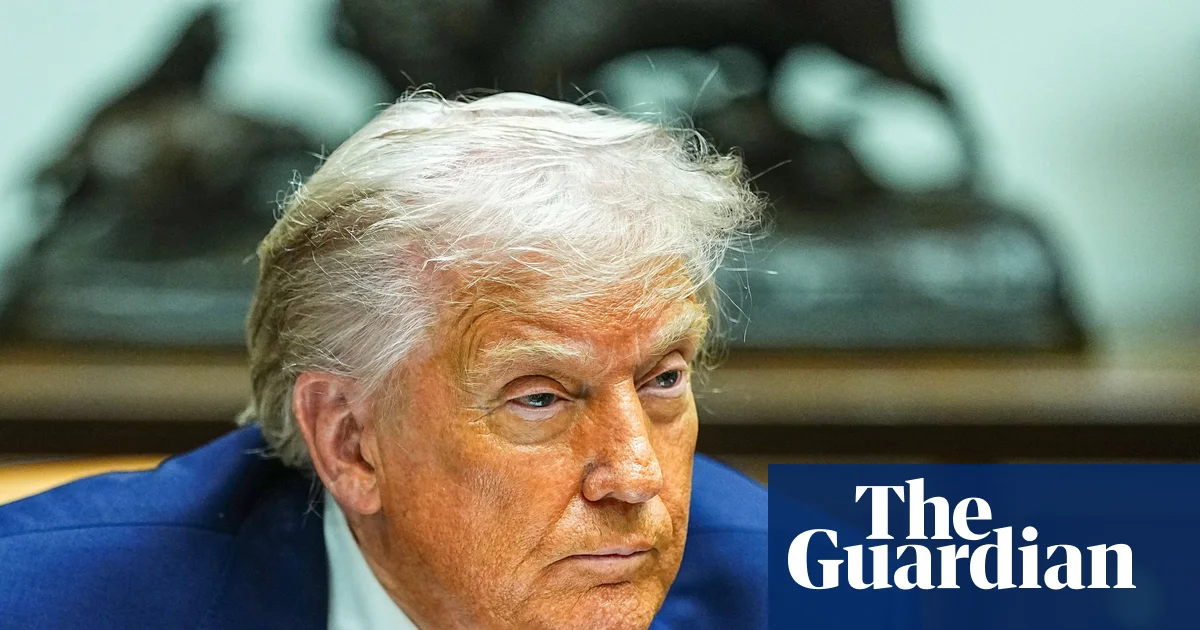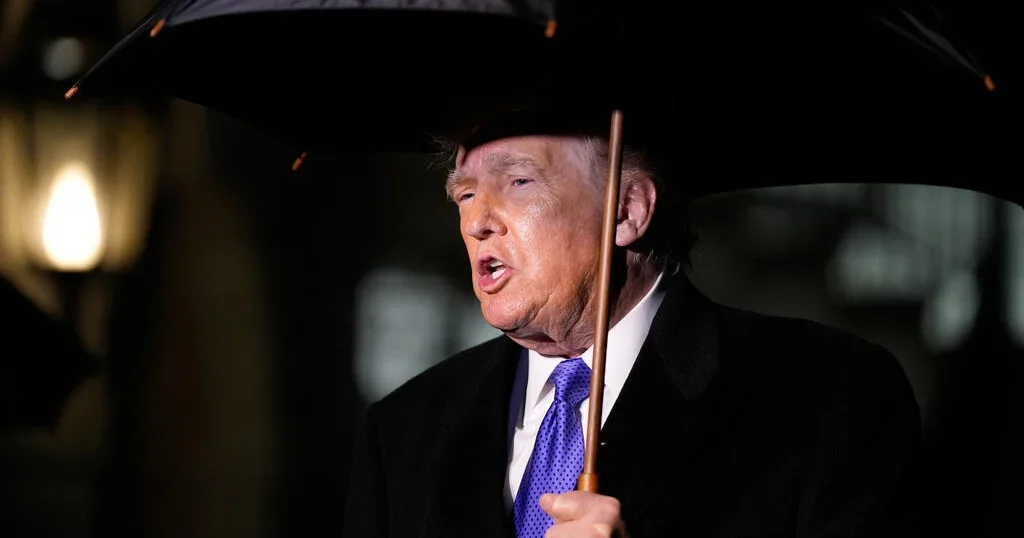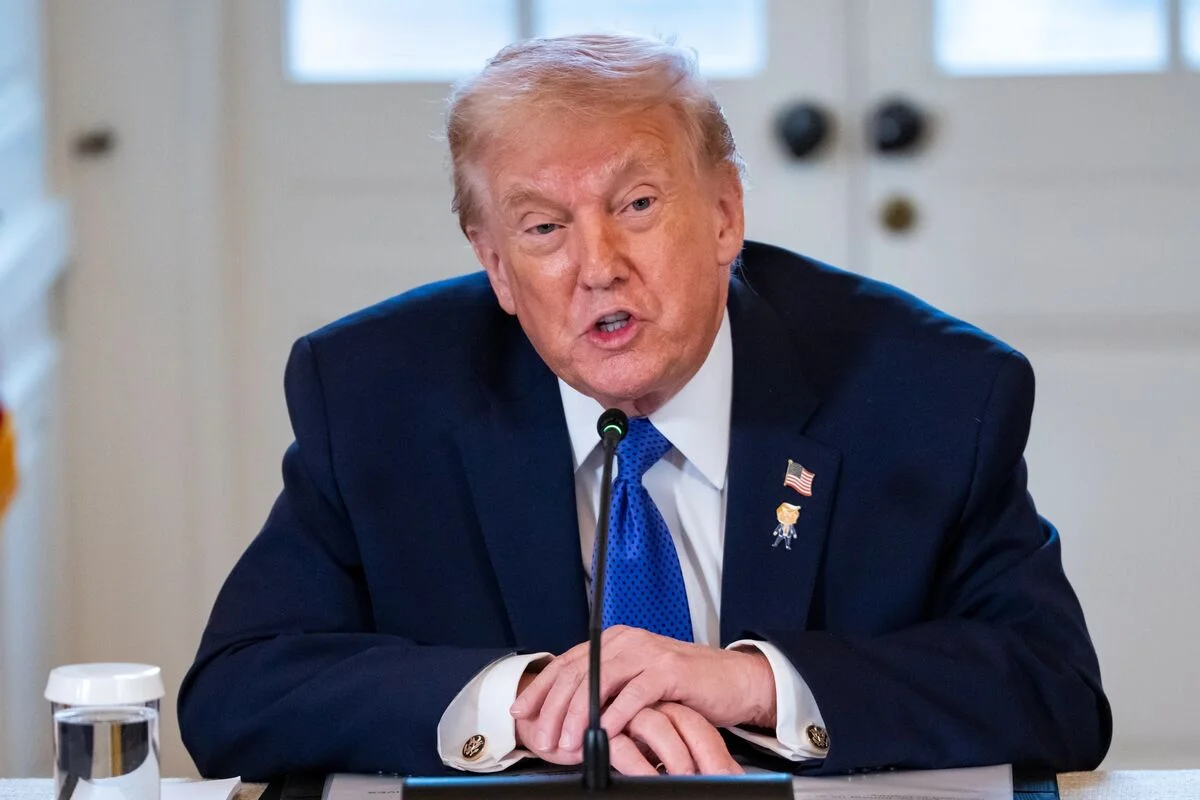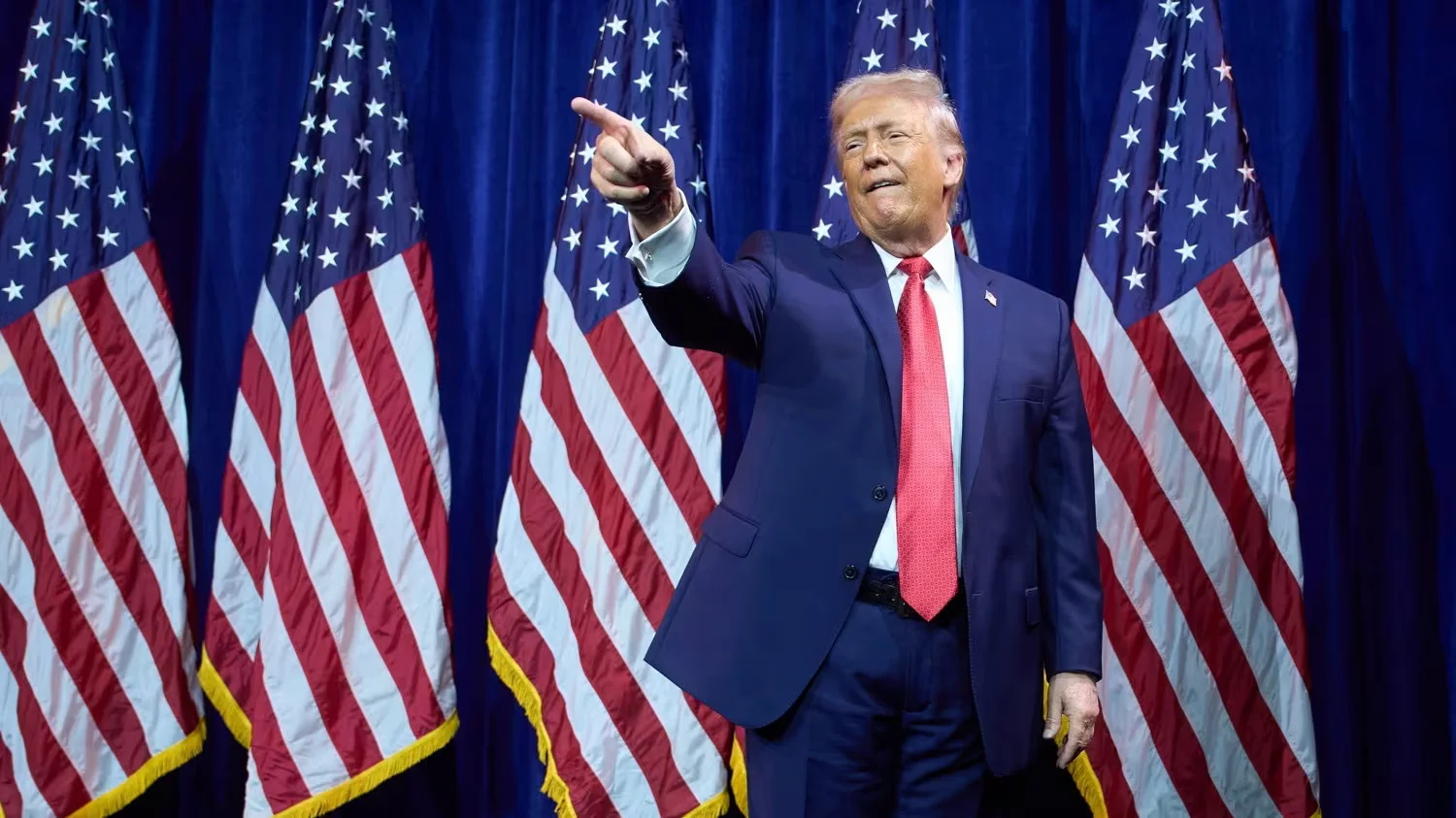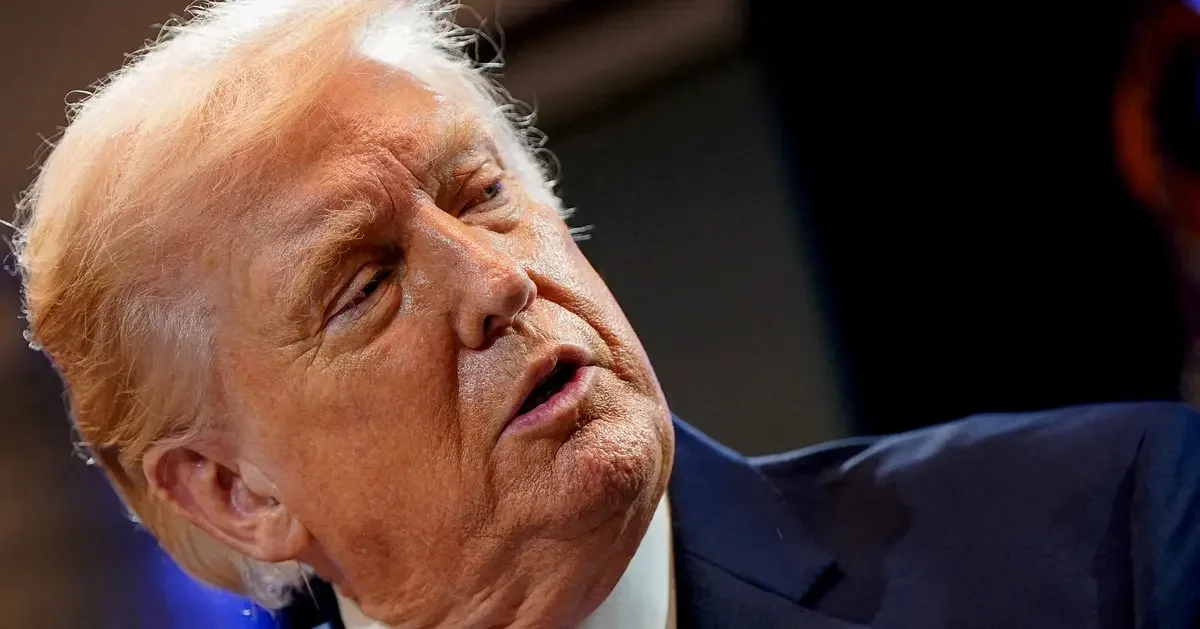
Donald Trump announced a one-year plan to cap credit card interest rates at 10%, sparking mixed reactions from lawmakers, financial institutions, and critics, with concerns about implementation and potential impacts on credit availability.
Bill Ackman criticized President Trump's proposal for a one-year 10% cap on credit card interest rates, warning it could lead to widespread credit card cancellations and push consumers toward higher-cost loans. Ackman acknowledged the goal of reducing rates is important but argued that making the market more competitive and fostering new entrants would be a better approach. The proposal would require congressional approval, and its implementation remains uncertain.
President Trump proposed a one-year cap of 10% on credit card interest rates starting January 2026, but the plan lacks details on implementation and congressional support, with critics arguing it is ineffective without legislative approval and warning it could reduce credit availability.
President Trump has proposed capping credit card interest rates at 10% for one year, a move supported by some lawmakers but opposed by credit card issuers and financial groups, citing potential reductions in credit availability and economic impact amid rising credit card debt levels.
President Donald Trump proposed a one-year cap of 10% on credit card interest rates, effective January 20, 2026, aiming to protect consumers from high charges, though details and potential responses from credit card companies remain unclear.
The article questions what could prevent Donald Trump from disrupting established rules in global finance, highlighting concerns about his potential to challenge or overturn existing financial regulations and norms.
Central banks are engaging in gold trading to combat smuggling activities, reflecting efforts to tighten financial controls and curb illegal trade. The article discusses the strategic move by authorities to use gold transactions as a tool against illicit activities.
America’s six largest banks gained $600bn in market value in 2025 due to deregulation efforts and a revival in investment banking, outpacing European rivals and the broader market, with regulatory changes allowing higher leverage and less onerous capital rules fueling growth and investor confidence.
Prediction markets, especially in sports, are rapidly growing and being integrated into mainstream trading platforms like Robinhood, blurring the lines between gambling and investing, and raising regulatory and ethical questions about their role in finance.
The Federal Reserve Board has withdrawn its 2023 policy statement and introduced a new policy to support responsible innovation in certain Board-supervised banks, aiming to foster technological advancements while maintaining financial stability.
JPMorgan Chase disclosed that it is under investigation by US authorities regarding its alleged debanking practices, raising concerns about banking conduct and regulatory oversight.
The Federal Reserve is planning to reduce the size of its board overseeing the top banking supervisor, signaling a potential shift in financial regulation oversight.
The Wall Street regulator has announced plans to adopt a lighter regulatory approach and eliminate quarterly reporting requirements, signaling a shift towards less stringent oversight in the financial industry.