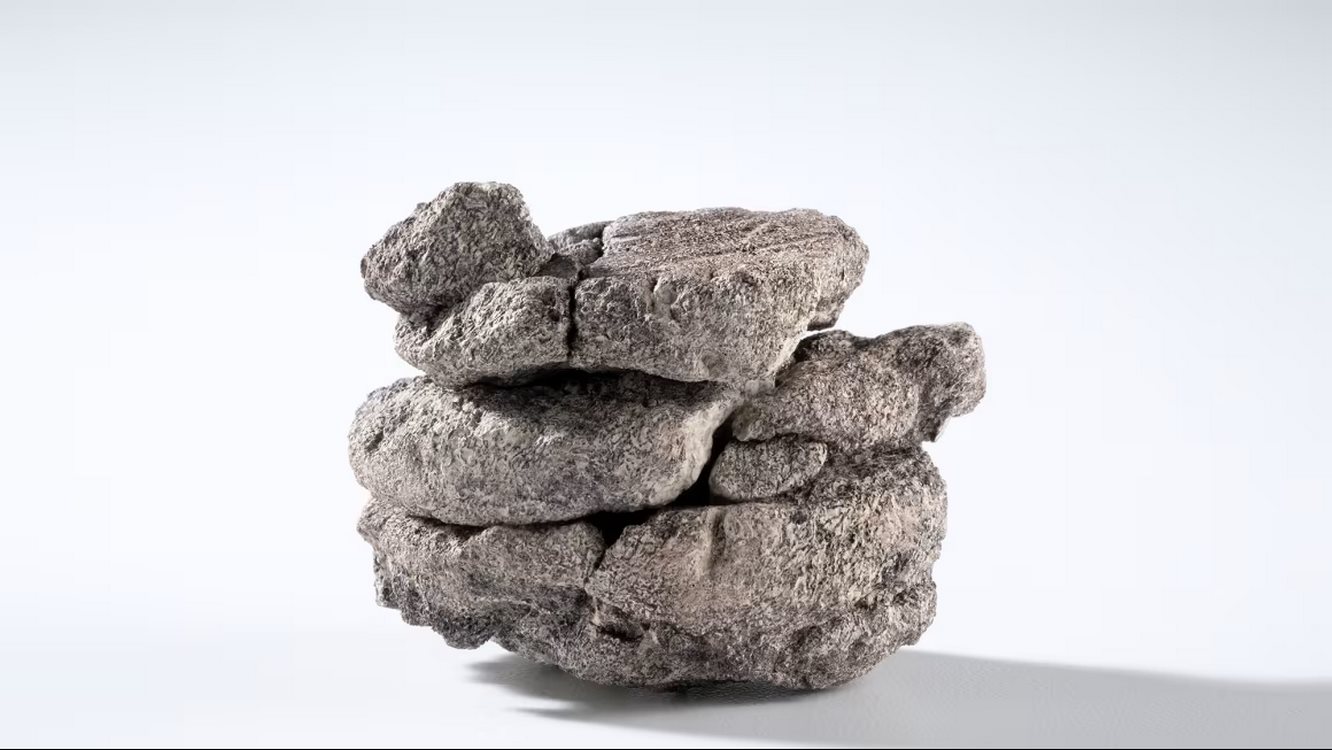
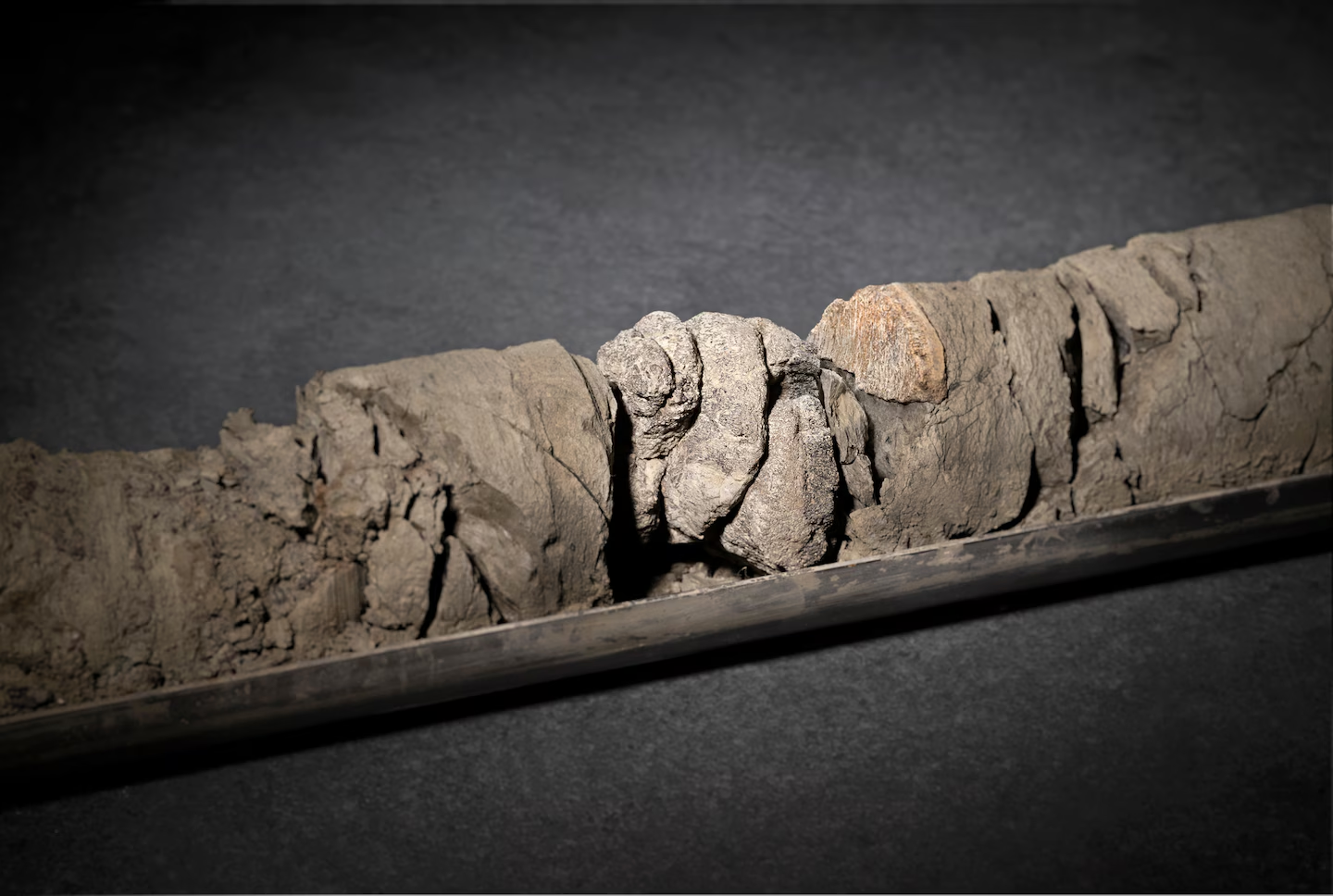
The Denver Museum of Nature and Science discovered a 67-million-year-old dinosaur vertebrae unexpectedly while drilling beneath the museum for geothermal energy, marking the deepest and oldest fossil found in Denver, with a highly coincidental alignment of drilling and fossil location.
The Denver Museum of Nature and Science discovered fossilized dinosaur bones in its parking lot during a geothermal energy test drilling, highlighting a significant local paleontological find.
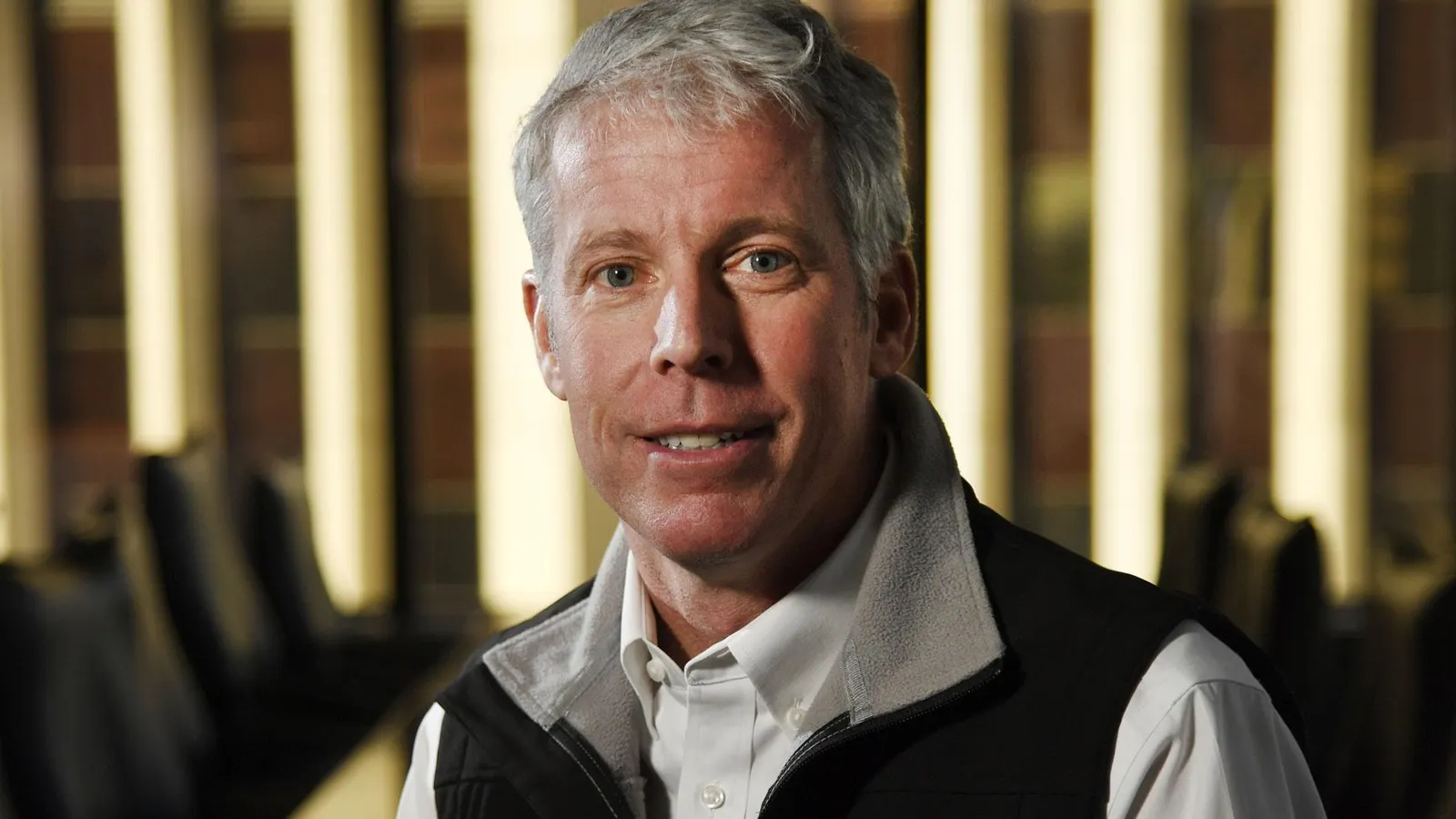
Chris Wright, CEO of Liberty Energy and a nominee for U.S. Secretary of Energy under Trump, is a pragmatic energy entrepreneur who acknowledges climate change but emphasizes the need for reliable and affordable energy, including fossil fuels. Wright, an MIT and Berkeley-trained engineer, has invested in next-gen technologies like geothermal energy and nuclear power, while expressing skepticism about the environmental benefits of wind and solar energy. He advocates for energy sources that are available 24/7 and has led Liberty Energy to invest in startups focused on scalable, low-carbon energy solutions.
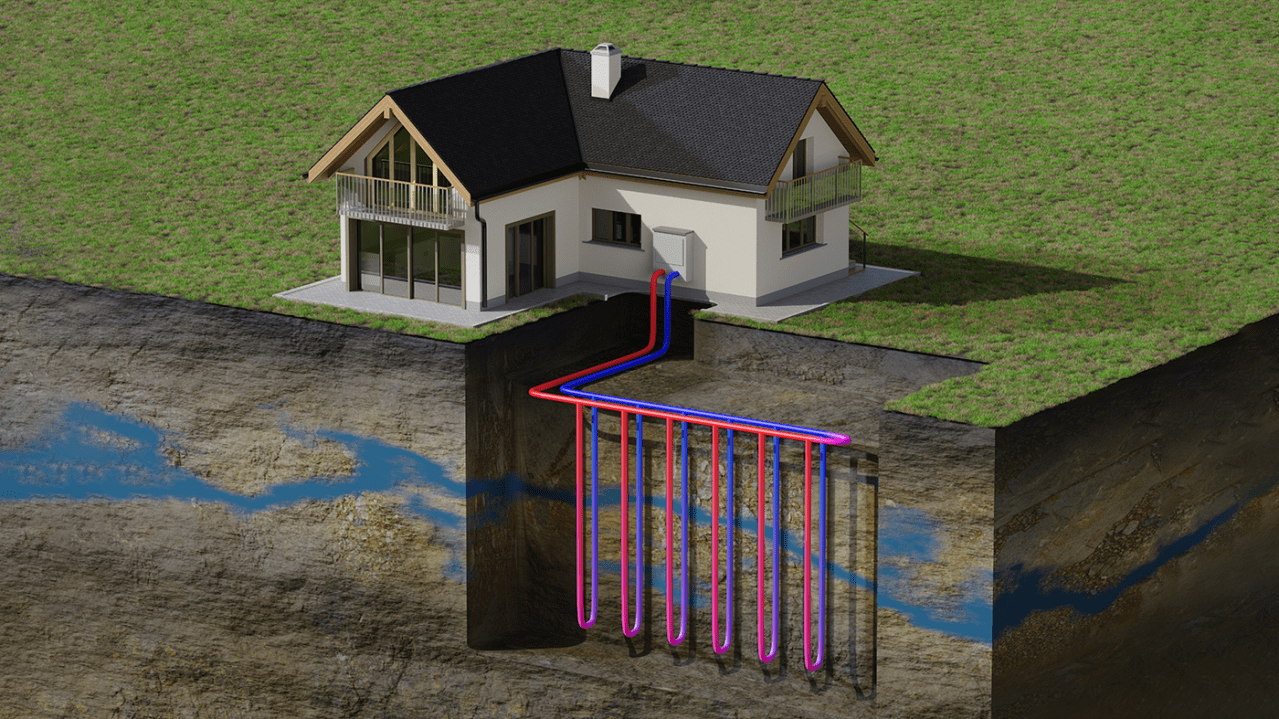
The Department of Energy is heavily investing in geothermal energy, a clean and on-demand power source that harnesses heat from deep within the Earth to produce largely pollution-free electricity. The agency aims to supply the energy equivalent of 4 million households by 2030 and hopes to install between 90 to 300 gigawatts of geothermal power by 2050. This form of energy has garnered interest from both the renewable energy sector and the oil and gas industry, and it has bipartisan support in Congress. The main challenge lies in building confidence and attracting investment from the financial industry, but the Department of Energy is committed to de-risking the industry and accelerating its development.
Scientists at The Ohio State University have developed a new method, called Direct Air CO2 Capture with CO2 Utilization and Storage (DACCUS), which combines direct air carbon dioxide capture (DACC) technologies with geothermal energy to create large-scale carbon dioxide capture and storage systems. The process isolates captured carbon into deep saline aquifers, using the geologic formations to produce renewable energy for DACC systems. The team believes their system could be operational by 2025 and start removing carbon by 2030, with up to 25 DACCUS systems operating in the Gulf Coast by 2050.
Researchers have developed a method for capturing carbon dioxide from the atmosphere using geothermal energy, as outlined in a study published in Environmental Research Letters. The proposed system, called Direct Air CO2 Capture with CO2 Utilization and Storage (DACCUS), combines direct air carbon dioxide capture technologies and geothermal energy to remove carbon dioxide from the atmosphere and store it underground. The study suggests that this approach could help mitigate climate change and meet the goal of limiting Earth's warming, with potential for large-scale deployment in regions with ample geothermal resources.
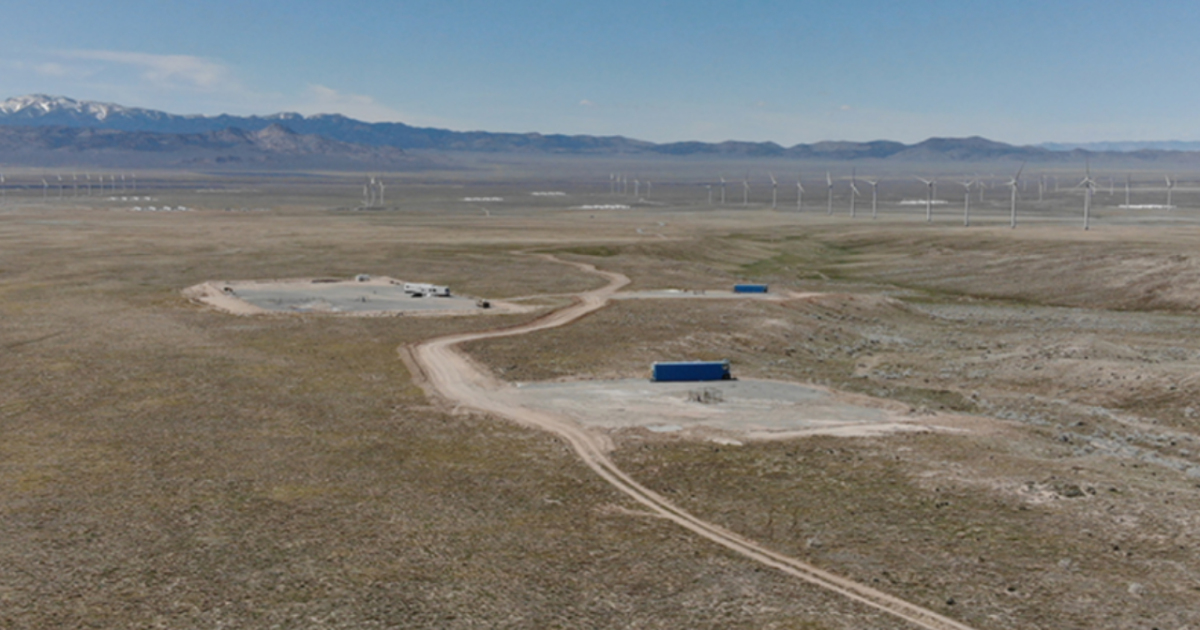
Google has successfully launched its first geothermal energy project, marking a significant step towards its commitment to using 100% renewable energy for its operations. The project, located in Nevada, utilizes the Earth's natural heat to generate electricity, providing a sustainable and reliable source of power. This initiative aligns with Google's goal of reducing its carbon footprint and promoting clean energy solutions.
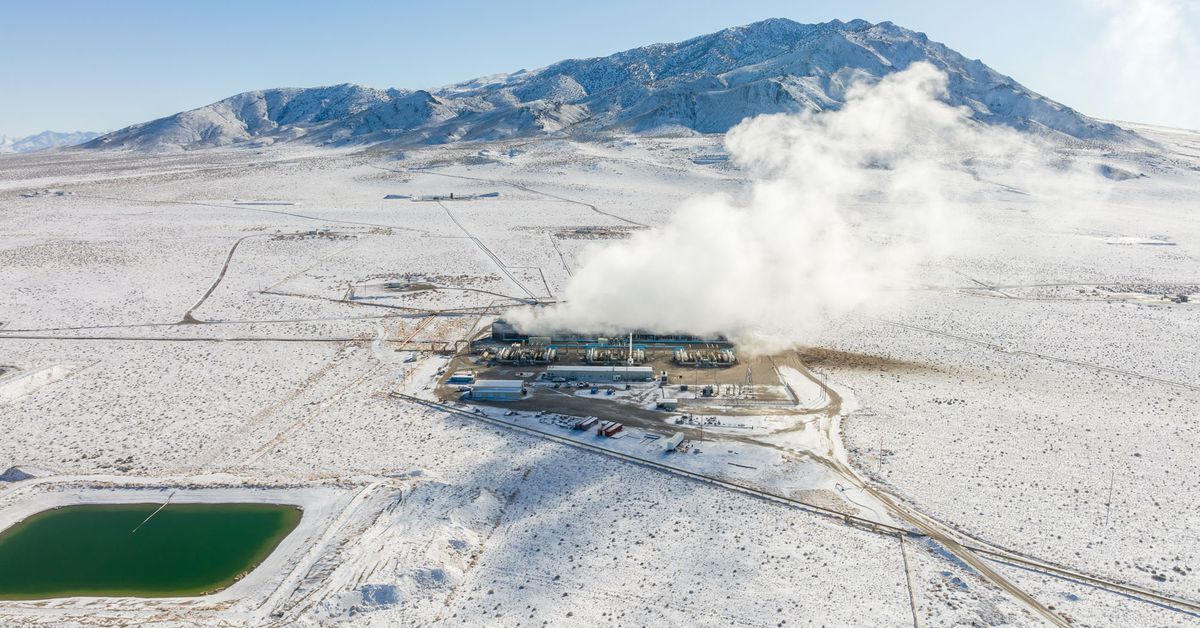
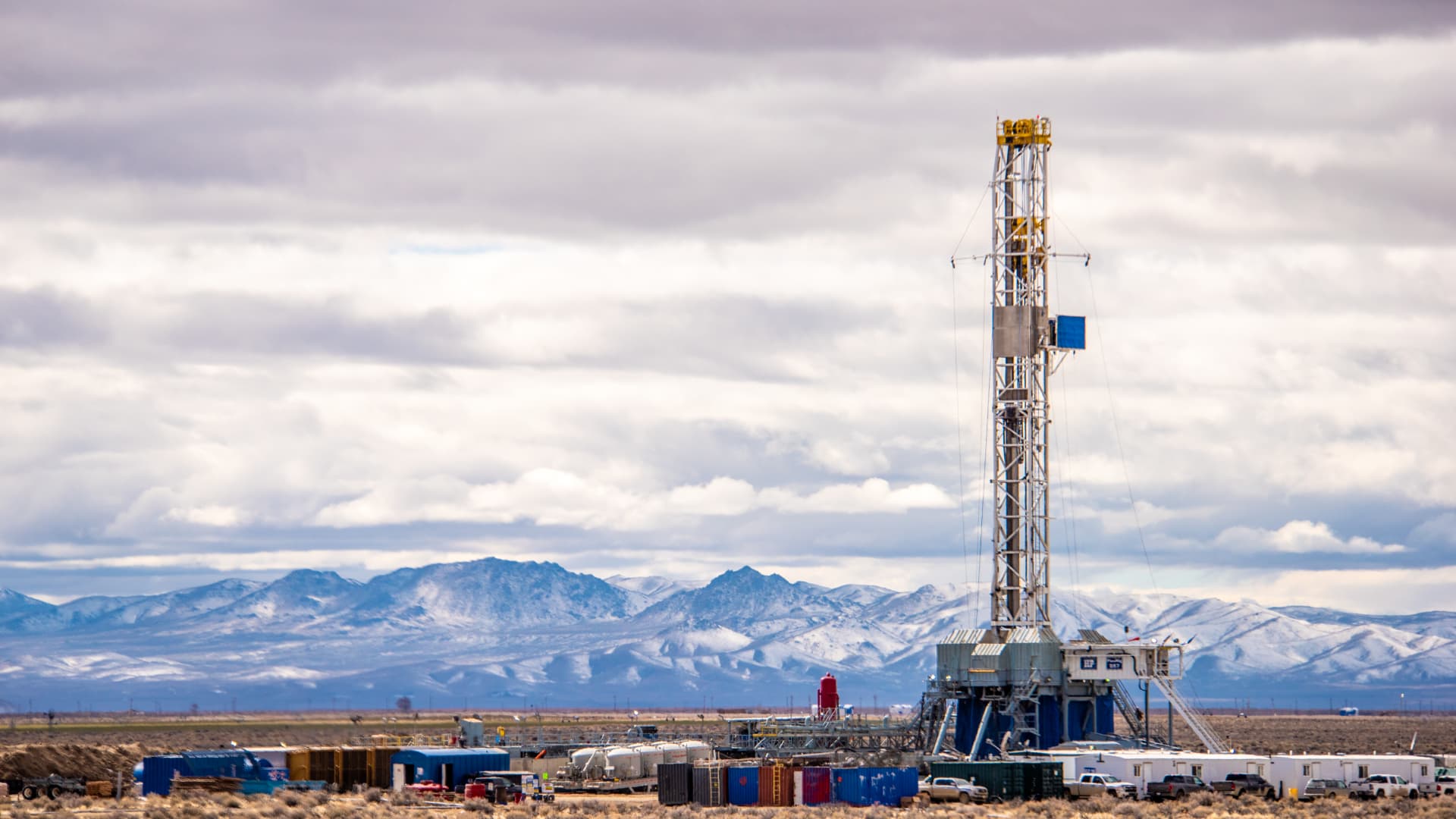
Google has partnered with startup Fervo to launch a geothermal energy project in Nevada, aiming to power its data centers with clean energy. The project, which utilizes new technology, has a capacity of 3.5 MW and will feed electricity into the local grid serving two of Google's data centers. Geothermal energy is seen as a key component of Google's plan to run on carbon pollution-free electricity by 2030, providing a consistent power source when wind and solar energy are not available. The project leverages existing technologies from the oil and gas industry and has received backing from Bill Gates' Breakthrough Energy Ventures and the US Department of Energy.
In his book "Mountains of Fire," volcanologist Clive Oppenheimer explores the overlooked longevity and importance of volcanoes. Volcanoes not only shape the physical landscape but also contribute to the sustainability of humanity. They act as hotbeds of biodiversity, create fertile soil through eruptions, help build underground aquifers, produce geothermal energy, and can permanently trap carbon dioxide. Volcanoes have the potential to become a savior rather than a fearsome enemy, playing a crucial role in carbon capture and storage.
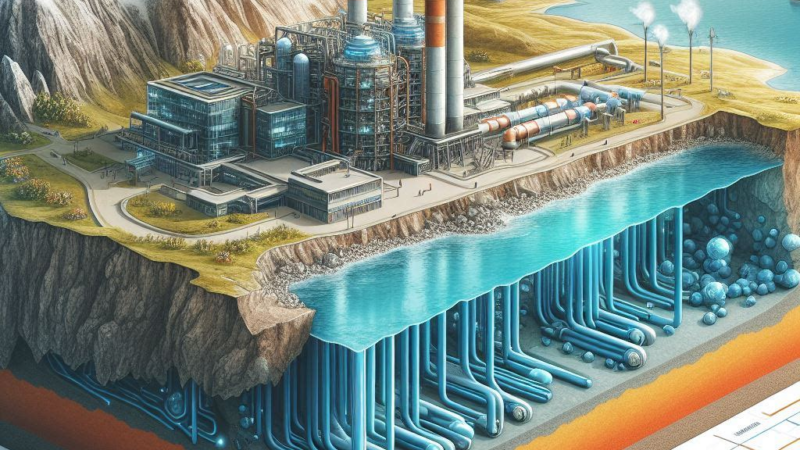
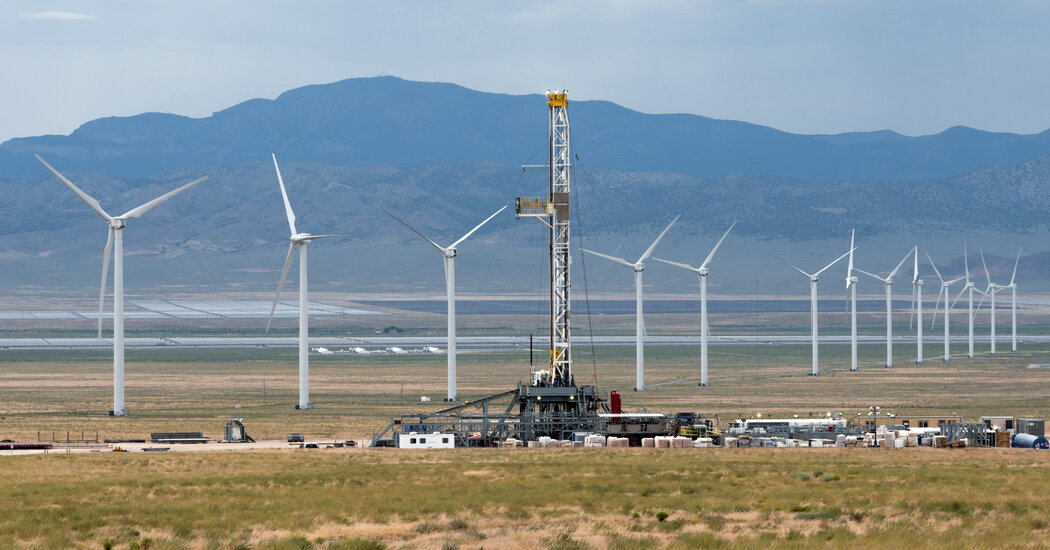
Geothermal energy, a vast source of clean power, is being unlocked using techniques borrowed from the fracking industry. Traditional geothermal plants, which tap into natural hot water reservoirs, only account for 0.4% of America's electricity. However, by using advanced drilling methods developed for oil and gas extraction, experts believe it's possible to access the heat stored in hot, dry rocks almost anywhere. Companies like Fervo Energy and Eavor are using fracking techniques and underground radiators to create artificial geothermal reservoirs. Other companies are exploring plasma torches and energy waves to drill even deeper and tap into "superhot" temperatures. Despite challenges such as cost, water use, and permitting, interest in geothermal is growing as it offers a reliable and clean energy source that can complement wind and solar power.
Researchers from the University of Utah are studying "earthquake swarms" in central Utah, where geothermal energy is present. These swarms, consisting of smaller magnitude earthquakes, are believed to be triggered by hot water in the earth's crust. The study, which has analyzed decades worth of data, has found that 80% of seismic sequences in the area are swarms. Understanding these swarms is crucial for comprehending overall seismic activity in the state.
Geothermal startup Fervo Energy has achieved a significant technical milestone in its efforts to tap into geothermal energy using oil drilling technology. Fervo successfully completed a 30-day test at its commercial pilot plant in Nevada, drilling down to 7,700 feet and achieving internal temperatures of 375 degrees Fahrenheit. The test demonstrated the potential to generate 3.5 megawatts of electricity production. Fervo plans to construct a 400-megawatt project by 2028, leveraging drilling technology from the oil and gas industry to produce carbon-free energy resources. The company has also partnered with Google to develop a geothermal power project, aiming to support Google's goal of operating on 24/7 carbon-free energy by 2030.
Lendlease is building the largest residential apartment complex in the US to be heated by geothermal energy in Brooklyn. The complex will have 834 rental units across 5 buildings, including a 37-story and a 20-story tower. Using geothermal will reduce its greenhouse gas emissions by an estimated 53%, but it will cost about 6% more to build. The project will be entirely net zero when it opens in 2025, meeting New York's new emissions sustainability standards for large buildings.
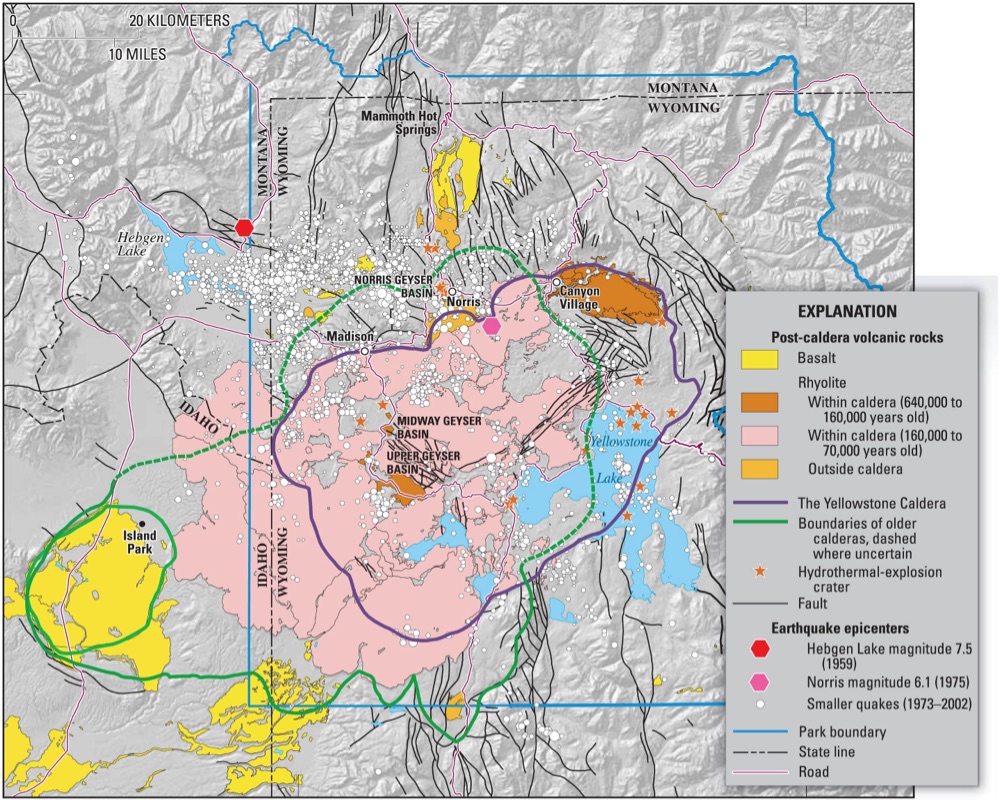
A paper in the scientific journal Renewable Energy proposes a new copper-based engineering approach to draw up the energy reserve of the Yellowstone Supervolcano to generate well over 11 Quadrillion Watt hours of electrical energy per year, which could potentially forestall the supervolcano from ever erupting again. The proposal offers a solution to the need for renewable, green energy that is 100% emission-free and the need to forever forestall the eruption of the Yellowstone Supervolcano.