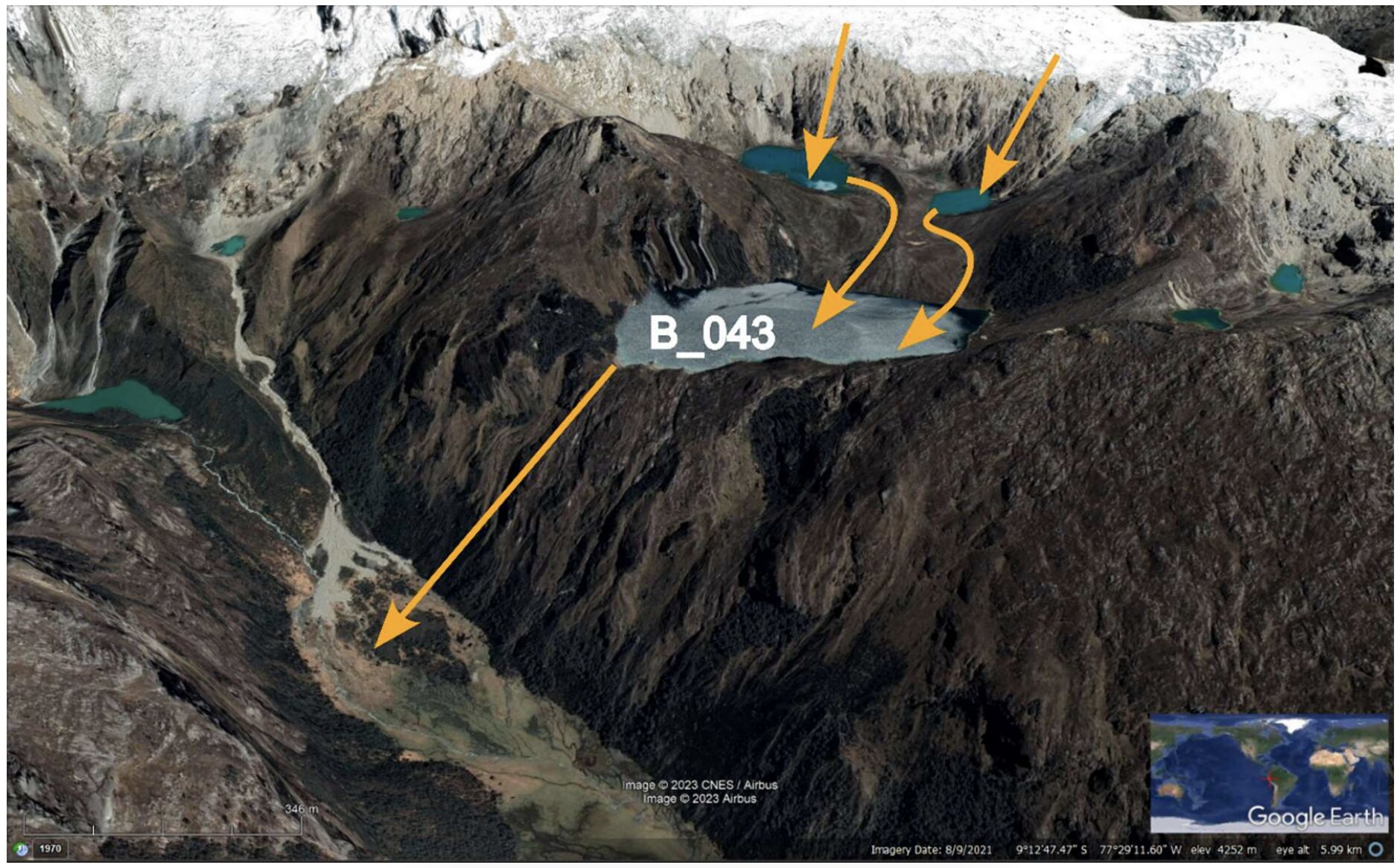
A new study challenges the assumption that earthquakes are the primary driver of glacial lake outburst floods, suggesting that the triggering processes may be more complex than previously thought. Research in the Andes found that only a small number of earthquakes were associated with outburst floods, and further analysis revealed that seismic activity may not always lead to dam destabilization. The study highlights the need for more research to determine the primary drivers of these floods in order to improve hazard assessments and mitigate their impacts on the environment and communities.
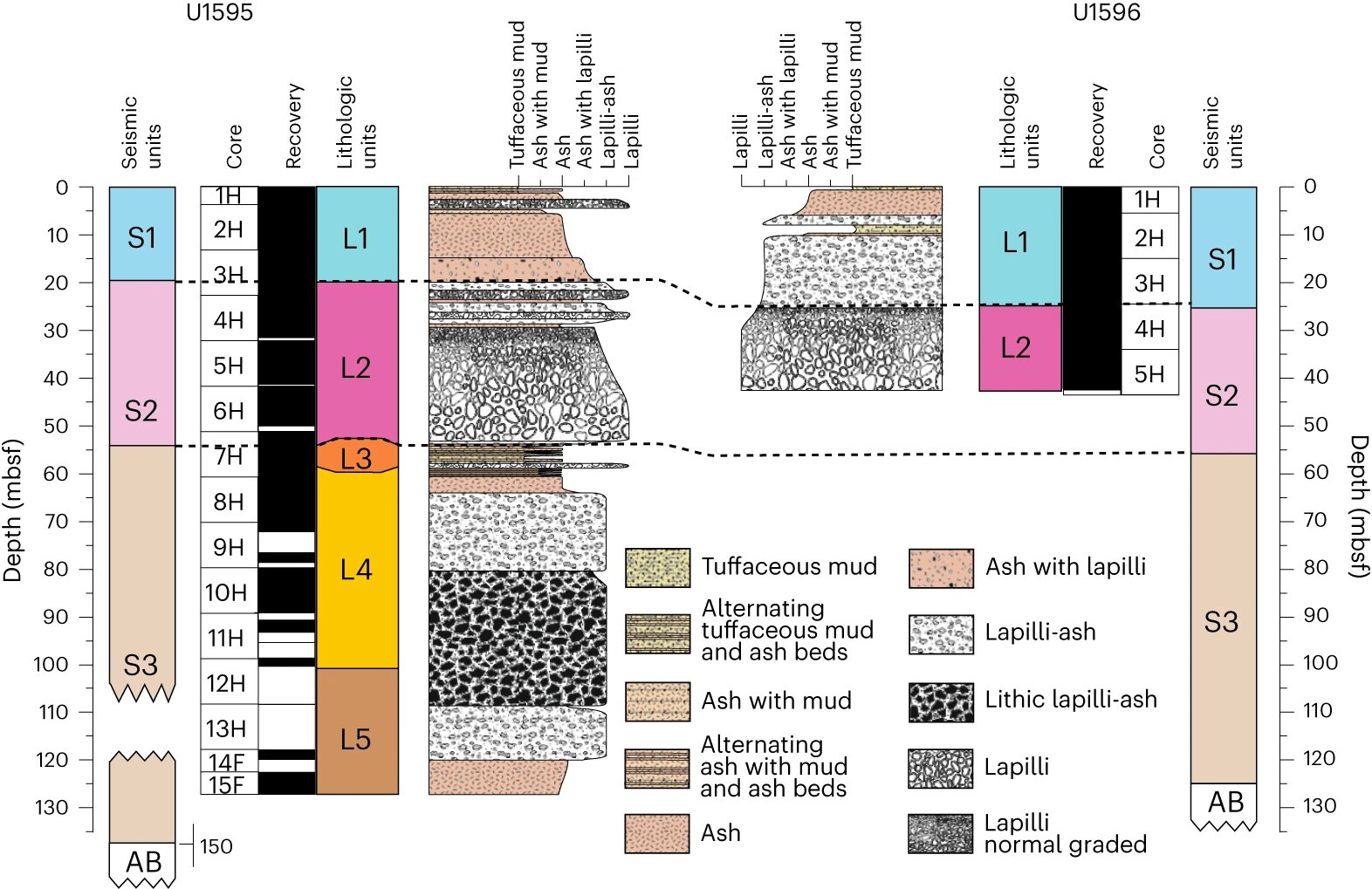
An international team of scientists has uncovered evidence of a historical submarine eruption of the Kameni volcano on Santorini, supporting historical records of an underwater eruption in 726 CE. Through drilling and geochemical analyses, they found a layer of pumice and ash, up to 40 meters thick, linked to the eruption, challenging previous hypotheses about the volcanic system's behavior. These findings have significant implications for hazard assessment and highlight the need for greater attention to submarine eruptions.
Prime Minister Katrín Jakobsdóttir addressed Parliament about the challenges posed by recent volcanic activity on the Reykjanes Peninsula, emphasizing that Iceland is facing its most significant natural disaster challenges since its founding. She highlighted the need for a comprehensive hazard assessment, led by the Icelandic Meteorological Office, to be completed by 2025, covering earthquakes, lava flow, and the impact of ash and gases in the atmosphere.
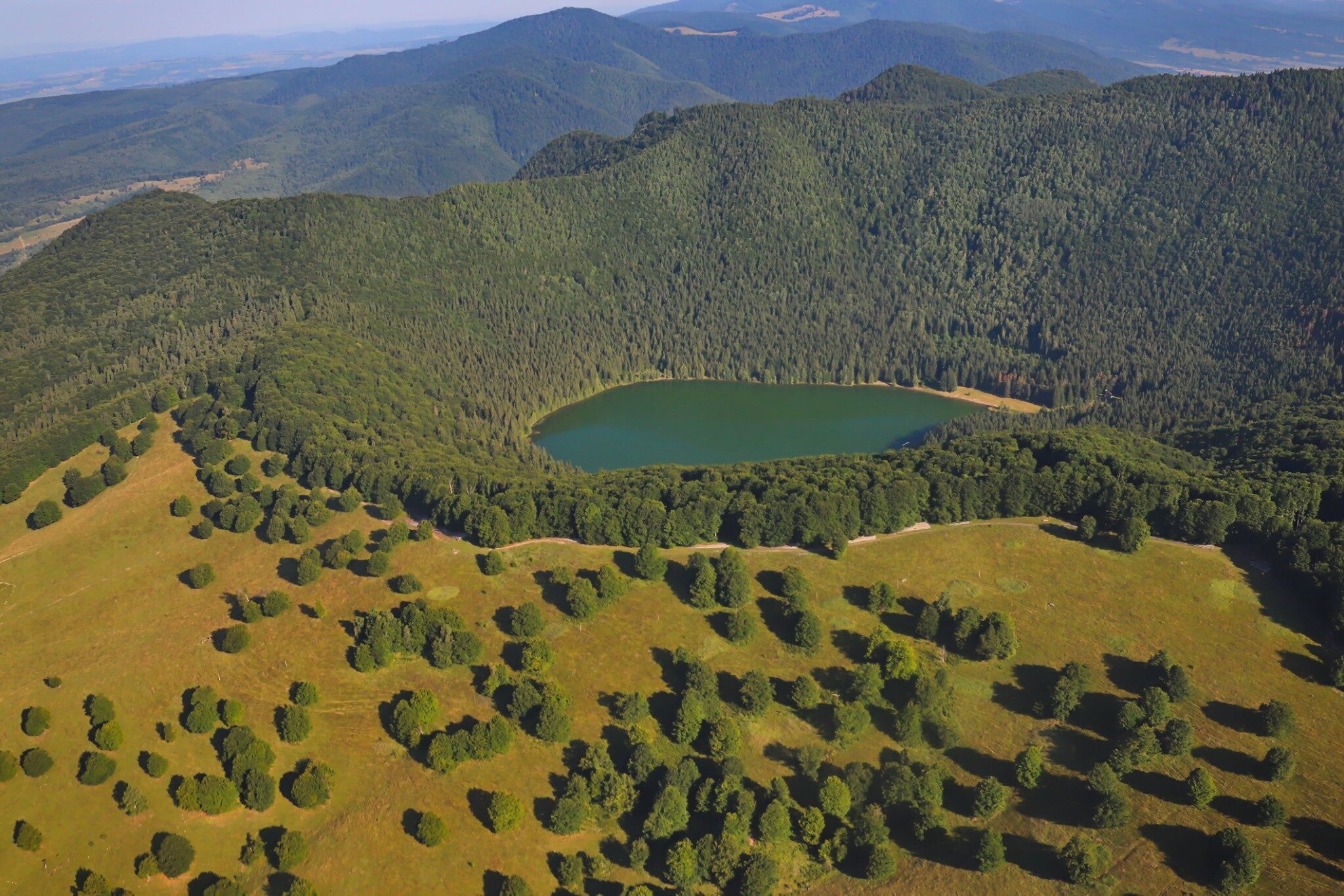
Hungarian scientists studying the Ciomadul volcano have found that even after tens of thousands of years of dormancy, a volcano can rapidly become active and pose a previously unknown threat. By analyzing the mineral composition of volcanic rocks, the researchers identified the conditions and processes that lead to explosive eruptions. They discovered that the presence of distinct amphibole compositions in the magma played a key role in triggering the explosive eruptions. This research highlights the importance of studying long-dormant volcanoes and understanding their potential hazards.
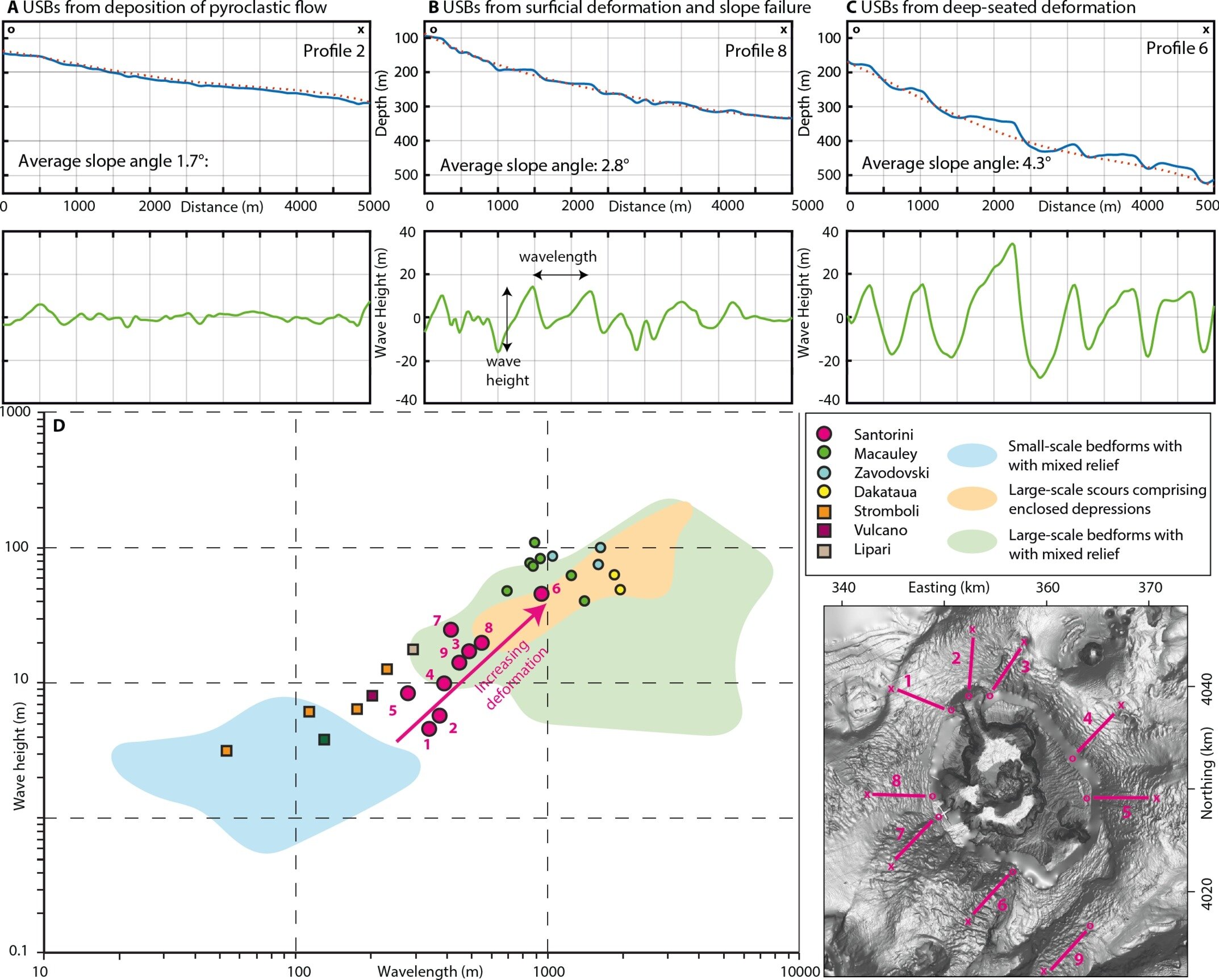
Researchers from GEOMAR Helmholtz Centre for Ocean Research Kiel and other institutions studied the seafloor around Santorini to understand the genesis of the Minoan tsunami that devastated the coast of Crete 3,600 years ago. They found undulating seafloor bedforms that were formed by pyroclastic flows and instabilities of the volcanic flanks. The researchers estimate that two cubic kilometers of material moved down the volcanic flanks during the Minoan eruption, generating a huge tsunami wave. The study emphasizes the importance of understanding flank instabilities for tsunami hazard assessment at active volcanoes.