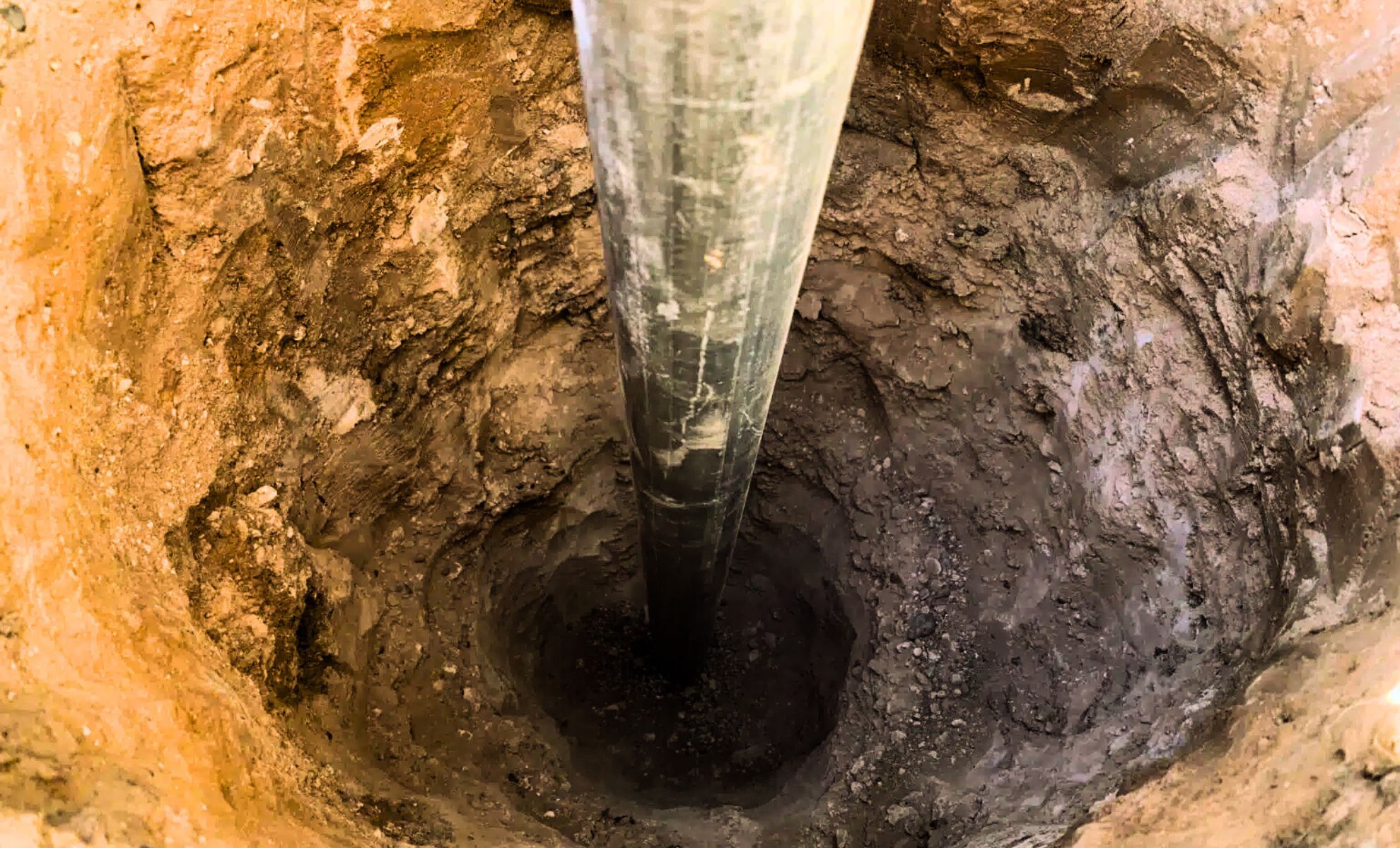
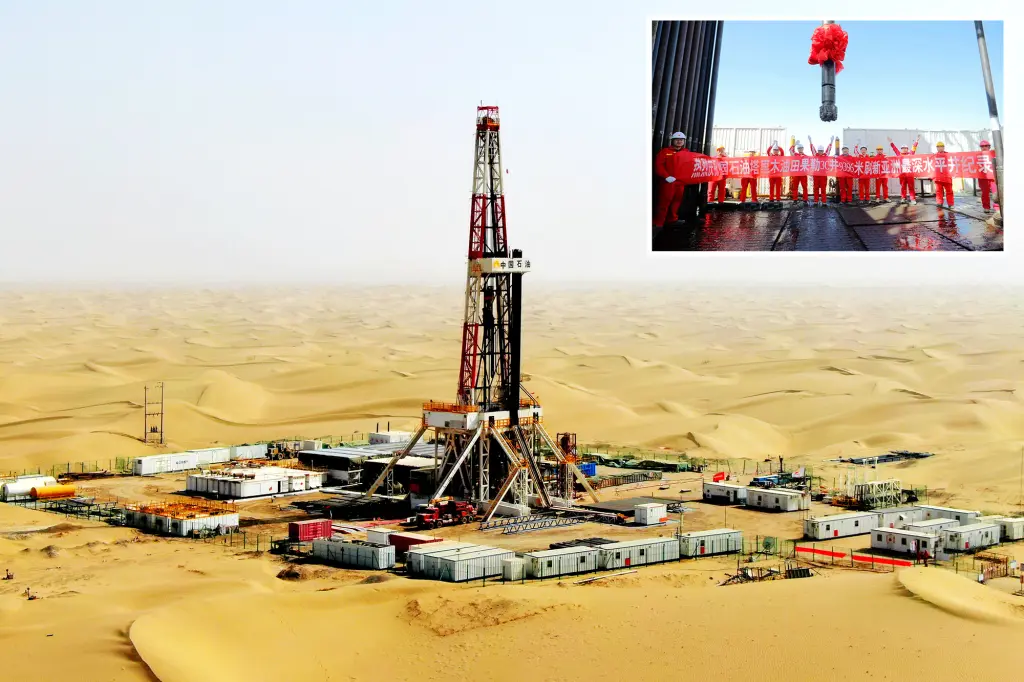
China has begun drilling a 10,000-meter borehole in the Tarim Basin to explore Earth's deep layers, aiming to uncover fossil fuels, understand seismic activity, and study Earth's geological history, with potential scientific and economic benefits.
China has begun drilling its first borehole to tunnel 10,000 meters beneath the Earth's crust in the Taklamakan Desert, part of the resource-rich Xinjiang Uyghur Autonomous Region. The project will use equipment weighing 2,000 metric tons to break through 10 layers of continental strata and eventually burrow into the Cretaceous System, a stratified layer of rock that dates back to 145 million years ago. The drilling is part of China's national security strategy to source raw materials and energy domestically and equip the country with a better understanding of seismic activity and natural disaster risks.
China has begun drilling a 32,800-foot-deep hole in the Tarim Basin, Xinjiang region, as part of a deep Earth exploration venture launched by President Xi Jinping in 2021. The project is expected to take about 457 days and is being led by the China National Petroleum Corp to test underground drilling machines and gather data on the Earth’s interior. The project aims to identify energy resources and assess the risks of environmental disasters, such as volcanic eruptions and earthquakes.