Editas Medicine has announced a strategic shift to focus on in vivo gene editing, aiming for human proof of concept by 2026. This realignment includes significant workforce reductions, cutting 65% of its staff, to streamline operations and extend its cash runway into 2027. Recent preclinical advancements in gene editing, particularly in hematopoietic stem cells and liver applications, have prompted this transition. The company plans to share more detailed data and timelines in 2025, while its stock saw a decline following the announcement.
Tome Biosciences, a gene editing company, has acquired Replace Therapeutics for $65 million upfront, with potential total payments reaching $185 million. This acquisition, shortly after Tome's launch with substantial funding, aims to enhance its DNA editing capabilities by integrating Replace's technology for making precise, smaller-scale changes to the genome. This complements Tome's existing CRISPR-based technology for inserting larger DNA sequences.
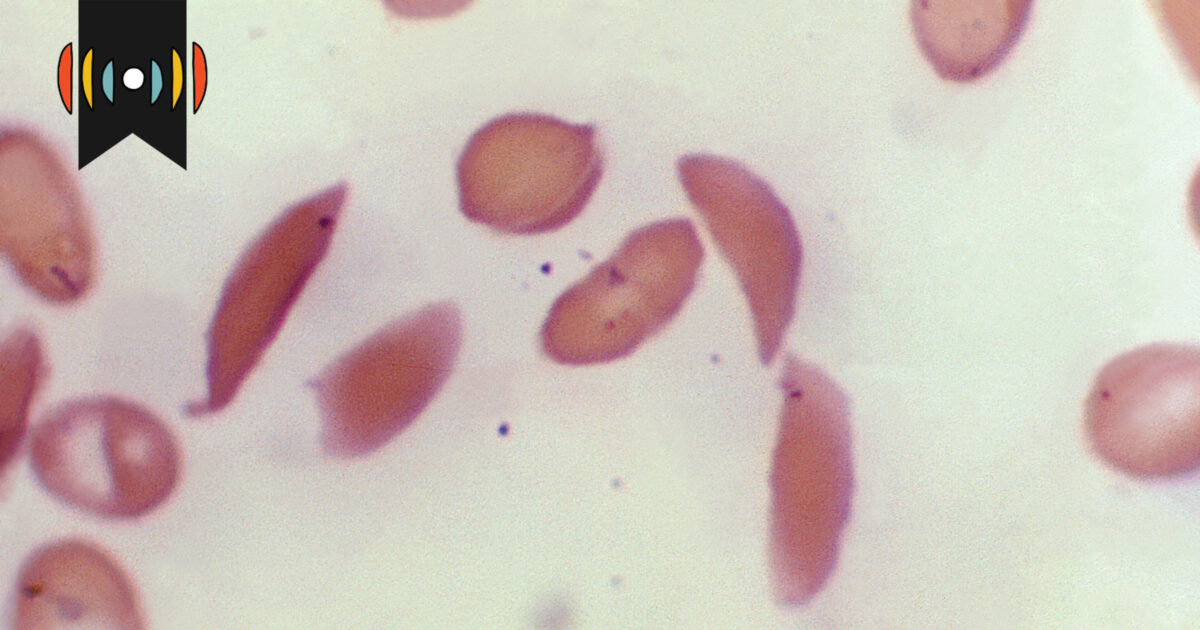
The FDA has approved a new gene-editing treatment called Casgevy for sickle cell disease, which uses CRISPR technology to edit DNA in adult stem cells. This treatment works by turning off an inhibitor of fetal hemoglobin production, allowing the body to produce hemoglobin that can effectively carry oxygen, unlike the mutated form in sickle cell patients. The approval marks a significant advancement in gene therapy, offering a potential cure for sickle cell disease while adhering to ethical standards by only affecting the treated individual and not future generations.
The year 2023 witnessed significant scientific breakthroughs and developments, including the approval of new vaccines for RSV and malaria, the widespread adoption of AI technologies like ChatGPT, record-breaking global temperatures due to climate change, advancements in renewable energy and battery technology, regulatory approval of lab-grown meat, comprehensive mapping of human organs, progress in ocean conservation, challenges with insect invasions, strides in organ transplant technology, achievements in space exploration, new drugs for obesity, and the first regulatory approvals for CRISPR gene editing therapies. These milestones reflect a year of both challenges and progress in various scientific fields.