Zealand Pharma's shares surged 18% after positive early-stage trial results for its weight loss drug petrelintide, which showed an average body weight reduction of 8.6% compared to 1.7% with a placebo. The drug was deemed safe and well-tolerated, positioning it as a potential alternative to GLP-1 receptor agonist-based therapies like Novo Nordisk's Ozempic. The company plans to proceed with a phase 2 clinical trial.
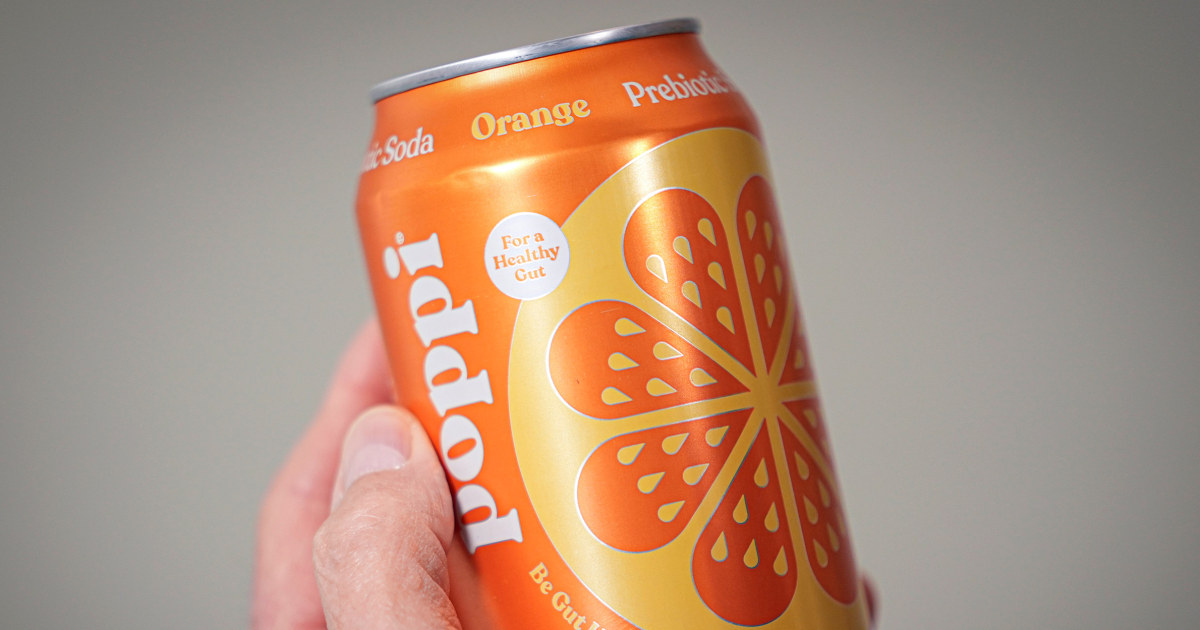
Poppi is facing a class-action lawsuit from a consumer who claims its prebiotic sodas do not improve gut health as advertised, citing insufficient prebiotic content. The company defends its products, calling the lawsuit baseless.
The American pharmacy industry is facing a severe crisis, exemplified by the closure of many Bartell Drugs locations in Seattle following Rite Aid's bankruptcy. Factors such as competition from online retailers, reduced reimbursements from pharmacy benefit managers (PBMs), and the opioid crisis have led to widespread pharmacy shutdowns. This has created "pharmacy deserts," particularly affecting underserved communities. The situation is dire for both large chains and independent pharmacies, with many struggling to stay afloat amid financial pressures and changing market dynamics.
Pfizer anticipates its lung cancer drug Lorbrena will surpass $1 billion in annual sales by 2030, driven by strong five-year clinical trial data showing significant disease progression-free survival rates in patients with ALK-positive advanced lung cancer. The drug, which outperforms Pfizer's earlier treatment Xalkori, has shown particularly promising results in patients with brain metastases and is expected to see substantial market growth, especially in China.
Summit Therapeutics Inc. shares soared 272% after a late-stage trial showed their cancer drug ivonescimab significantly outperformed Merck's Keytruda in treating non-small cell lung cancer, leading to a decline in Merck's shares. The trial, conducted in China, demonstrated a meaningful improvement in progression-free survival, with analysts optimistic about the drug's potential in other populations and across multiple solid tumors.
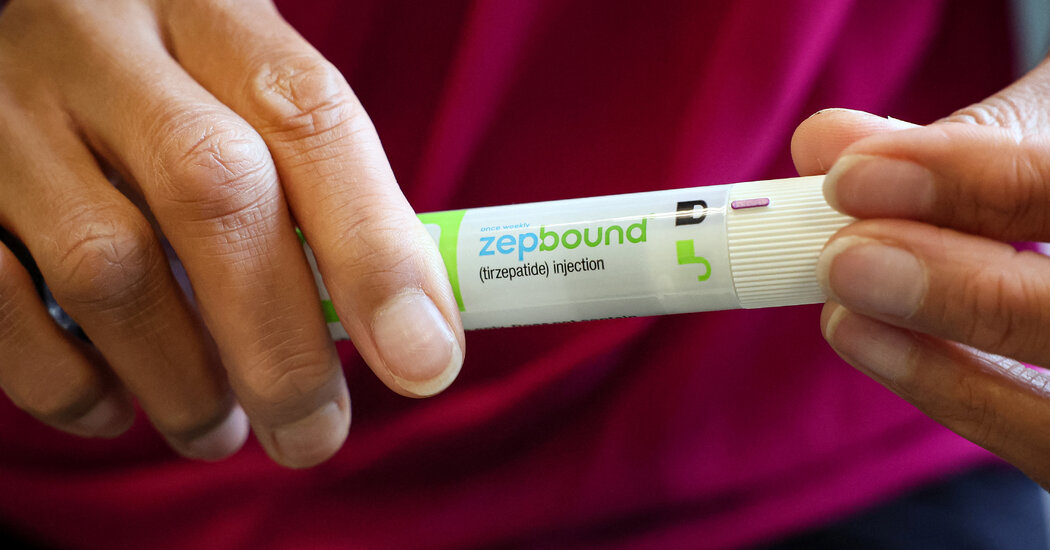
Eli Lilly is investing over $5 billion to expand manufacturing in Indiana for its popular weight loss and diabetes drugs, Zepbound and Mounjaro, due to high demand. This investment, the largest in the company's history, aims to produce the main ingredient, Tirzepatide, and is expected to create numerous high-wage jobs. The new site will start production in 2026, with full output by 2028, and is part of a broader initiative to boost local infrastructure and workforce development.
Vaccine stocks Moderna, Novavax, and BioNTech rallied this week due to fears of a bird flu outbreak after new human cases were detected in the U.S. and Australia. The U.S. government is in talks with these companies for potential avian flu vaccines, although the likelihood of a widespread outbreak remains low.
Shares in biotech companies have surged following the emergence of two new human bird flu infections, highlighting increased investor interest in health-related stocks.
Shares of COVID-19 vaccine makers like Moderna, Pfizer, BioNTech, and Novavax are rebounding as they pivot to new growth opportunities post-pandemic. Pfizer has acquired Seagen to focus on cancer drugs, Moderna awaits FDA approval for an RSV vaccine, BioNTech is diversifying its pipeline, and Novavax has a new licensing deal with Sanofi. These companies are outperforming the broader biotech sector despite past revenue declines.
Walmart+ has partnered with Pawp to offer 24/7 virtual veterinary services to its members, providing free, around-the-clock access to licensed veterinary professionals. This new benefit aims to enhance the Walmart+ membership experience by offering convenient and affordable pet care, especially as traditional veterinary costs rise.
Chick-Fil-A is abandoning its "no antibiotics ever" pledge and shifting to a policy that limits the use of antibiotics important to human medicine in its chicken supply chain, citing concerns about acquiring enough antibiotic-free chicken. This move follows similar actions by Tyson Foods, which reintroduced some antibiotics to its chicken production, citing scientific research and industry learnings. Livestock producers have historically used antibiotics to promote growth in animals, but concerns about antibiotic resistance and human health have led to increased restrictions on their use.
Eli Lilly has launched LillyDirect, a telehealth platform designed to streamline access to its weight loss drug, Zepbound, and other medications. The platform connects patients with independent telehealth providers and prescription delivery services. While the initiative aims to ensure patients receive genuine medications and facilitate the use of coupons, healthcare professionals express concerns over the potential for biased treatment and the commodification of medicine. Critics argue that direct-to-consumer medication services may prioritize company profits over patient care, and that in-person exams are crucial for comprehensive obesity treatment. Despite these concerns, the trend towards telehealth platforms for prescribing weight loss medications is growing, with companies like Ro and WeightWatchers also entering the space.
Novartis has expanded its gene therapy collaboration with Voyager Therapeutics, investing $100 million upfront to acquire capsids targeting Huntington’s disease and spinal muscular atrophy. The announcement, which comes ahead of the JP Morgan Healthcare Conference, has already positively impacted Voyager's stock, with shares increasing by 32%. Additionally, Novartis will purchase $20 million in Voyager shares, further cementing the partnership between the two companies in the field of neurologic gene therapies.
Tome Biosciences, a gene editing company, has acquired Replace Therapeutics for $65 million upfront, with potential total payments reaching $185 million. This acquisition, shortly after Tome's launch with substantial funding, aims to enhance its DNA editing capabilities by integrating Replace's technology for making precise, smaller-scale changes to the genome. This complements Tome's existing CRISPR-based technology for inserting larger DNA sequences.