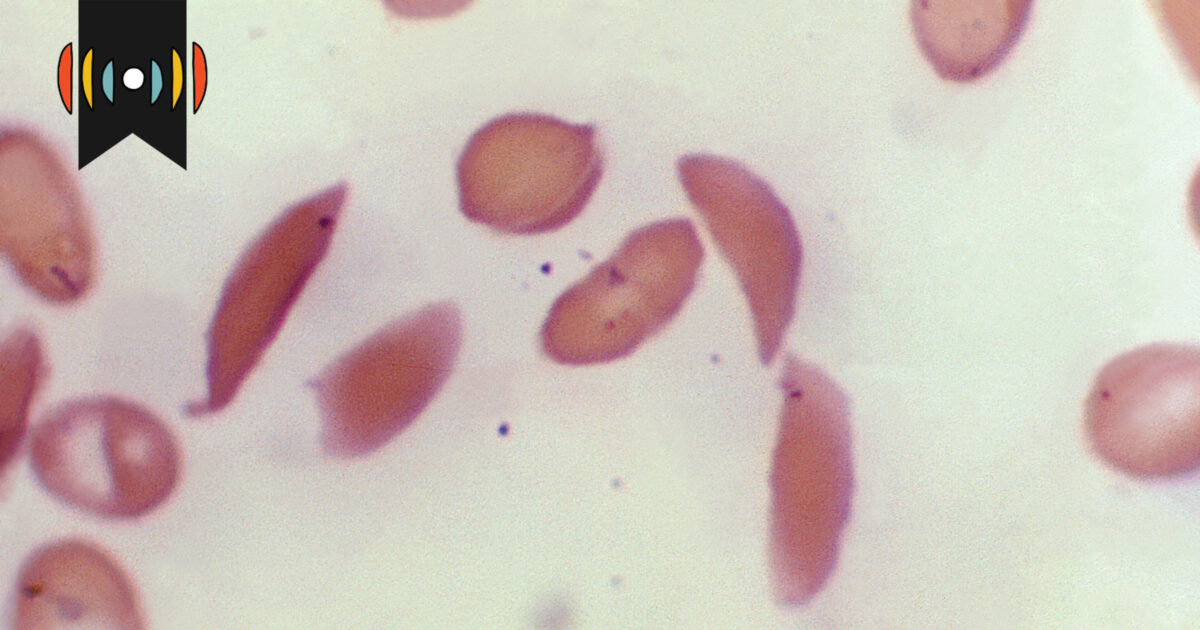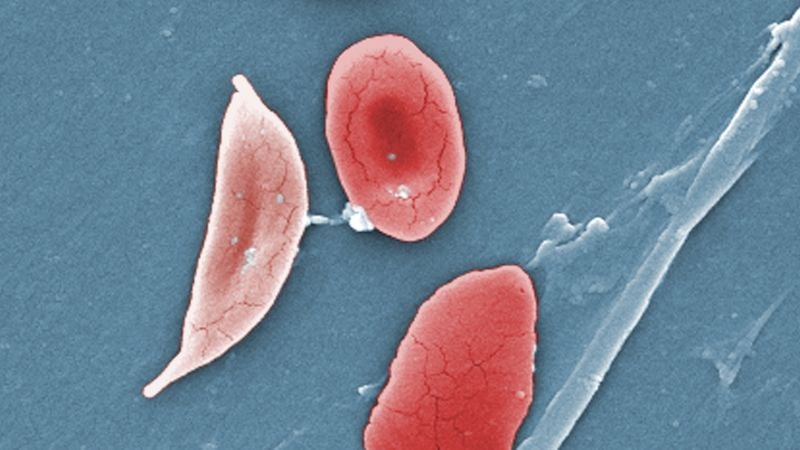
The FDA has approved two groundbreaking cell-based gene therapies, Casgevy and Lyfgenia, for treating sickle cell disease (SCD), with Casgevy being the first FDA-cleared clinical use of CRISPR-Cas9 gene editing for any condition. SCD, which disproportionately affects those with African ancestry, has long been underfunded in research and treatment. While these therapies offer hope, concerns about their high costs and accessibility remain, especially for those not enrolled in Medicaid. The ethical use of CRISPR in these therapies differs from more controversial applications, and the focus should now be on making these treatments more affordable and accessible to patients worldwide.
The FDA has approved Florida's plan to import prescription drugs from Canada, which is expected to lower medication costs. This marks a significant policy shift in the U.S. and aligns with bipartisan efforts to reduce drug prices. The program, backed by both President Biden and former President Trump, will be authorized for two years, with Florida required to test and relabel the drugs to meet U.S. standards. Canadian health providers have expressed concerns over the feasibility due to their own supply challenges. The pharmaceutical industry warns of potential risks to public health, and legal challenges are anticipated.
MDMA, commonly known as ecstasy, is on the brink of potential FDA approval for therapeutic use in treating PTSD, with backers like Cody Shandraw of Ambria Capital predicting exponential growth in the therapy's availability upon approval. With the drug's "breakthrough therapy" status and a new-drug application already submitted, the focus is on preparing clinical infrastructure for widespread use. Shandraw's firm, along with others, has invested heavily in the development of psychedelic therapies, anticipating a surge similar to the expansion seen with ketamine treatment for depression. Approval could also pave the way for insurance coverage and treatments for veterans, with MDMA therapy possibly becoming a leading example for other psychedelic treatments in development.
The FDA has approved a new gene-editing treatment called Casgevy for sickle cell disease, which uses CRISPR technology to edit DNA in adult stem cells. This treatment works by turning off an inhibitor of fetal hemoglobin production, allowing the body to produce hemoglobin that can effectively carry oxygen, unlike the mutated form in sickle cell patients. The approval marks a significant advancement in gene therapy, offering a potential cure for sickle cell disease while adhering to ethical standards by only affecting the treated individual and not future generations.
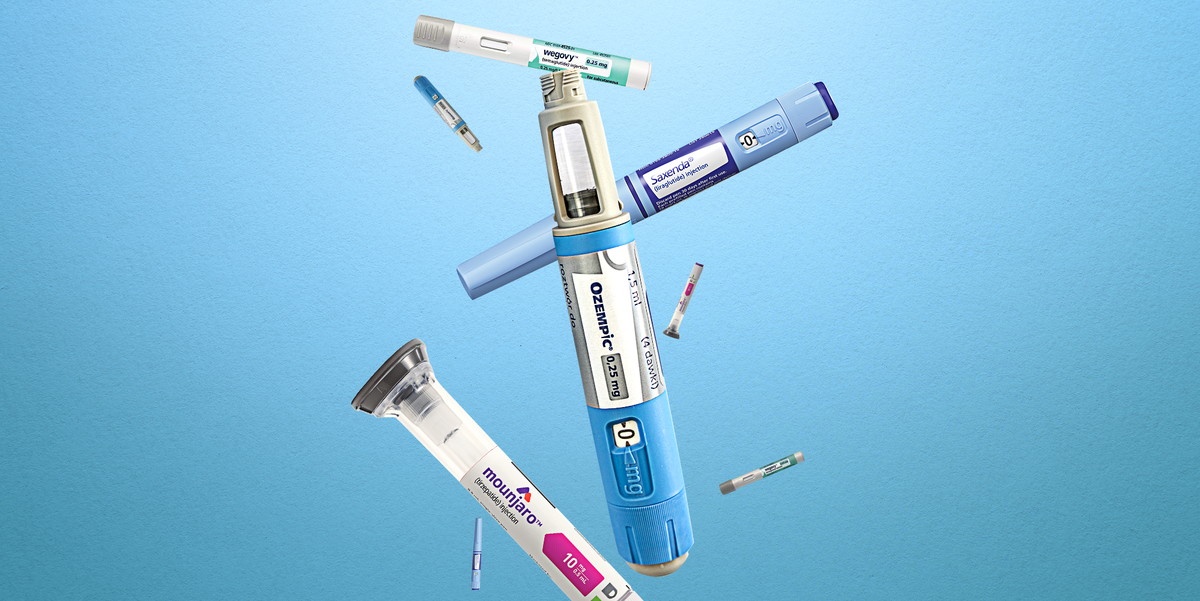
Tirzepatide and semaglutide are both FDA-approved medications for weight loss, with tirzepatide showing better results in studies. Tirzepatide, also known as Mounjaro for diabetes and Zepbound for weight loss, targets two receptors, potentially offering an advantage over semaglutide, which targets one. However, individual responses vary, and factors like side effects, cost, insurance coverage, and availability due to shortages must be considered. Consultation with a healthcare provider is essential to determine the best option for weight loss on an individual basis.
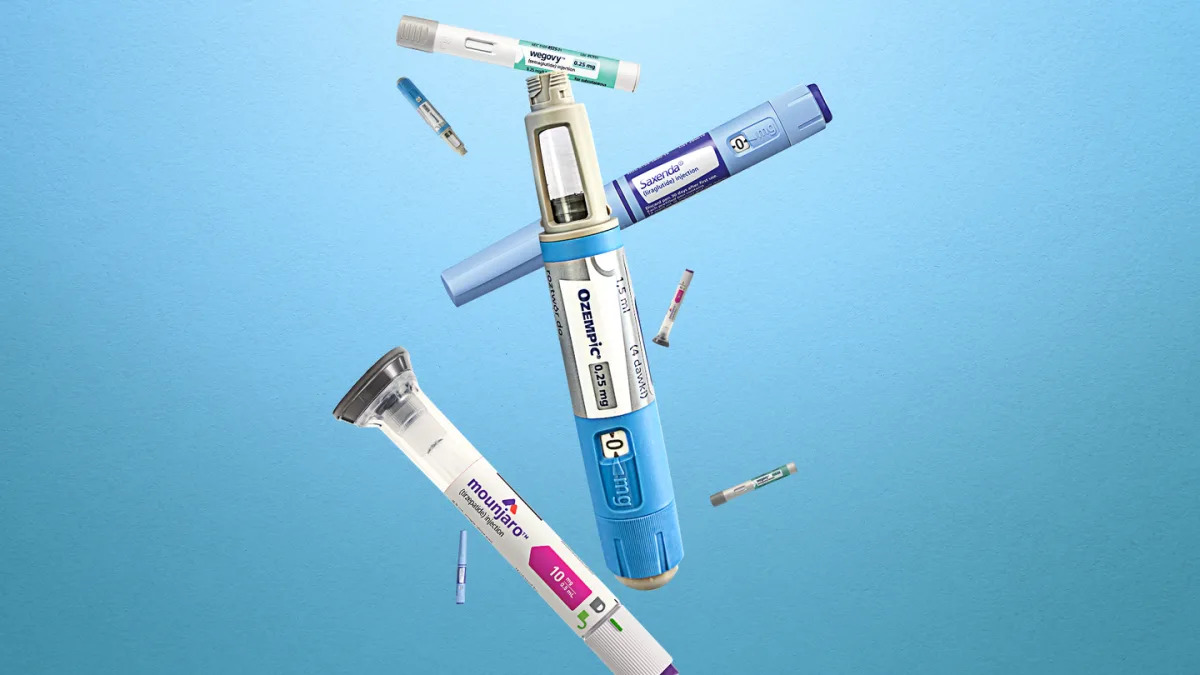
Tirzepatide, known as Mounjaro for diabetes and Zepbound for weight loss, and semaglutide, known as Ozempic for diabetes and Wegovy for weight loss, are both FDA-approved medications that aid in weight loss. Tirzepatide, which targets two receptors, has shown better weight loss results in studies compared to semaglutide, but individual responses can vary. Factors such as side effects, insurance coverage, cost, and availability due to shortages must be considered before choosing a medication. Consultation with a healthcare provider is essential to determine the most suitable option for weight loss treatment.