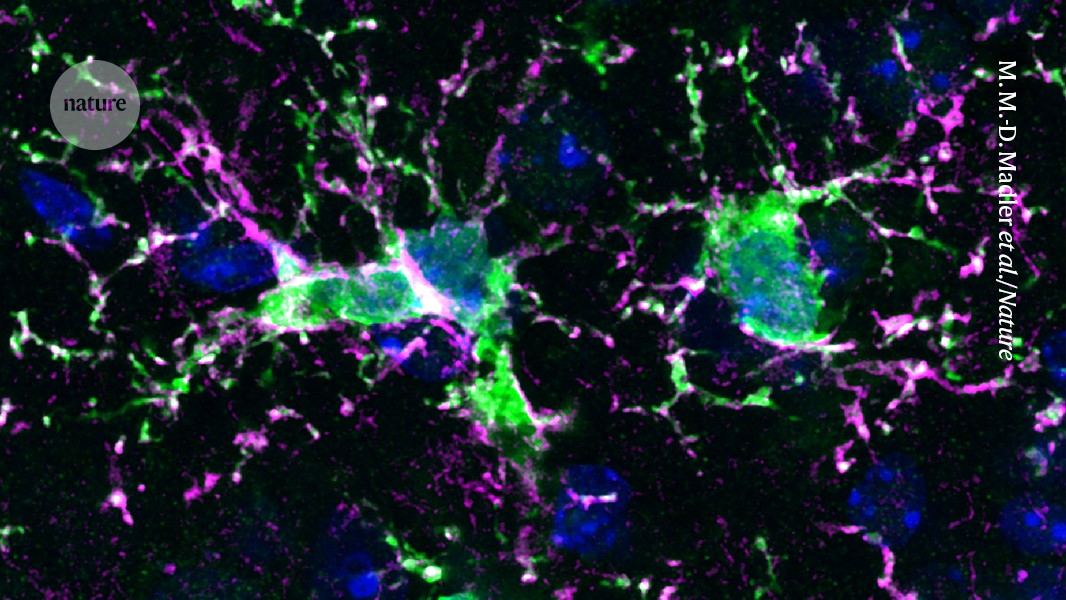
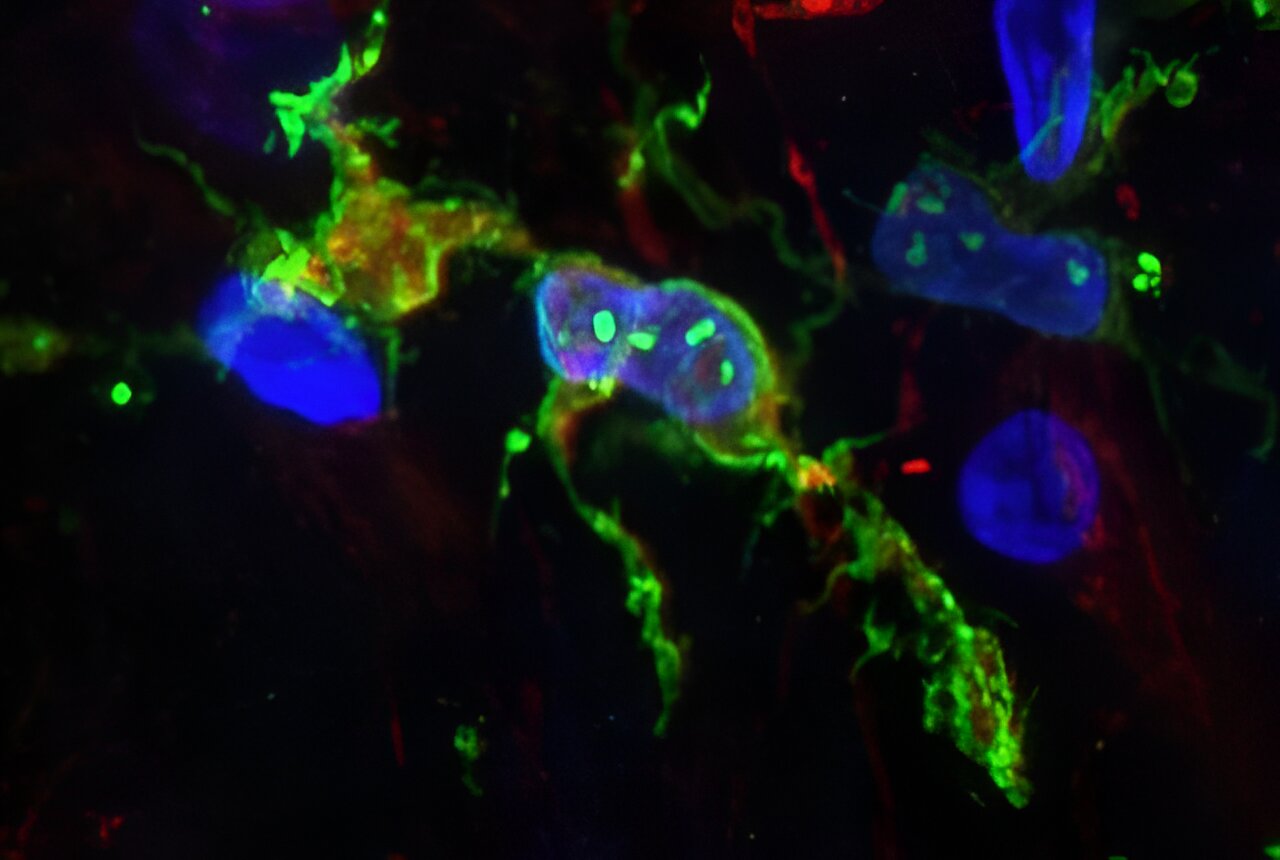
Replacing old microglia with new ones in the brain could offer new treatments for neurological diseases like Alzheimer's and rare genetic disorders, but current methods involve risky procedures like chemotherapy or radiotherapy, limiting their use to severe conditions.
A new study has found that immune cells in the brains of individuals with Alzheimer's disease behave differently than those in healthy brains. The researchers analyzed the gene activity of microglia, a type of immune cell in the brain, and discovered that populations of microglia in Alzheimer's brains exhibited different characteristics and behaviors compared to those in non-Alzheimer's brains. Some microglia populations in Alzheimer's brains appeared to be in a pre-inflammatory state and had impaired housecleaning abilities, while there were fewer protective cells that promote healthy aging. The findings suggest that altering the behavior of these immune cells could potentially be a treatment strategy for Alzheimer's disease.