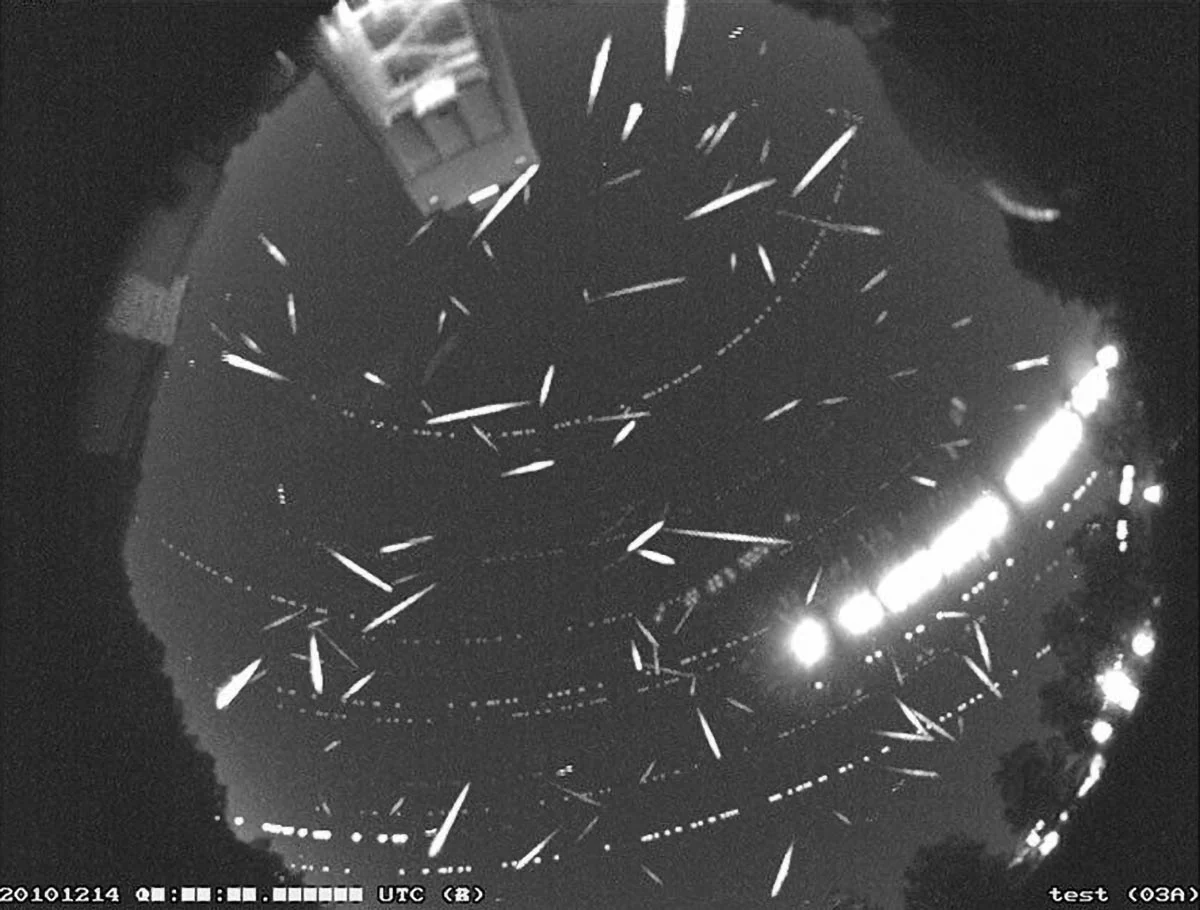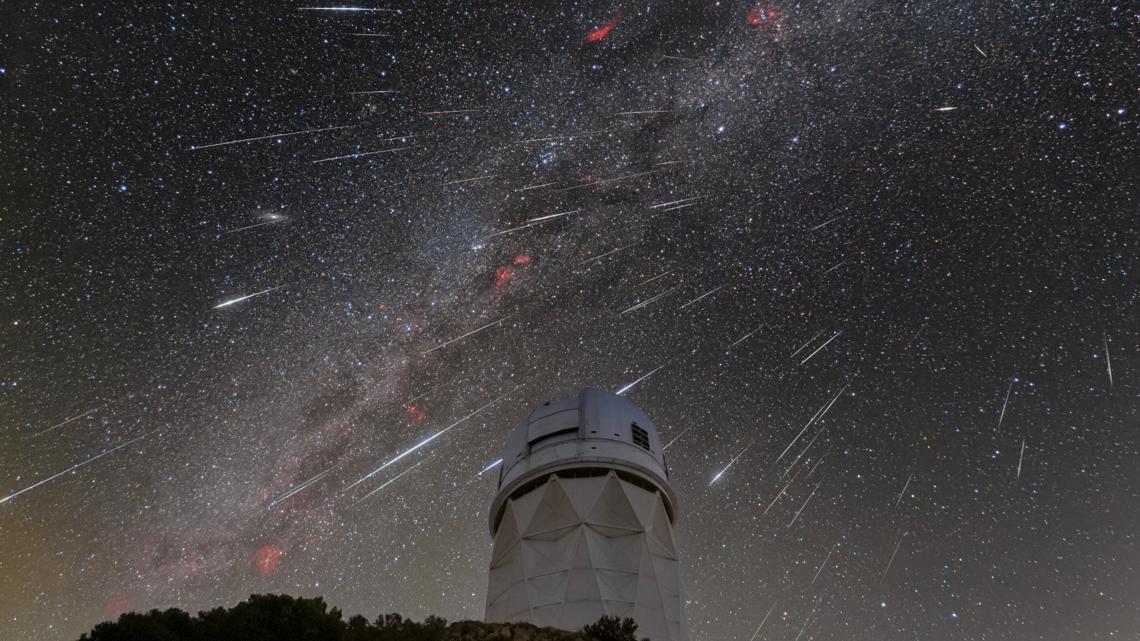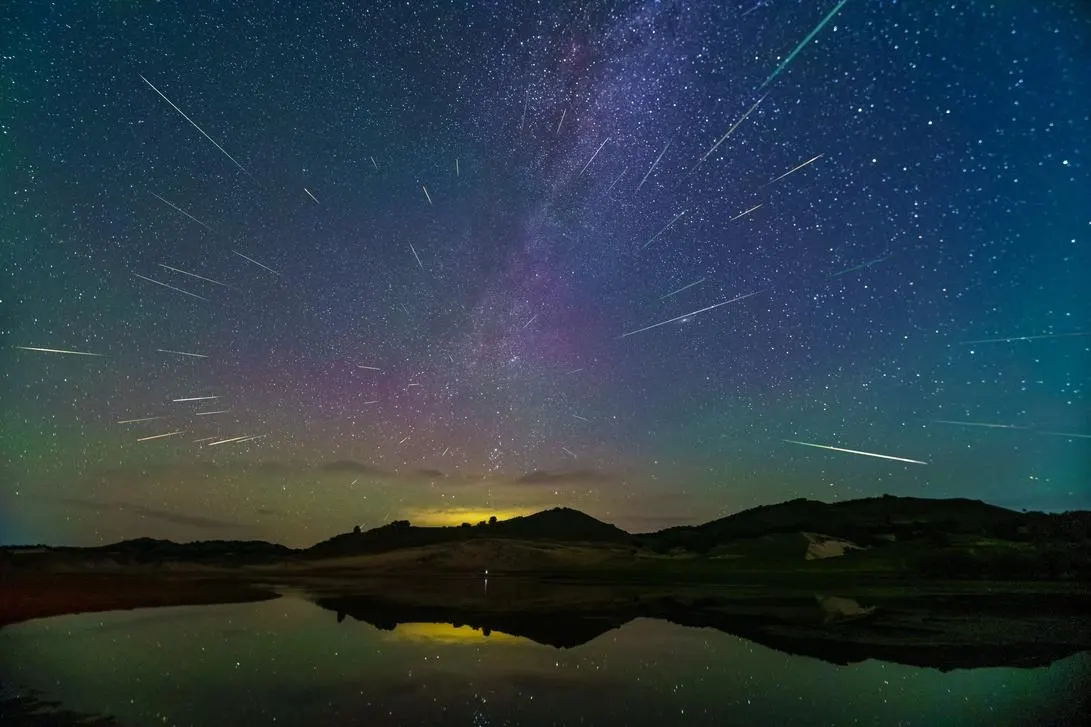
The upcoming Perseid meteor shower will be significantly affected by a near-full moon, reducing visibility of shooting stars to about 12-18 per hour, instead of the usual 50-75, making it less spectacular than usual. In contrast, the Geminids meteor shower in December is expected to be much brighter and more impressive, with minimal moon interference.
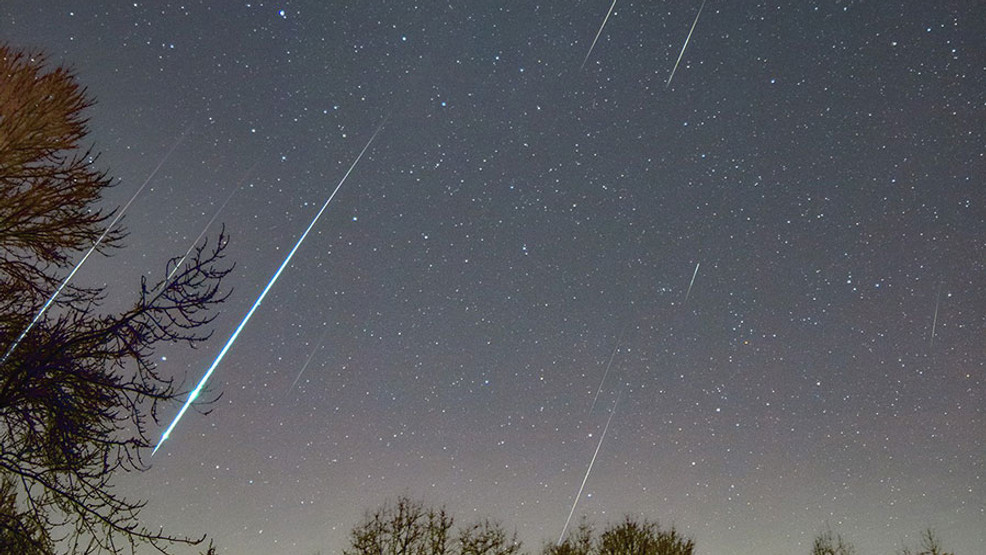
The Geminid meteor shower, considered one of the best annual meteor showers, peaks on the night of December 13-14, with potential viewing rates of 30-40 meteors per hour under ideal conditions. However, this year's nearly full moon and possible cloud cover may reduce visibility to 10-20 meteors per hour. The Geminids originate from the asteroid 3200 Phaethon, and unlike most meteor showers caused by comets, they are known for their bright, slow-moving meteors. Optimal viewing occurs in dark, clear skies, with the radiant point near the star Castor in Gemini.
The Geminids meteor shower, peaking on December 13-14, 2024, is known for its bright and fast meteors originating from asteroid 3200 Phaethon, making it unique among meteor showers. Despite a bright waxing gibbous moon reducing visibility to about 15 meteors per hour, the Geminids remain a highlight of the year. The shower is one of the few that could theoretically produce meteorites on the ground, though none have been found yet. Viewing is best after 9 PM, with peak rates around 2 AM.
The Geminids meteor shower, one of the year's most impressive, will peak on December 13, 2024, but cloudy weather in central Indiana may hinder viewing. The best opportunities to see the meteors will be on the nights of December 11 and 12, when skies are expected to clear. For optimal viewing, find locations with minimal light pollution, such as areas south of I-70 or the Middle Fork River Preserve Forest in Illinois. The meteors will appear to originate from the constellation Gemini, visible in the northeastern sky.
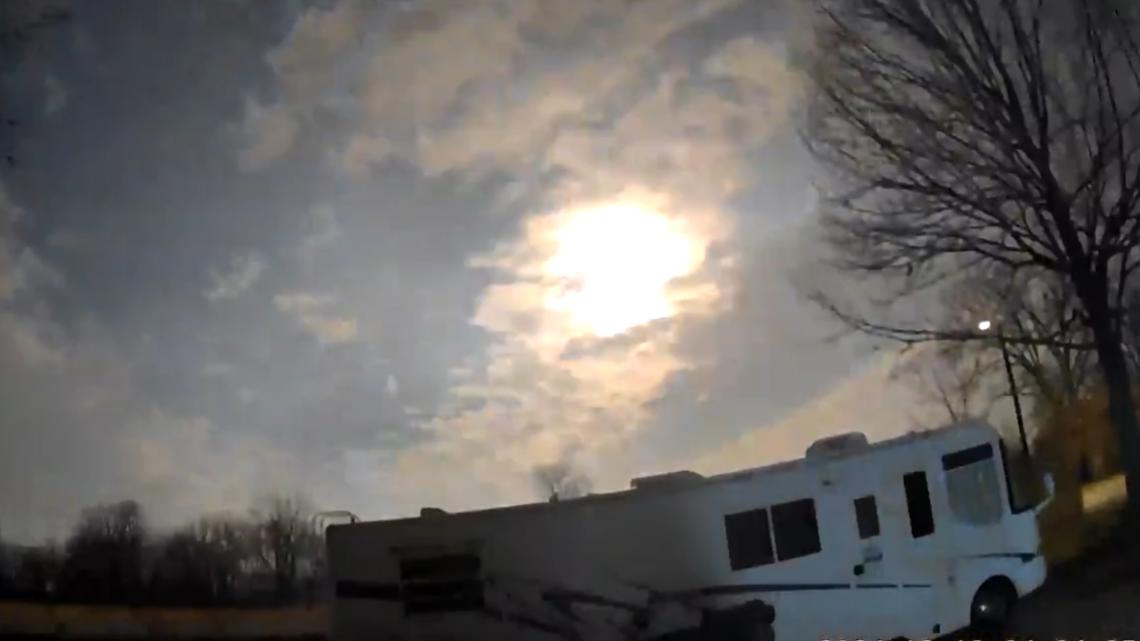
A loud boom and bright flash seen across central Indiana early Tuesday morning were likely caused by a meteor from the annual Geminids meteor shower. This celestial event, known for its bright displays, is expected to peak on December 13, with up to 120 meteors visible per hour under clear skies. Residents who witnessed the phenomenon are encouraged to report it to the American Meteor Society.
Residents across Southern California, Nevada, and Arizona witnessed a green fireball in the sky, initially sparking speculation about a decommissioned SpaceX satellite or the Geminid meteor shower. NASA clarified that the phenomenon was caused by debris from the 3200 Phaethon asteroid, with peak activity expected in mid-December. Witnesses described the object as a large, bright, comet-like presence with a long green tail, and some managed to capture the event on camera. The Geminid meteor shower is an ongoing celestial event that can be observed throughout much of December.
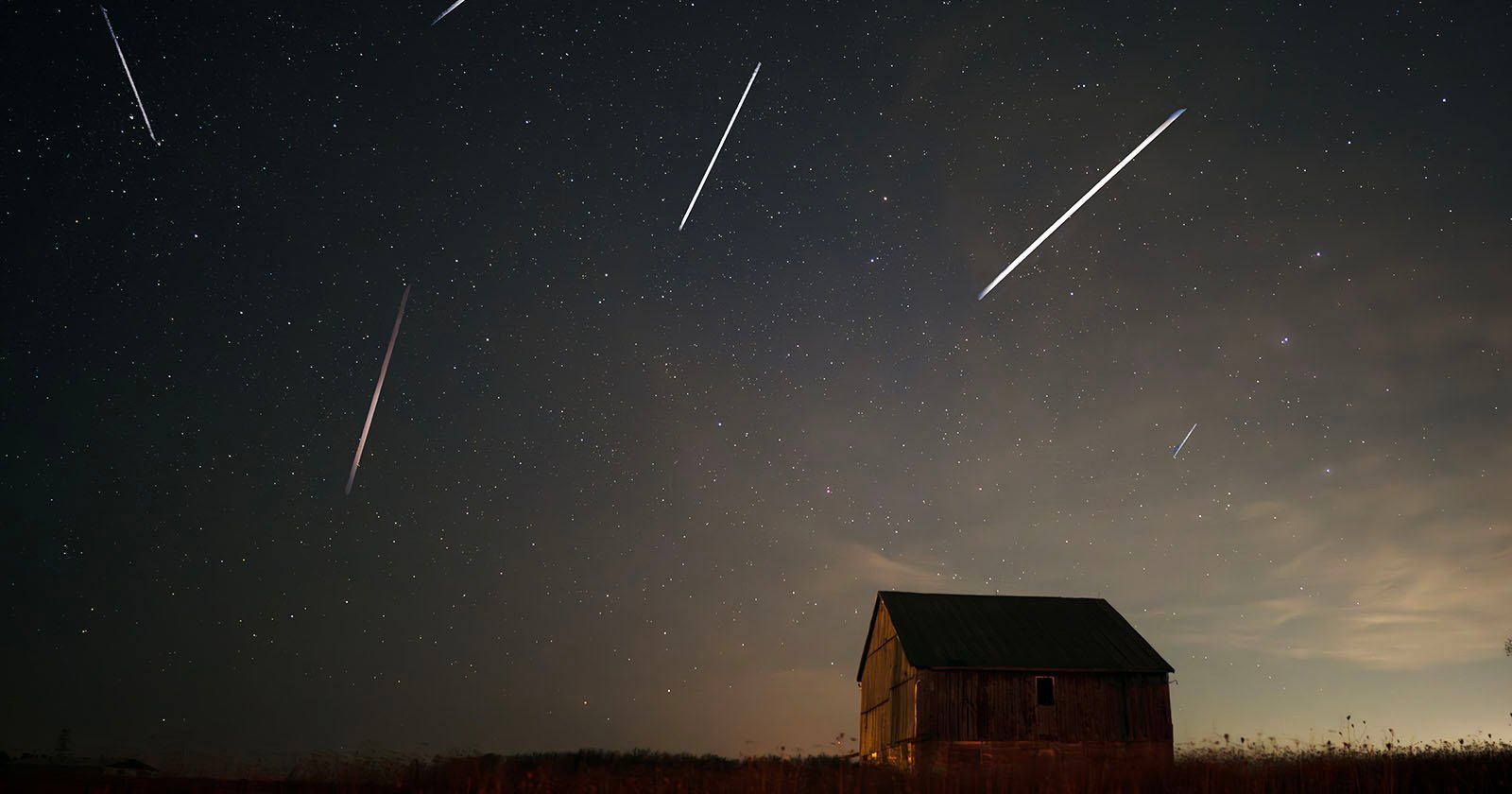
Photographer Raghuvamsh Chavali captured a stunning composite image of the Geminid meteor shower in Orangeville, Canada. Using a Sony a7 III camera with a Tamron 24mm lens, Chavali took nearly 600 photos to create the final image. The Geminids, which originate from the 3200 Phaethon asteroid, will continue until December 26, but tonight is the last opportunity to witness a strong showing until 2025. Photographers looking to capture meteor showers should find a clear, dark sky and use long exposures with a stable camera setup.
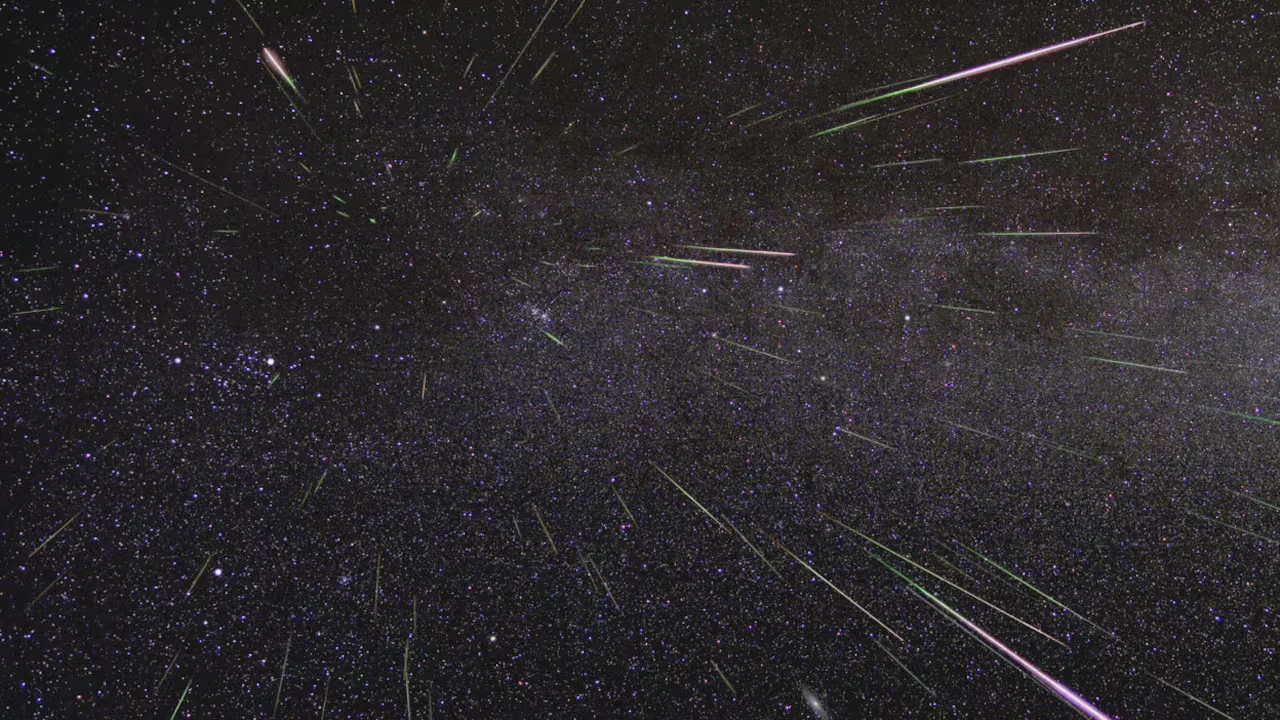
The Geminids meteor shower, known for its vibrant streaks of light, will reach its peak on Thursday evening. Visible worldwide, the shower can be observed with the naked eye, provided the sky is clear and free from light pollution. The Geminids are caused by debris from the rocky asteroid 3200 Phaethon, resulting in a spectacular display of shooting stars. The colors of the meteors, including white, yellow, green, red, and blue, are influenced by the presence of metals in the debris. To view the shower, simply look up at the sky, preferably towards the Gemini constellation, and find a dark, open space away from city lights. The peak in the UK is expected around 19:30 GMT on December 14th, but the shower will continue for a few days.
The Geminids meteor shower, the year's best, will peak this week, offering skygazers the chance to see up to one or two meteors streaking across the sky every minute. The meteors will reach their peak on Thursday, but Wednesday night will also provide a cosmic spectacle. With a new moon this week, prime viewing conditions are expected worldwide, especially in areas with clear skies and minimal light pollution. NASA advises observers to look everywhere in the sky as meteors do not come from a specific direction. The Geminids, known for their greenish hue, originate from the sun-orbiting asteroid 3200 Phaethon, and when Earth passes through these fragments, they create a stunning display.
The Geminids meteor shower, one of the most reliable and best meteor showers on the calendar, will reach its peak on the night of December 13th into the morning of December 14th. Viewers in northern latitudes can start observing the shower in the evening after sunset, while those in the Southern Hemisphere can expect the action to begin after midnight. With rates potentially reaching up to 150 meteors per hour, it is recommended to find a dark sky area away from artificial light sources for the best viewing experience. Binoculars or telescopes are not necessary, and the shower can be seen all over the sky.
Halley's Comet, discovered by Edmond Halley in the 18th century, will reach its furthest point from the Sun on December 9, marking the middle point in its elliptical orbit. Although it won't be visible until 2061, remnants of the comet can be seen in the form of the Eta Aquariids meteor shower, which occurs annually between late April and early May. Skywatchers can also look forward to the Geminids meteor shower on December 13 and 14, with exceptional viewing conditions predicted this year.
December 2023 will feature the peak nights of the Geminids and Ursids meteor showers, adding a festive touch to the end of the year. The Geminids, known for their dependability and abundance, will reach peak rates on the night of December 13, with optimal viewing conditions due to a 1% moon. The Ursids, a lesser-known shower, will also peak on the night of December 21, coinciding with the winter solstice. Stargazers are advised to find a location with clear, dark skies away from light pollution and to allow their eyes to adjust for optimal meteor viewing.
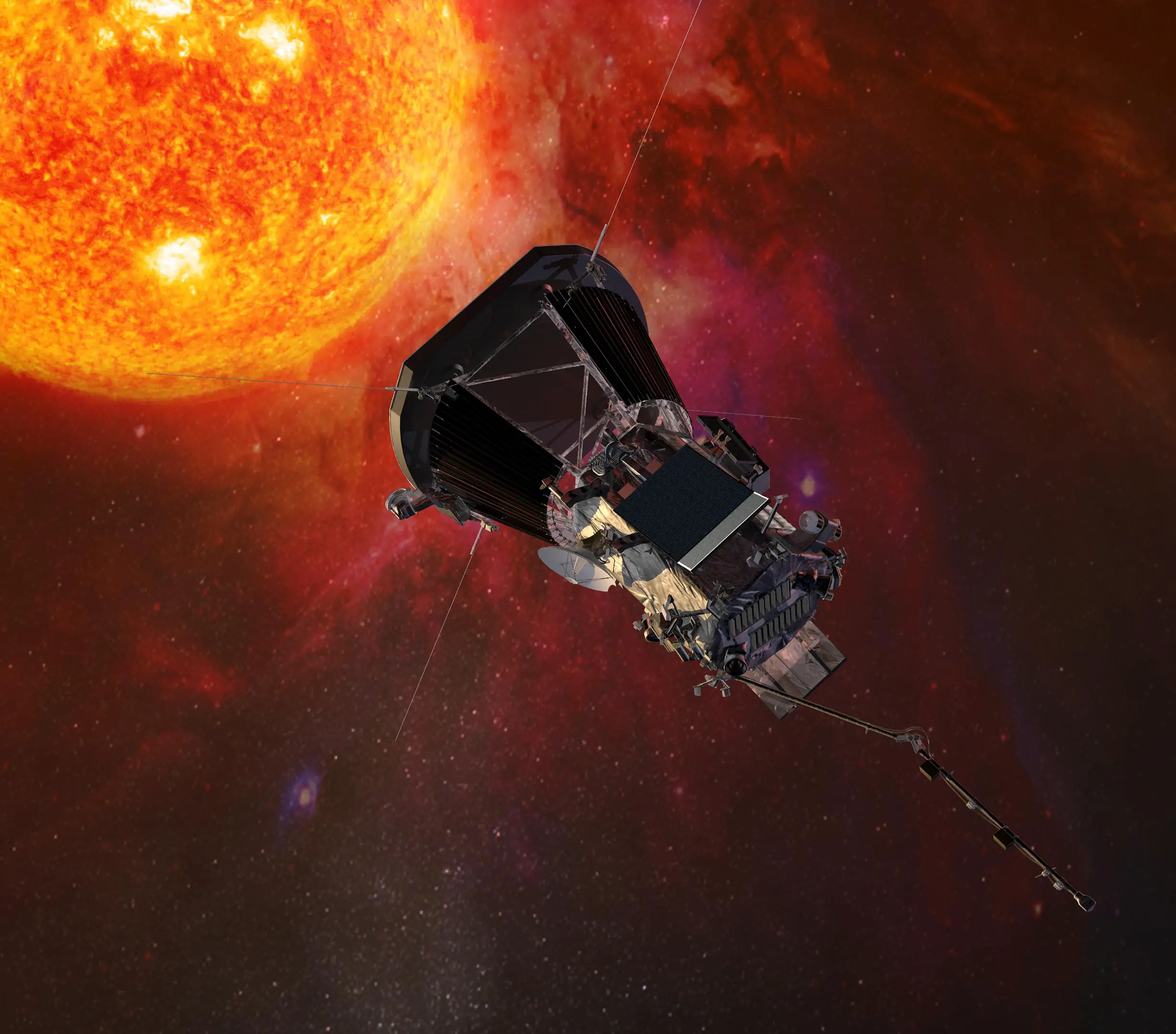
Researchers at Princeton University have used data from NASA's Parker Solar Probe to deduce that a violent, catastrophic event, such as a high-speed collision or a gaseous explosion, likely created the Geminids meteoroid stream, which unusually originates from an asteroid rather than a comet. The Geminids meteoroids light up the sky as they race past Earth each winter, producing one of the most intense meteor showers in our night sky. The findings deepen our understanding of the composition and history of asteroids and narrow down hypotheses about this asteroid's composition and history that would explain its unconventional behavior.