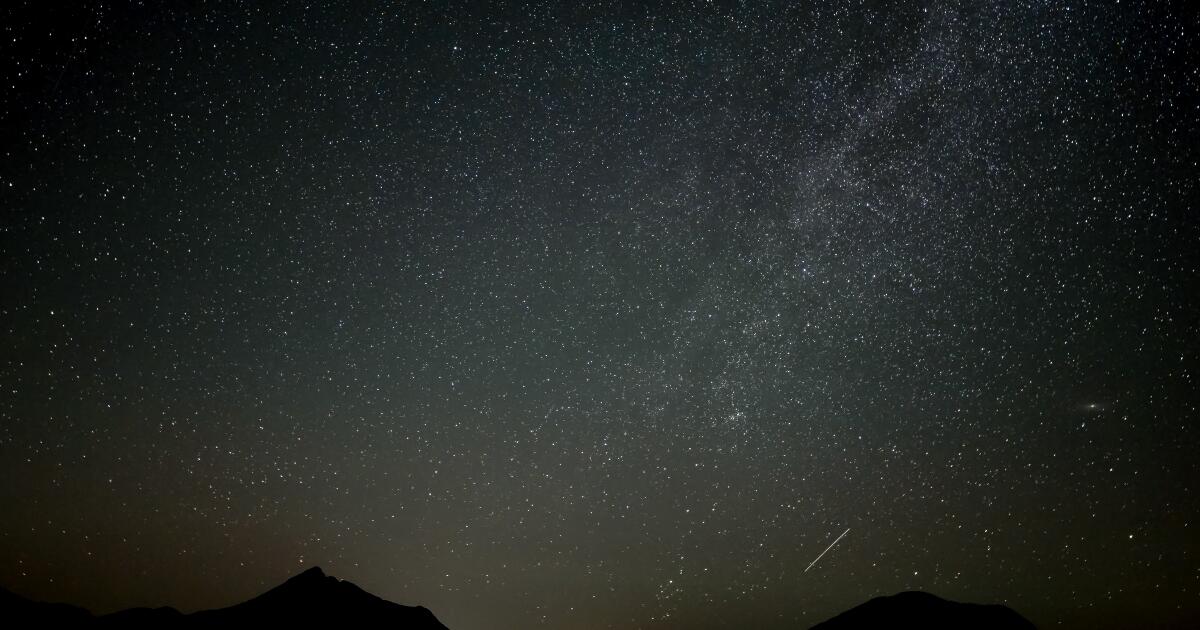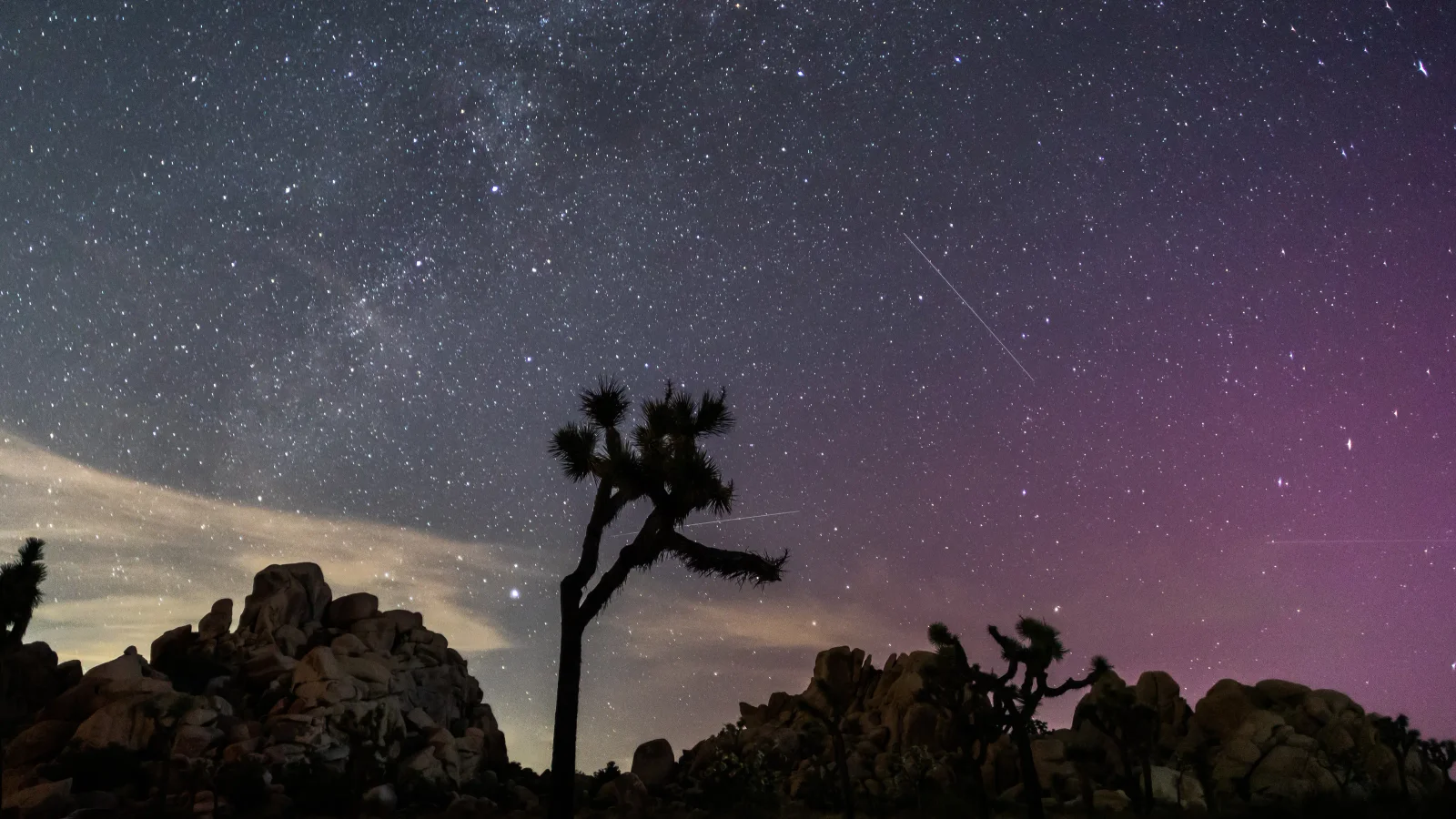
The Perseid meteor shower, considered the best of the year with up to 100 meteors per hour, is peaking around August 12-13, but viewing may be hampered by an almost full moon and cloud cover, making only the brightest meteors visible. Tips for viewing include finding dark, high-altitude locations and minimizing light pollution. The meteors originate from comet Swift-Tuttle and are named after the constellation Perseus.
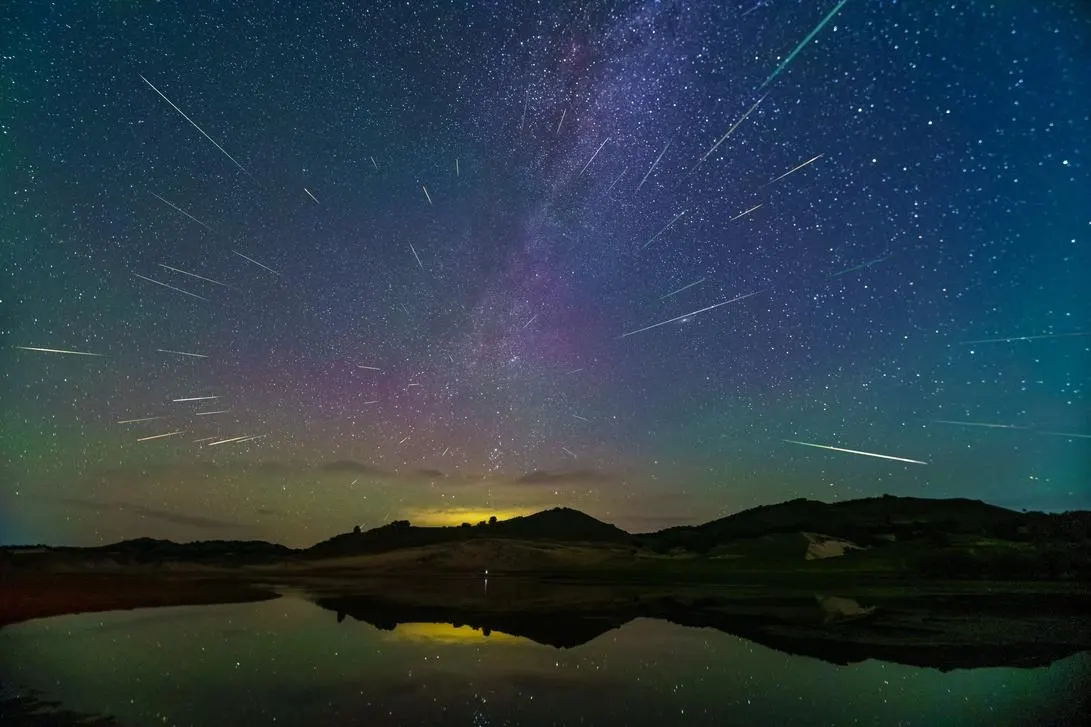
The upcoming Perseid meteor shower will be significantly affected by a near-full moon, reducing visibility of shooting stars to about 12-18 per hour, instead of the usual 50-75, making it less spectacular than usual. In contrast, the Geminids meteor shower in December is expected to be much brighter and more impressive, with minimal moon interference.
The Perseid meteor shower in 2025 will peak on August 11-12, but the bright, 92% full moon will significantly reduce visibility, especially for fainter meteors. Despite this, enthusiasts are advised to find dark, open areas away from city lights for the best chance to see the fireballs and brighter meteors, with good viewing prospects expected in 2026.