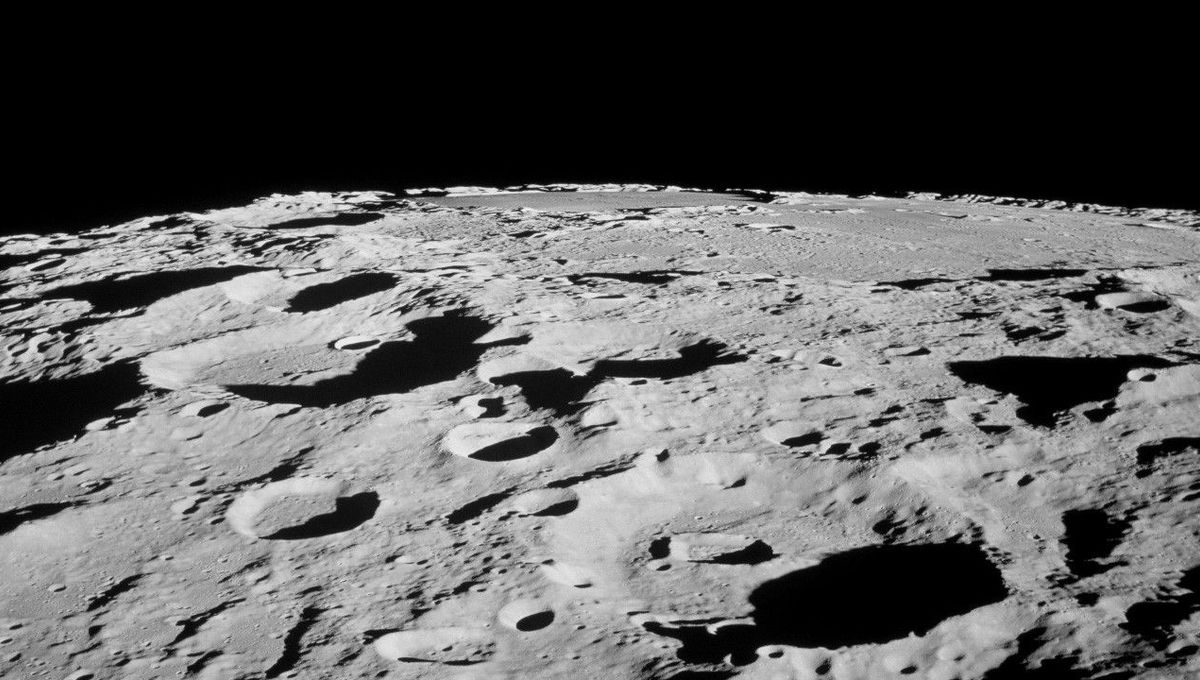
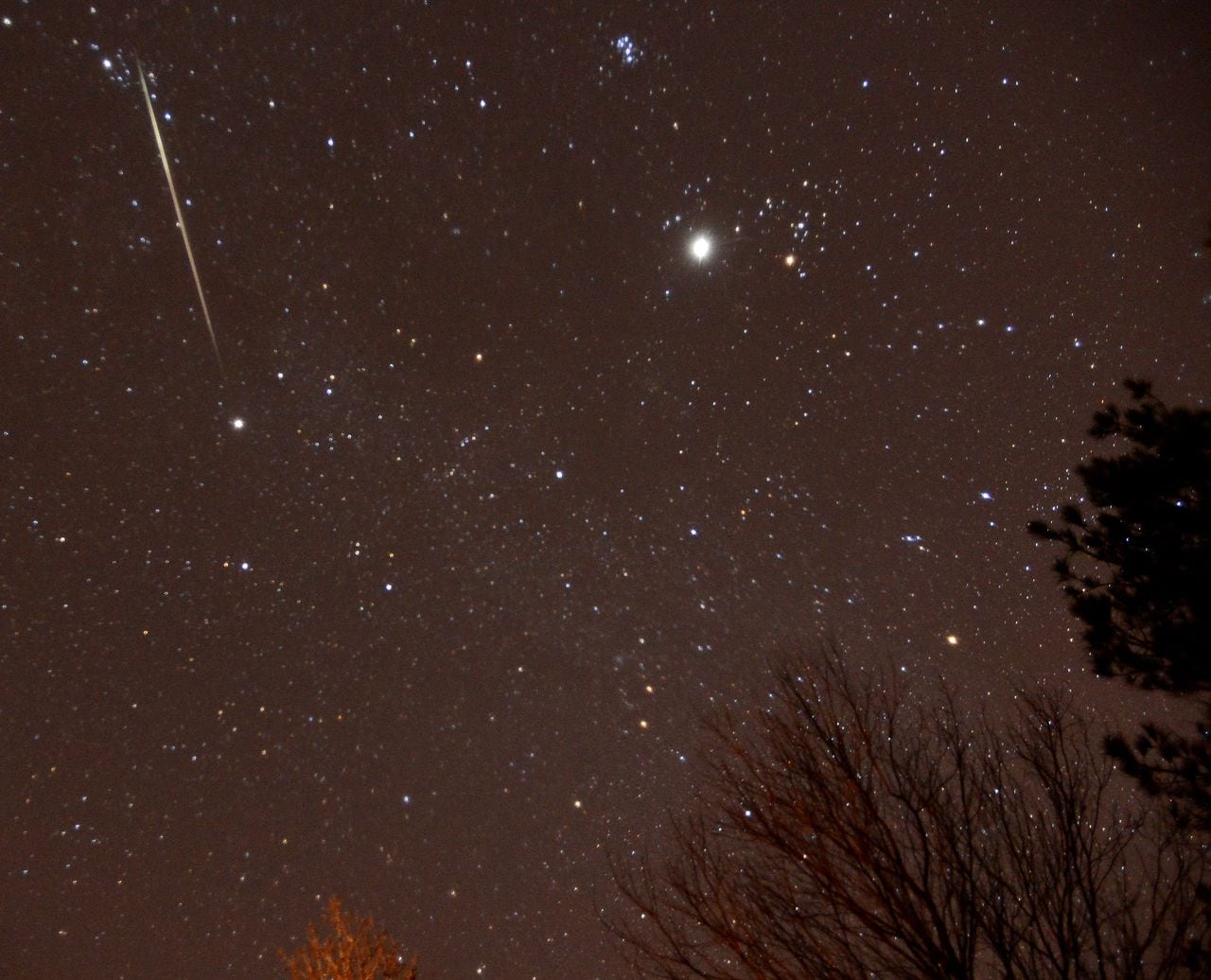
Astronomers in Ireland detected a rare, brief flash on the Moon caused by a small object, possibly linked to the Geminid meteor shower and asteroid 3200 Phaethon, highlighting ongoing lunar impacts during meteor showers.
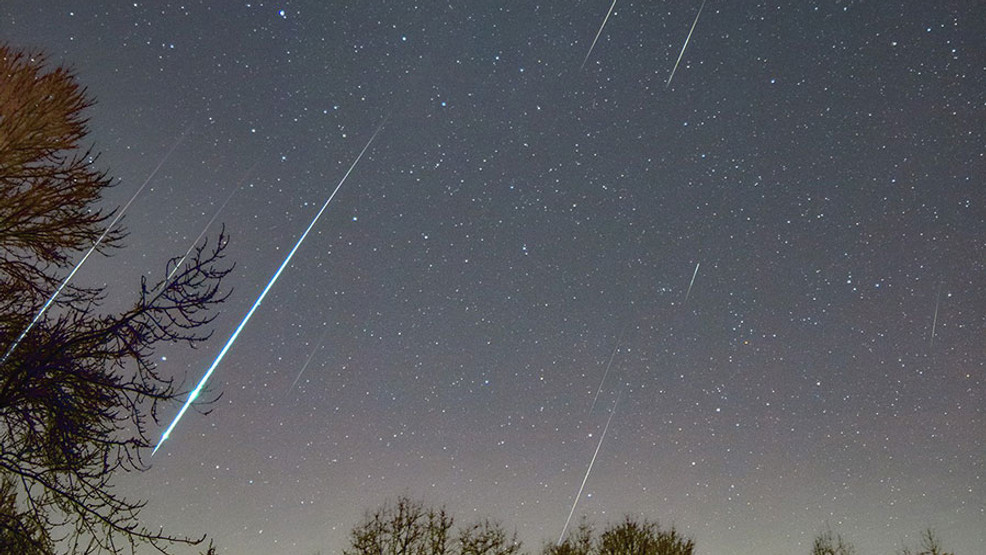
The Geminid meteor shower, considered one of the best annual meteor showers, peaks on the night of December 13-14, with potential viewing rates of 30-40 meteors per hour under ideal conditions. However, this year's nearly full moon and possible cloud cover may reduce visibility to 10-20 meteors per hour. The Geminids originate from the asteroid 3200 Phaethon, and unlike most meteor showers caused by comets, they are known for their bright, slow-moving meteors. Optimal viewing occurs in dark, clear skies, with the radiant point near the star Castor in Gemini.
The Geminid meteor shower, one of the brightest and most reliable meteor showers, peaks on December 13, 2024. For those unable to view it in person, astronomer Gianluca Masi will host a free livestream via the Virtual Telescope Project, starting at 6:00 p.m. EST. Despite a near-full moon potentially obscuring fainter meteors, viewers can expect around 15 meteors per hour. The Geminids are unique as they originate from asteroid 3200 Phaethon, rather than a comet. The livestream will be available on Space.com and the Virtual Telescope Project's platforms.
The Geminids meteor shower, peaking on December 13-14, 2024, is known for its bright and fast meteors originating from asteroid 3200 Phaethon, making it unique among meteor showers. Despite a bright waxing gibbous moon reducing visibility to about 15 meteors per hour, the Geminids remain a highlight of the year. The shower is one of the few that could theoretically produce meteorites on the ground, though none have been found yet. Viewing is best after 9 PM, with peak rates around 2 AM.
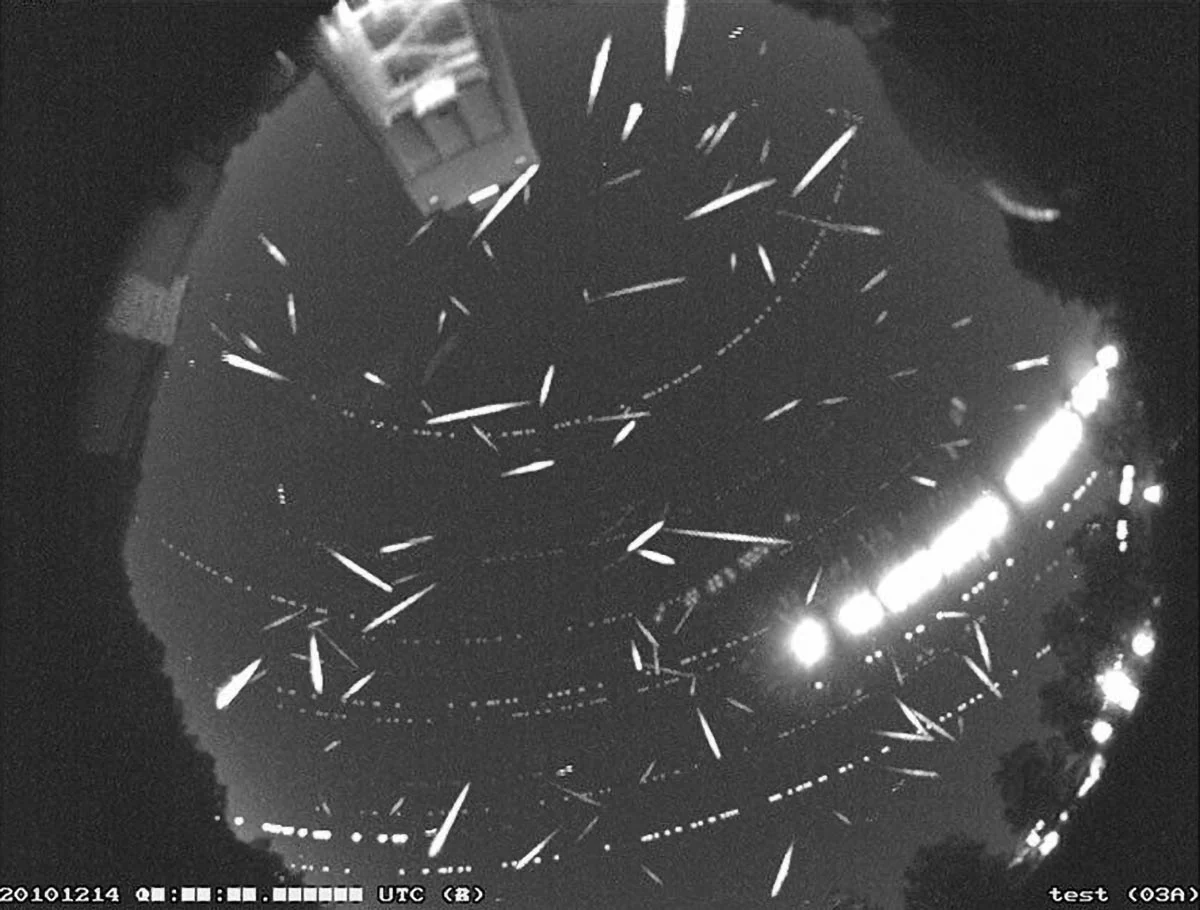
The Geminid meteor shower, one of the most prolific annual meteor showers, peaks on December 13-14, 2023, offering up to 120 meteors per hour under ideal conditions. However, this year's viewing may be affected by a nearly full moon, which could wash out fainter meteors. The shower is caused by debris from the asteroid 3200 Phaethon, and meteors will appear to radiate from the constellation Gemini. Despite the moonlight, brighter meteors should still be visible, and the shower remains active until December 24.
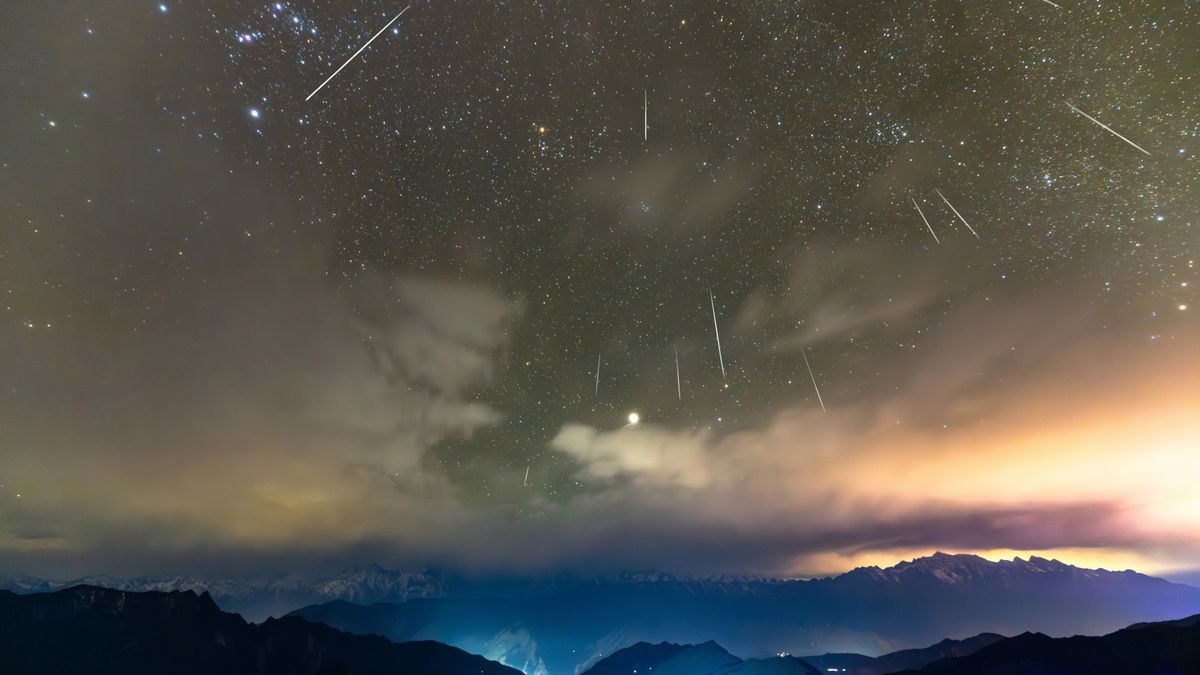
The Geminid meteor shower, peaking on December 13-14, 2024, may be harder to view due to a nearly full moon, prompting NASA to suggest watching earlier. Bright meteors can still be seen the week before the peak. The Geminids, originating from asteroid 3200 Phaethon, are best viewed away from city lights, with viewers advised to block out the moon and allow their eyes to adjust to the dark. The shower can produce up to 120 meteors per hour under ideal conditions.
The Geminid Meteor Shower, known for its bright and numerous meteors, will peak on December 13 and 14, 2024. Originating from the asteroid 3200 Phaethon, the Geminids are visible annually from November 19 to December 24, with the best viewing time around 2 am local time. Despite a near-full moon, up to 120 meteors per hour can be seen, especially from the Northern Hemisphere. Observers are advised to find dark locations away from city lights and allow time for their eyes to adjust to the darkness.
The Geminid meteor shower is set to reach its peak during the early morning hours of December 14, with up to 120 meteors per hour possible. This year's timing is ideal for viewing as the new moon will prevent moonlight from obscuring the meteors. The Geminids are unique as they originate from the trail of an asteroid called 3200 Phaethon. To observe the shower, find a dark location and allow your eyes to adjust for at least 30 minutes. The radiant point will be at its highest point in the sky around 2 a.m., but meteors can be visible throughout the sky.
The Geminid meteor shower is set to reach its peak during the early morning hours of December 14, with up to 120 meteors per hour possible. This year's timing is ideal for viewing as the new moon will prevent moonlight from obscuring the meteors. The Geminids are unique as they originate from the trail of an asteroid called 3200 Phaethon. To observe the shower, find a dark location and allow your eyes to adjust for at least 30 minutes. The radiant point will be at its highest point in the sky around 2 a.m., but meteors can be visible throughout the sky.
The Geminids meteor shower, known for being the strongest and most reliable meteor shower of the year, is currently active and will reach its peak on the night of December 13-14. With up to 120 meteors per hour under perfect conditions, this year's shower will be enhanced by a 1 percent full moon, providing excellent stargazing opportunities. The Geminids originate from a mysterious space object called 3200 Phaethon, which has characteristics of both comets and asteroids. To maximize viewing, skywatchers should look up around 2 a.m. in a location with clear, dark skies. This meteor shower marks the end of the late-fall stargazing season, with the Ursids meteor shower following from December 13 to 24.