
JWST's Close-up of Ganymede: Unveiling Jupiter's Largest Moon
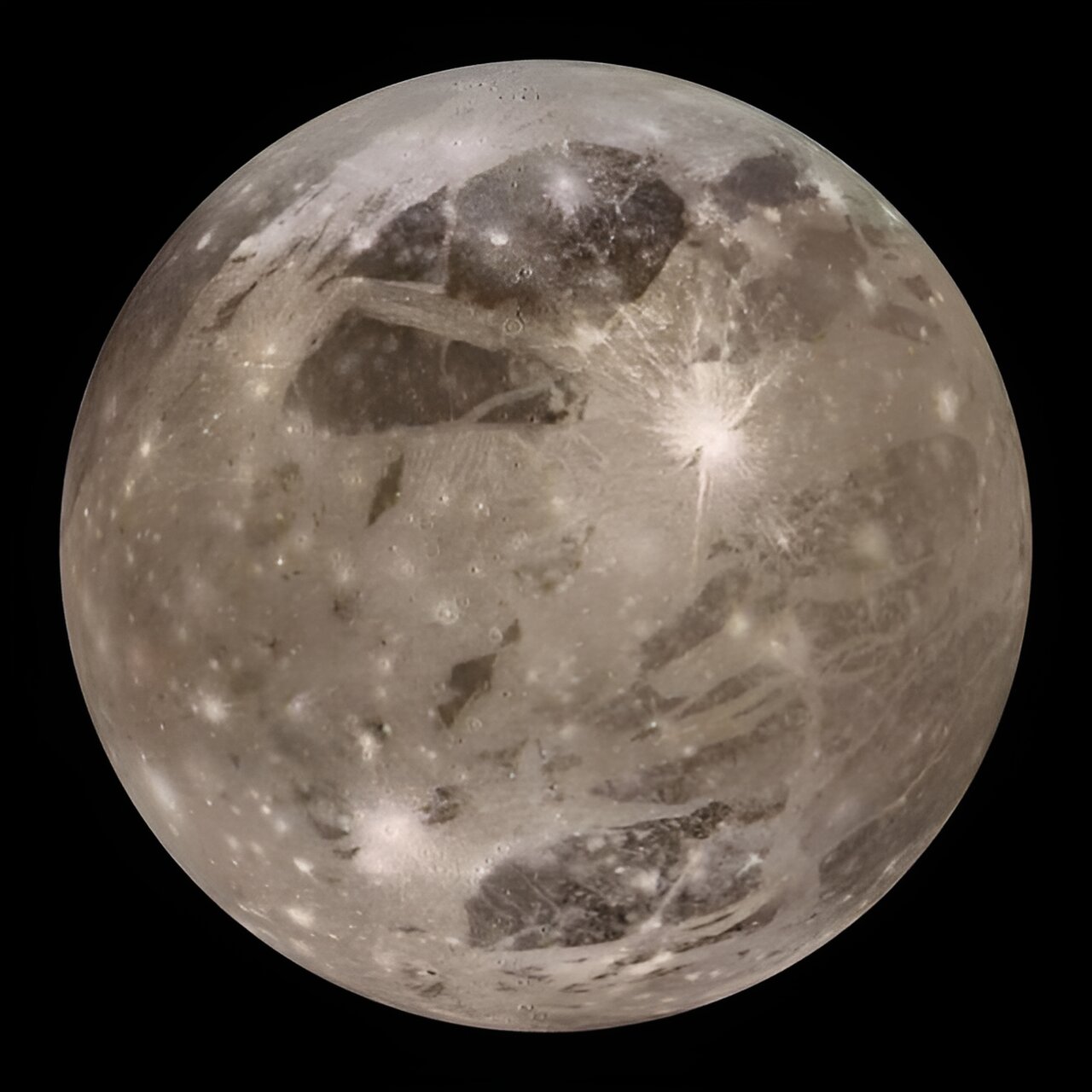
The James Webb Space Telescope (JWST) has provided detailed observations of Jupiter's moon Ganymede, revealing its complex surface composition. Ganymede, the largest moon in the solar system, has a differentiated internal structure, including a molten core, silicon mantle, and icy crust with a subsurface ocean. The JWST's observations show that Ganymede's surface is dominated by bright, icy terrains with grooves, as well as darker, highly cratered regions. The presence of CO2 trapped in other molecules and the distribution of water ice at the polar regions were also examined. These findings will inform future missions, such as the ESA's JUICE mission, which will further explore Ganymede.
Reading Insights
0
6
5 min
vs 6 min read
91%
1,197 → 105 words
Want the full story? Read the original article
Read on Phys.org