The Science journal retracted a controversial study claiming the discovery of arsenic-based bacteria in a California lake, citing that the reported experiments did not support the key conclusions, despite the authors' disagreement and the absence of misconduct.
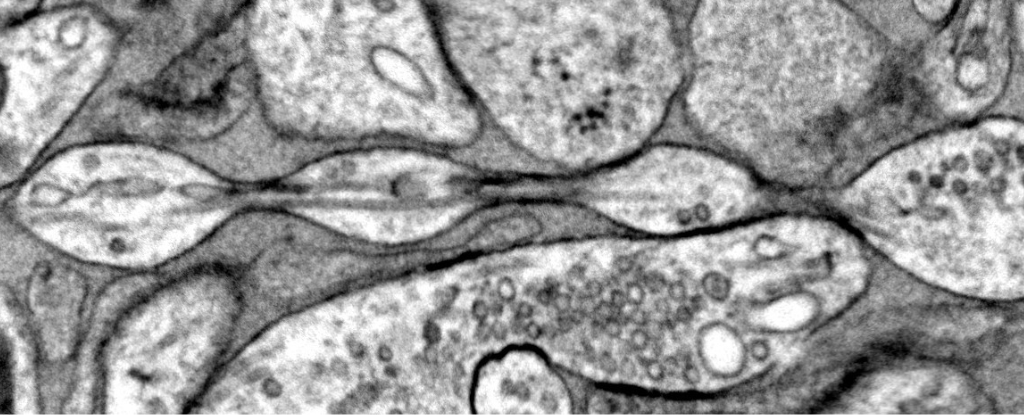
A controversial study from Johns Hopkins University suggests that axons, the main arms of neurons, are not smooth cylinders but have a 'pearling' structure, resembling a string of pearls. This challenges long-held views on neuron anatomy and could impact our understanding of brain signaling. Critics argue that these 'nanopearls' might be stress-induced artifacts from tissue culturing, but the study's authors found similar patterns in live cells. Further research is needed to confirm these findings, including studies on human neurons.
A controversial new study from the University of New South Wales suggests that the available evidence points toward an unnatural origin for the SARS-CoV-2 virus, reigniting the debate over its origins. The study uses an algorithm for risk scoring to determine the likelihood of either a natural or lab origin, concluding that the pandemic was slightly more likely to have originated in a laboratory. However, many scientists are unconvinced, criticizing the study for subjective criteria and errors in its analysis. The lab leak theory has remained contentious, with ongoing debate and investigations into the origins of the virus.
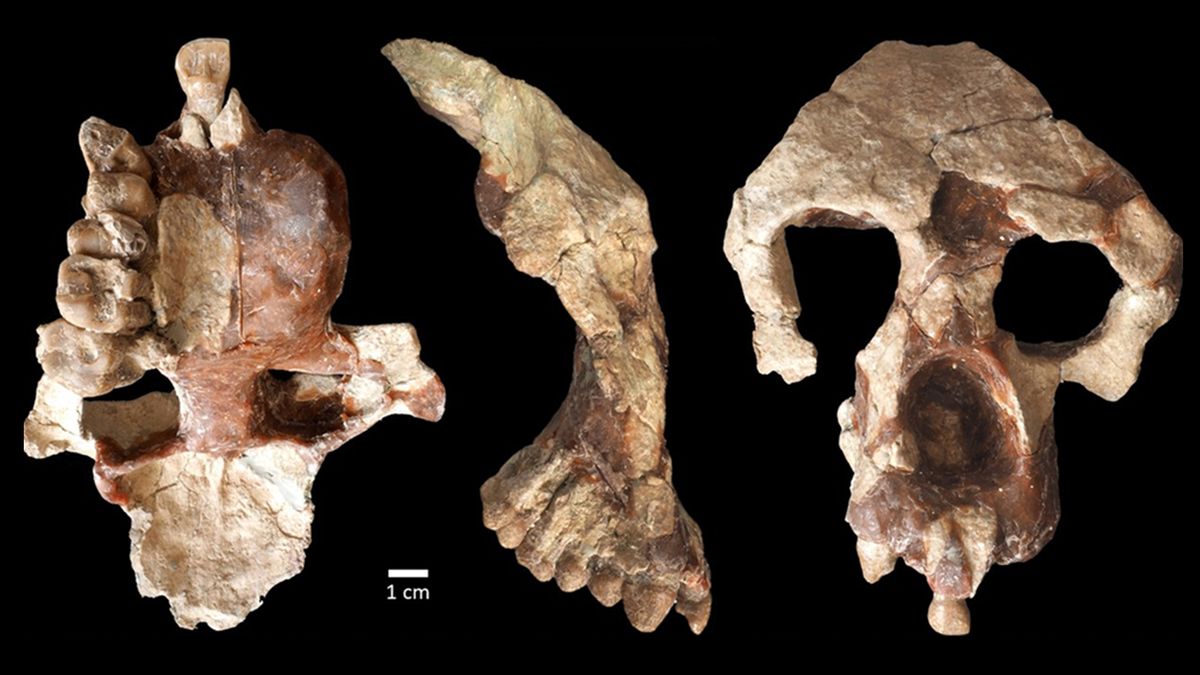
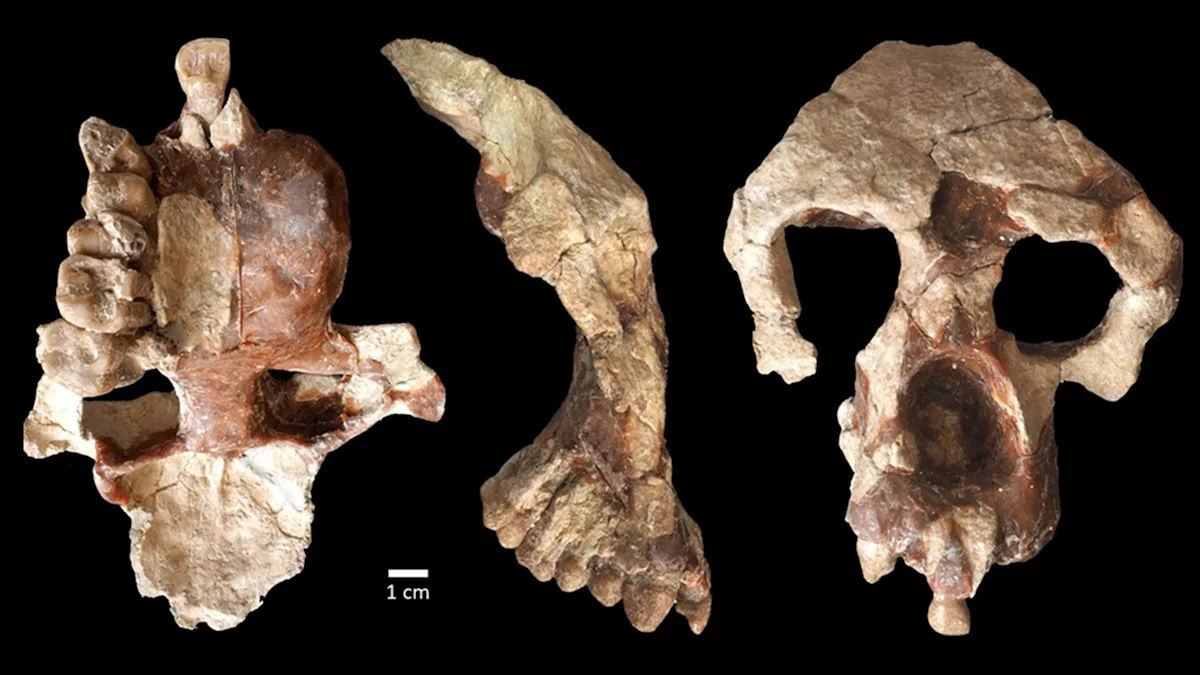
A controversial study suggests that the ancestors of African apes and humans may have first evolved in Europe before migrating to Africa. The study analyzes a newly identified ape fossil found in Turkey and proposes that hominines, the group that includes humans and African apes, originated in Europe and later dispersed into Africa. The fossil, named Anadoluvius turkae, provides insights into the ecological conditions in which our ancestors evolved. However, other experts argue that recent analyses do not support the idea that hominines originated in Europe and suggest that the European apes are more likely distant relatives of living African great apes and humans. Further research and fieldwork in Africa and Eurasia are needed to clarify this matter.
A controversial study suggests that the ancestors of African apes and humans may have first evolved in Europe before migrating to Africa. The discovery of hominine fossils in Europe and Anatolia has led some researchers to argue that hominines originated in Europe and later dispersed into Africa. The study analyzed a newly identified ape fossil from Turkey, suggesting that it lived in a dry forest similar to early humans in Africa. However, other experts argue that recent analyses do not support the idea of hominines originating in Europe. Further research in Africa and Eurasia is needed to clarify this matter.