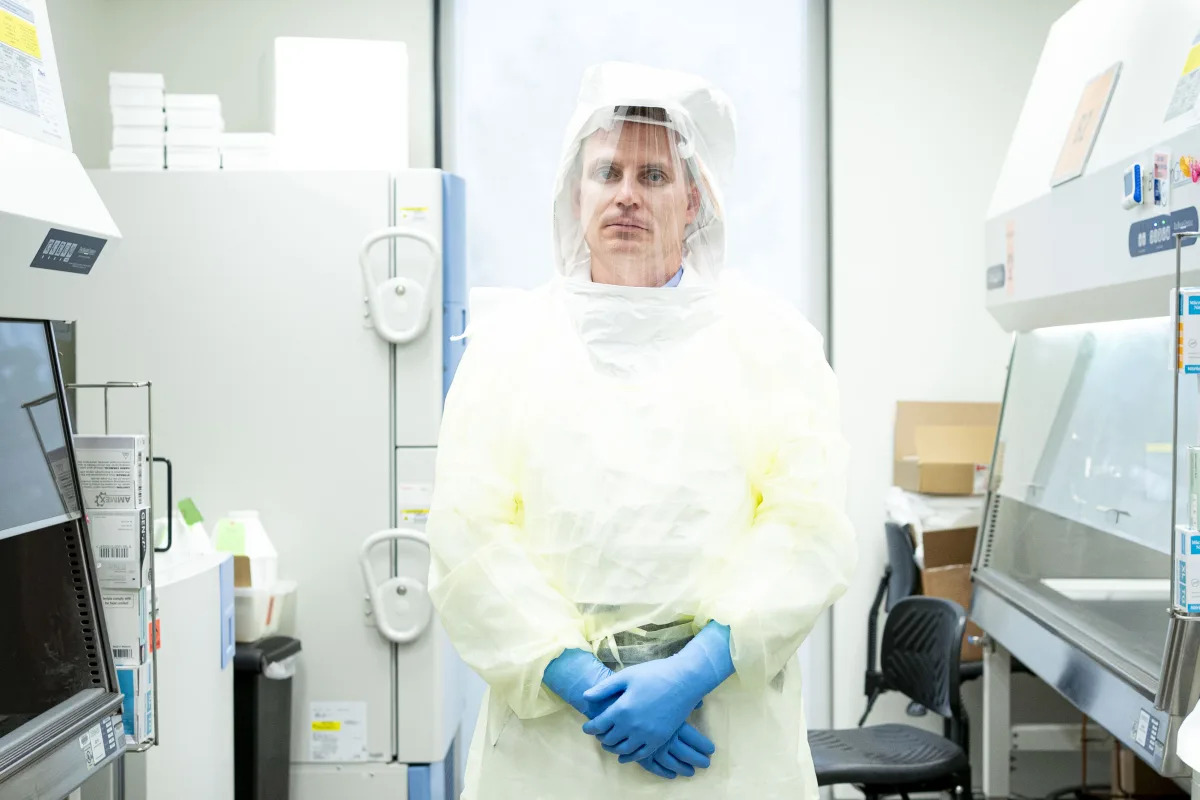
The debate over whether COVID-19 leaked from a Chinese laboratory has had a chilling effect on virology research in the United States, leading to funding cuts and a retreat from sensitive experiments. Some scientists argue that gain-of-function research, which involves genetically altering viruses to study their potential dangers, is crucial for identifying and preparing for future pandemics. However, critics argue that the risks of manipulating deadly viruses outweigh the potential benefits. The controversy has resulted in increased scrutiny and delays in the approval process for research proposals, causing some scientists to abandon certain studies altogether.
A CIA whistleblower has alleged that the agency offered officials a "significant monetary incentive" to change their positions on the origins of COVID-19, from it originating from a leak at the Wuhan lab to being "unable to determine" the origins. The whistleblower claims that six out of seven members of the CIA's COVID Discovery Team believed that the virus originated from the lab, but were given financial incentives to change their stance. Lawmakers have requested further oversight into the CIA's internal investigation into the origins of COVID-19. The intelligence community has not reached a conclusive determination on whether the pandemic originated from a lab leak or natural exposure.
A whistleblower has testified before the United States House Committee on Oversight and Accountability, alleging that the CIA offered financial incentives to six analysts to change their conclusion on the origin of COVID-19. The whistleblower, a senior-level CIA officer, claims that six out of seven members of the CIA team investigating COVID-19 origins believed the virus likely originated from a lab in Wuhan, China, but were incentivized to change their position in favor of a zoonotic origin. The committee is requesting documents and interviews to investigate any improper influence exerted by the CIA and ensure accountability from the intelligence community.
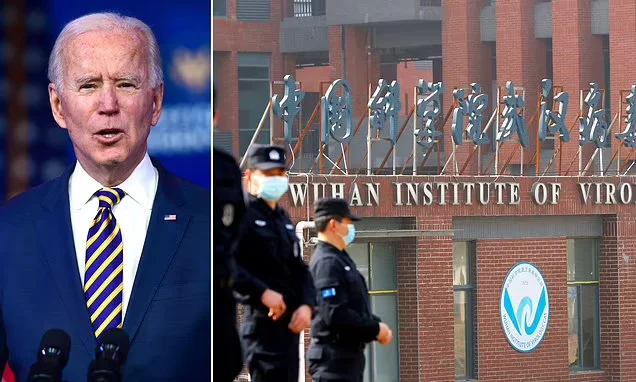
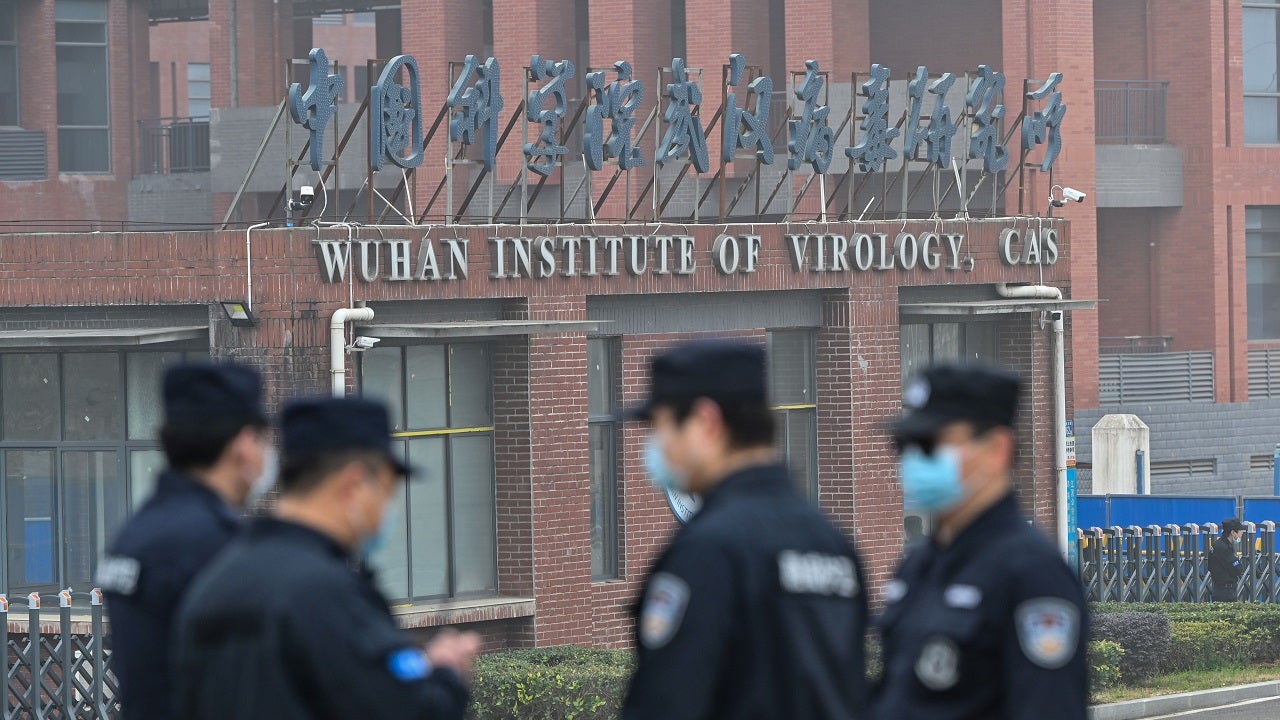
The Biden administration has halted funding to the Wuhan Institute of Virology in China, the lab at the center of the investigation into the origins of COVID-19, after it failed to provide necessary documents on safety and security measures. The lab has faced scrutiny over its research with viruses and the possibility that the virus escaped from the facility. The Biden administration's review concluded that the lab did not comply with federal regulations and should not receive federal funding. The report from the Director of National Intelligence did not provide any fresh conclusions on the lab's involvement, showing that intelligence agencies are divided on the origin of the pandemic.
Virologist Kristian Andersen, who is under investigation for allegedly misleading the public about the possibility of a lab origin of SARS-CoV-2, may have also misled the intelligence community. Andersen assured officials in a briefing organized by the State Department's intelligence analysts in early 2020 that the virus was natural, drawing from an influential letter he authored. The revelation comes amidst growing concerns that the letter aimed to suppress discussion of a lab accident as the origin of the pandemic. New evidence suggests that Andersen's briefing discouraged some officials from investigating the lab leak theory. Andersen is expected to testify before the House Oversight and Accountability Committee tomorrow.
Chinese health officials defended their search for the origin of COVID-19 and criticized the World Health Organization (WHO) for suggesting that Beijing should have shared genetic information earlier. The WHO's comments were "offensive and disrespectful," said the director of the China Center for Disease Control and Prevention. The origins of COVID-19 are still debated, with many scientists believing it jumped from animals to humans at a market in Wuhan, but the city also is home to laboratories including China's top facility for collecting viruses, prompting suggestions COVID-19 might have leaked from one.
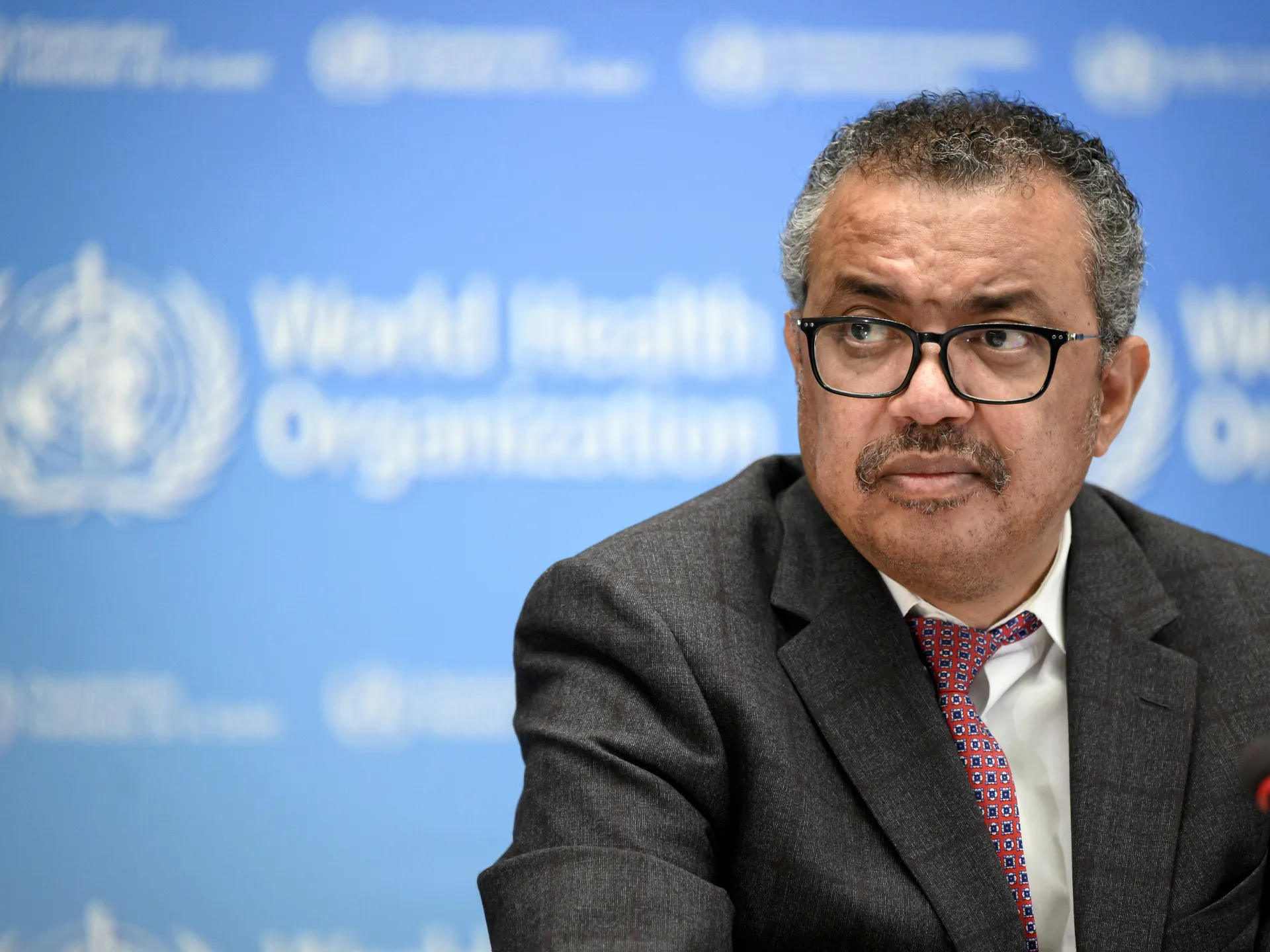
The head of the World Health Organization (WHO) has urged China to share information about the origins of COVID-19, saying all scenarios remain on the table until that happens. The virus was first identified in the Chinese city of Wuhan in December 2019, with many suspecting it spread in a live animal market before fanning out around the world. The WHO has asked China to cooperate with it to help trace the origins of the coronavirus pandemic. A new Chinese study published this week offered some "clues" on origins but no answers, according to WHO's Maria Van Kerkhove.
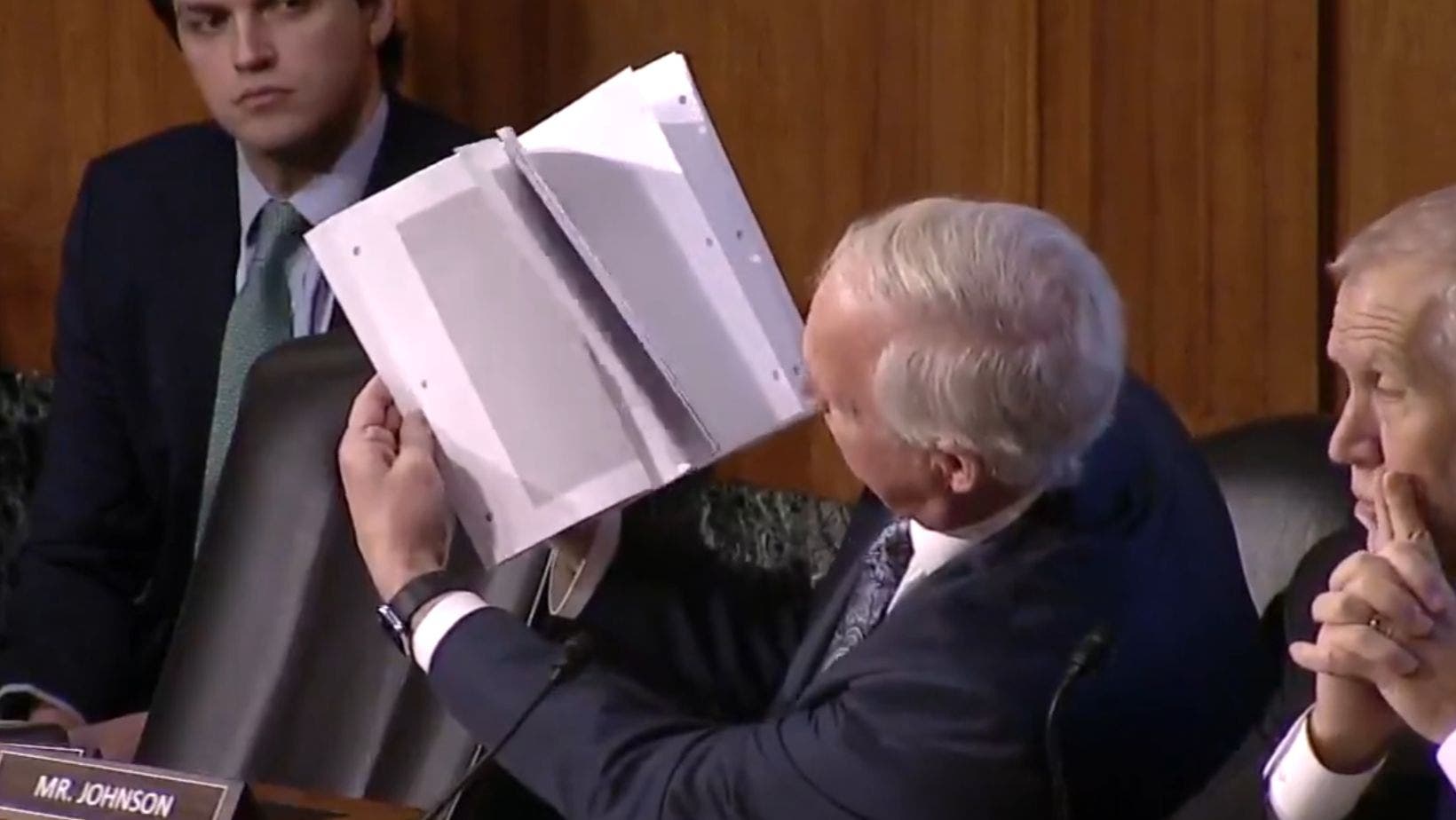
Senator Ron Johnson confronted HHS Secretary Xavier Becerra about unredacted emails from Dr. Anthony Fauci regarding the origins of COVID-19 during a Senate Finance Committee hearing. Johnson asked Becerra if an employee in his department is spearheading the investigation into COVID’s origins, to which Becerra responded that the department’s inspector general, the CDC, and the NIH are "doing a scrub." Johnson accused Becerra of not complying with the law because his agency is redacting things between agencies and organizations outside federal agencies when requested by Senate offices. Johnson asked Becerra to provide the last 50 pages of communications between Fauci, Francis Collins, and David Ferrar regarding the origins of the coronavirus.