Tag

Lawrence Livermore National Laboratory

All articles tagged with #lawrence livermore national laboratory

science11 hours ago

Lab Breakthrough Unmasks Hospital's 'Angel of Death' Years After the Murders

Forensic chemists at Lawrence Livermore National Laboratory’s Forensic Science Center developed a new method to extract Pavulon from decomposed tissue, allowing exhumed bodies to be tested and confirming six victims of Efren Saldivar, a Glendale Adventist Medical Center respiratory therapist, as having lethal Pavulon in their systems. Despite Saldivar’s confession and the lack of immediate corpus delicti, the lab’s breakthrough provided the crucial evidence, leading to charges in 2001 and a guilty plea in 2002 and highlighting the pivotal role of the so-called Lab of Last Resort in turning the case into a conviction.

environment1 year ago

Corral Fire Forces Evacuations and Road Closures as It Burns 10,000 Acres East of San Francisco

Firefighters in California have made significant progress in containing a wind-driven wildfire near Tracy, east of San Francisco, which has burned thousands of acres and destroyed one home. The fire, which started Saturday, is now 50% contained, and evacuation orders have been lifted. Two firefighters suffered minor burns, and the Lawrence Livermore National Laboratory is not under immediate threat. Major highways that were closed have reopened, and residents are advised to use boiled or bottled water temporarily. Hotter weather is expected later in the week.

environment1 year ago

Massive Corral Fire Forces Evacuations and Power Outages East of San Francisco

Firefighters in California have made significant progress in containing a wind-driven wildfire near Tracy, east of San Francisco, which has burned thousands of acres and destroyed one home. The fire, which started Saturday, led to evacuations but was 50% contained by Sunday evening. The Lawrence Livermore National Laboratory is not under immediate threat, and evacuation orders have been lifted. Two firefighters suffered minor burns, and major highways have reopened. Hotter weather is expected later in the week.

science-and-technology2 years ago

Advancements in Nuclear Deflection Simulations for Asteroid Threats

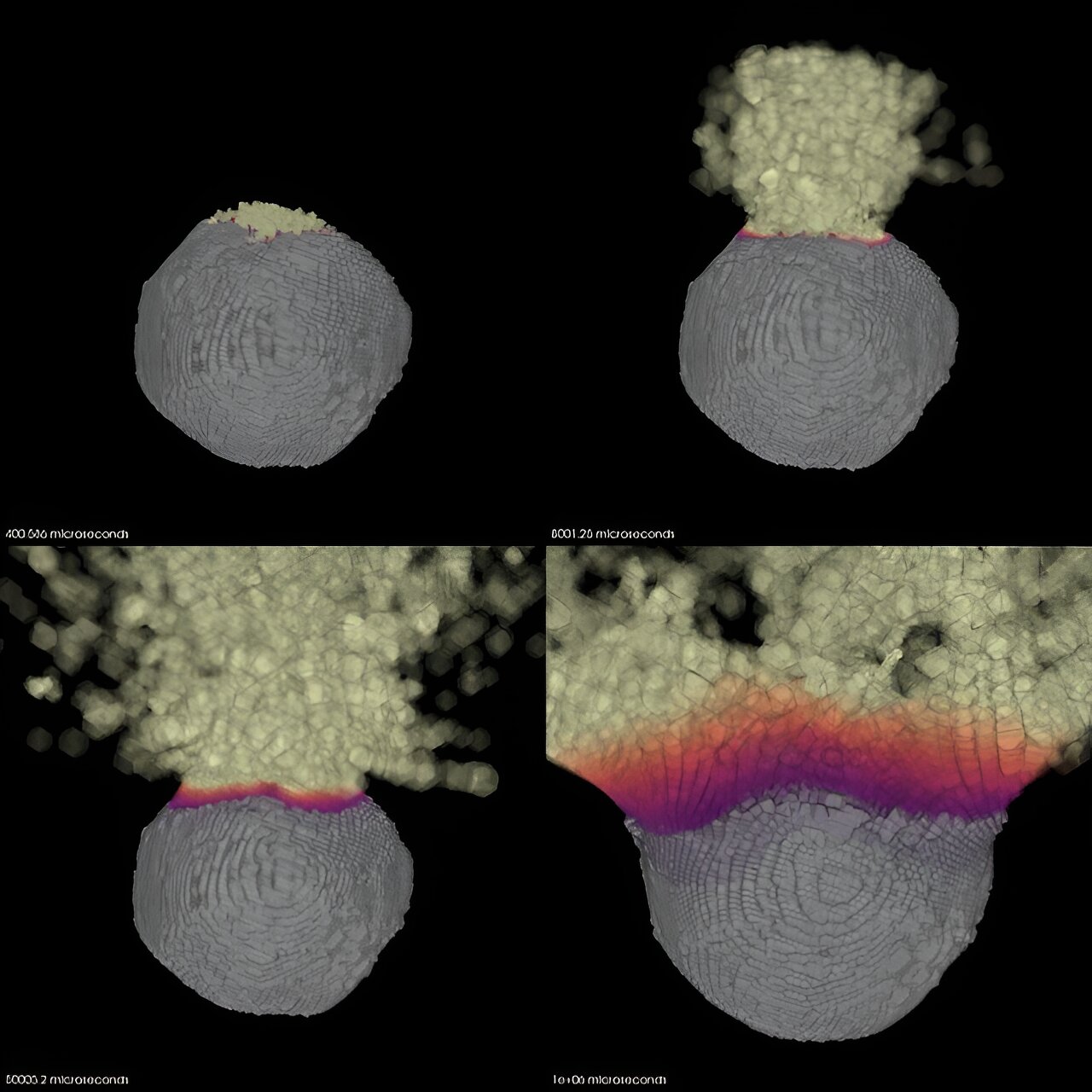
Scientists at Lawrence Livermore National Laboratory have developed a modeling tool that simulates the effects of a nuclear explosion on an asteroid. While nuking a larger asteroid would only break it into pieces, the tool explores the technique of nuclear ablation, where the blast's radiation vaporizes part of the asteroid's surface, generating an explosive thrust and a change in velocity. This could potentially be used as a deflection device to redirect or disrupt an asteroid heading towards Earth. The model considers a wide range of asteroid properties and could provide valuable insights for future planetary defense strategies.

science-and-technology2 years ago

Advancements in Nuclear Deflection Simulations Bolster Planetary Defense against Asteroid Threats

Scientists at Lawrence Livermore National Laboratory have developed a modeling tool to assess the potential use of a nuclear device for defending against catastrophic asteroid impacts. The tool simulates the energy deposition from a nuclear device on an asteroid's surface, improving our understanding of radiation interactions and shockwave dynamics. This model builds upon insights from NASA's recent Double Asteroid Redirection Test (DART) mission and explores nuclear deflection as an alternative to kinetic impact missions. Accurate predictions rely on sophisticated multiphysics simulations, and high-fidelity modeling will be critical in providing decision-makers with actionable information to prevent asteroid impacts.

science-and-technology2 years ago

Energy Department Selects 3 Laser Fusion Research Hubs, Allocates $52 Million Funding

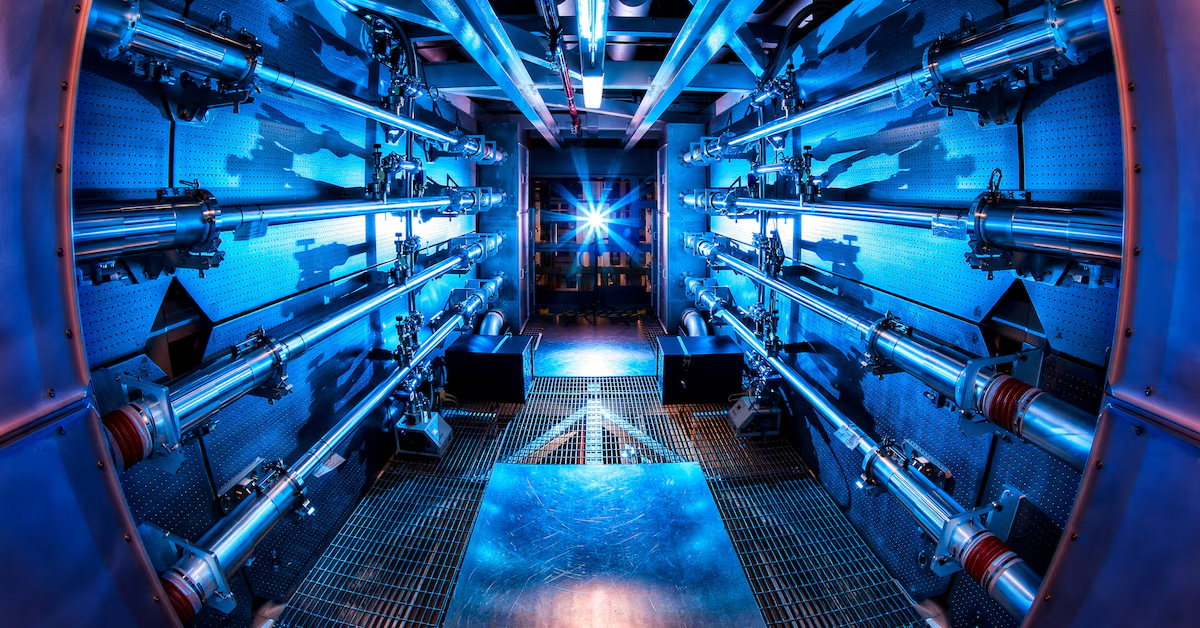
The U.S. Department of Energy has selected Lawrence Livermore National Laboratory, Colorado State University, and the University of Rochester to establish three research hubs aimed at harnessing miniature laser-driven thermonuclear explosions for future power plants. With a total funding of $42 million over four years, the research will focus on developing the underlying technologies needed for any inertial fusion system. The goal is to recreate controlled fusion on Earth, which could provide a carbon-free and abundant energy source. The research hubs will address challenges such as developing more powerful and energy-efficient lasers, manufacturing cheap hydrogen fuel targets, and exploring different laser fusion concepts.

science-and-technology2 years ago

"US Scientists Achieve Second Breakthrough in Fusion Power"

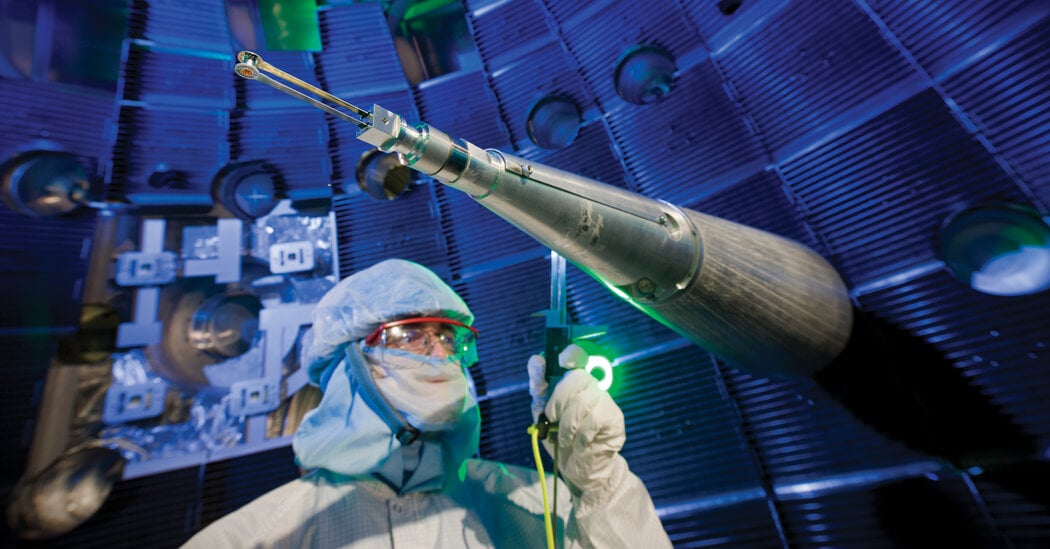
Scientists at the Lawrence Livermore National Laboratory in California have achieved net energy gain in a fusion reaction for the second time since December 2022. The breakthrough was repeated in an experiment at the National Ignition Facility on July 30, producing a higher energy yield than before. Final results are still being analyzed.

science-and-technology2 years ago

US Lab Achieves Repeat Fusion Power Breakthrough

The Lawrence Livermore National Laboratory in the US has successfully replicated its breakthrough achievement in nuclear fusion, where a controlled reaction yielded more energy than it took to produce. The lab conducted a series of tests this spring and summer, with one experiment achieving breakeven in June. They finally reached ignition again last week, bringing the world one step closer to using fusion as a clean and abundant source of energy. However, the practical application of fusion as a power source still faces significant challenges.

science2 years ago

Pressure-Driven Ionization Explored in Experiments and Laser Demonstrations

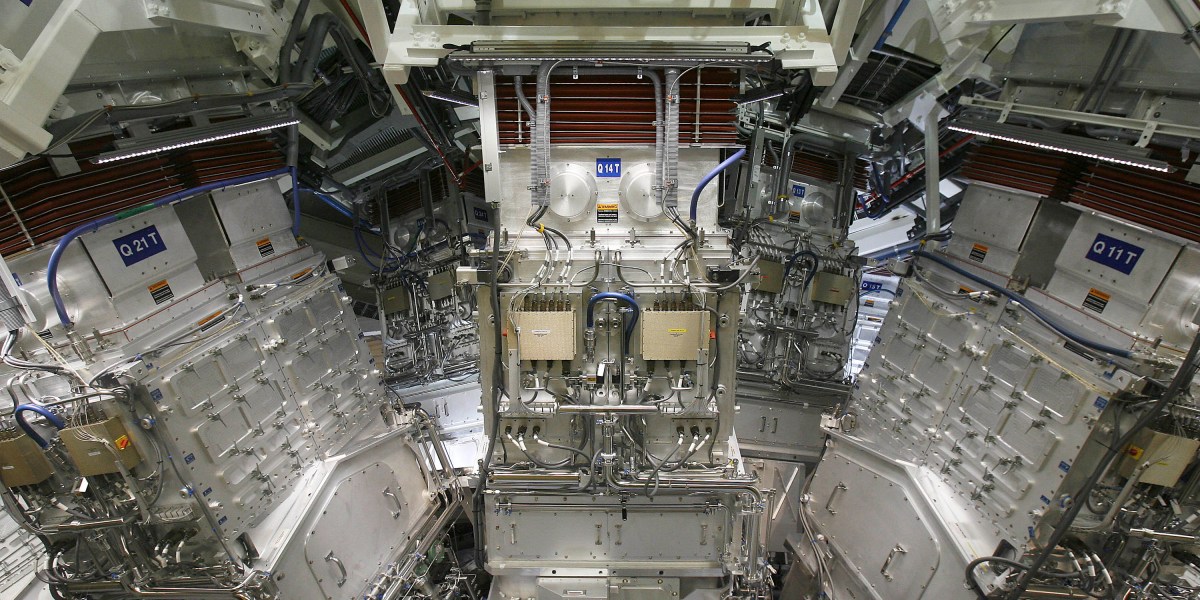
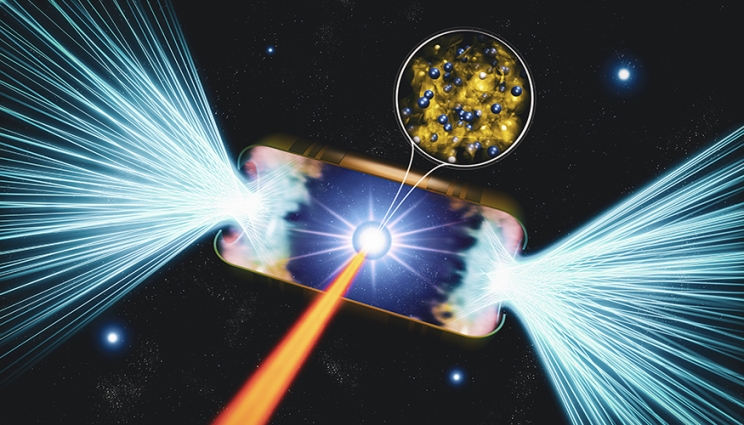
Scientists have conducted laboratory experiments at Lawrence Livermore National Laboratory (LLNL) that provide new insights on the complex process of pressure-driven ionization in giant planets and stars. The international research team utilized the world's largest and most energetic laser, the National Ignition Facility (NIF), to generate the extreme conditions necessary for pressure-driven ionization. By recreating extreme conditions similar to those inside giant planets and stars, the team was able to observe changes in material properties and electron structure that are not captured by current models. The research also has significant implications for inertial confinement fusion experiments at NIF, where X-ray absorption and compressibility are key parameters for optimizing high-performance fusion experiments.