Tag

Microwaves

All articles tagged with #microwaves

science1 year ago

"Physicists Achieve Ultracold Quantum State with Dipolar Molecules"

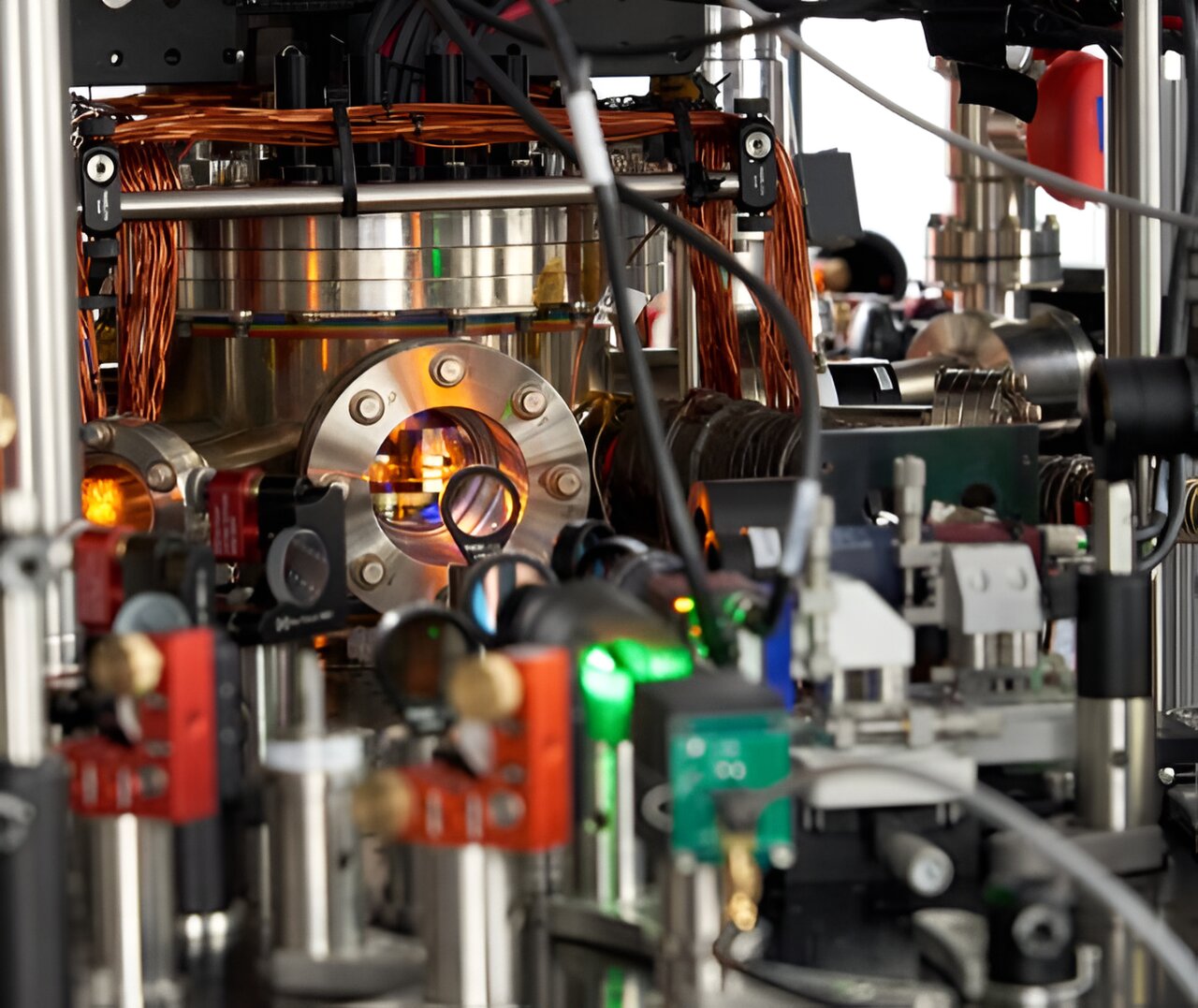
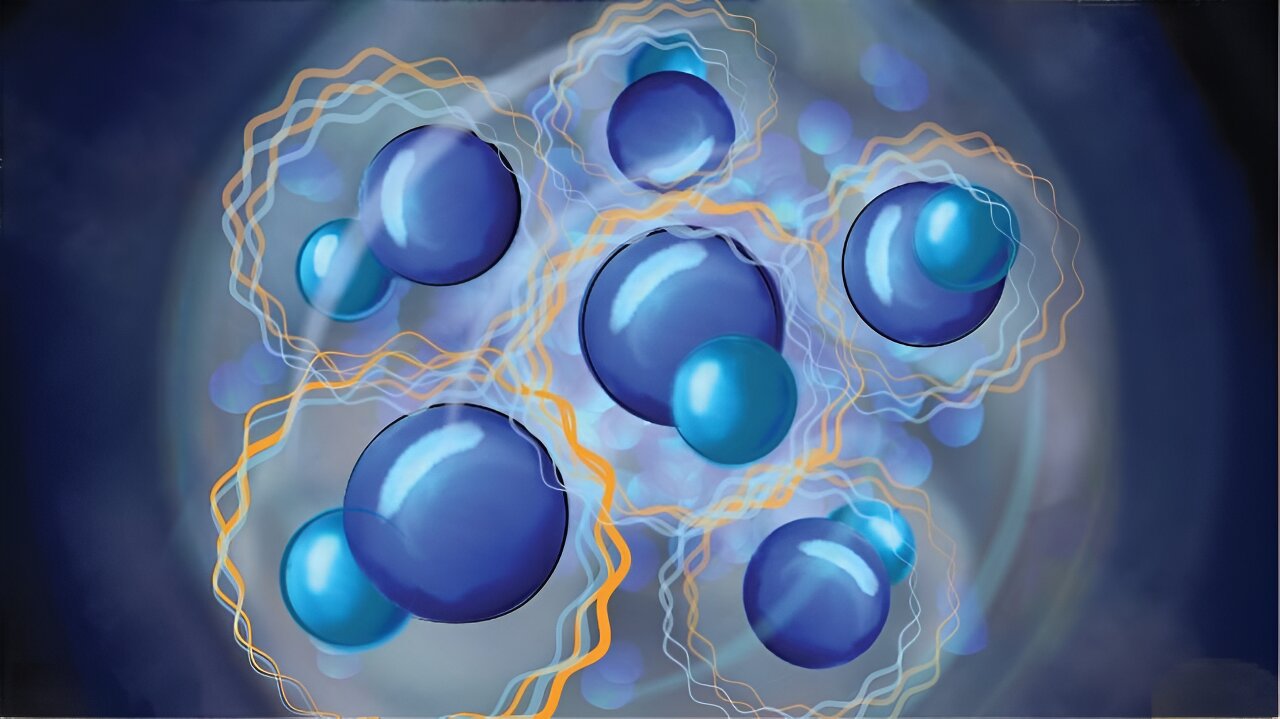
Physicists at Columbia University have created a Bose-Einstein Condensate (BEC) from sodium-cesium molecules at just five nanoKelvin, utilizing microwaves to prevent molecular collisions and achieve ultracold temperatures. This breakthrough opens new avenues for exploring quantum phenomena and developing quantum simulations, marking a significant advancement in the field of ultracold physics.

health2 years ago

The Truth About Microwaves and Cancer: Debunking the Myths

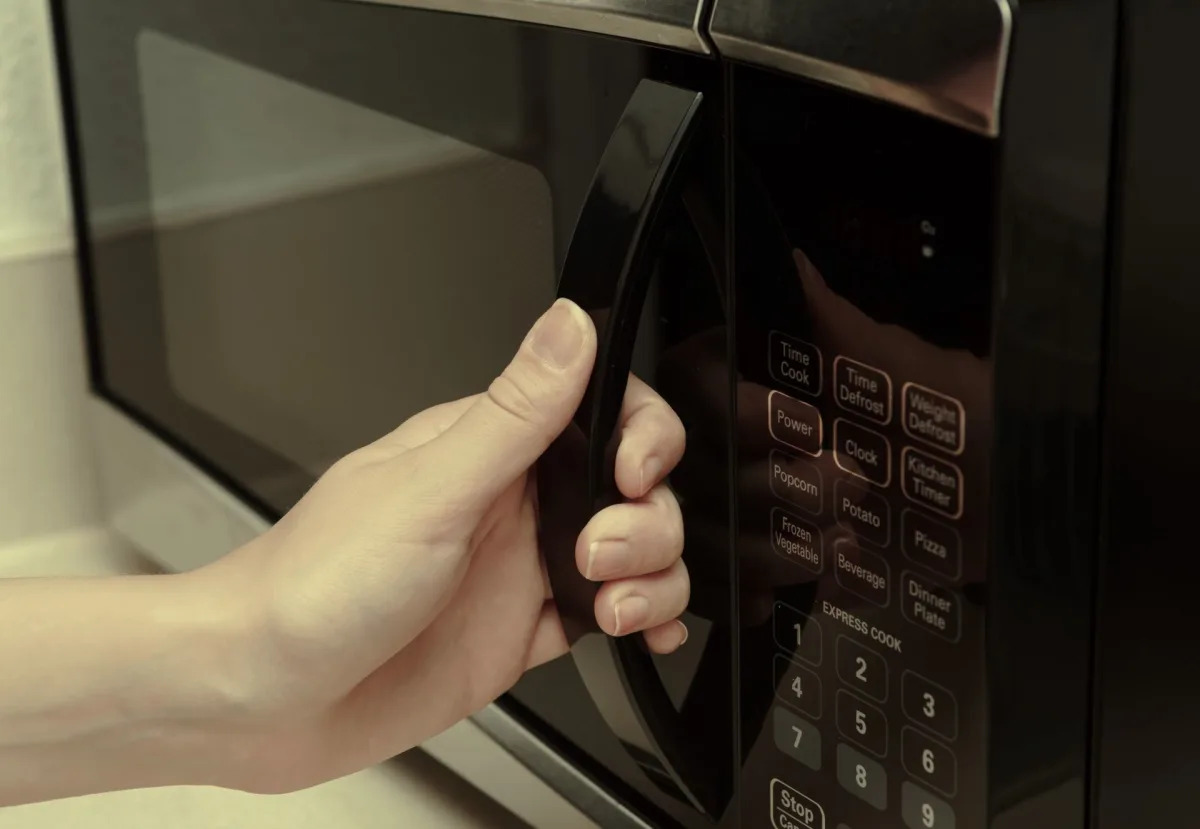
Scientific consensus supports the idea that microwaves, when used within recommended guidelines, do not pose a direct cancer risk. The energy levels emitted by microwaves are insufficient to cause DNA damage typically associated with cancer initiation. Concerns about radiation leakage and nutrient loss are largely unfounded, as modern microwave ovens are designed with safety features and retain nutrients better than prolonged cooking methods. Adhering to manufacturer's instructions, using microwave-safe containers, and maintaining a balanced diet are key to minimizing any potential risks.

science2 years ago

"Revolutionary Microwave Shield Enables Ultracold Dipolar Molecules"

Researchers have developed a new technique using microwaves to create shields around sodium-cesium molecules, allowing them to stabilize and cool the molecules to extremely low temperatures. This brings scientists closer to creating an elusive molecular Bose-Einstein condensate (BEC), a state of matter predicted by Satyendra Nath Bose and Albert Einstein. The technique involves using microwaves to prevent the molecules from sticking to each other and getting lost from the sample, enabling successful evaporative cooling. The ultracold sodium-cesium molecules offer a new platform to explore fundamental physics and could lead to the study of new physics phenomena and the understanding of complex molecular interactions.

health-and-environment2 years ago

Microwaving Plastics: A Wake-Up Call for Microplastics?

A study from the University of Nebraska warns against microwaving plastics, as it releases billions of nanoplastics and millions of microplastics per square centimeter. The health impact of these synthetic materials is still unknown, but studies suggest they could be harmful. Researchers exposed kidney cells to the microplastics released during the experiment and found that about 75% of the cells were killed, indicating a potential link to kidney damage. Experts urge the FDA to take a more proactive approach in addressing this issue, and recommend avoiding microwaving plastics and opting for plastic-free alternatives.

science-and-technology2 years ago

Revolutionary Radiation Detector Detects Trillionth of Usual Scale.

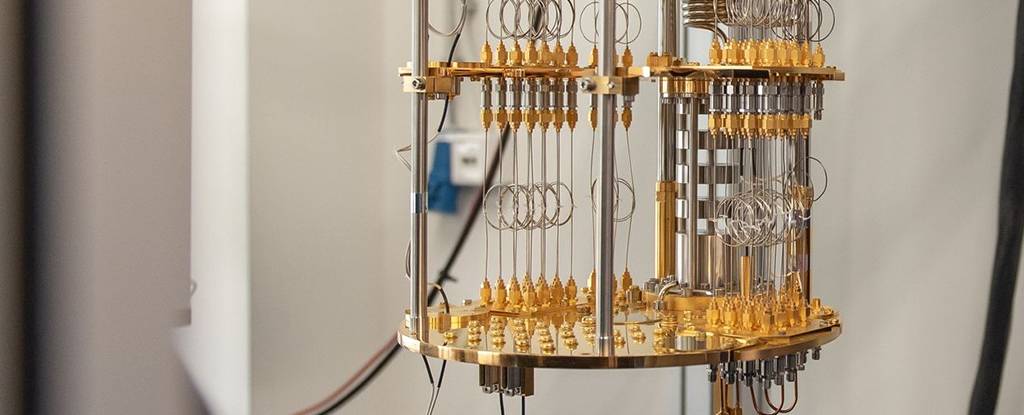
Researchers have developed a nanobolometer that can accurately measure power at a scale that's a trillion times smaller than what's possible with standard instruments. The new system could be used to better prepare and calibrate qubits in quantum computers to ensure they're operating as intended and that the readings they produce are correct. The nanobolometer can detect very tiny energy shifts made by very weak microwaves, making it possible to measure radiation temperature without interference from the qubit circuitry. The approach is scalable and doesn't use much energy while eliminating any potential interference for the qubit.

technology2 years ago

Japan Aims to Beam Solar Power from Space by 2025

Japan is set to attempt to beam solar energy from space by 2025 using a series of small satellites in orbit. The technology, which has been pursued by several countries, offers a potentially unlimited renewable energy supply. However, even if Japan is successful, the cost of producing an array that can generate 1 gigawatt of power would be around $7 billion with currently available technologies.

science-and-technology2 years ago

Microwave Technology Revolutionizes Plasma Creation for Fusion Power.

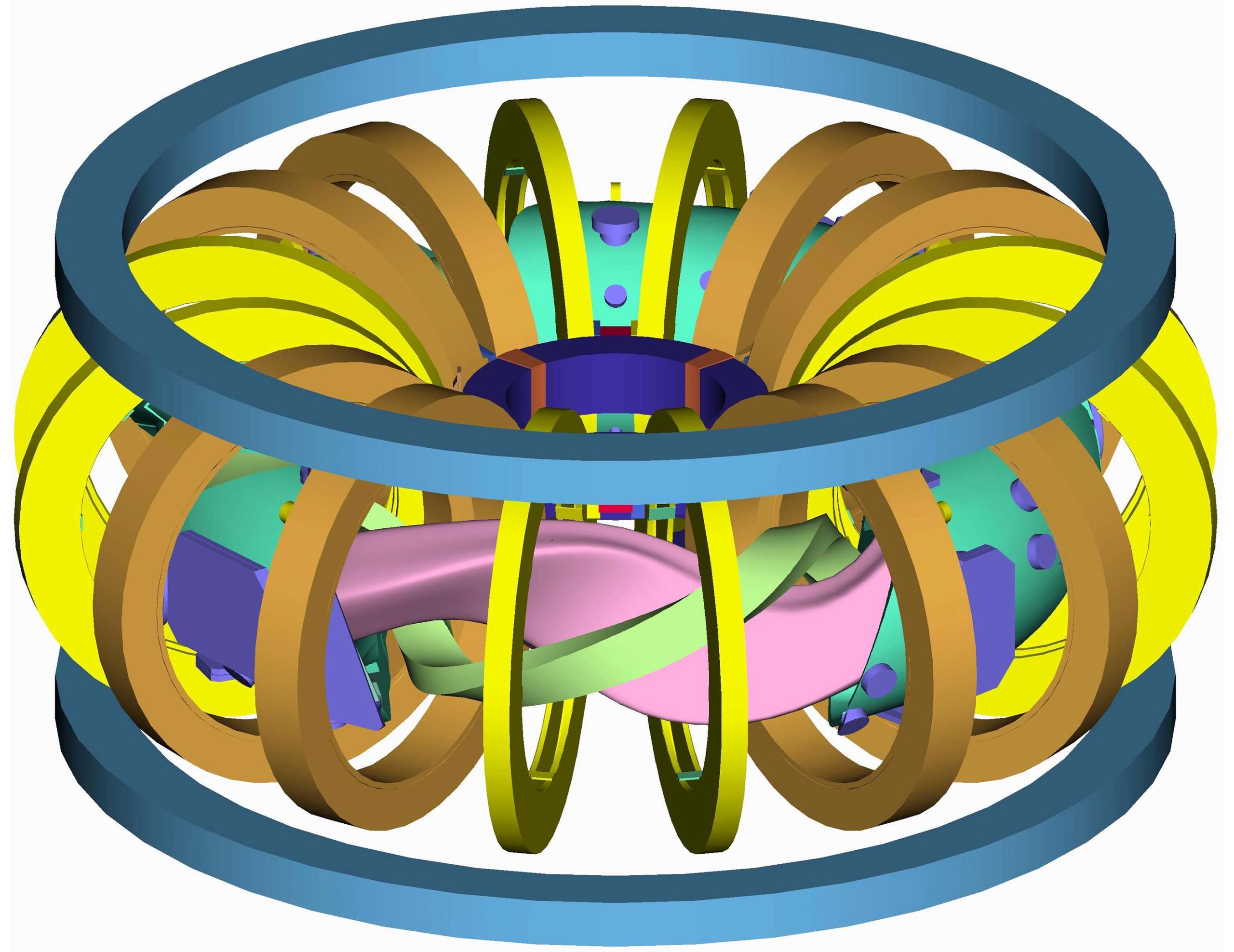
Plasma physicists from Ukraine, Germany, and Japan have collaborated to create stable plasmas using microwaves, potentially simplifying fusion research in the future. The team utilized the Heliotron J device to study fusion plasma discharges and discovered that blasting 2.45-GHz microwaves without alignment of the magnetic field produced a dense plasma. The research team has identified three critical steps in plasma production and is exploring the fusion plasma discharges in Heliotron J. Fusion power could provide a virtually limitless, clean, and sustainable energy source, with the potential to greatly reduce greenhouse gas emissions and help mitigate climate change.