A groundbreaking study using brain scans of 140 individuals has revealed a significant surge in neural connectivity in newborns, marking a transformative stage distinct from prenatal brain growth. Conducted by researchers at New York University, the study highlights how birth triggers the formation of billions of new neural connections as the brain processes new sensory information. This growth is particularly notable in subcortical regions and parts of the frontal lobe, supporting the idea that the brain's local networks in the womb expand to global communication post-birth. The findings, published in PLOS Biology, lay the groundwork for future research on brain development during the perinatal period.
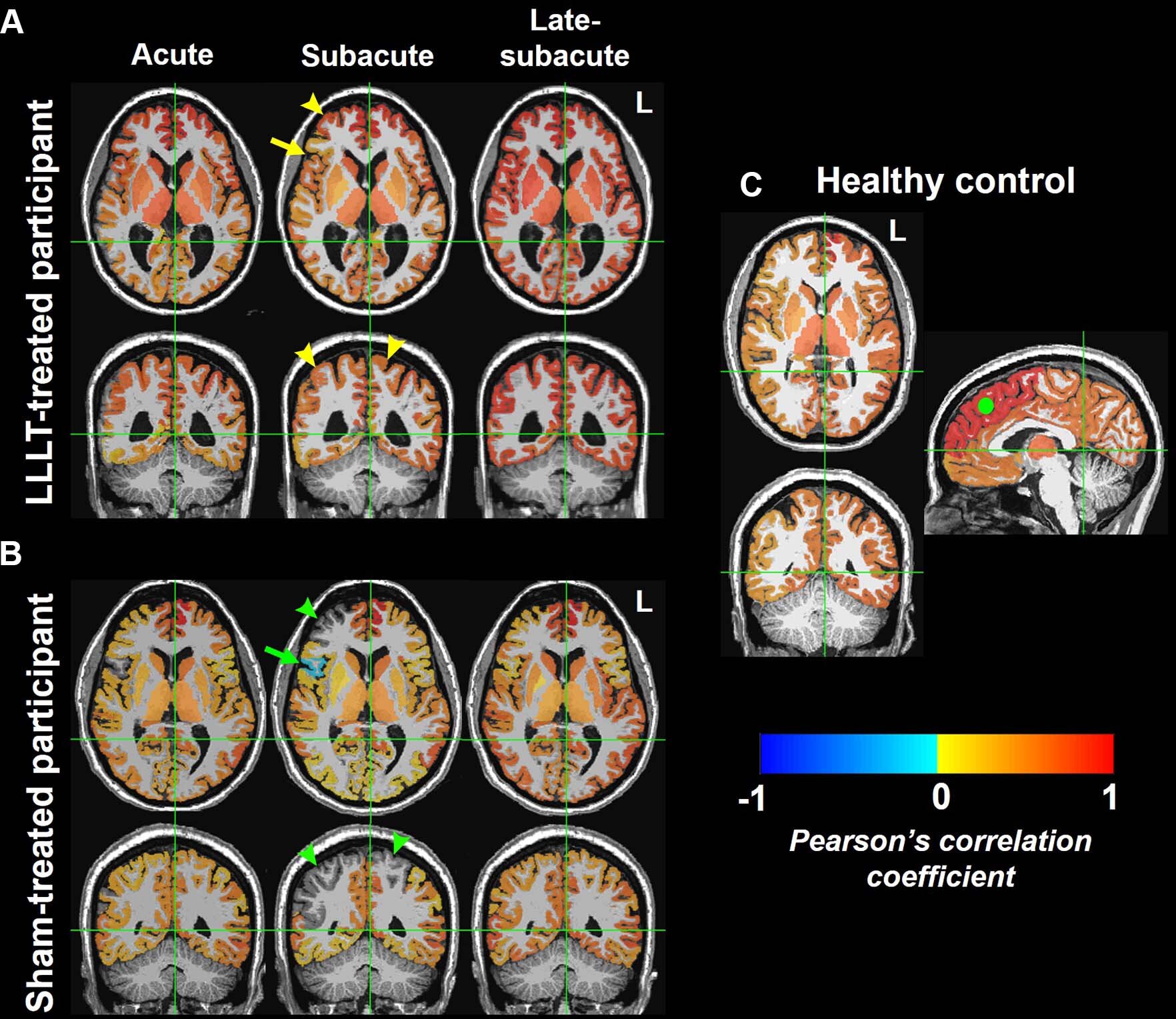
A study by Massachusetts General Hospital found that low-level light therapy (LLLT) increases brain connectivity in patients with moderate traumatic brain injury during the acute-to-subacute recovery phases. Using functional MRI, researchers observed greater changes in resting-state connectivity in patients treated with near-infrared light compared to a control group. While the therapy showed initial benefits, long-term effects and precise mechanisms remain unclear, necessitating further research.
Researchers have identified malfunctions in two critical brain systems—the "filter" and the "predictor"—in individuals with psychosis, shedding light on the underlying brain mechanisms. By studying young individuals with 22q11.2 deletion syndrome, the research offers insights into how these dysfunctions occur, potentially guiding future treatments and prevention strategies. The findings suggest that dysfunction of these brain systems makes it difficult to distinguish reality, leading to symptoms such as hallucinations and delusions. The study used advanced imaging and machine learning to confirm these dysfunctions, providing potential new targets for therapeutic interventions and offering implications for understanding and possibly preventing psychosis.
A study from The University of Texas at Dallas challenges existing theories on cognitive aging, revealing that age-related memory decline and neural dedifferentiation operate through diverse mechanisms at the category and item levels. Using functional MRI, researchers found that age diminishes the brain’s precision in processing visual information, impacting memory performance. These insights emphasize the need for a nuanced approach in studying and addressing cognitive health in the aging population, calling for further research to explore these mechanisms using innovative methodologies.
A new AI model can accurately distinguish between male and female brains based on brain activity scans, shedding light on the long-debated topic of sex-based brain differences. The study suggests that understanding these differences is crucial for treating neuropsychiatric conditions that affect one sex more than the other. The AI model identified specific brain regions and networks that contribute to sex differences in brain function, revealing potential implications for targeted interventions. The research also explored the relationship between sex-specific brain organization and cognitive profiles, emphasizing the practical significance of understanding these differences for clinical application. However, the study's focus on young adults and specific cohorts may limit the generalizability of the results, prompting the need for future research to expand the demographic and methodological scope.
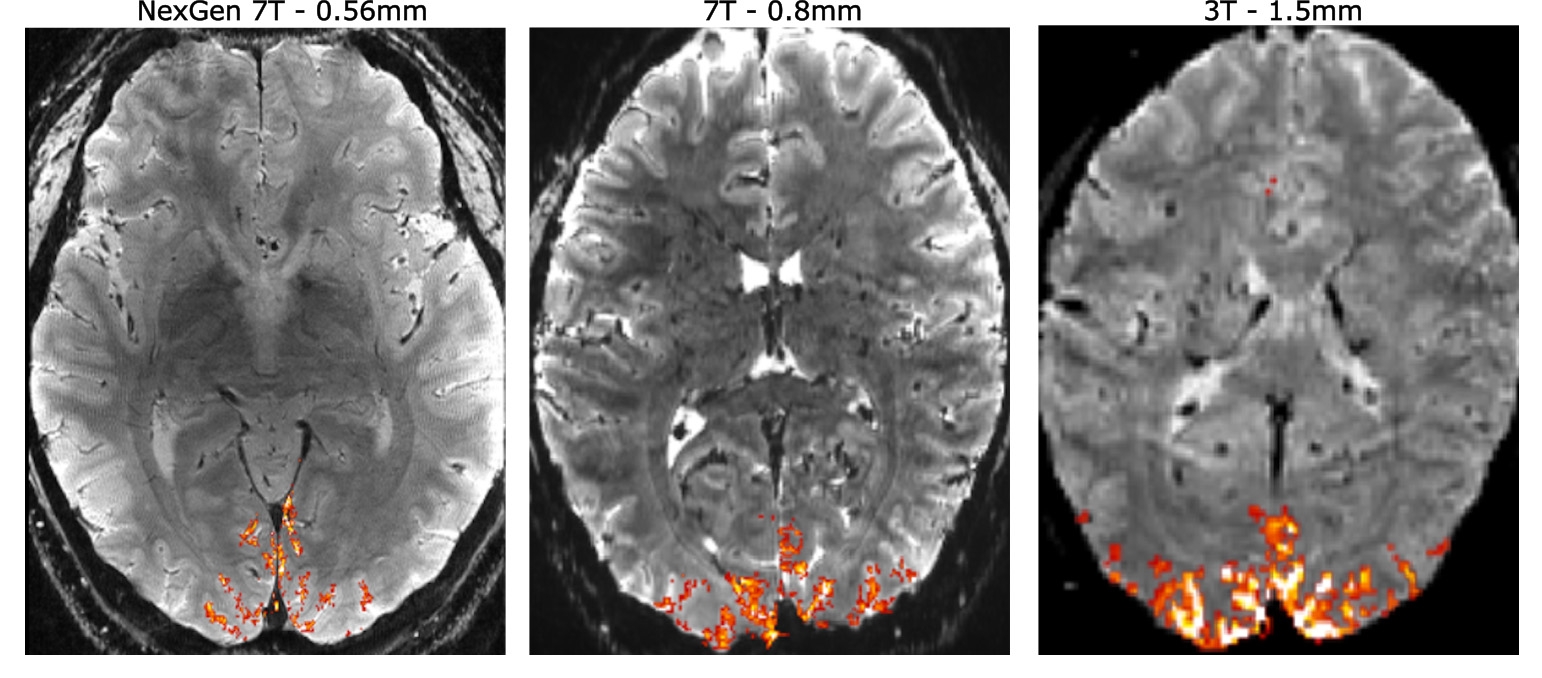
An international effort has resulted in the development of an ultra-high resolution 7 Tesla MRI scanner that can capture up to 10 times more detail than current scanners, allowing scientists to see functional MRI (fMRI) features as small as 0.4 millimeters. The improved resolution will enable researchers to study the brain's neuronal circuits in greater detail, potentially leading to better diagnoses and treatments for brain disorders such as Alzheimer's, autism, and schizophrenia. The breakthrough was made possible through funding from the U.S. National Institutes of Health's BRAIN Initiative and collaboration between academic institutions and industry partners.
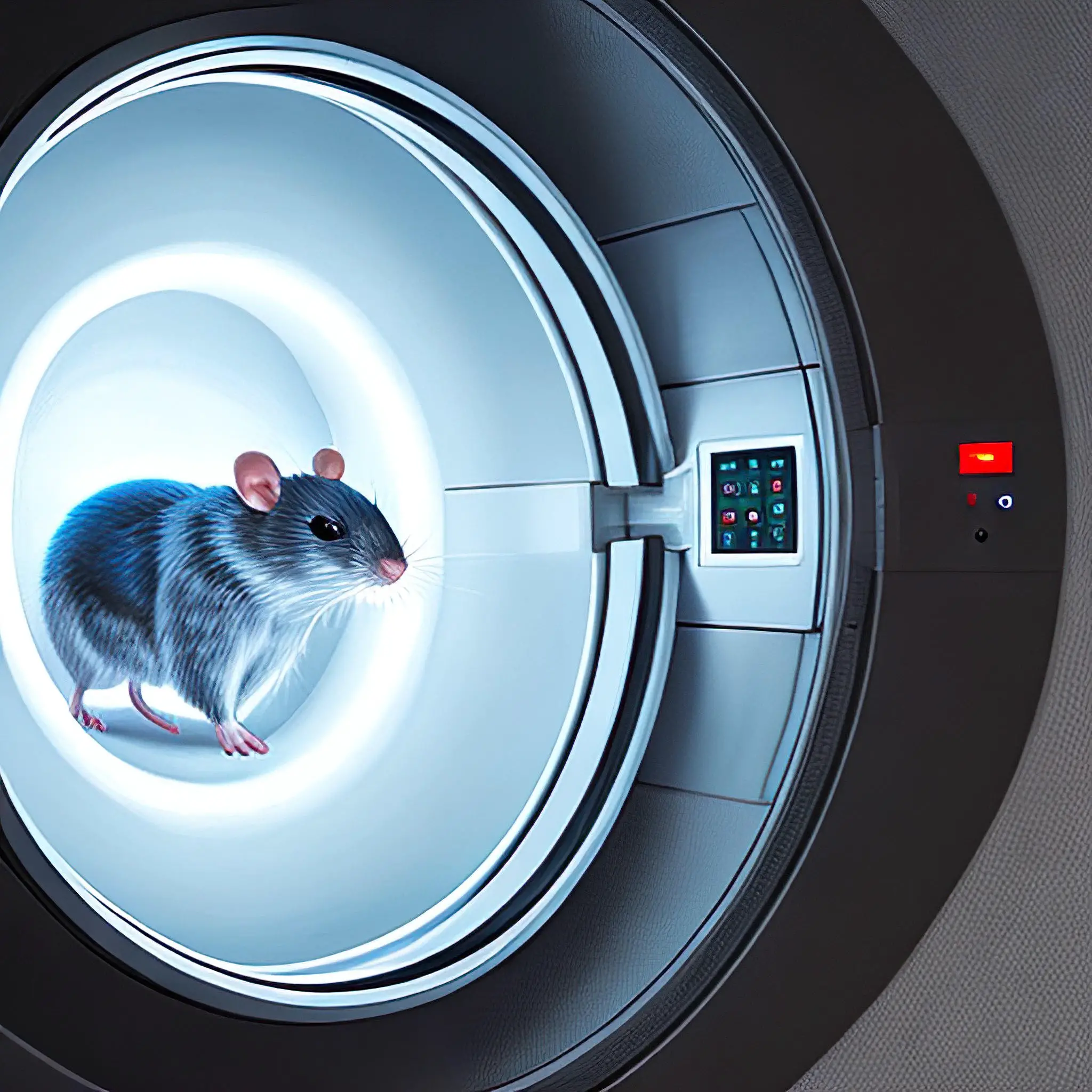
Researchers have discovered that the adult mammalian brain retains a high degree of plasticity, challenging the belief that it becomes rigid after a critical developmental period. Using a novel setup involving rodent MRI scanners, the study found that when rodents deprived of light from birth were exposed to light in adulthood, their brains underwent significant reorganization and adaptation. This suggests that the adult brain can process new visual signals, opening up new possibilities for visual rehabilitation treatments in adults. The findings also have potential implications for predicting treatment responses in patients and understanding disease progression in animal models.
Scientists have created a comprehensive set of infant brain cortex parcellation maps using high-resolution functional and structural MRI scans, providing detailed insights into brain development from birth to two years old. The maps reveal the presence of primitive brain functional networks at three months old, complex fluctuations in functional activity and network organization across different ages, and an increase in local efficiency with age, indicating increasing functional maturity. These maps offer valuable references for studying early brain development and pave the way for further research in pediatric neuroimaging.
Researchers have identified a potential marker in the brain that might indicate an increased risk of suicide. They observed that veterans with a history of suicide attempts demonstrated distinct functional connectivity between cognitive control and self-referential thought-processing networks. This connectivity pattern was present both before and after a suicide attempt, making it a potentially crucial indicator of suicide-specific risk. The study also suggests that suicide attempts could lead to brain changes, potentially escalating future suicide risk.
Researchers have developed a non-invasive language decoder that can reconstruct speech from functional MRI data, which could help people who have lost their ability to speak due to injuries like strokes or diseases like ALS. The new AI system called a semantic decoder can decode continuously from non-invasive brain recordings, which is a first. The speech reconstructions aren't word-for-word, but can recover the "gist" of what the user is hearing. Mental privacy was an important aspect of the study, and the researchers found that someone's cooperation is necessary both to train and run the decoder.
Researchers at Ghent University in Belgium have found that dogs with anxiety have stronger neural connections between the amygdala and other areas of the anxiety network in the brain compared to less anxious dogs. The study used non-invasive functional MRI to examine 25 healthy and 13 anxious dogs and found that functional connections between the amygdala and other parts of the anxiety circuit, particularly the hippocampus, were stronger than normal in anxious dogs. The researchers believe their findings show that resting-state fMRI is a good tool for studying dog-models of anxiety, and that future studies like this could increase our understanding of how anxiety-related circuitry in the brain is altered in anxiety-disordered animals, and possibly even humans with the condition.