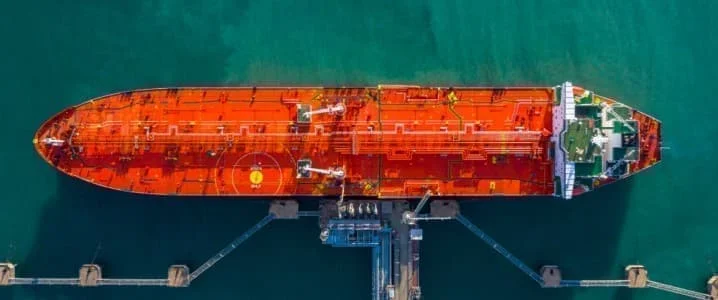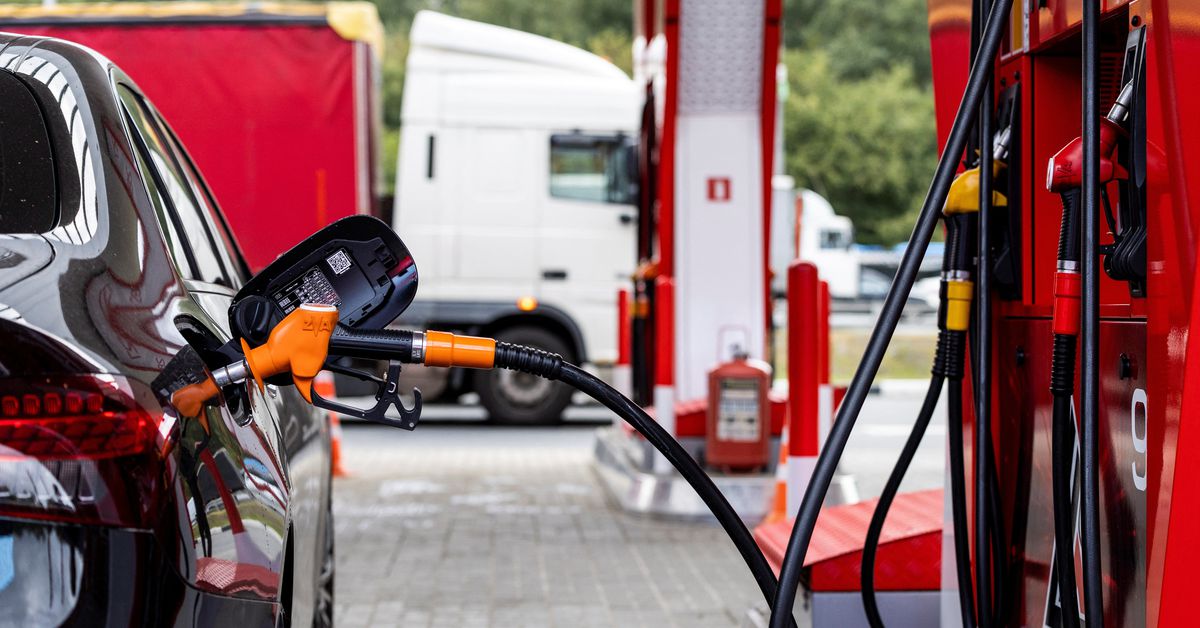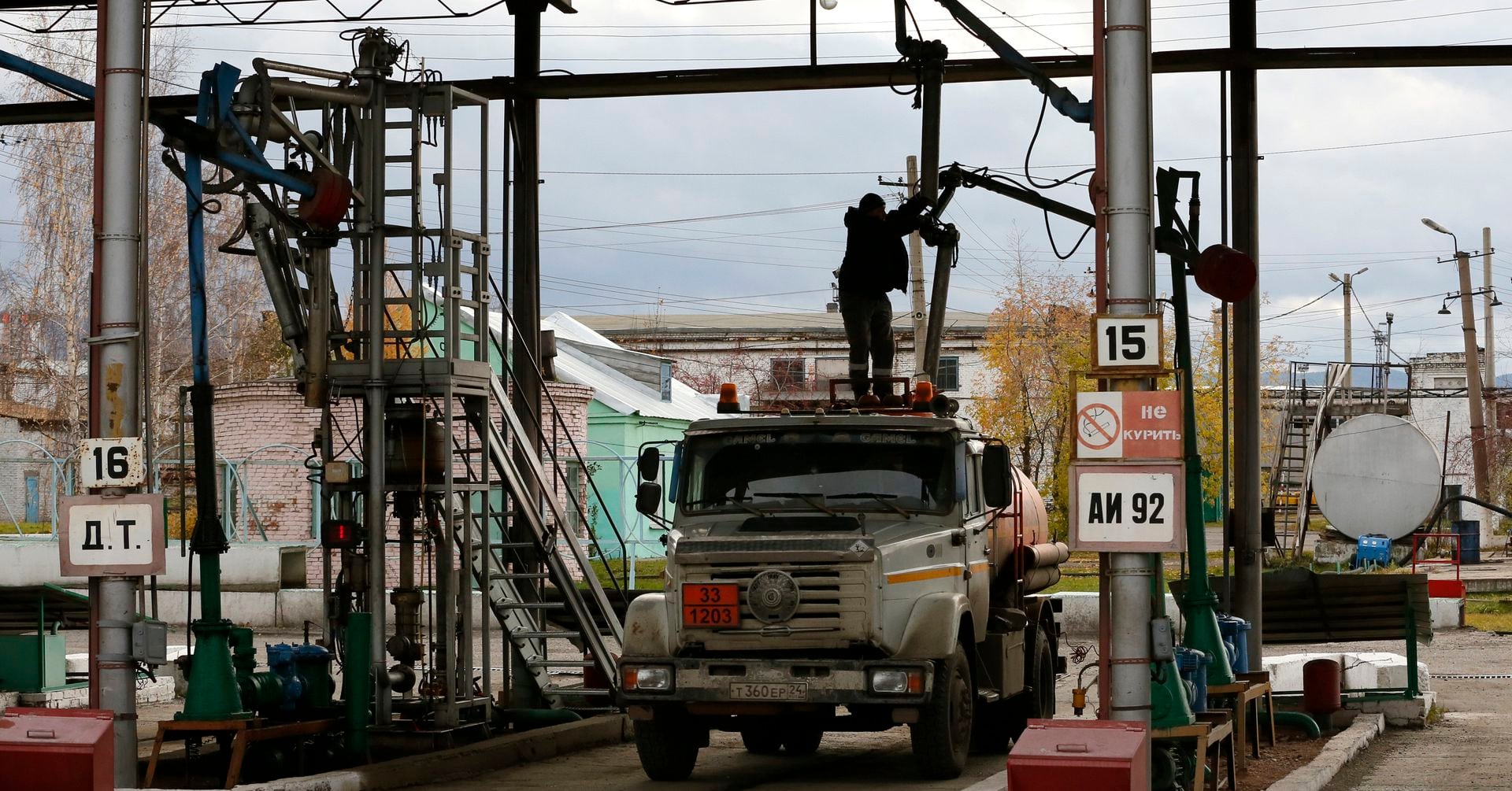
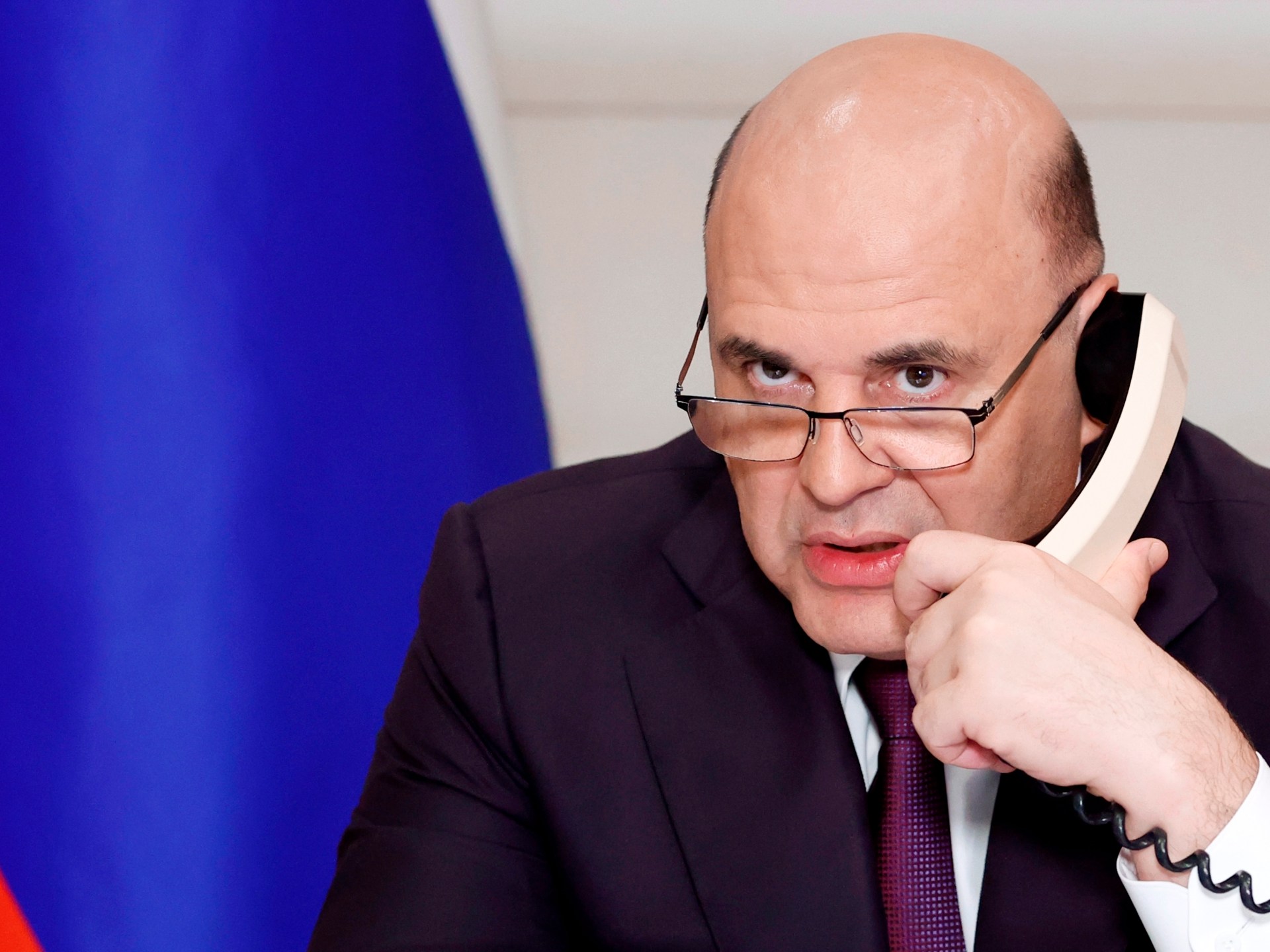
Russia has announced a six-month ban on gasoline exports starting from March 1 in order to stabilize domestic prices amidst rising demand and refinery maintenance. The ban, approved by Prime Minister Mikhail Mishustin, aims to offset excessive demand for petroleum products and ensure price stability in the domestic market, particularly ahead of a presidential election. This move comes as some Russian refineries have been affected by Ukrainian drone attacks, and follows Russia's voluntary reduction of oil and fuel exports by 500,000 barrels per day in the first quarter as part of OPEC+ efforts to support prices.
Russia has ordered a six-month ban on petrol exports starting from March 1, in an effort to avert shortages and spiking prices on the domestic market amid rising local demand. The ban will not apply to member states of the Eurasian Economic Union and is expected to create space for the maintenance and repair of refineries, some of which have suffered attacks in recent months amid the war in Ukraine. This move comes as Russia is already voluntarily cutting its oil and fuel exports by 500,000 barrels per day in the first quarter as part of OPEC+ efforts to support prices.
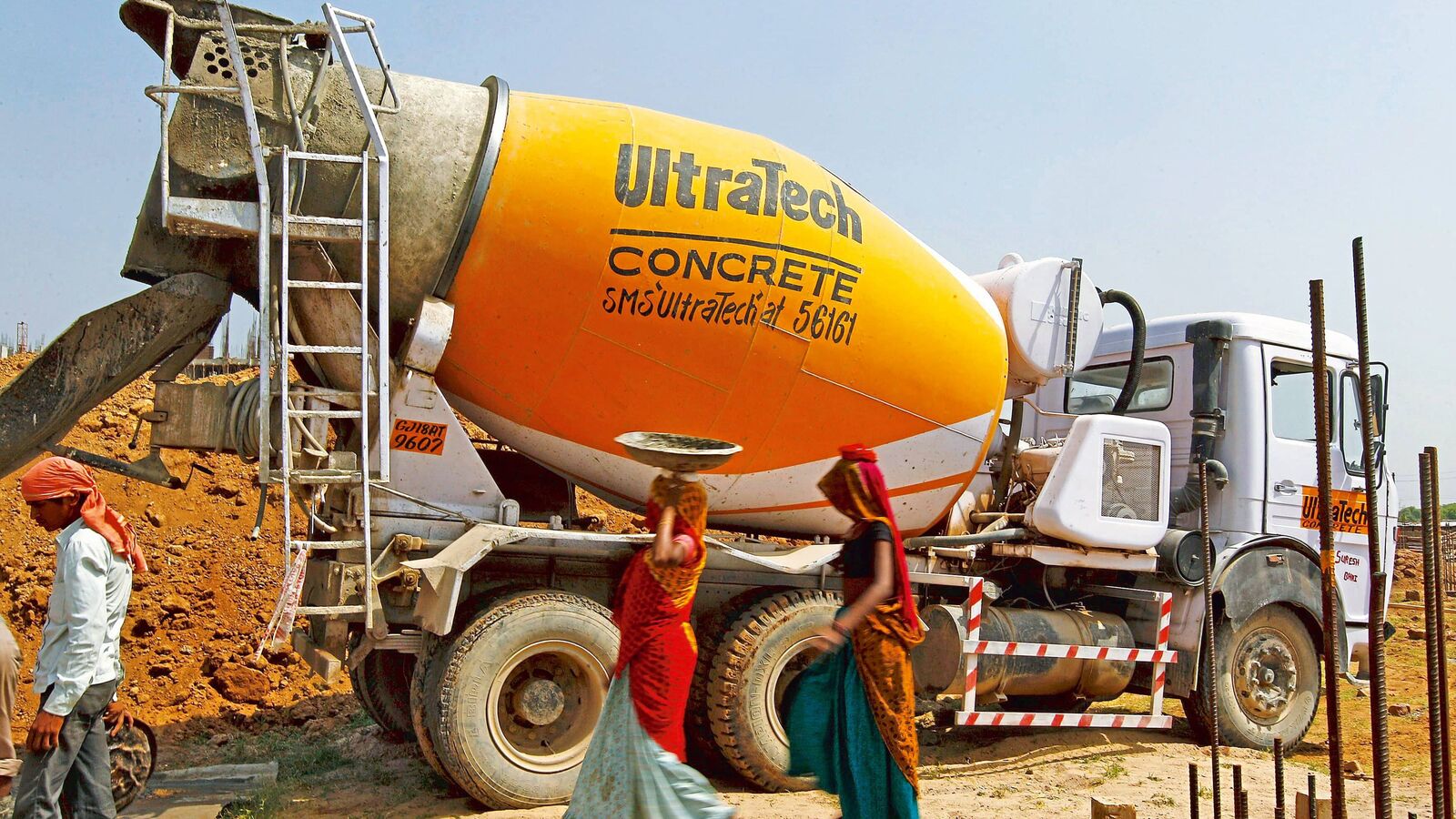
UltraTech Cement, a subsidiary of Aditya Birla Group, reported a 16% year-on-year increase in sales volume for the second quarter, reaching 26.69 million tonnes. The company's domestic sales volume rose by 15.37% to 25.66 million tonnes, while overseas sales increased by 21.64% to 1.18 million tonnes. UltraTech Cement has a consolidated capacity of 137.85 million tonnes per annum and operates 23 integrated manufacturing units, 29 grinding units, one clinkerisation unit, and eight Bulk Packaging Terminals.
Russia has lifted the temporary ban on low-quality diesel and marine fuel exports, which was implemented to stabilize fuel prices in the domestic market. The ban on all types of gasoline and higher-quality diesel remains in place. The government exempted fuel already accepted for export before the ban came into effect. Analysts believe the ban may not last long, as Russia may not want to close refineries' fuel processing capacities due to export restrictions. The lifting of the ban could alleviate tightness in the global diesel market.
Russia has banned the export of gasoline and diesel in order to stabilize fuel prices in the domestic market and ensure sufficient supply for its military operations in Ukraine. The ban, which does not affect close ally Belarus, could indirectly impact global fuel prices. Energy exports are a significant source of revenue for Russia, and the country's decision to halt exports is unusual given its vast oil and gas reserves. The ban has already led to a drop in wholesale gasoline and diesel prices in Russia.
Russia has implemented a temporary ban on the export of gasoline and diesel to countries outside of the Eurasian Economic Union, consisting of Belarus, Kazakhstan, Armenia, and Kyrgyzstan, in an effort to stabilize the domestic fuel market and reduce prices for consumers. The ban aims to prevent unauthorized "grey" exports and comes as Russia faces shortages of fuel due to factors such as refinery maintenance, railway bottlenecks, and the weak ruble. The government has also increased mandatory supply volumes and established daily monitoring of fuel purchases for agricultural needs.
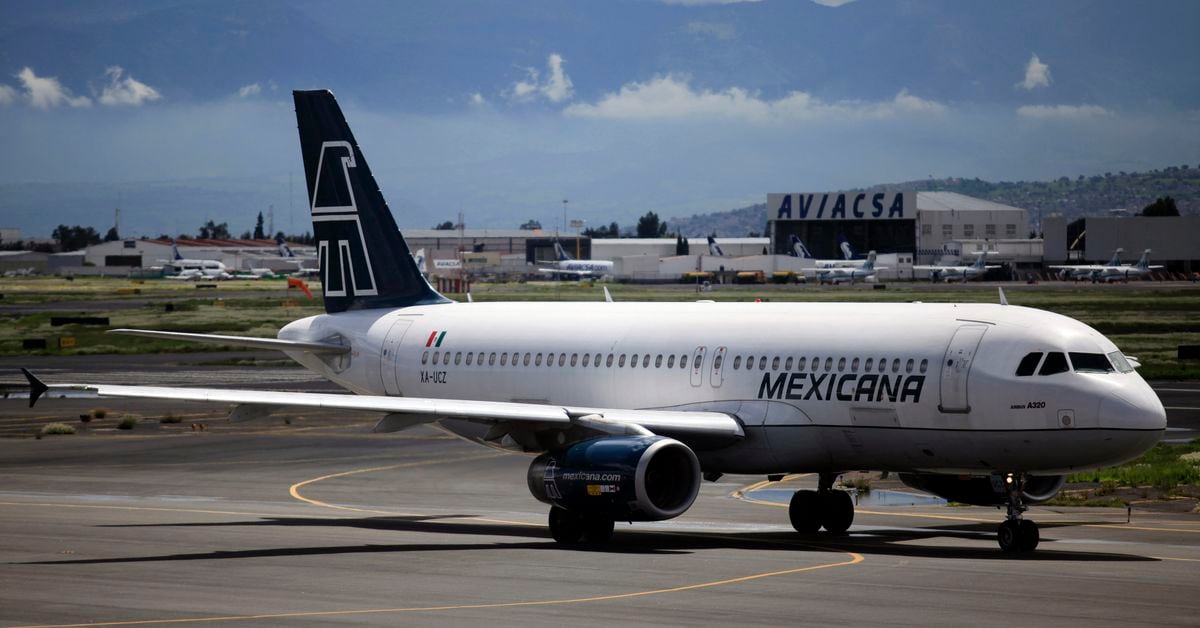
The Mexican government plans to launch a military-run airline later this year, following the purchase of the brand of defunct airline Mexicana de Aviacion for $48 million. President Andres Manuel Lopez Obrador aims to revive the airline to provide low-cost options to travelers and believes there is room in the domestic market for another carrier. The airline will start with 10 rented Boeing 737-800s and will sell tickets to approximately 20 destinations from the Felipe Angeles International Airport. The government will contribute an initial 4 billion pesos to the project.
Tesla China saw an estimated 14,500 insurance registrations for the week ending June 4, indicating a 13.28% increase in sales week over week. The figures suggest a strong finish for Tesla China in Q2, especially considering the highly-anticipated "Project Highland" update for Model 3 sales. Despite competition in China's EV market, Tesla China has shown resilience and grit, with CEO Elon Musk praising the team's work during a recent visit to Gigafactory Shanghai.
Chinese chipmaker, PowerLeader, has launched its 1st Gen x86 CPUs known as Powerstar for the domestic market, claiming to be much faster than other locally made chips. The processors are said to be extremely high-performance and will be competing against the Zhaoxin & Loongson chips. PowerLeader is positioning its Powerstar x86 CPU lineup for various segments including education, government, energy, industry, finance, medical, retail, and gaming. The company also stated that it has prepped up a complete product roadmap and will continue to evolve the Powerstar lineup.