Starting January 1, Michigan eliminates the sales tax on gasoline but increases the flat gas tax to 52.4 cents per gallon, which will grow with inflation, leading to an average increase of $27 annually for drivers, amid generally lower gas prices and higher registration surcharges for electric and hybrid vehicles.
Washington state currently has the highest gas prices in the U.S., driven by factors including increased state gas taxes and the Climate Commitment Act, which aims to reduce carbon emissions but is criticized for raising costs. Lawmakers debate repealing or modifying the law amid record-high fuel prices, with some advocating for more targeted spending and infrastructure investments. The situation remains complex, with no immediate relief expected.
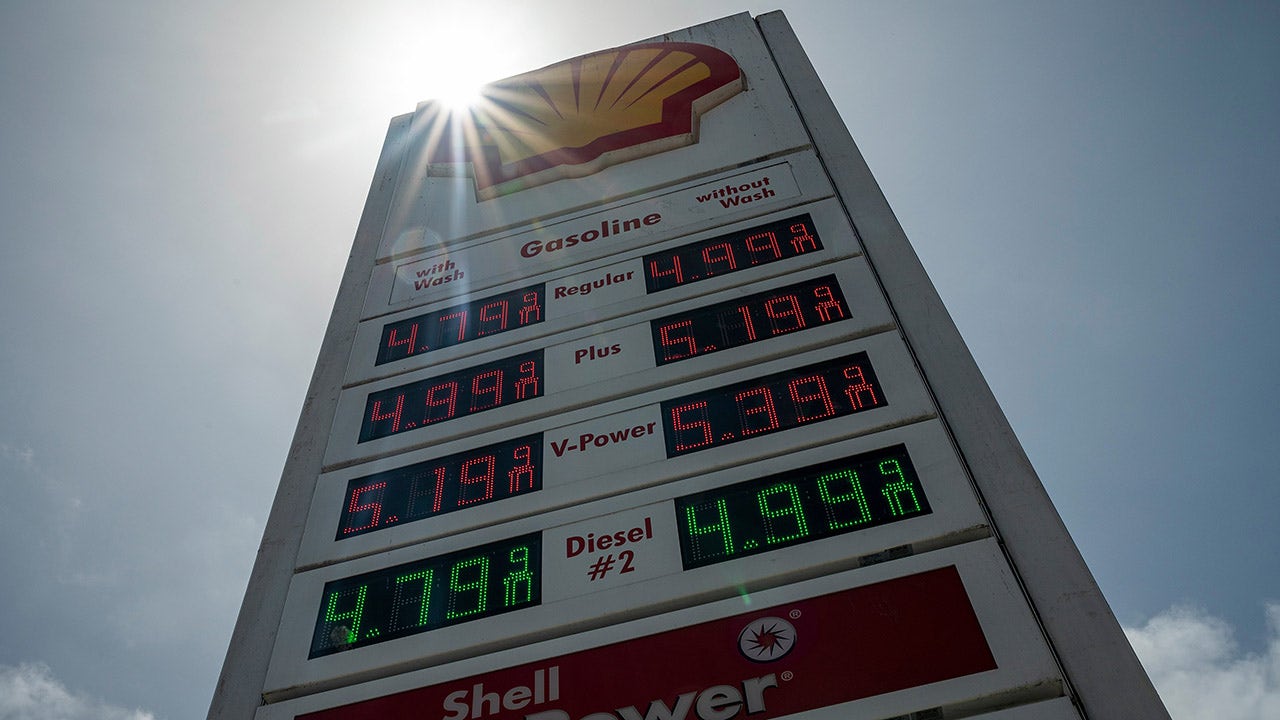
California's gas tax increased by 1.6 cents per gallon starting July 1, as part of the annual inflation adjustment under SB 1, raising concerns about higher fuel costs amid ongoing refinery closures and regulatory changes like the updated Low Carbon Fuel Standard, which could further influence gas prices. Despite political debates and industry challenges, current prices remain high but stable, with future increases possible due to policy and market factors.
Washington's gas prices are among the highest in the U.S., with a recent increase in the gas tax raising the total to 55.4 cents per gallon, and the average price reaching $4.433 per gallon, significantly above the national average, with notable variation across counties.
California is piloting a "road charge" program to replace declining gas tax revenues by charging drivers based on miles driven. The initiative, driven by the rise in electric vehicle usage, offers participants up to $400 in incentives and various mileage reporting options. Privacy concerns are addressed with anonymized GPS data and secure protocols. The program's future depends on public feedback and legislative approval.
Georgia Governor Brian Kemp has declared a state of emergency and temporarily suspended the state's tax on gasoline in response to inflation caused by federal policies. The executive order, effective from Wednesday until October 12, is expected to save Georgians around 31 cents per gallon of gasoline and 35 cents per gallon of diesel fuel. The average price for a gallon of gas in Georgia is currently $3.57, which is lower than the national average of $3.83.
Anti-government protests led by Kenya's political opposition have erupted across the country over a controversial finance bill and the rising cost of living. At least six people have been killed and dozens injured, with over 80 demonstrators arrested. The protests, called by opposition leader Raila Odinga, are taking place despite President William Ruto's vow to prevent them. Clashes between protesters and police have turned violent, with tear gas deployed and property set on fire. The finance bill, which aims to double the tax on fuel, has sparked outrage among Kenyans already struggling with the high cost of living. The U.S. Embassy and the UN have called for peaceful dialogue to resolve the situation.
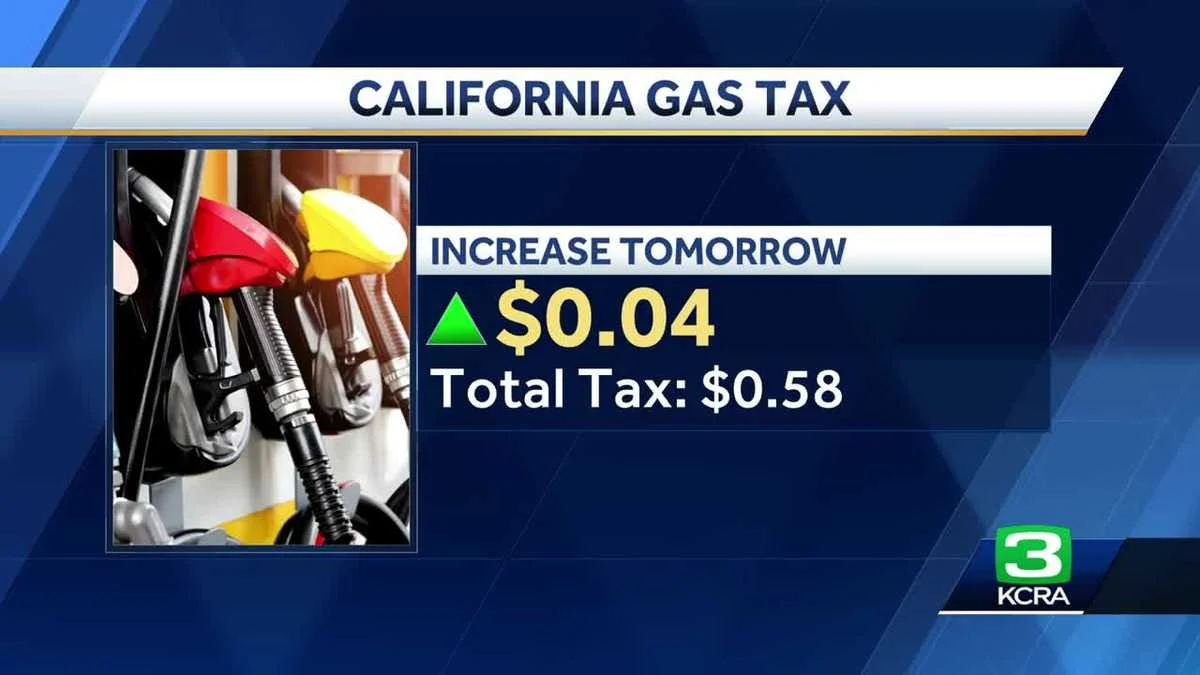
Starting July 1, California's gasoline tax increases by 4 cents per gallon, raising the excise tax rate from around 54 cents per gallon to 58 cents per gallon. The increase is due to Senate Bill 1, which incrementally raises the fuel excise tax each year. The revenue generated from the tax is primarily used to repair roads, bridges, and improve public transportation. California lawmakers are also considering replacing the gas tax with a mileage tax, following the trend of other states and the federal government in exploring alternative revenue sources for transportation funding.
Several new laws are taking effect in California, including the Firearm Industry Responsibility Act allowing victims of gun violence to sue manufacturers and gun shop owners, a new law making it easier for victims of domestic violence to obtain restraining orders electronically, humane farming standards on pork products, the ability for felons to petition to have their criminal records expunged, and an increase in the state gas tax by four cents.
California's gasoline tax is set to increase by 4 cents per gallon on July 1, making it one of the highest tax rates on gas in the nation. The tax increase is part of the Road Repair and Accountability Act passed in 2017, aimed at improving the state's roads and transportation systems. The average gas price in California is already over $1.25 higher than the national average. Some Republicans have called for the suspension of the tax increase, citing the high cost of living in the state. California officials are also considering changing the gas tax system to account for the rise in electric and hybrid vehicles.
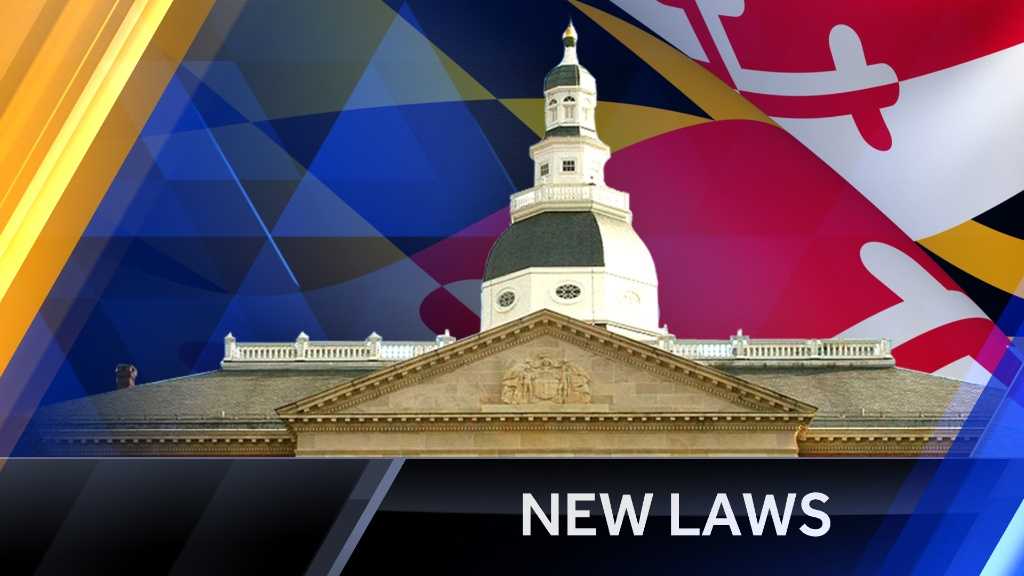
Over 300 new state laws will take effect in Maryland on Saturday, covering a wide range of issues including adult recreational use of cannabis, sexual misconduct complaints in schools, and gas tax increases. Concerns arise regarding driving under the influence of cannabis, as law enforcement agencies scramble to employ drug recognition experts. Other laws include prohibiting the use of cannabis odor as probable cause for vehicle searches, requiring school systems to inform students about filing sexual misconduct complaints, and establishing a state disaster recovery fund. Additionally, tax breaks for adoptive parents, funding for student field trips to museums, and access to lawyers for those facing eviction are among the new laws.
California's gas tax increase takes effect during the Fourth of July weekend, with the average price statewide reaching $4.82 per gallon, almost $1.30 more than the national average. The annual gas tax increase of 4 cents will make California's gas tax the highest in the nation at 58 cents per gallon.
Starting July 1, Illinois' 1% grocery tax will be reinstated after being suspended for a year, potentially making groceries more expensive. Additionally, the gas tax in Illinois will increase due to the annual inflation-based adjustment, with the rate for unleaded gasoline reaching 42.4 cents per gallon. The tax increase for fiscal year 2024 will also go into effect, potentially leading to a second fuel tax increase this year.
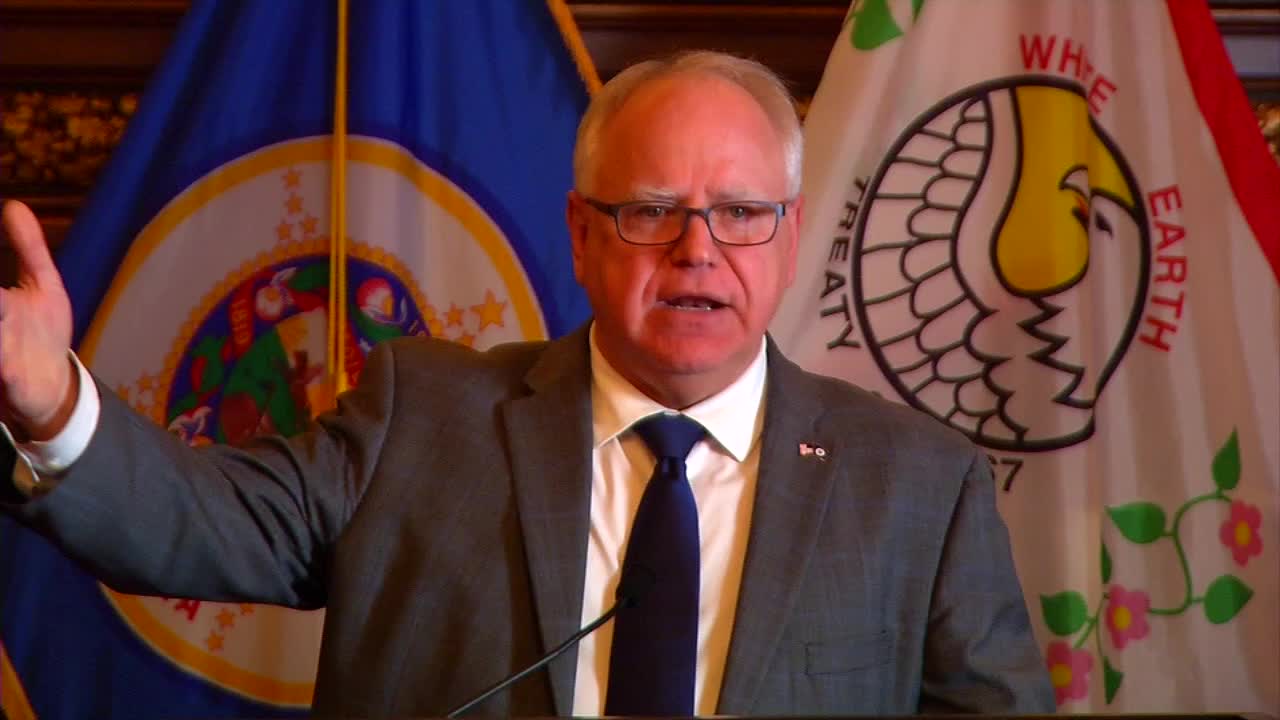
Minnesota Governor Tim Walz has expressed openness to a possible gas tax increase, which some lawmakers are considering to fund transportation. Walz noted that while he did not propose a gas tax increase in his budget, he believes that roads need ongoing funding and that the gas tax has remained stagnant while the cost of everything else has gone up. Additionally, Walz has made it clear that he does not want Mayo Clinic to be subject to provisions in a nursing bill that would give nurses more say in staffing levels at Minnesota hospitals. Mayo Clinic has threatened to halt investments in the state if it is included in the bill. Lawmakers have five days left to finish their work, including the nursing bill and transportation funding.