Lebanon announced the completion of the first phase of its plan to disarm Hezbollah and other militant groups south of the Litani River, with the Lebanese Army claiming operational control of the area, though full disarmament has not been achieved. Israel welcomed the progress but expressed concerns that efforts are insufficient, citing ongoing rearmament and Iranian support for Hezbollah. The situation remains tense, with ongoing efforts and challenges in fully implementing disarmament and maintaining stability.
The Lebanese army has taken control of security in southern Lebanon, a Hezbollah-dominated area, as part of a government plan to disarm the group amid regional tensions and international pressure, though Hezbollah and Israel remain at odds over disarmament and military activities.
Lebanon has announced the completion of the first phase of disarmament of Hizbollah, marking a significant step in its security and political landscape.
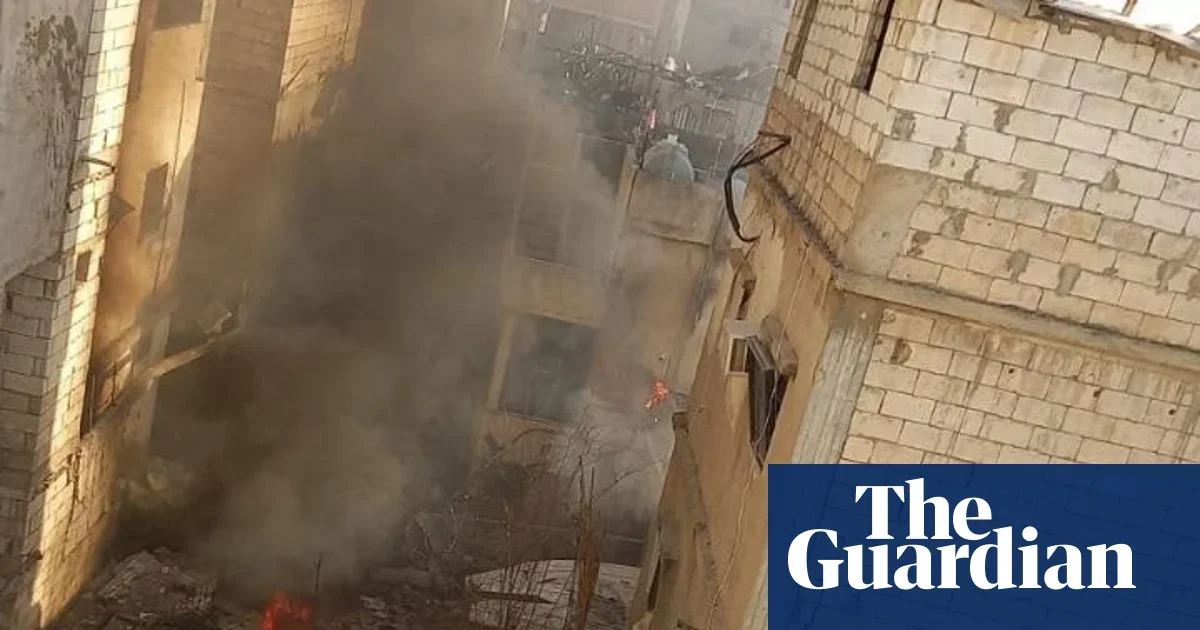
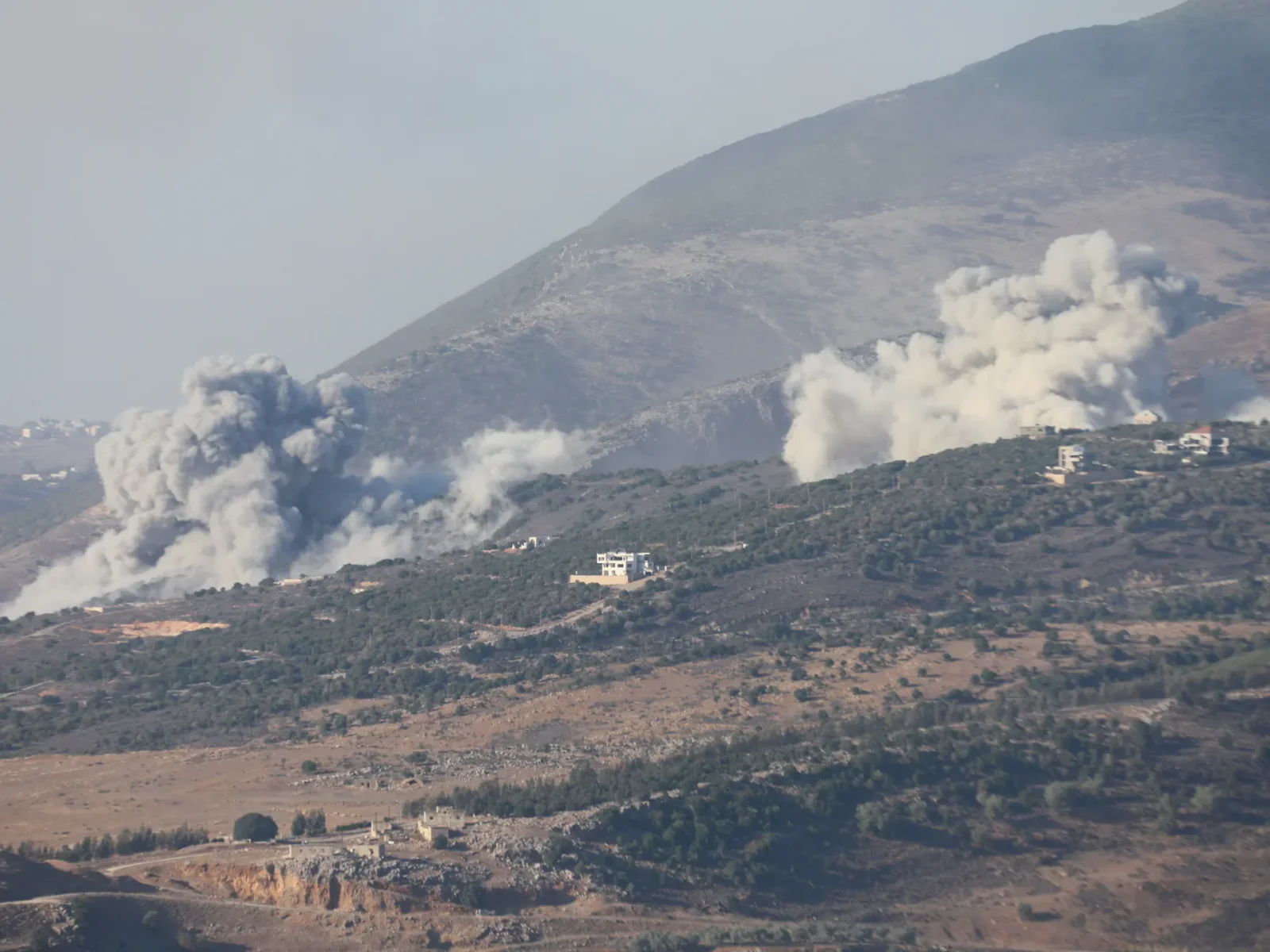
Israel conducted multiple airstrikes in Lebanon targeting sites associated with Hezbollah and Hamas, amid ongoing tensions and a scheduled Lebanese disarmament meeting, with no immediate casualties reported.
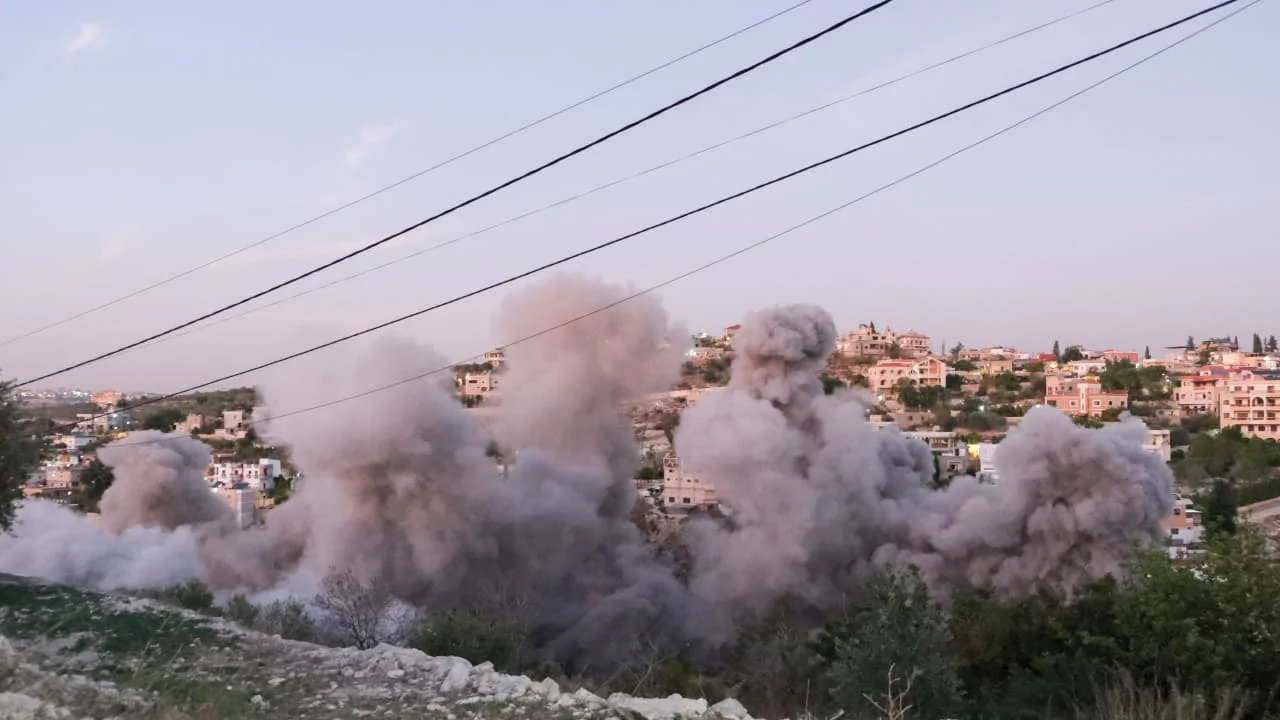
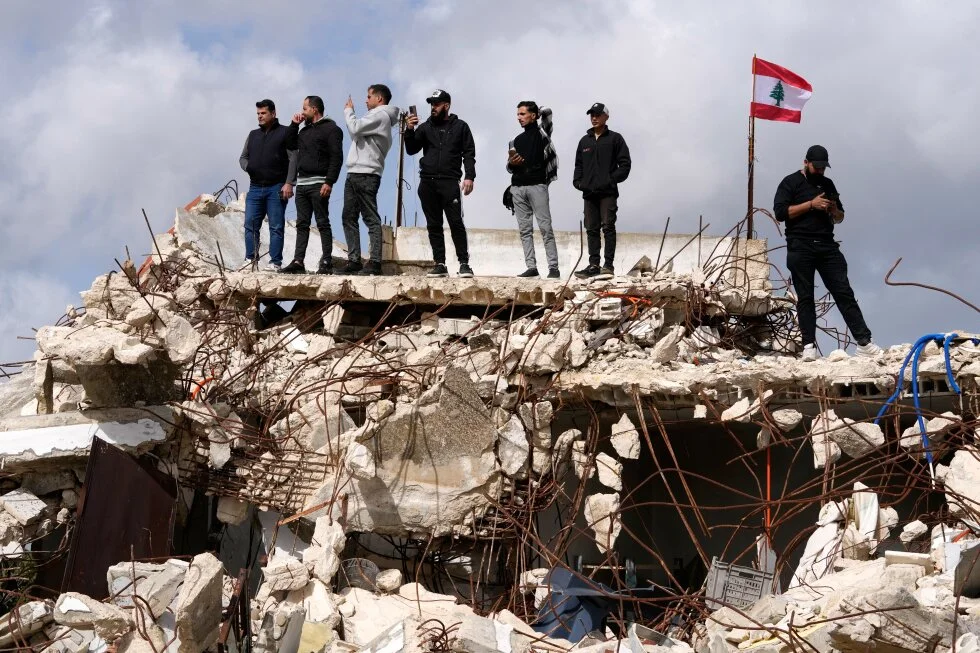
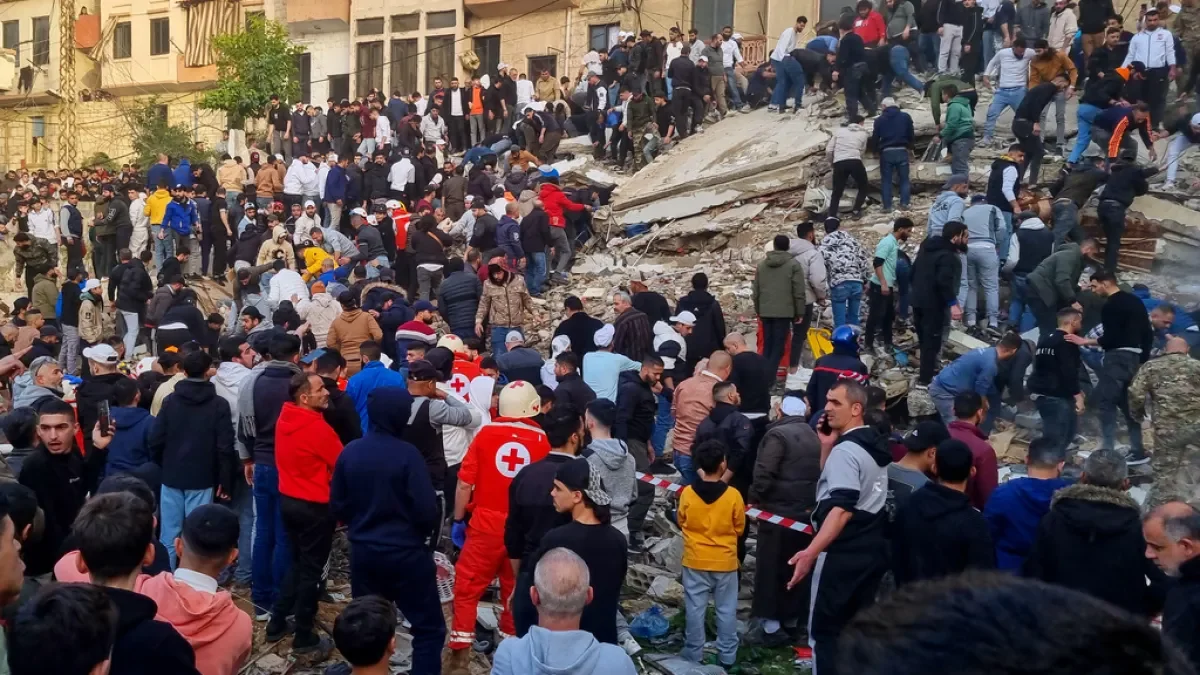
Israel launched airstrikes targeting Hezbollah and Hamas in Lebanon, following evacuation orders for villages amid ongoing tensions and violations of a previous ceasefire, with international criticism and concerns over escalation and civilian casualties.
U.S. President Trump is set to meet with Israeli Prime Minister Netanyahu to discuss the next phase of the Gaza ceasefire, regional security concerns including Iran and Hezbollah, and the potential establishment of a transitional governance in Gaza, amid stalled peace efforts and ongoing tensions in Lebanon and Iran.
Israel conducted airstrikes on Hezbollah targets in Lebanon, including a training site used by the elite Radwan Force, as part of ongoing efforts to prevent Hezbollah from rebuilding military capabilities, despite a ceasefire agreement. The strikes targeted training sites, weapons depots, and infrastructure, with casualties unknown, amid continued tensions and Israeli warnings of renewed military action if Hezbollah is not disarmed.
The IDF launched airstrikes on Hezbollah targets in Lebanon, including a combat training ground and weapon warehouses, as part of ongoing operations against Hezbollah's terror infrastructure, following recent assassinations of Hezbollah and Iranian military figures in Lebanon.
The Israeli military announced it killed Hussein Mahmoud Marshad al-Jawhari, a key Iranian Quds Force operative involved in planning attacks from Lebanon and Syria, in an operation in Ansariyeh, Lebanon, amid ongoing tensions and Israeli strikes targeting Iranian-backed groups.
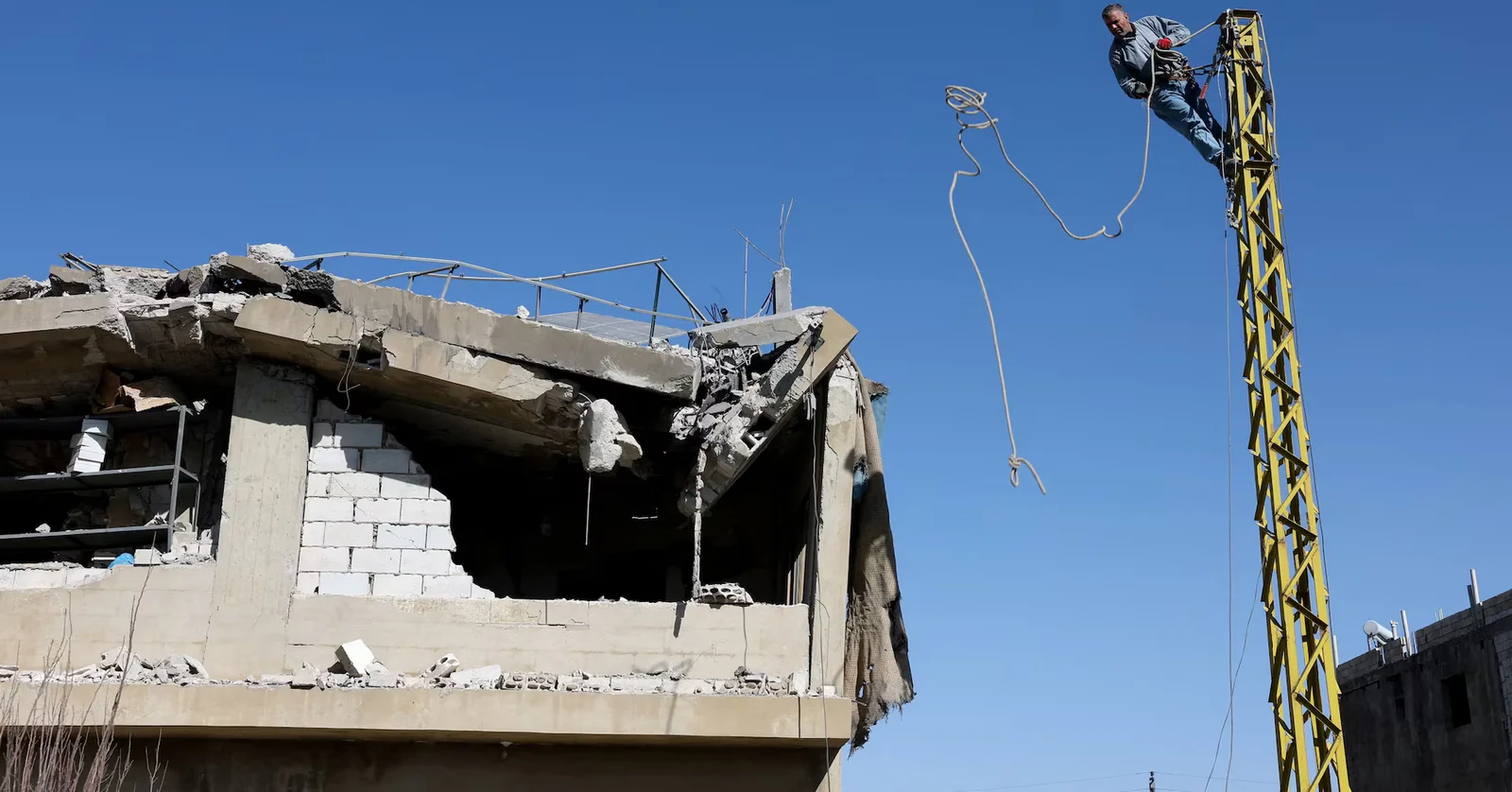
Israel conducted airstrikes in southern Lebanon targeting Hezbollah infrastructure amid a deadline for disarmament, with ongoing tensions and diplomatic efforts continuing despite violations of the ceasefire and accusations from both sides.
The IDF conducted a drone strike near Sidon, Lebanon, killing Ali Abdullah, a Hezbollah operative who also served in Lebanese army intelligence, along with two others. This marks the first recent case of Israel killing a Lebanese military official involved with Hezbollah, raising potential diplomatic concerns amid ongoing tensions and upcoming discussions between Israel and the US on Hezbollah disarmament and Lebanese security.
The article provides an update on various Middle Eastern issues as of December 18, 2025, including ongoing conflicts in Syria, Iran's regional activities, developments in Yemen, and Lebanon's political situation, highlighting diplomatic efforts, military actions, and regional tensions.
Israel and Lebanon are participating in their first-ever diplomatic talks at the Naqoura ceasefire meeting, with both countries sending civilian representatives to promote normalization and economic cooperation, facilitated by US pressure.
Pope Leo XIV held an open-air Mass in Beirut, inspiring Lebanon's vulnerable populations and urging Christians to remain in the Middle East despite ongoing hardships.
Pope Leo XIV visited Beirut to pray at the site of the 2020 port explosion, urging justice for victims and calling for national unity amid Lebanon's ongoing crises, including economic collapse and political paralysis, while also emphasizing interfaith respect and dialogue.