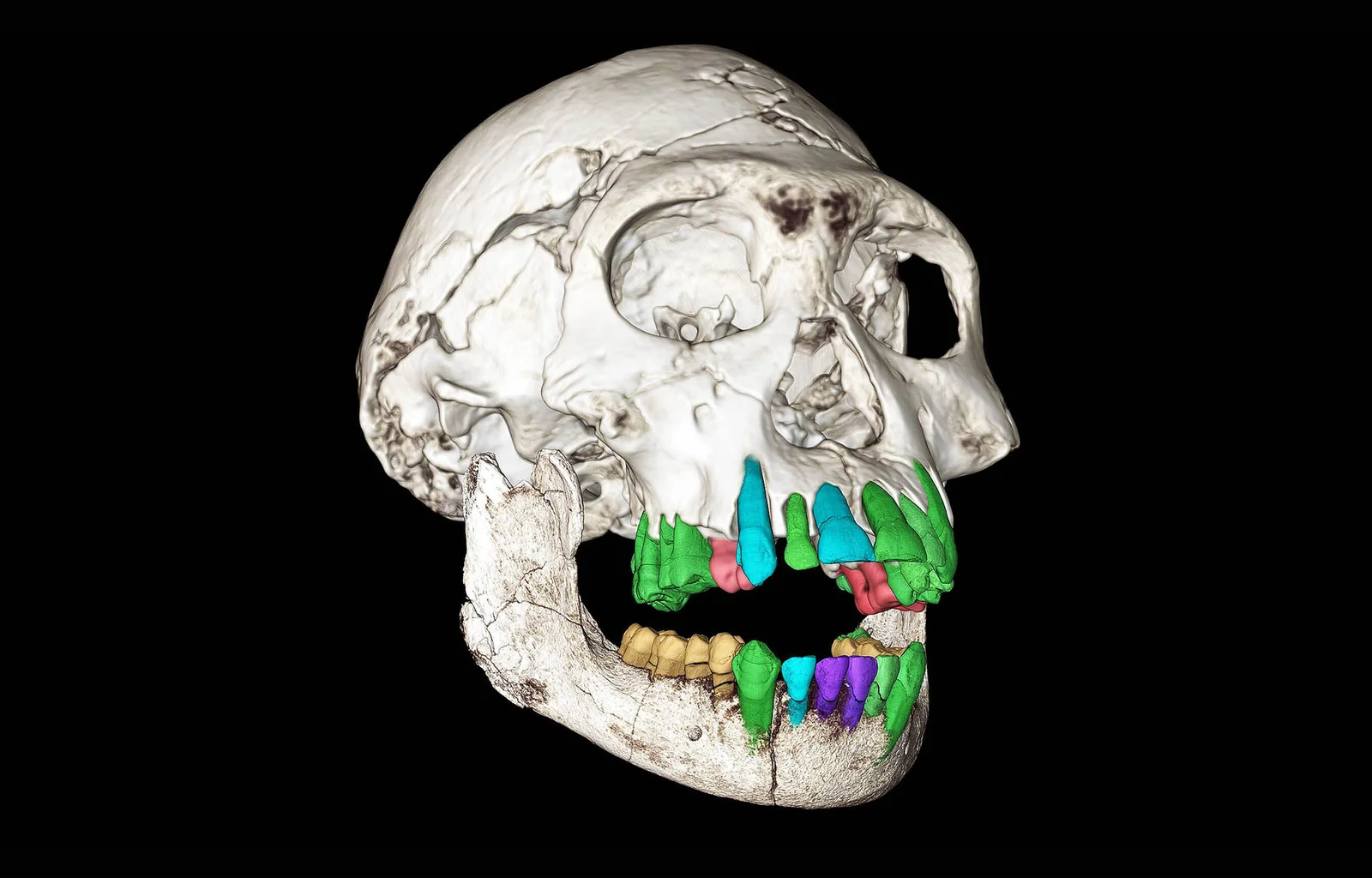
Fossil teeth from an 11-year-old early Homo individual suggest that prolonged childhood in humans may have evolved to support cultural learning and social support, rather than solely brain size increase, challenging traditional views on human development.
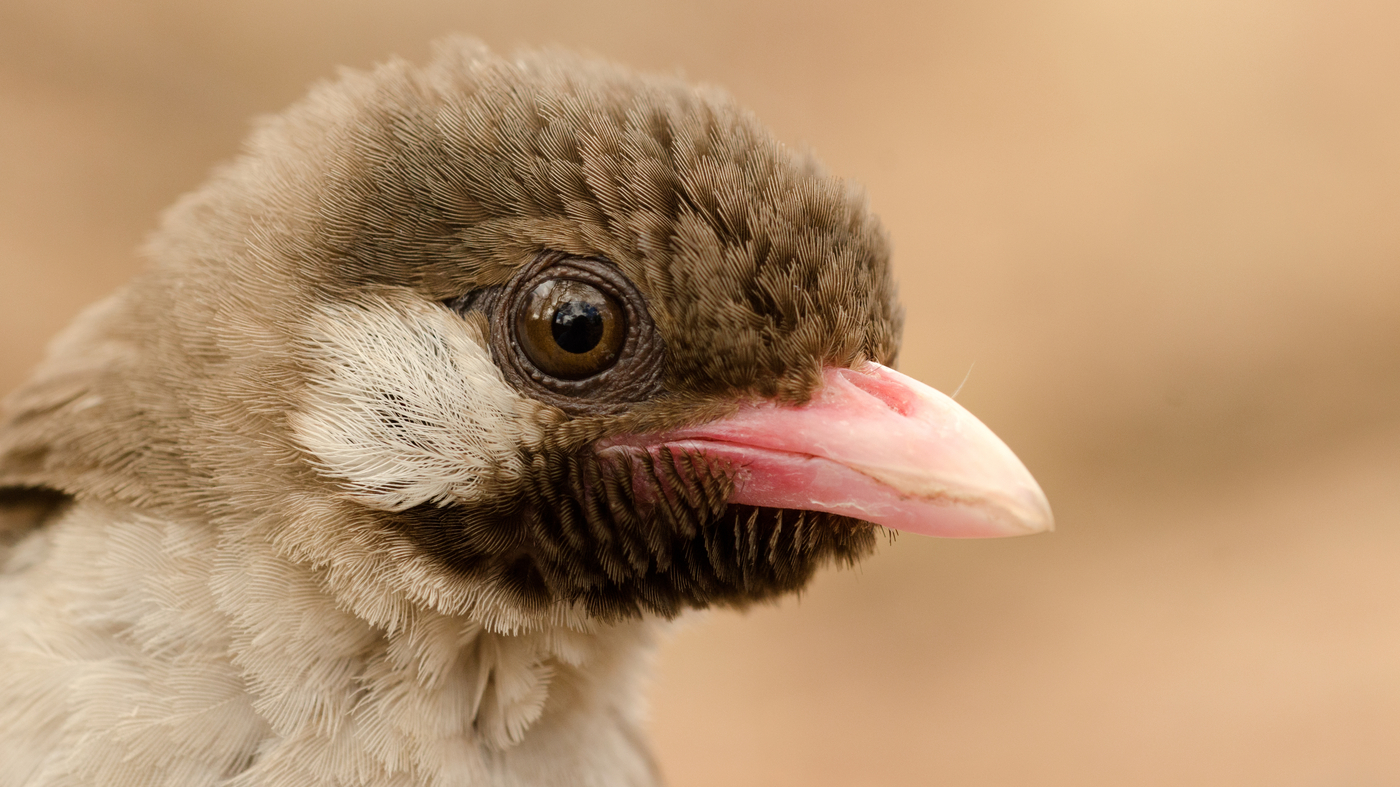
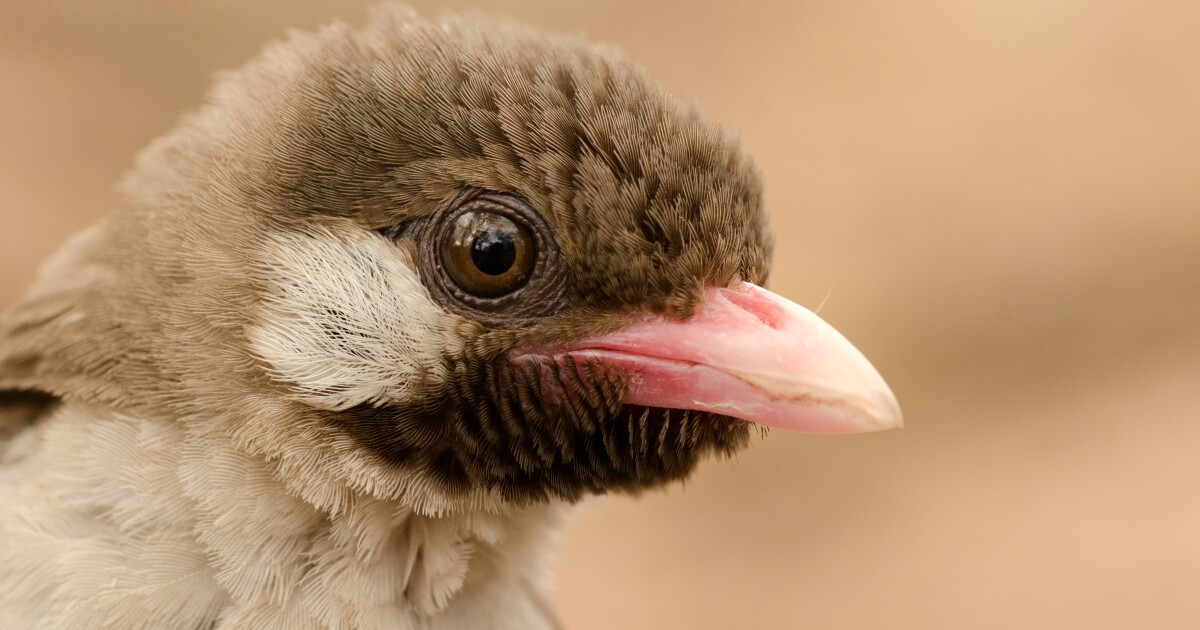
The Greater Honeyguide, a wild African bird, has a unique cooperative relationship with human honey foragers. Researchers have discovered that the birds learn to respond to specific whistles and calls made by the local foragers in Tanzania and Mozambique. The birds are more likely to appear and lead the foragers to honey when they hear the familiar calls of their usual human partners. This human-animal communication benefits both parties, with the birds providing valuable knowledge about honey locations, and the foragers sharing their skills in accessing the honey. The birds' ability to respond to culturally-specific cues is remarkable, as they do not come from a group of birds known for vocal learning. The learning process for the birds is still unclear, but it is possible that younger birds observe and imitate the behavior of older birds.
A new study published in the journal Science reveals that the Greater Honeyguide, a wild African bird, has the ability to learn and respond to the distinct whistles and calls made by human honey foragers in different regions. The birds are more likely to appear and lead humans to honey when they hear the recordings of the calls made by their usual human partners. This unique cooperative relationship between humans and wild animals benefits both parties and may have existed for thousands of years. The study suggests that the birds learn these culturally-specific cues from their elders, similar to how human honey foragers learn from their communities.
A new study published in the journal Science reveals that the Greater Honeyguide, a wild African bird, learns to respond to distinct whistles and calls made by human honey foragers in Tanzania and Mozambique. The birds are more likely to lead people to honey when they hear the familiar sounds made by their usual human partners. This cooperative relationship between humans and the honeyguide benefits both parties, with the birds providing knowledge of honey locations and the humans sharing their skills in accessing the honey. The study suggests that the birds learn these culturally-specific cues from observing their elders, highlighting the fascinating nature of human-animal communication.