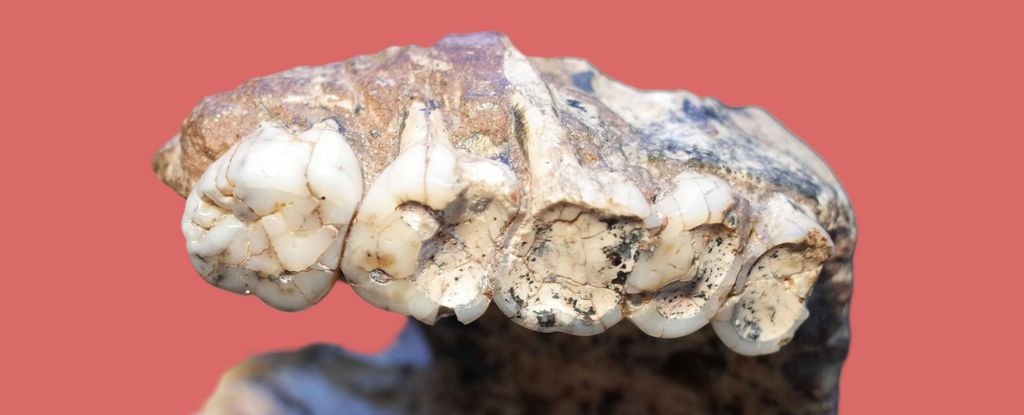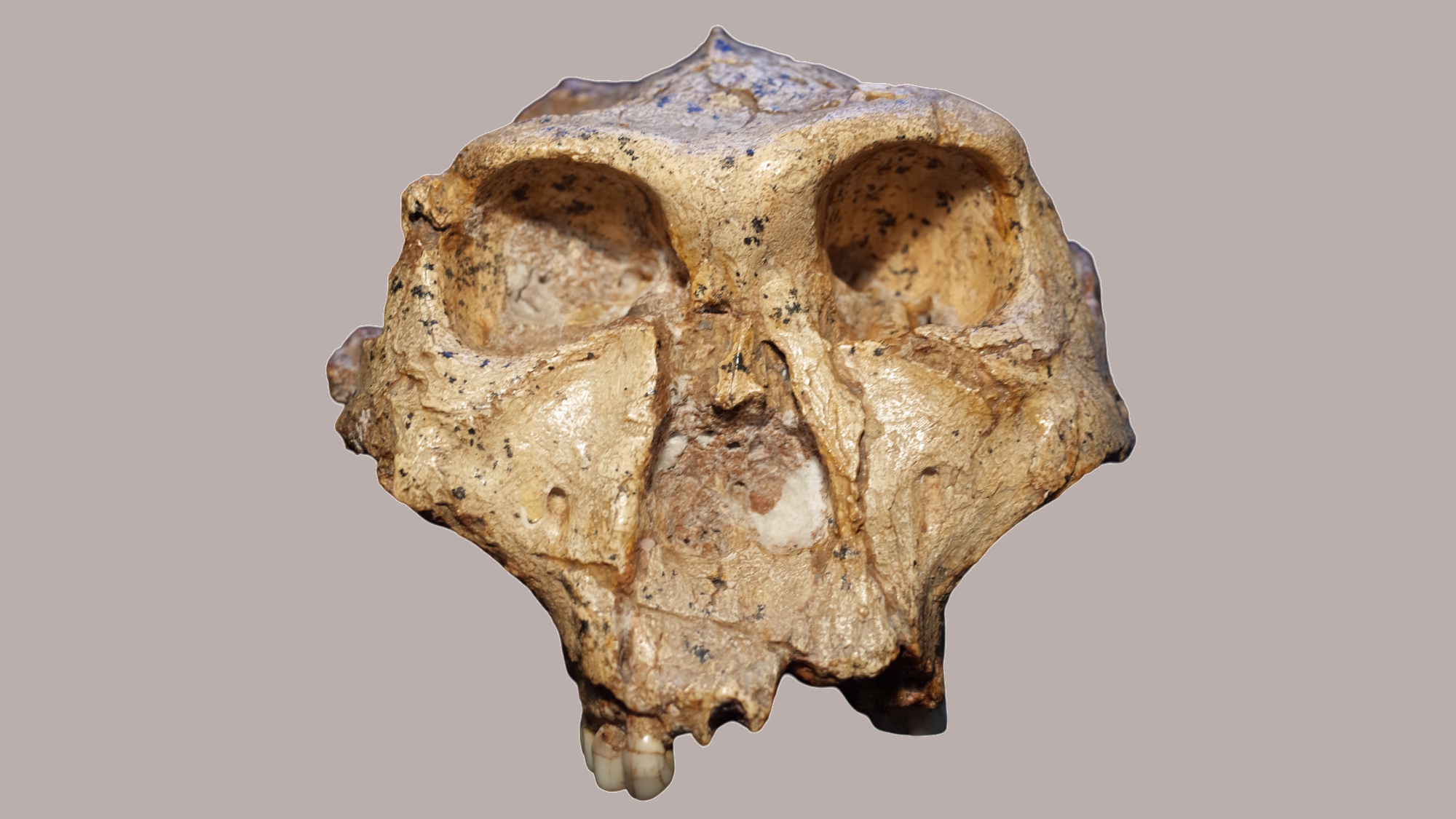
New research suggests that clusters of shallow pits on the enamel of teeth from Paranthropus relatives are likely genetic markers, not disease, providing potential insights into human evolutionary relationships and aiding in fossil identification, though further research is needed.
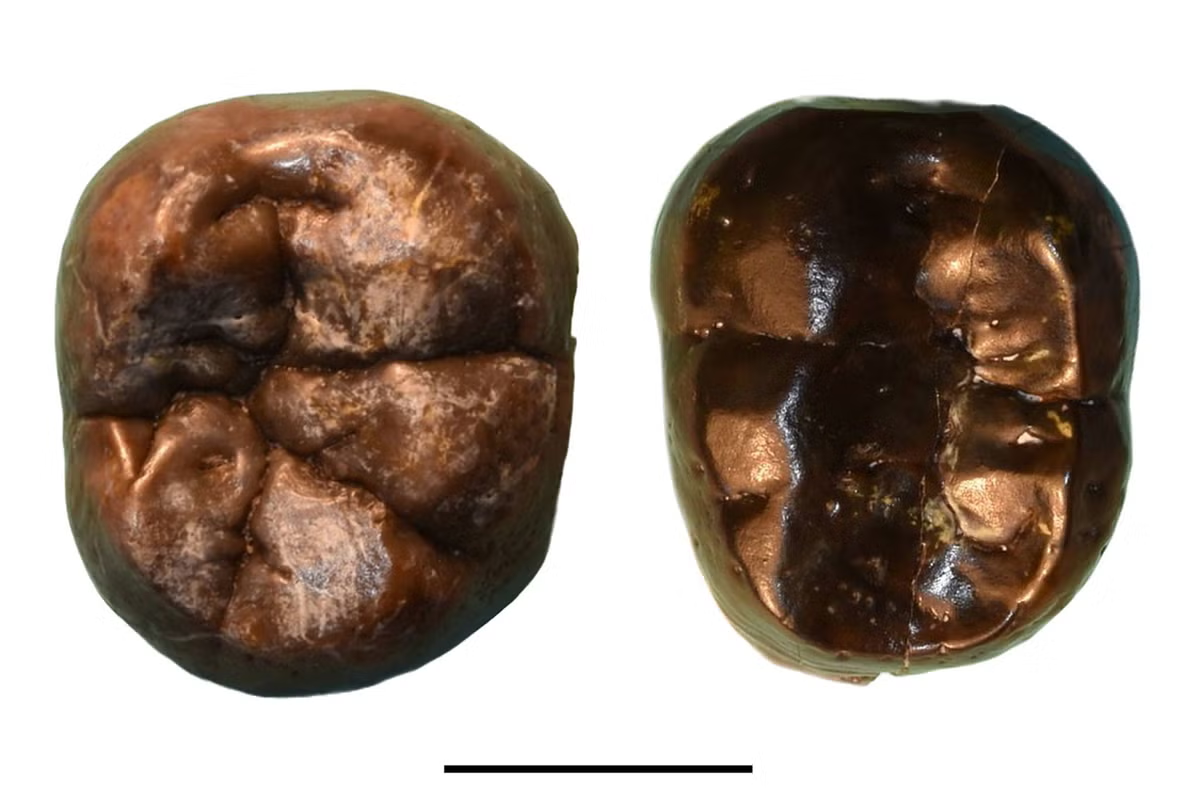
Researchers have identified a new evolutionary marker in fossil teeth—uniform, circular enamel pits—that may help trace the relationships among ancient hominin species, suggesting a genetic origin and offering a new tool for understanding human evolutionary history.
Researchers have identified uniform, shallow pits in fossil teeth, particularly in Paranthropus species, which are likely genetic traits rather than signs of disease or malnutrition. These pits could serve as new markers to trace evolutionary relationships among ancient hominins, offering insights into human ancestry and divergence.
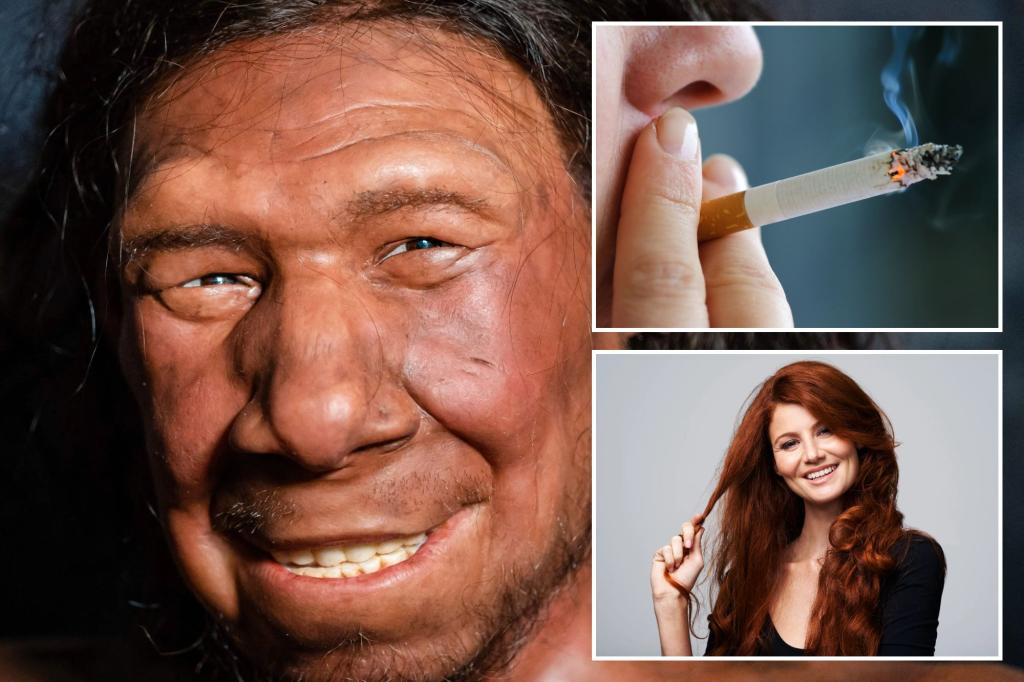
Research shows that many humans have Neanderthal DNA, with European or Asian backgrounds having 1% to 4% due to interbreeding, while some African populations have almost none. Genetic traits linked to Neanderthal DNA include a higher risk of nicotine addiction, straight and thick hair, being an early riser, a taller nose, susceptibility to severe COVID-19, and tendencies towards lighter or darker skin tones. These traits are remnants of Neanderthal influence on modern humans, despite their extinction 40,000 years ago.
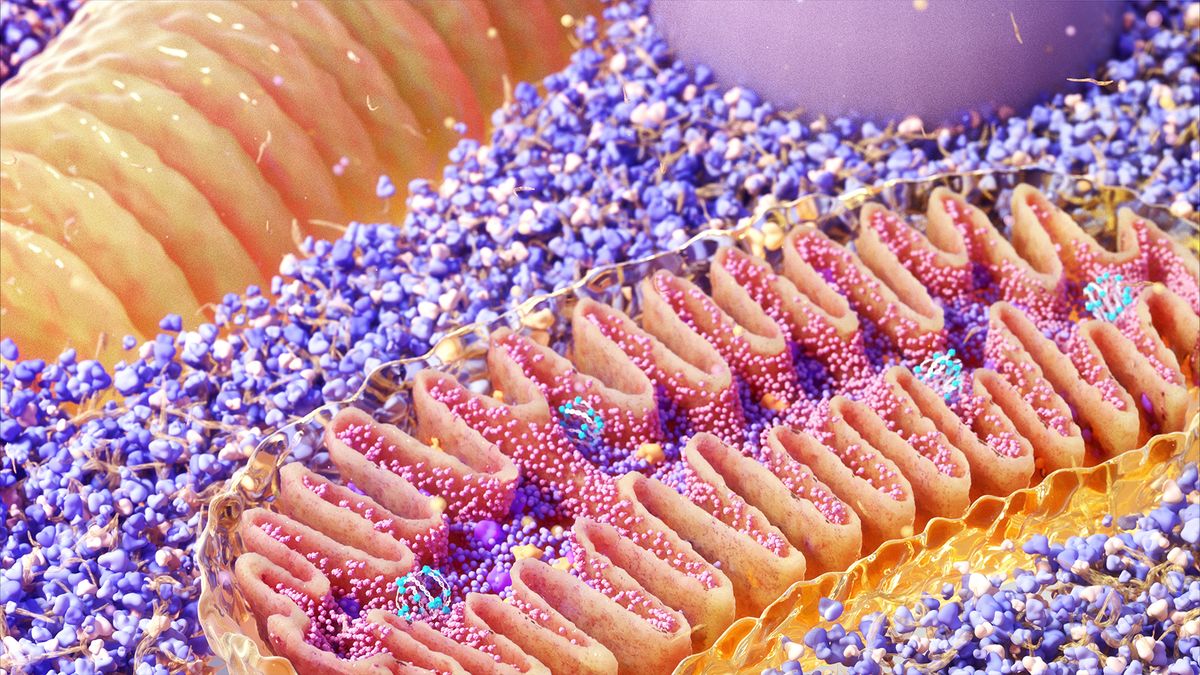
Scientists have identified potential bacterial relatives of the ancient protomitochondria, the microbe that gave rise to mitochondria, the "powerhouses of cells." These bacteria, known as Iodidimonadales, were found in geothermal hot springs and possess genetic traits essential to protomitochondria, such as the ability to produce energy with or without oxygen and create certain fats. Understanding the evolution of mitochondria could provide insights into diseases related to mitochondrial dysfunction and shed light on the origins of complex life.
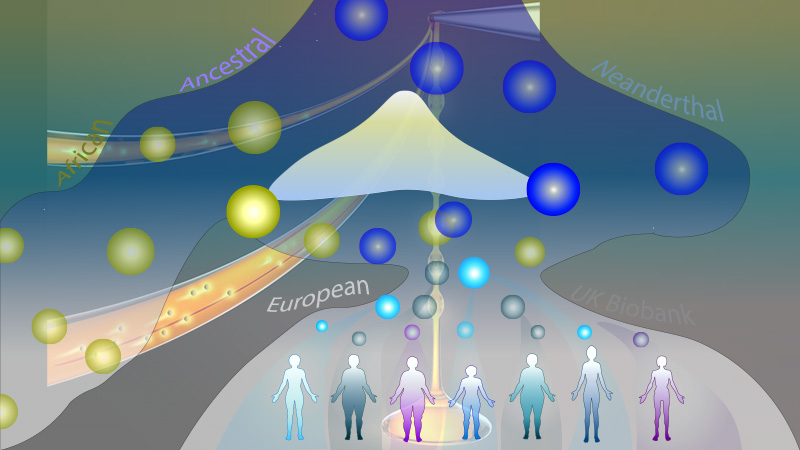
A UCLA-led team has developed a new suite of computational genetic tools to address the genetic effects of interbreeding between non-African humans and Neanderthals that took place some 50,000 years ago. The researchers discovered that some Neanderthal genes are responsible for certain traits in modern humans, including several with a significant influence on the immune system. However, the study shows that modern human genes are winning out over successive generations. The new computational methods developed by the team could offer a path forward in gleaning evolutionary insights from other large databases to delve deeper into archaic humans’ genetic influences on modern humans.