Tag

Fossil Site

All articles tagged with #fossil site

paleontology1 year ago

"Discovery of 470-Million-Year-Old Fossil Site by Amateurs"

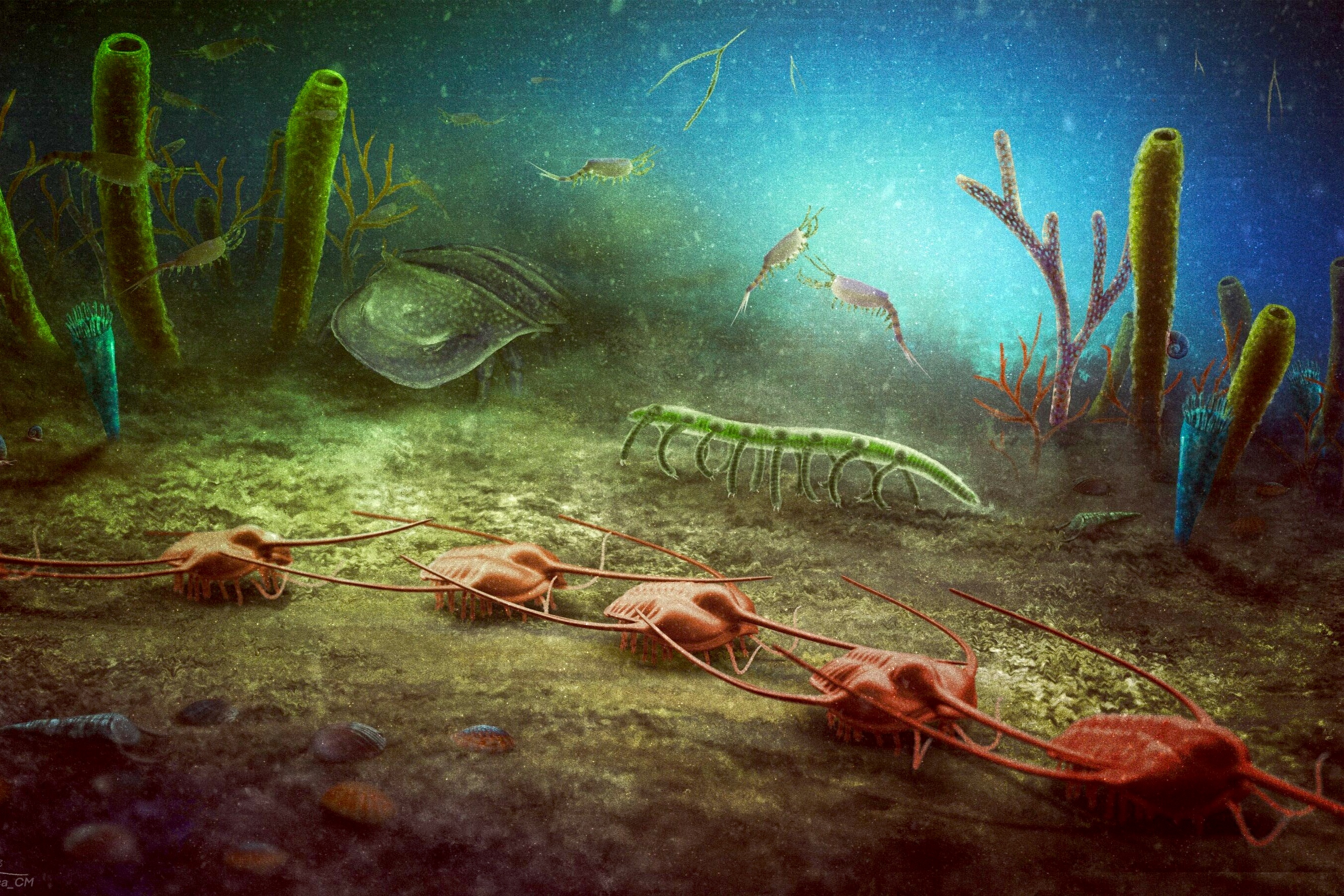
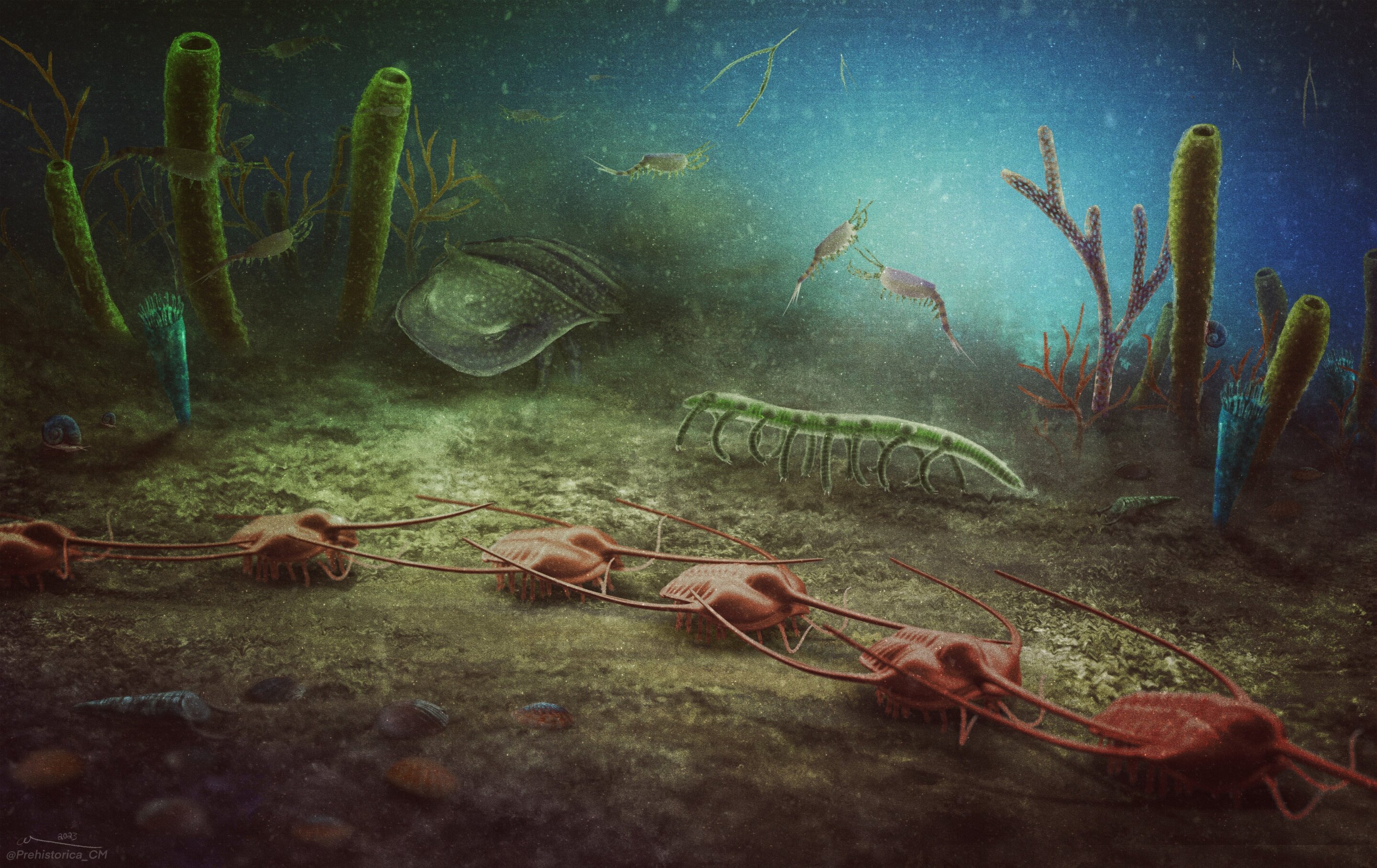
Amateur paleontologists have discovered a world-class fossil site in the south of France, containing almost 400 well-preserved fossils from 470 million years ago. The Cabrières Biota, as it's known, provides unprecedented insights into polar ecosystems during the Early Ordovician period, including arthropods, cnidarians, algae, and sponges. The site's high biodiversity suggests it served as a refuge for species escaping extreme equatorial temperatures, and ongoing research aims to uncover more about the preserved remains' anatomy, evolutionary relationships, and behavior.

paleontology1 year ago

"Southern France Unveils World-Class 470-Million-Year-Old Fossil Site"

A new fossil site, the Cabrières Biota, has been discovered in Montagne Noire, France, dating back to the Lower Ordovician period around 470 million years ago. This site contains over 400 well-preserved fossils, including rare soft elements, and provides insights into Ordovician polar ecosystems. The discovery suggests that the area served as a refuge for species during a time of intense global warming, offering a glimpse into the past and its potential implications for the future.

paleontology2 years ago

Unveiling Extraordinary Fossils: Shedding Light on the End of the Dinosaur Age

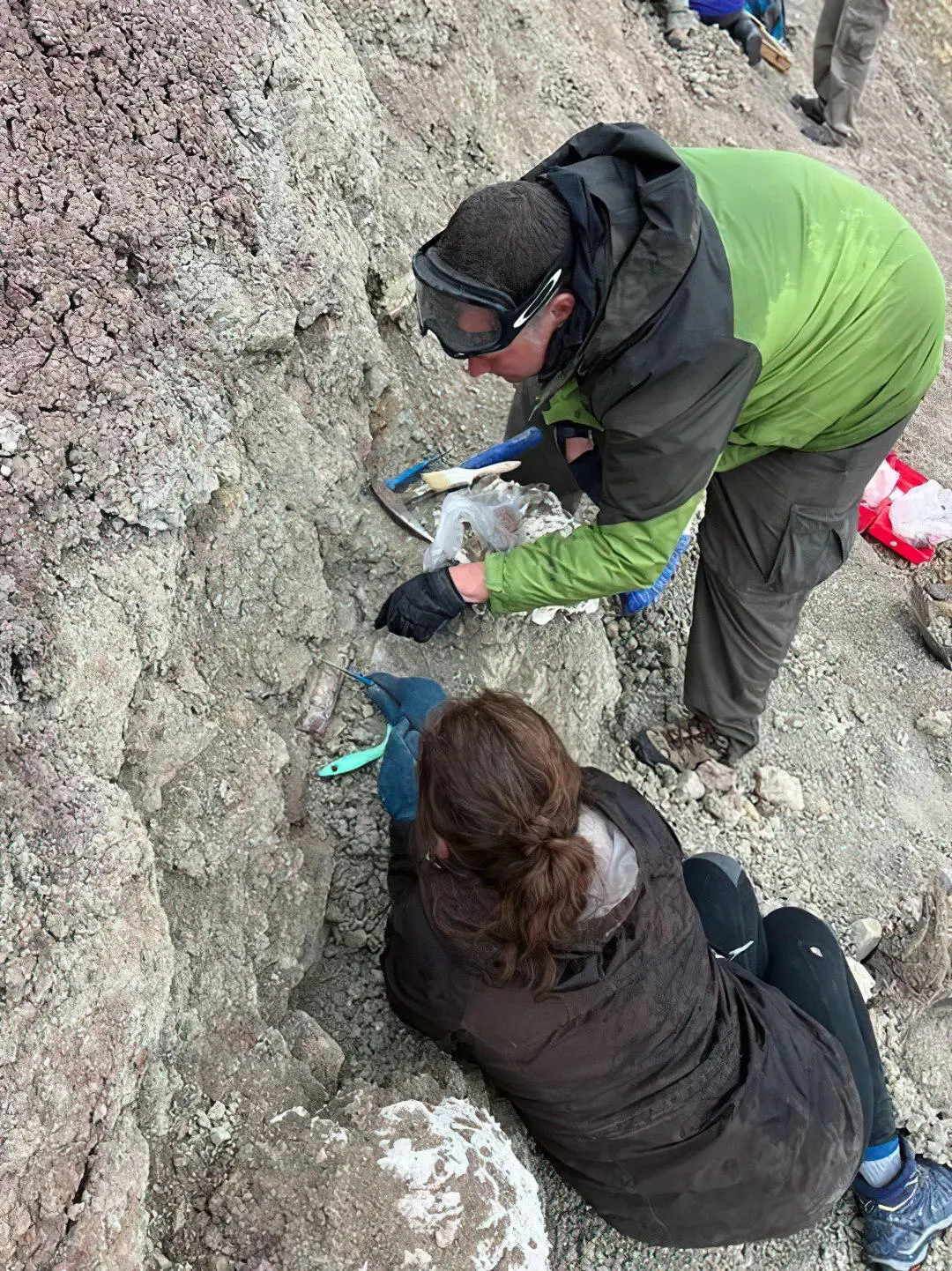
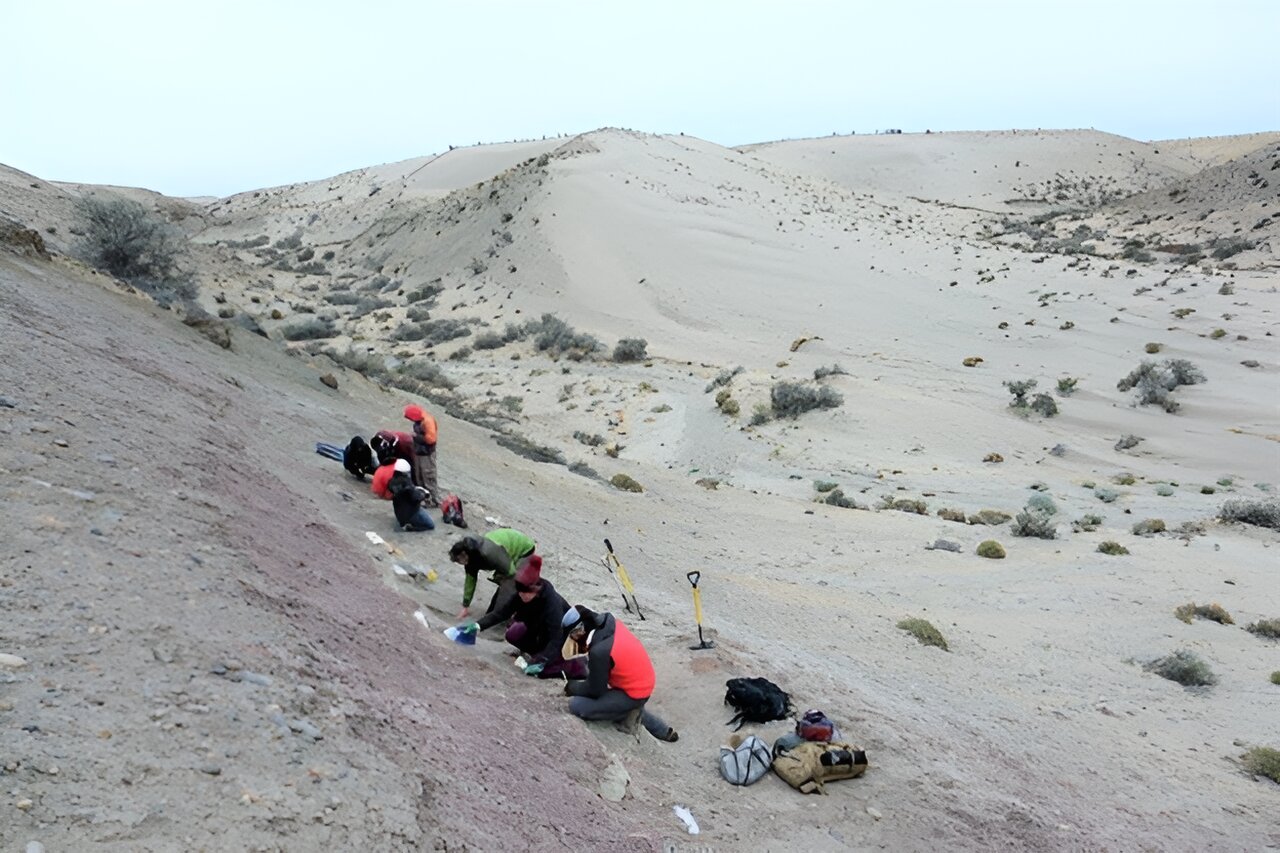
Scientists have uncovered an extraordinary fossil site in Argentina called the Cañadón Tomás Quarry, which is shedding new light on life at the end of the Cretaceous period. The site has revealed numerous bones from hadrosaurs, including individuals of different sizes, potentially indicating a social group or herd. Additionally, the team discovered fossils of non-avian predatory dinosaurs, a Cretaceous snake, and the upper jaw of a small mammal, which is the first of its kind found in the region. The findings provide crucial insights into Southern Hemisphere non-avian dinosaurs and the expansion of mammals following the extinction of dinosaurs. Excavations at the site are ongoing, with the potential for more discoveries and new species.

paleontology2 years ago

"Unearthed: Extraordinary Fossils from South America's Dinosaur Era"

A fossil site known as the Cañadón Tomás Quarry in Argentina's Patagonia region is providing new insights into life at the end of the Cretaceous period. Excavations have uncovered numerous bones from hadrosaurs, as well as fossils from non-avian predatory dinosaurs, a snake, and a small mammal. The site has the potential to shed light on the biodiversity and evolution of Southern Hemisphere dinosaurs and contribute to our understanding of the Cretaceous-Paleogene boundary.

paleontology2 years ago

Uncovering Denali National Park's Dinosaur 'Coliseum': Scientists Investigate

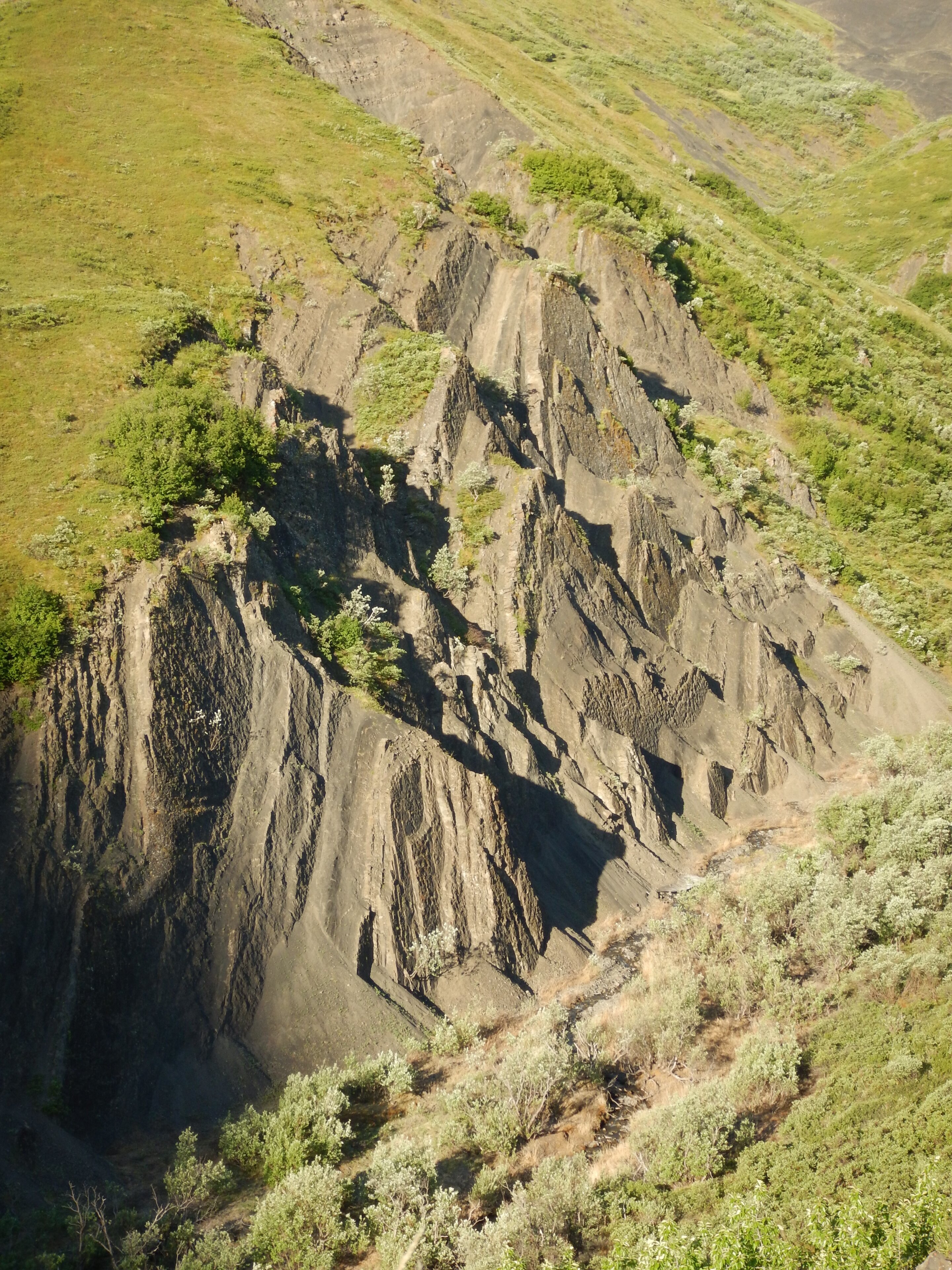
Scientists have discovered and documented the largest known single dinosaur track site in Alaska, located in Denali National Park and Preserve. Dubbed "The Coliseum," the site is the size of one-and-a-half football fields and contains layer upon layer of dinosaur tracks preserved in rock. The tracks provide insights into the diverse species of dinosaurs that thrived in Interior Alaska nearly 70 million years ago, including plant-eating duck-billed and horned dinosaurs, as well as carnivores like raptors and tyrannosaurs. The site also reveals evidence of fossilized plants, pollen grains, and freshwater shellfish, painting a picture of the ancient ecosystem. Preserving fossil sites like The Coliseum is crucial, and further exploration is expected to uncover more surprises.

science2 years ago

Arthropod Dominance Revealed in Ancient Fossil Site.

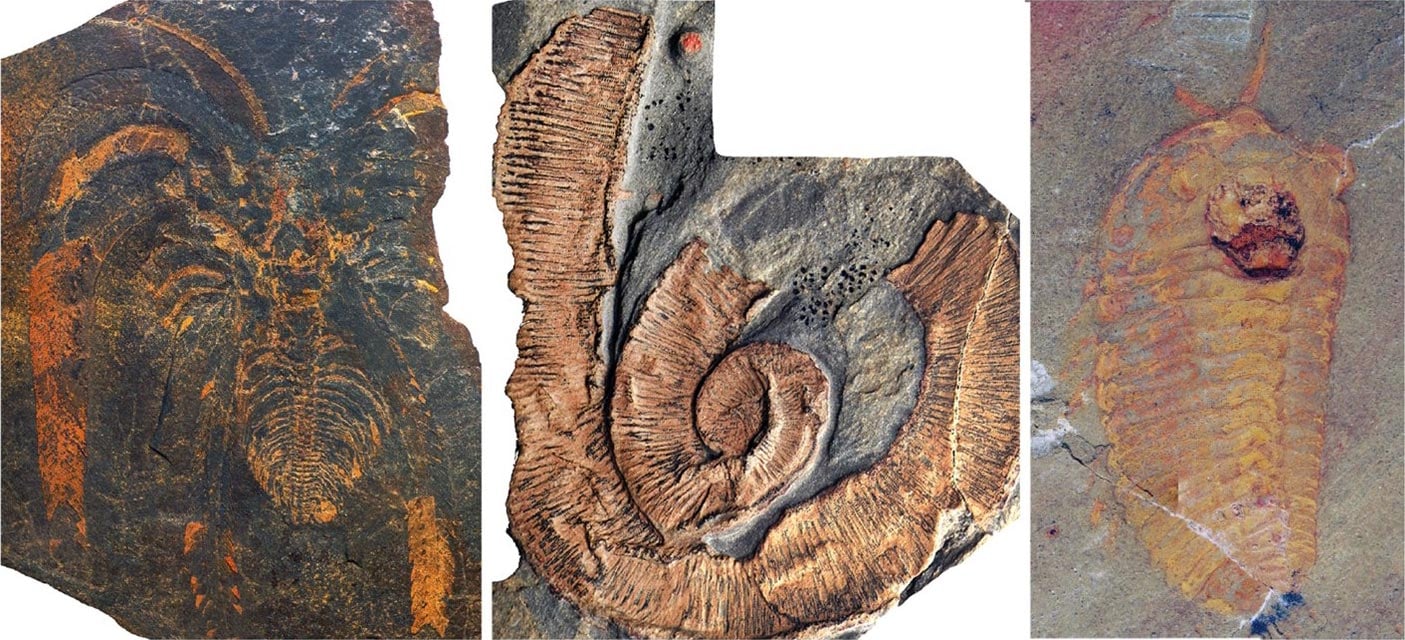
A new fossil site in Taichoute, Morocco, has revealed that giant arthropods dominated the seas 470 million years ago, some potentially up to 2 meters long. The site, part of the wider Fezouata Biota, offers new insights into paleontological and ecological research. The Fezouata Shale has been recognized as one of the 100 most important geological sites worldwide for understanding evolution during the Early Ordovician period.

science2 years ago

"Scottish Fossil Site Unlocks Secrets of Early Life"

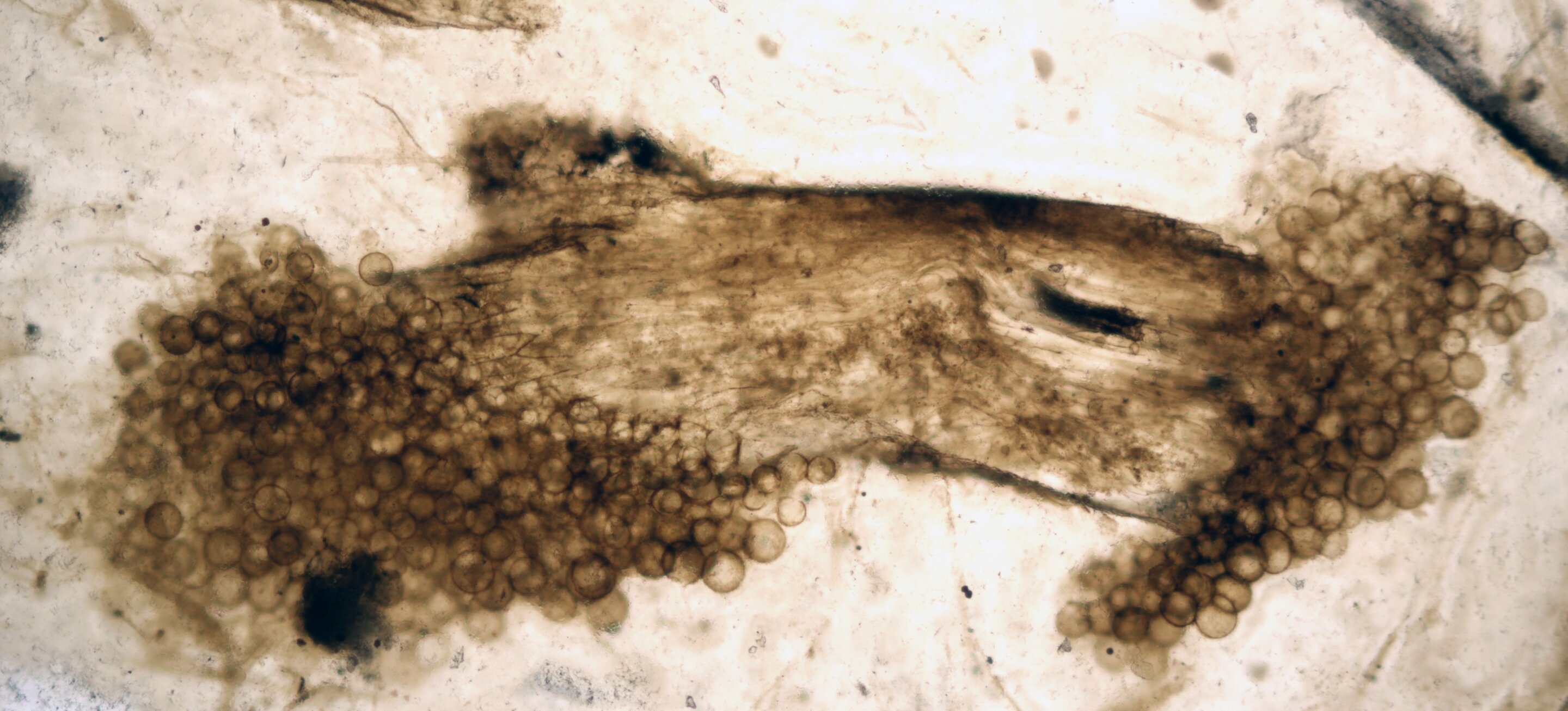
Researchers have used non-destructive imaging, data analysis, and machine learning to analyze a 400 million-year-old fossil hoard found in rural north-east Scotland. The Rhynie chert, which originates from the Early Devonian period, has a significant role to play in scientists' understanding of life on Earth. The team used FTIR spectroscopy to identify the chemical fingerprints of the various organisms within the fossils, revealing better preservation at a molecular level than previously anticipated. The molecular fingerprints were then used to identify some of the more mysterious members of the Rhynie ecosystem, including two specimens of an enigmatic tubular "nematophyte."