
Tag

Cabrieres Biota

All articles tagged with #cabrieres biota

"Amateur Paleontologists Uncover 470-Million-Year-Old Fossil Site in France"
paleontology2 years ago

"Amateur Paleontologists Uncover 470-Million-Year-Old Fossil Site in France"

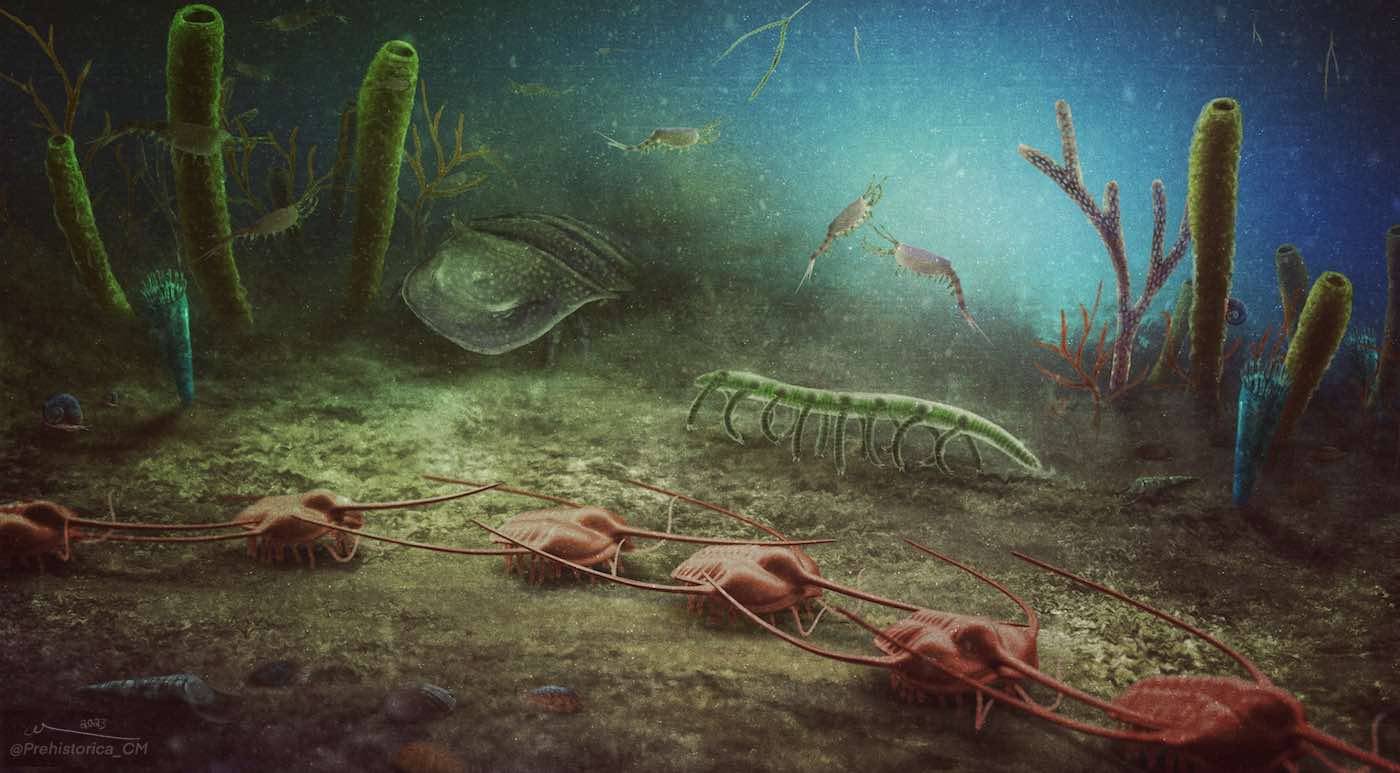
Amateur paleontologists in France have discovered the Cabrières Biota, a site containing nearly 400 well-preserved fossils dating back 470 million years to the Ordovician period, indicating a refuge for species escaping global warming. The diverse fossil site, rich in arthropods, cnidarians, algae, and sponges, provides insight into ecosystems near the South Pole during a time of intense global warming. Swiss researchers aim to further study the fossils' anatomy and relationships, with the findings published in Nature Ecology & Evolution.

"Discovery of 470-Million-Year-Old Fossil Site by Amateurs"
paleontology2 years ago

"Discovery of 470-Million-Year-Old Fossil Site by Amateurs"

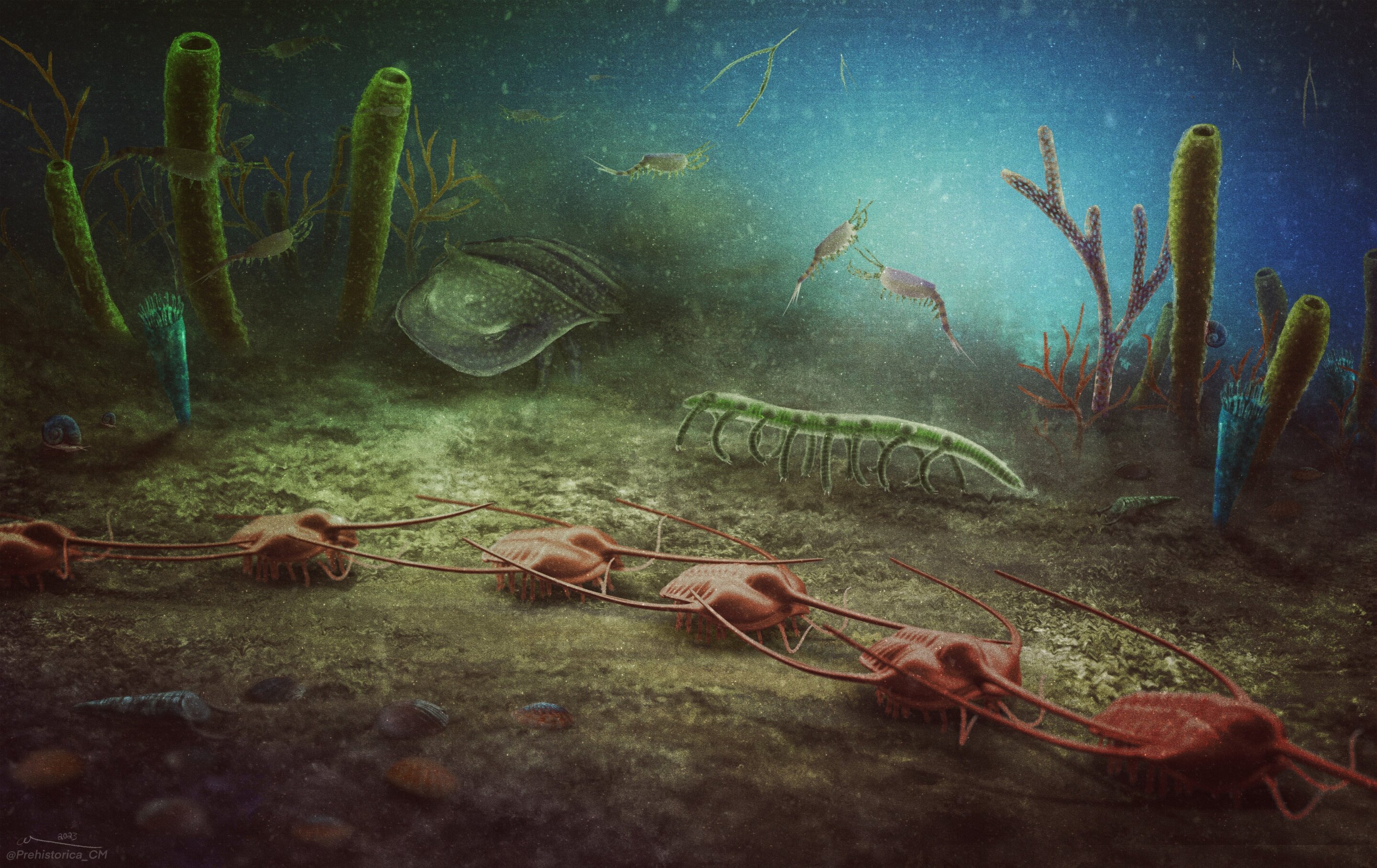
Amateur paleontologists have discovered a world-class fossil site in the south of France, containing almost 400 well-preserved fossils from 470 million years ago. The Cabrières Biota, as it's known, provides unprecedented insights into polar ecosystems during the Early Ordovician period, including arthropods, cnidarians, algae, and sponges. The site's high biodiversity suggests it served as a refuge for species escaping extreme equatorial temperatures, and ongoing research aims to uncover more about the preserved remains' anatomy, evolutionary relationships, and behavior.

"Southern France Unveils World-Class 470-Million-Year-Old Fossil Site"
paleontology2 years ago

"Southern France Unveils World-Class 470-Million-Year-Old Fossil Site"

A new fossil site, the Cabrières Biota, has been discovered in Montagne Noire, France, dating back to the Lower Ordovician period around 470 million years ago. This site contains over 400 well-preserved fossils, including rare soft elements, and provides insights into Ordovician polar ecosystems. The discovery suggests that the area served as a refuge for species during a time of intense global warming, offering a glimpse into the past and its potential implications for the future.