
Unveiling Arctic Lake Methane Impact through Ancient Plant Wax
TL;DR Summary
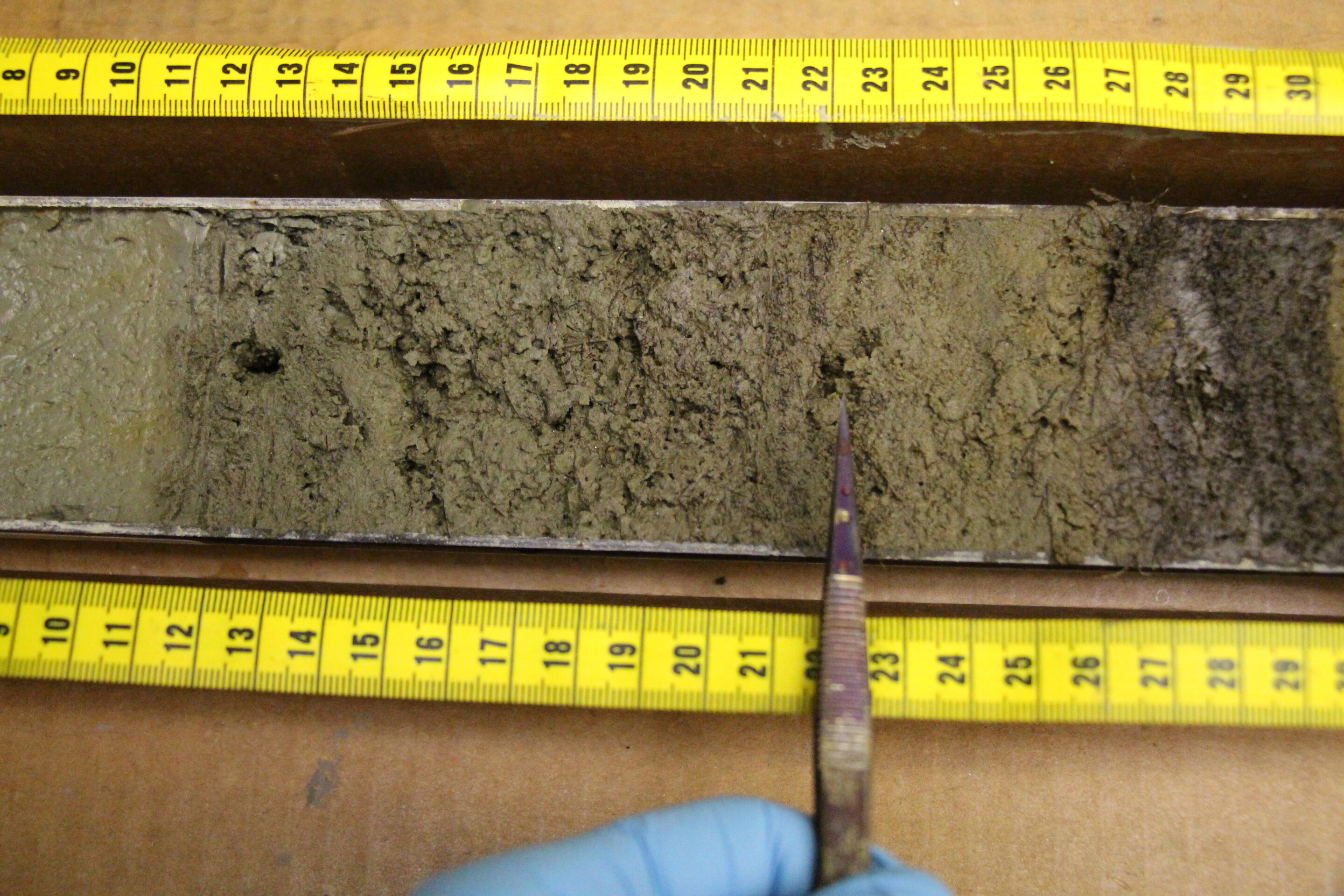
Researchers studying ancient plant wax preserved in sediment from Arctic lakes in Greenland have gained insights into how methane production in these lakes is affected by climate change. By examining the waxy coatings of leaves from the early-to-middle Holocene period, the researchers found that past warming caused lakes across Greenland to generate methane. This is significant because methane is a potent greenhouse gas. The study suggests that ongoing warming could lead to increased methane emissions from Arctic lakes, highlighting the importance of understanding the dynamics between warming temperatures and methane production in these regions.
Reading Insights
Total Reads
0
Unique Readers
0
Time Saved
4 min
vs 5 min read
Condensed
89%
864 → 94 words
Want the full story? Read the original article
Read on Phys.org