
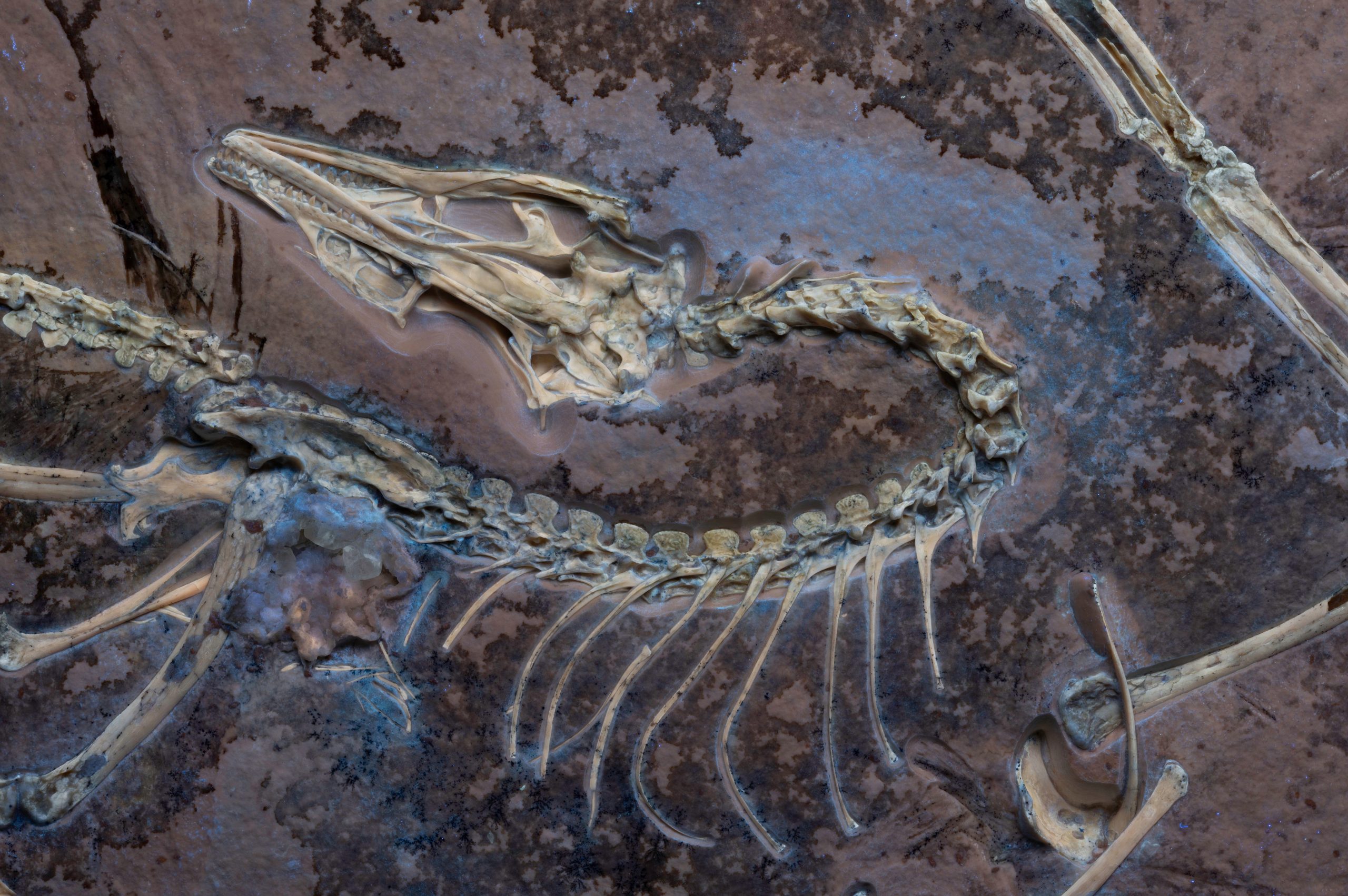
A newly discovered, well-preserved Archaeopteryx fossil from Chicago provides new insights into the evolution of flight in dinosaurs, revealing soft tissues, feathers, and anatomical features that demonstrate its ability to fly, supporting the idea that flight evolved more than once in dinosaurs.
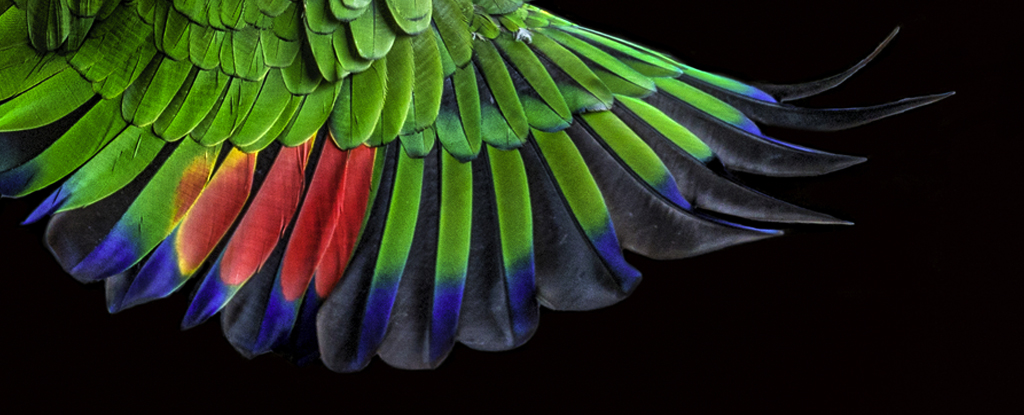
Scientists analyzing hundreds of bird specimens have discovered a set of feather rules that can predict which dinosaurs could fly, settling debates on the evolution of flight. All flying birds have 9 to 11 asymmetrical flight feathers, while flightless birds vary in the number of primary feathers. Fossil analysis suggests flight evolved once in dinosaurs, with some species losing the ability while others became modern birds. The research challenges previous claims about multiple flight evolutions in dinosaurs and highlights the importance of examining feather structure in assessing flight potential.