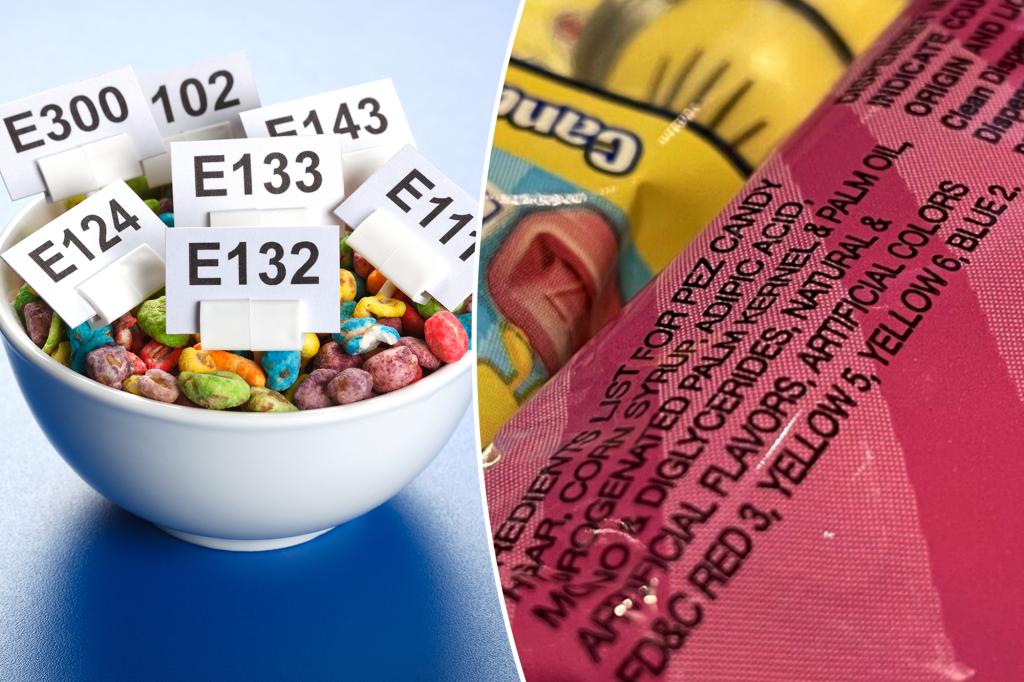
Following California's ban on four harmful food chemicals, multiple states are considering similar prohibitions on certain food additives linked to health risks, including cancer. The banned substances include brominated vegetable oil, potassium bromate, propylparaben, and red dye 3. States like New York, New Jersey, Pennsylvania, Illinois, and Missouri are looking to enact laws to prohibit these additives in food products. The FDA has also proposed revoking the regulation authorizing the use of brominated vegetable oil in food due to adverse health effects. Various food and beverage products containing these additives could be affected, and some companies have committed to removing these substances from their products.
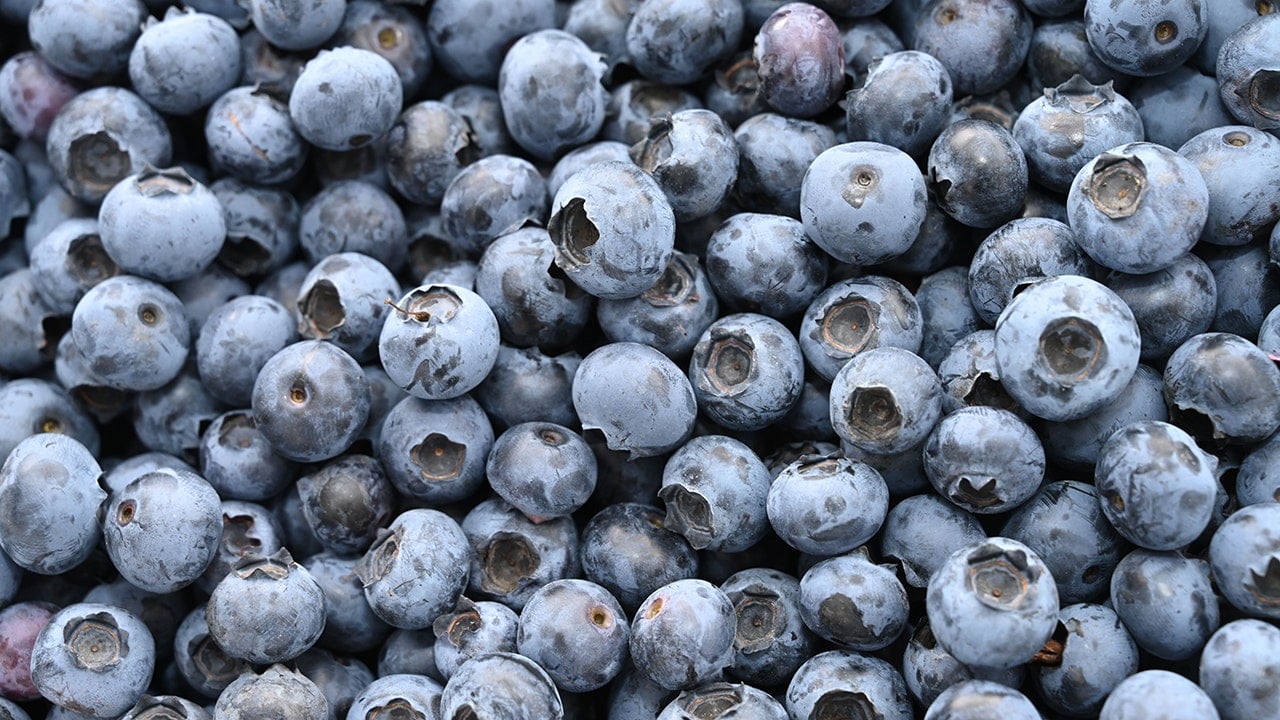
Consumer Reports' comprehensive review of pesticides in 59 common fruits and vegetables found that about 20% contained risky levels of pesticide residues, with imported produce, especially from Mexico, being particularly likely to carry these residues. The report highlighted specific high-risk foods and suggested substitutions, emphasizing that certain pesticides pose serious health concerns, especially for children and pregnant women. Consumer Reports recommended limiting consumption of high-risk foods and opting for organic alternatives where possible.
Several US states are considering banning popular snacks and candies due to cancer-causing chemicals in their ingredients, including cereals like Lucky Charms and Froot Loops, candies such as Skittles, M&M’s, and Swedish Fish, and snacks like Flamin’ Hot Cheetos and Doritos. Chemicals like brominated vegetable oil, potassium bromate, and certain food dyes have been linked to cancer and behavioral problems, prompting states like California and New York to propose bans. The purpose of these bans is to pressure companies into changing their recipes, but the approach is currently enacted state by state.
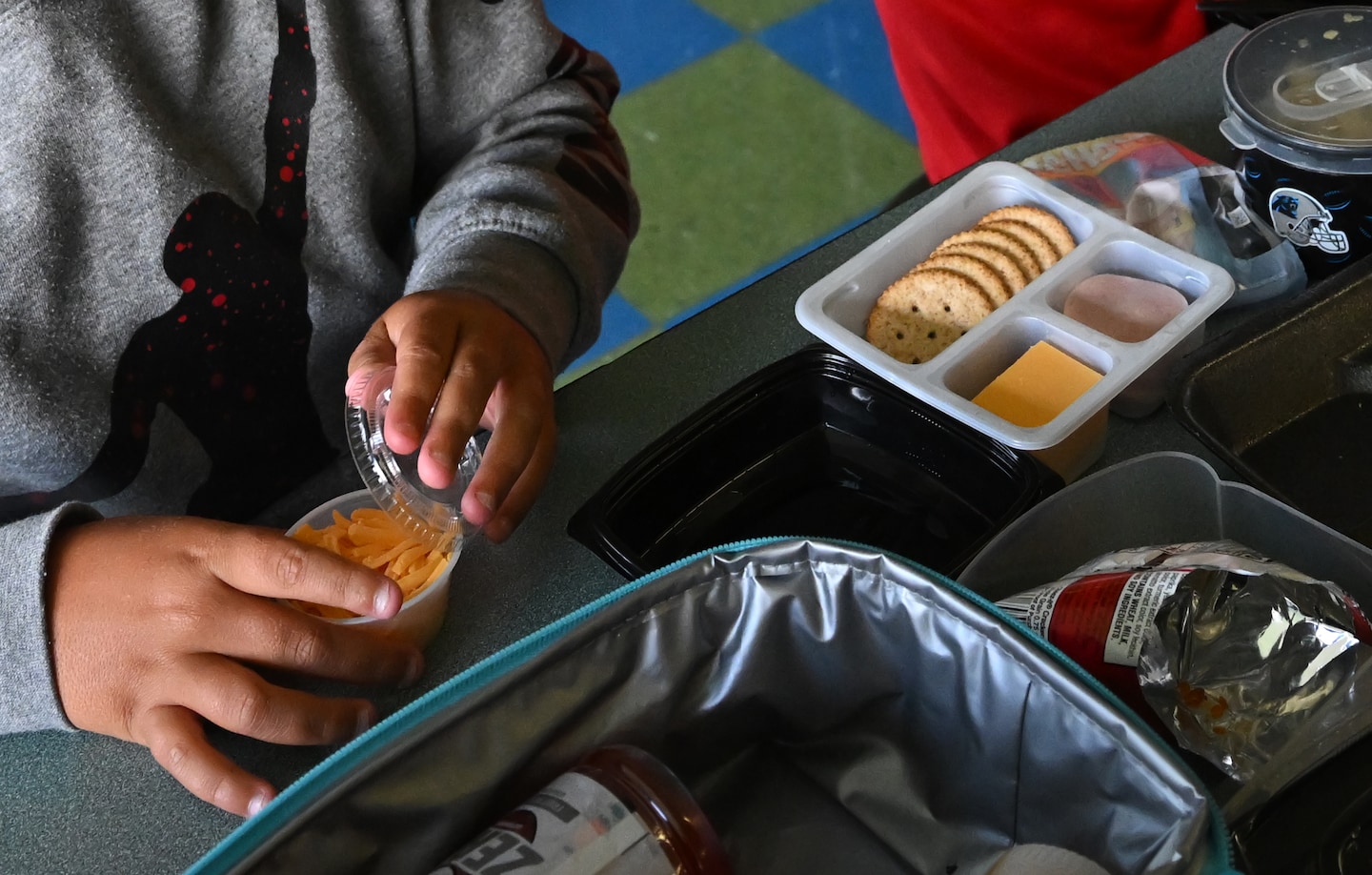
Consumer Reports found high levels of lead and sodium in Lunchables and similar lunch kits from other brands, prompting concerns about the health impact on children. Kraft Heinz defended Lunchables, stating that the products meet safety standards and provide added nutrients. Medical experts warn that lead exposure can lead to neurodevelopmental and physical issues in children, while excessive sodium intake can increase the risk of metabolic disturbances, cardiovascular disease, and kidney impairment. Over 17,000 people have signed a petition asking the USDA to remove Lunchables from school cafeterias.
Consumer Reports testing found that Lunchables and other meal kits contain high levels of sodium and harmful chemicals, including lead and phthalates. The advocacy group is urging the Department of Agriculture to remove Lunchables from the school meal program due to concerns about the health risks associated with these ingredients. Kraft Heinz defends the safety of Lunchables, stating that they meet strict standards and have made efforts to improve their nutrition profile. The USDA says it doesn't regulate individual food items but has requirements addressing the overall content of meals served in schools.
Consumer Reports has found concerning levels of lead, sodium, and potentially harmful chemicals in Lunchables, prompting a petition to remove the Kraft Heinz products from the National School Lunch Program. The watchdog's testing revealed elevated lead levels and phthalates in the packaging, raising concerns about children's health risks. Kraft Heinz defended its products, but critics argue that ultra-processed foods like Lunchables are inappropriate for school lunches and call for stricter nutrition standards to ensure children have access to healthier options.
Consumer Reports found relatively high levels of lead, cadmium, and sodium in Lunchables, along with harmful phthalates. The sodium levels in the kits exceeded a child's daily recommended limit, and the school versions had even higher levels. Kraft Heinz defended the products, stating they meet strict safety standards and provide nutrients, but CR started a petition to remove Lunchables from the National School Lunch Program. The USDA stated that they don't allow or disallow individual food items but focus on the overall nutritional quality of meals.
Consumer Reports found concerning levels of lead and sodium in Lunchables and similar lunch and snack kits, with some products exposing children to 50% or more of California's maximum allowable amount of lead. The advocacy group warned against regularly consuming these highly processed products, citing potential health risks, while Kraft Heinz defended the nutritional value of Lunchables and highlighted recent efforts to improve their nutrition profile.
Health experts are advising Americans to avoid eggs with runny yolks due to increasing cases of bird flu in the US, which can contaminate eggs laid by infected chickens. Cooking eggs thoroughly can kill off any lingering virus fragments, and using pasteurized eggs or ensuring eggs are fully cooked can reduce the risk of exposure to the virus. Outbreaks of bird flu in poultry could lead to increased egg prices and disruptions in poultry product supply chains, impacting consumers. Additionally, there are concerns about the virus spreading to cattle, with 12 farms across six states reporting H5N1 infections in cows. The World Health Organization estimates the fatality rate for H5N1 at 52 percent.
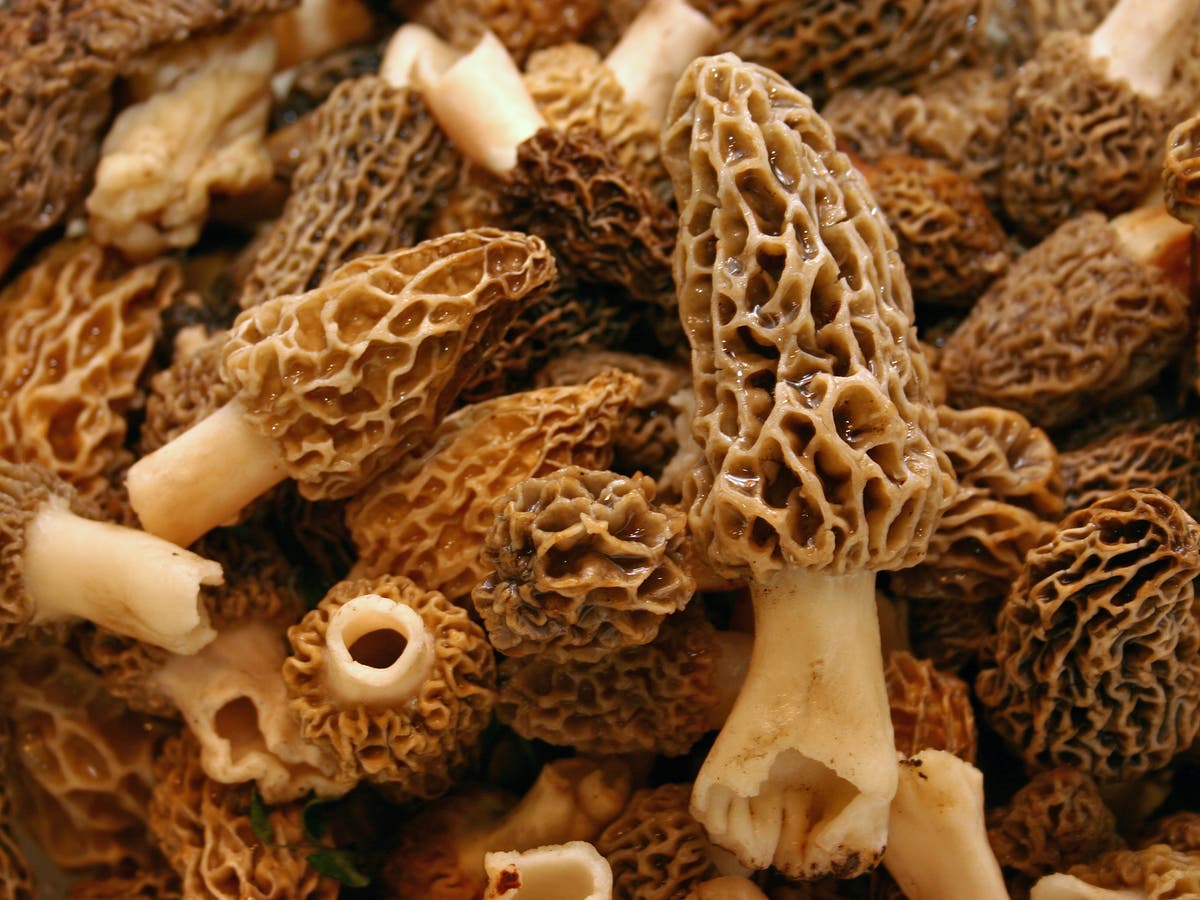
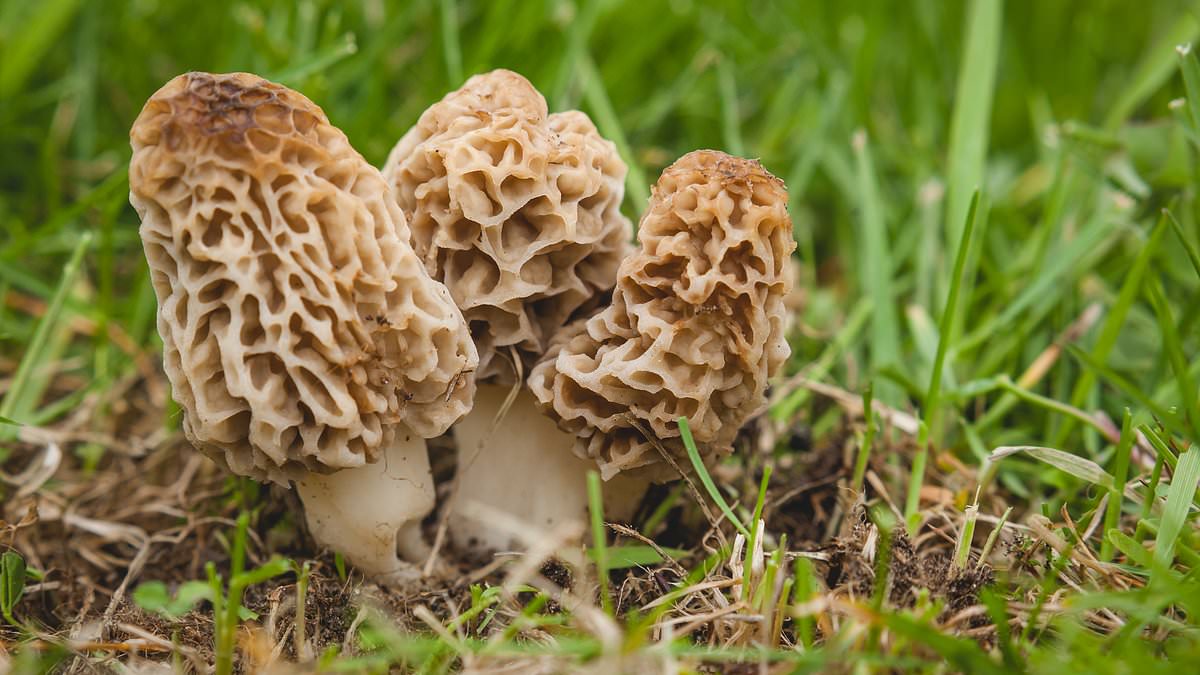
Two people died and 51 others fell ill after consuming morel mushrooms at a Montana restaurant, leading to an outbreak of gastrointestinal illnesses. The CDC report indicated that the consumption of raw morel mushrooms, particularly in a special sushi roll offered by the restaurant, was strongly associated with the illnesses. The restaurant, identified as Dave’s Sushi in Bozeman, temporarily closed and later reopened after cooperating with health officials. State health authorities advised caution and thorough cooking when consuming morel mushrooms due to their potential toxicity.
Two people died and over 50 fell ill after consuming undercooked morel mushrooms served at a Montana restaurant, leading to a gastrointestinal illness outbreak. The CDC's report highlighted gaps in understanding the health effects of these specific fungi, and the restaurant faced multiple violations during an inspection. The mushrooms were traced back to a single importer from China, and the restaurant has since stopped serving them, emphasizing the need for more research on the potential risks of incorporating morel mushrooms in recipes.
A deadly outbreak in Montana led to 51 people falling ill and two deaths after consuming undercooked morel mushrooms at a sushi restaurant. CDC investigators found that the toxins in the undercooked edible wild mushrooms caused severe gastrointestinal distress, with a dose-response relationship identified. The outbreak was linked to a special sushi roll with salmon and morels, and it was discovered that cooking the mushrooms thoroughly is crucial to reduce toxin levels and prevent illness.
Several U.S. companies have issued recalls of ground cinnamon due to elevated lead levels, prompting health concerns. The FDA warned of potential health risks associated with lead exposure, including high blood pressure, headaches, and kidney dysfunction. The affected products were distributed nationwide and in specific regions, and the recalls were initiated after sample testing revealed the issue. No illnesses have been reported, but medical experts caution that lead poisoning, especially in children, can have long-term developmental and neurological effects.
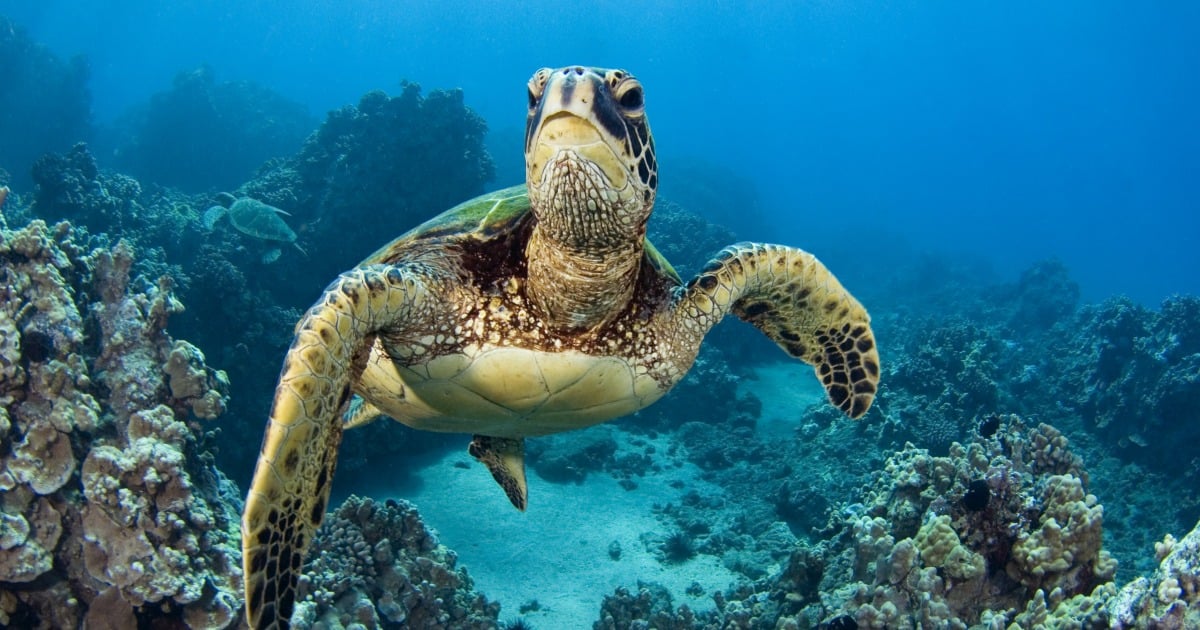
Nine people have died and 78 others were hospitalized after consuming sea turtle meat on Pemba Island in Zanzibar, Tanzania. The meat is considered a delicacy despite its potential for causing chelonitoxism, a type of food poisoning. Authorities have confirmed that all the victims had consumed sea turtle meat and have urged people to avoid it. This incident follows a similar one in November 2021, where seven people died and three others were hospitalized after eating turtle meat.
Nine people, including eight children and one adult, have died after consuming sea turtle meat on Pemba Island in Zanzibar, with 78 others hospitalized. Despite being considered a delicacy, sea turtle meat can cause chelonitoxism, a type of food poisoning, leading to periodic deaths. Authorities have confirmed the cause of the deaths through laboratory tests and are urging people to avoid consuming sea turtles.