
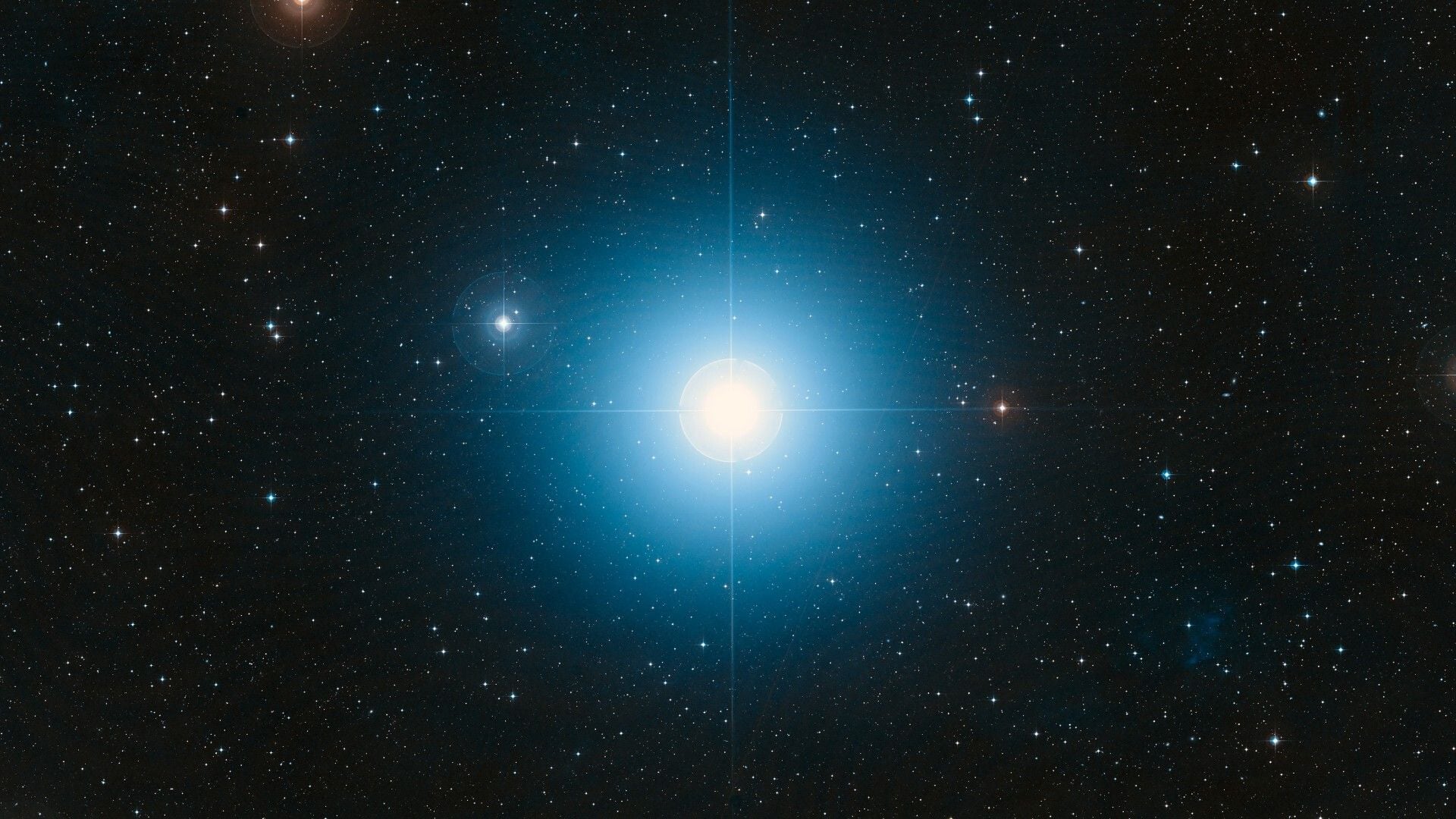
Fomalhaut, known as 'The Solitary One,' marks the arrival of autumn in the night sky, especially visible low in the southeast during October evenings. It is a bright, bluish-white star located in the constellation Piscis Austrinus, about 25 light-years away, and historically significant as one of the 'Royal Stars.' Its prominence and solitude make it a notable celestial marker for the season.
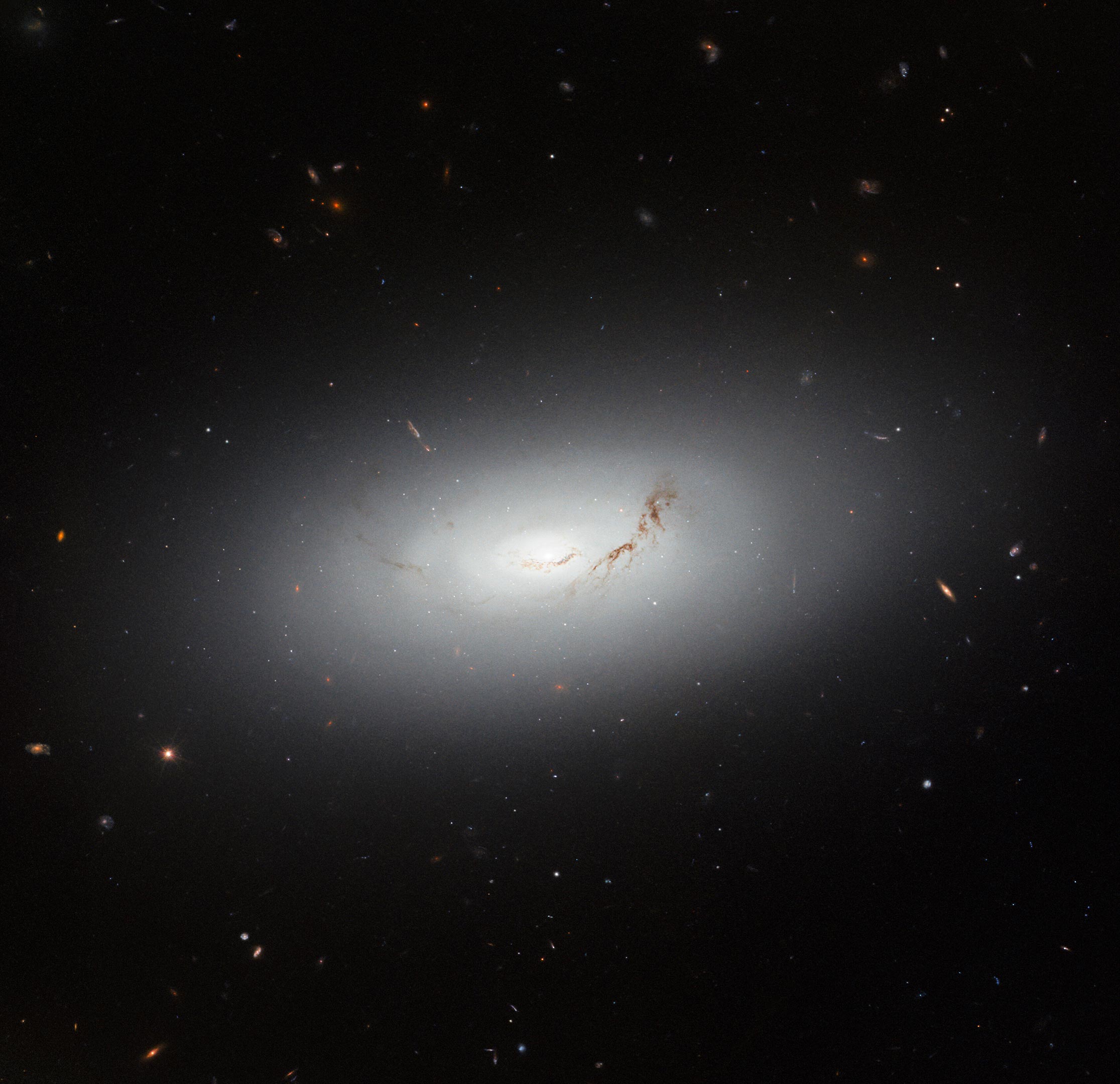
The Hubble Space Telescope captured a stunning image of the lenticular galaxy NGC 3156, located 73 million light-years away in the constellation Sextans. Sextans, a small constellation named after the navigational instrument sextant, holds historical significance as Islamic scholars developed astronomical sextants centuries before their use in navigation. While modern astronomy no longer relies on sextants, NGC 3156 continues to be studied for its globular clusters, recent star formation, and the impact of a supermassive black hole at its center. Sextants, shaped like one-sixth of a circle, were crucial tools for accurate navigation over vast expanses of ocean and air.