
Chaos and Celebration at Spain’s Els Enfarinats Festival
The Els Enfarinats festival in Ibi, Spain, features revelers engaging in a playful battle using flour, eggs, and firecrackers, as captured in a series of photos by AP.

All articles tagged with #flour
The Els Enfarinats festival in Ibi, Spain, features revelers engaging in a playful battle using flour, eggs, and firecrackers, as captured in a series of photos by AP.
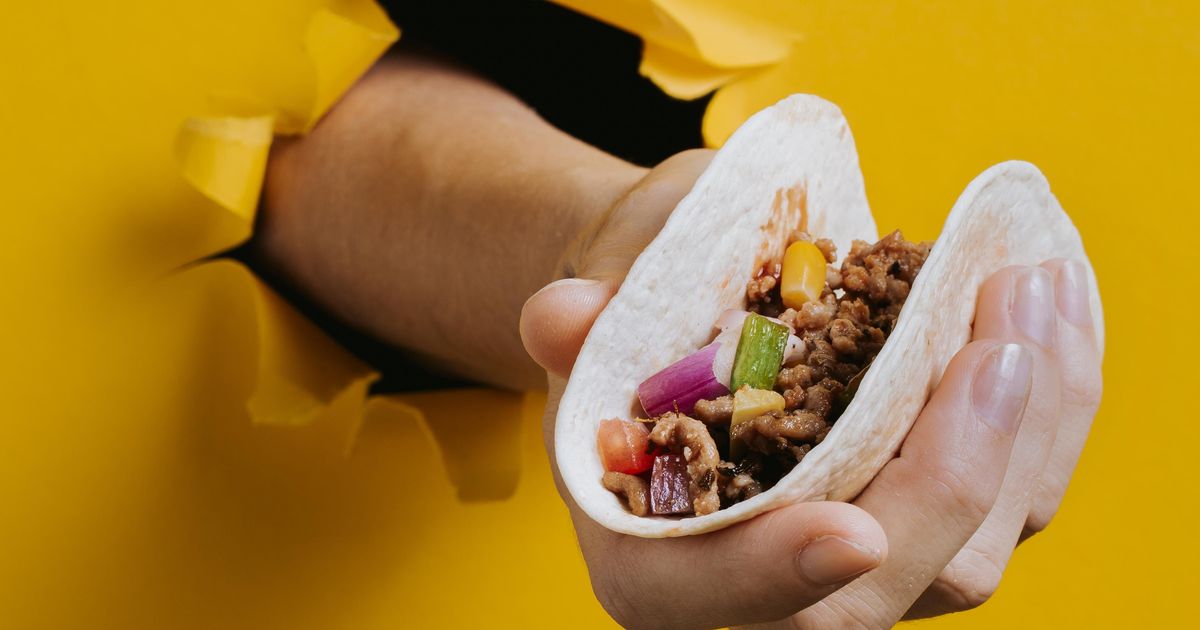
When choosing between corn and flour tortillas, consider both nutritional value and personal preferences. Corn tortillas have more fiber and lower calories, making them a healthier choice for some, while flour tortillas offer more carbohydrates and protein, making them better for active individuals. Ultimately, the healthiest choice depends on individual health goals and dietary needs, and both types can be enjoyed as part of a balanced meal with healthy accompaniments.

To obtain Flour in Palworld, players must acquire Wheat Seeds from Wandering Merchants, set up a Wheat Field at level 15 on the Tech tree, and build a Mill to process the Wheat into Flour. This resource is essential for crafting and unlocking the ability to create Cake for Pal Breeding, making the effort worthwhile.
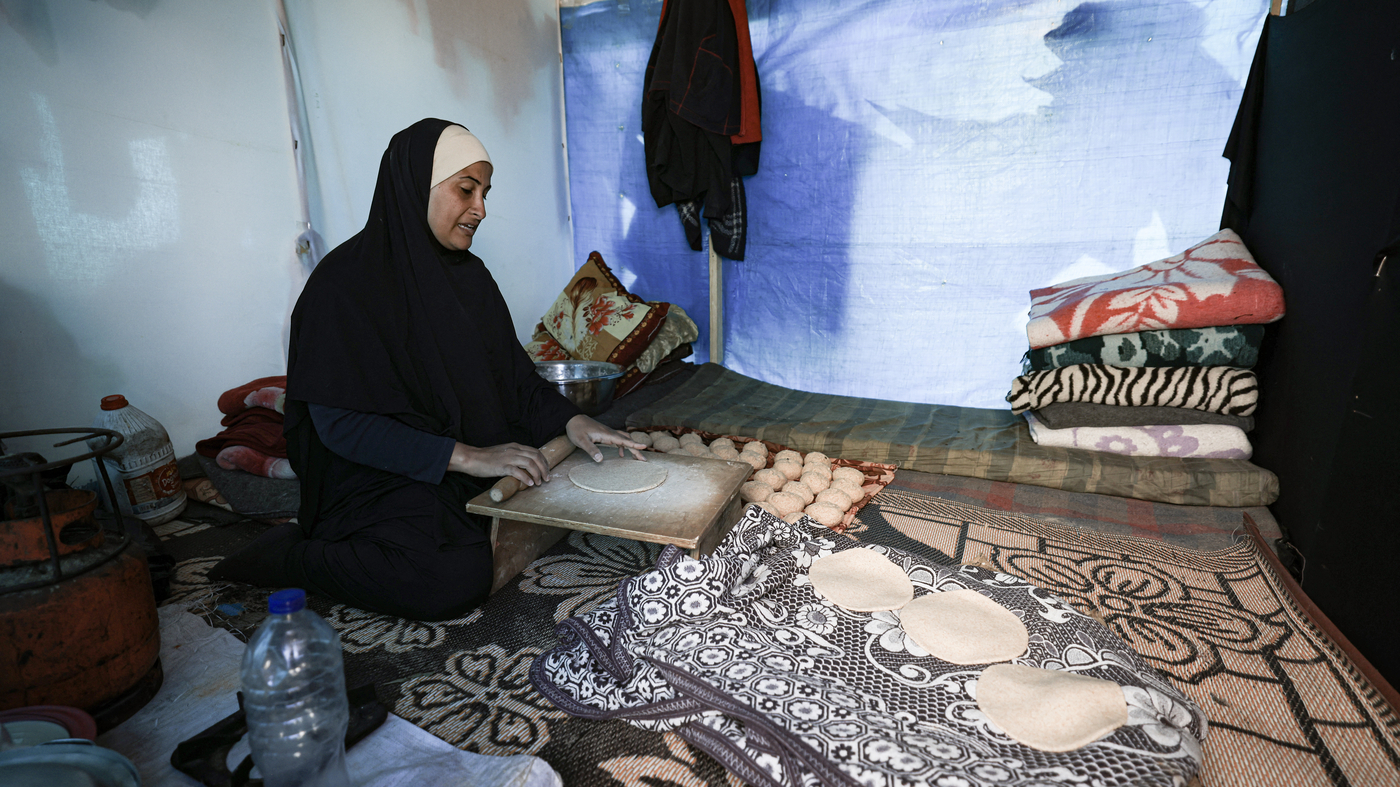
Israel has agreed to allow shipments of flour to Gaza to arrive via the port in Ashdod, following a call between President Biden and Israeli Prime Minister Netanyahu. The White House welcomed this decision, which aims to alleviate food shortages in Gaza. Aid groups have been calling for this move, as the UN warns of an imminent risk of famine in the territory. Palestinians in Gaza are struggling to find basic necessities, with flour in high demand to make bread. The port deal comes after appeals from international agencies for greater humanitarian assistance to be allowed into Gaza.
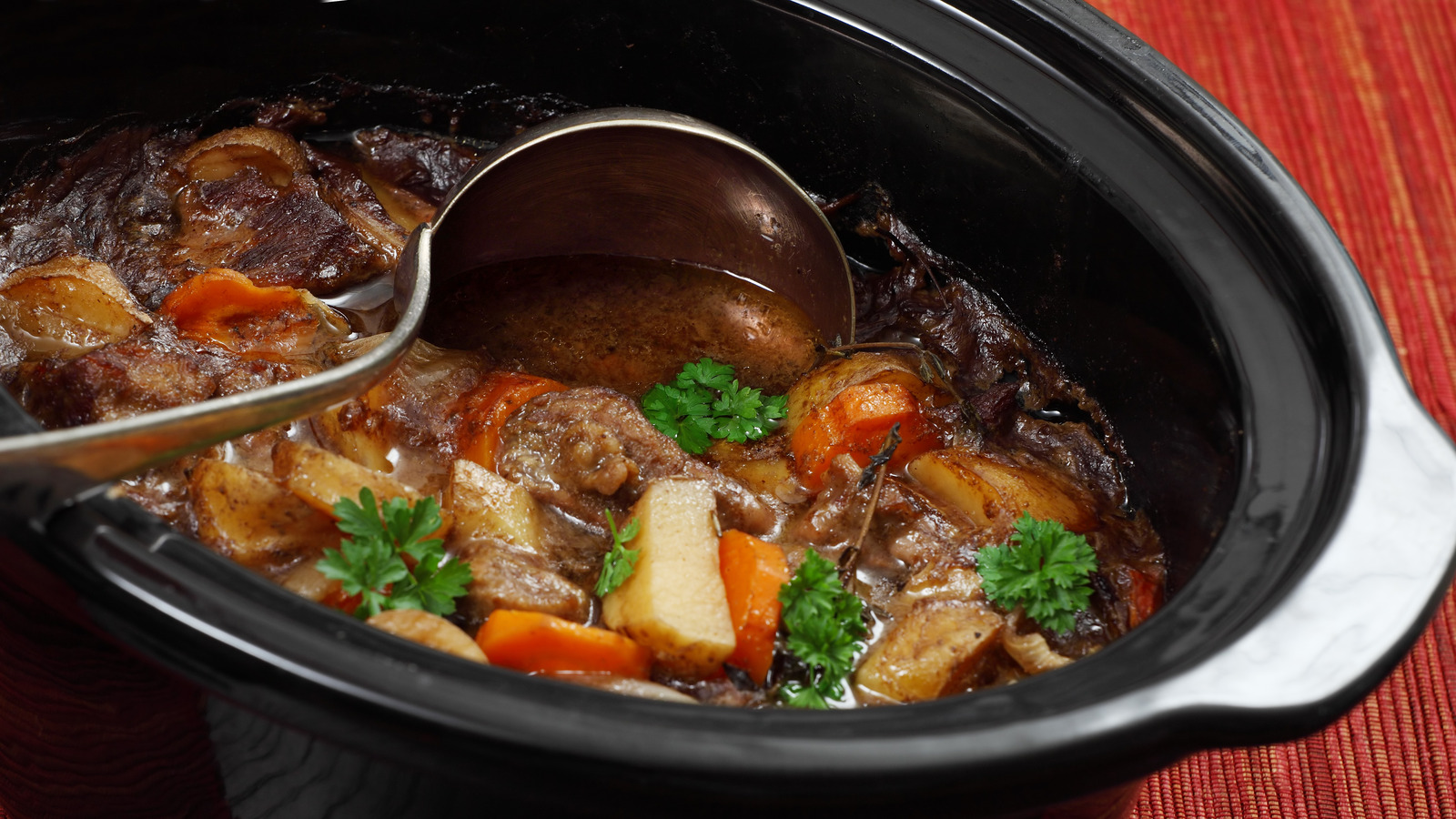
Coating meat in flour before searing and simmering in a slow cooker is a traditional method believed to originate from France. However, the supposed benefits of flouring the meat are questionable. While some claim it adds flavor and thickens the sauce, experts argue that flouring the meat actually impedes proper browning and searing, resulting in a less flavorful dish. Additionally, using flour to thicken the sauce is imprecise and may require additional flour later on. The practice of searing meat in flour before stewing seems to be more rooted in tradition than actual cooking benefits.
A study on sourdough starters reveals that using different types of flour leads to distinct bacterial communities, resulting in variations in aromas and flavors. Researchers found that each type of flour fostered increasingly distinct microbial communities over a 14-day period. Different bacteria produce different smells, with rye producing a fruity aroma, buckwheat having an earthy smell, and amaranth producing an aroma similar to ham. The study offers insights for bakers on how to modify flour to achieve desired aromas and flavors in sourdough.

A Polish-Armenian team of archaeologists discovered piles of a mysterious white, powdery substance inside the ruins of a 3,000-year-old building in Metsamor, western Armenia, last fall. After conducting a chemical analysis, the team determined that the substance was wheat flour used to bake bread. They estimated that, at one time, approximately 3.5 tons of flour would have been stored inside the 82-by-82-foot building, which contained two rows of 18 wood columns supporting a reed roof with wood beams. Researchers estimate that the bakery was operational between the 11th and ninth centuries B.C. during the early Iron Age.
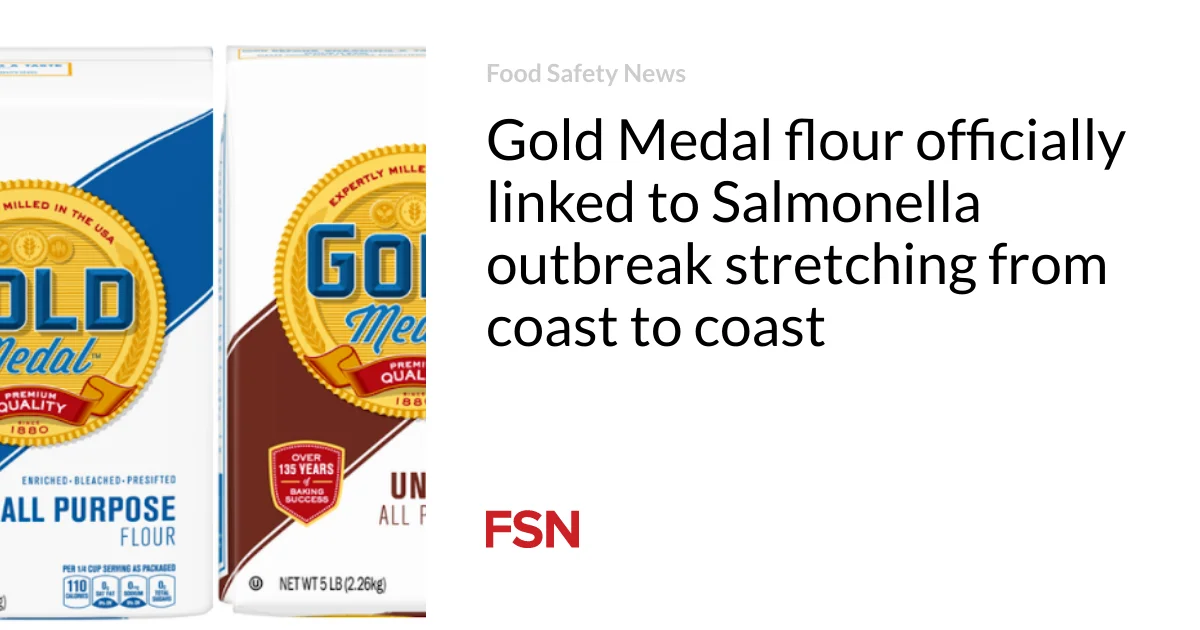
The FDA has linked a Salmonella Infantis outbreak to Gold Medal flour produced by General Mills. The outbreak has affected 13 patients across 11 states from coast to coast. Testing by the FDA has shown that flour produced by General Mills is contaminated with the outbreak strain of Salmonella. General Mills issued a nationwide recall of certain flour products on April 28 because of Salmonella Infantis contamination. Consumers are advised to throw out the recalled flour.
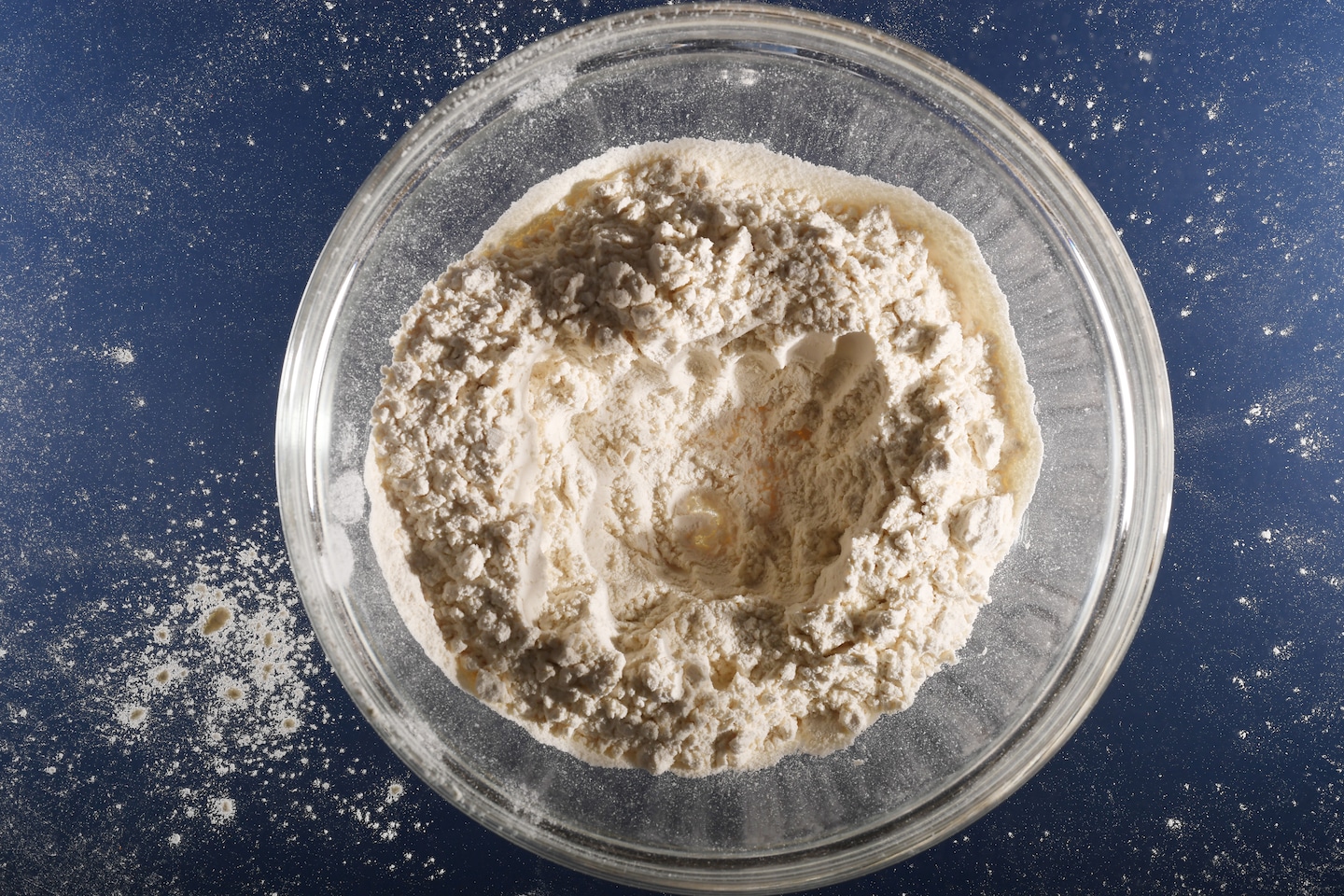
General Mills has recalled two types of its Gold Medal flour after discovering salmonella in a sample of the five-pound product. The recall covers Gold Medal unbleached and bleached all-purpose flour with a “better if used by” date of March 27, 2024, or March 28, 2024. The Centers for Disease Control and Prevention has been investigating an 11-state salmonella outbreak in which most of the 12 individuals sickened reported eating raw dough or batter made with flour before becoming ill.
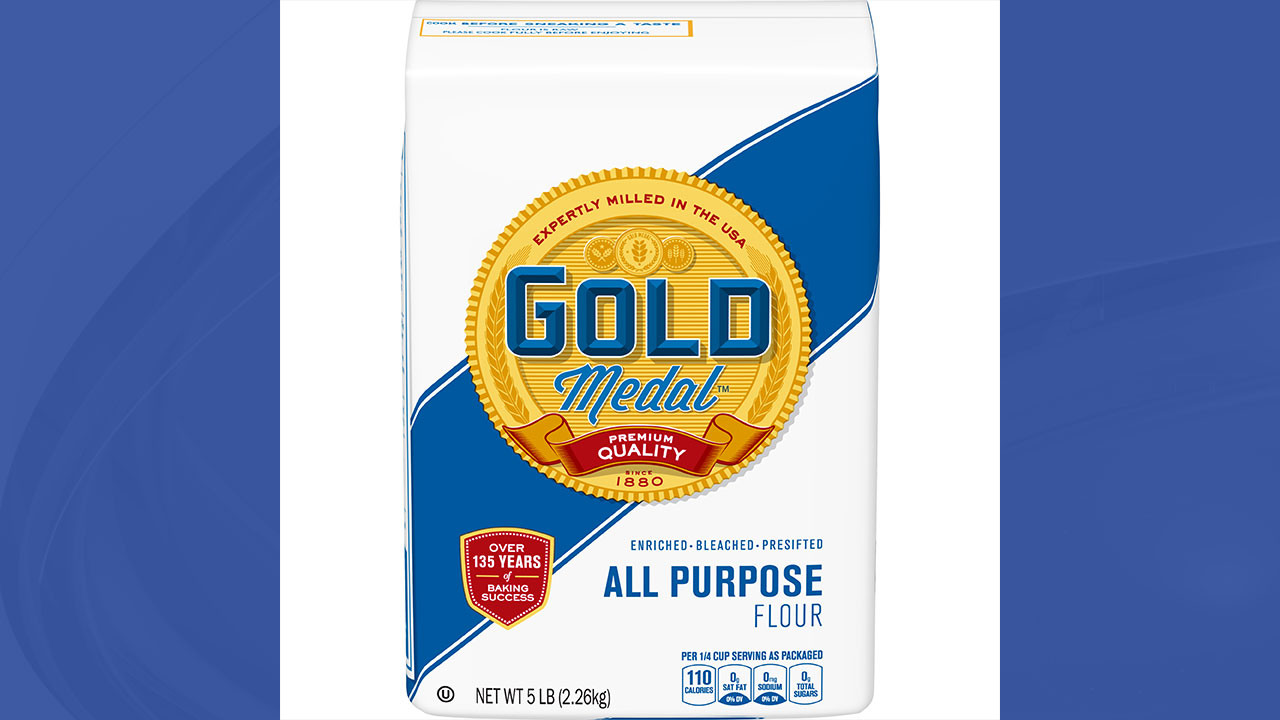
General Mills is voluntarily recalling two, five, and 10-pound bags of Gold Medal Unbleached and Bleached All Purpose Flour with the used by date of March 27, 2024 and March 28, 2024, due to possible salmonella contamination. Customers are urged to throw away the products and can call General Mills Consumer Relations at 1-800-230-8103. Symptoms of salmonella can start within six hours to six days after infection and should last four to seven days.

General Mills has issued a voluntary national recall of its Gold Medal Unbleached and Bleached All Purpose Flour due to the potential presence of Salmonella Infantis. The recall affects two-, five-, and 10-pound bags with a "better if used by" date of March 27, 2024, and March 28, 2024. Consumers are advised to dispose of the affected products and refrain from consuming any raw products made with flour. Salmonella Infantis can be killed by heat through baking, frying, sautéing, or boiling products made with flour.
The CDC has issued a warning about a Salmonella outbreak linked to flour, with 12 people sick and three hospitalized across 11 states. While no specific brand has been identified, any raw flour can carry the bacteria, which can cause diarrhea, fever, and stomach cramps. Flour can become contaminated with Salmonella when it comes into contact with feces in fields or contaminated irrigation water. There is no "kill step" with flour, so it's important to handle it with care, including not eating raw batter, washing hands and surfaces, and cooking food made with raw flour before eating it.
The CDC is investigating a salmonella outbreak linked to a flour brand across multiple states, which has resulted in three hospitalizations. Consumers are advised to avoid consuming raw dough or batter made with the flour and to wash their hands and surfaces thoroughly after handling it. The brand of flour has not yet been identified.
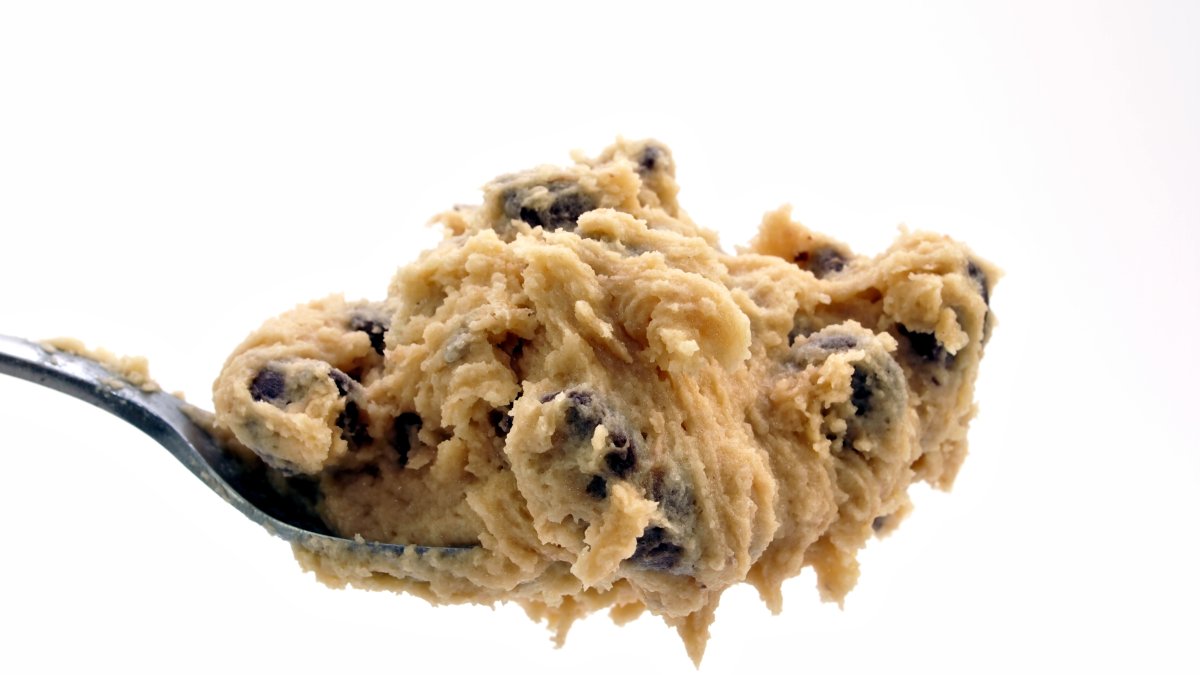
The Centers for Disease Control and Prevention (CDC) is investigating a Salmonella outbreak linked to flour in at least 11 states, including Illinois. Twelve people have been infected, with three hospitalized. Most people reported eating raw dough or batter made with flour before getting sick, and flour was the only common ingredient in the raw dough or batter that those infected reported eating. The CDC is working to identify a specific brand of flour linked to illnesses, and no brand recalls have currently been issued.
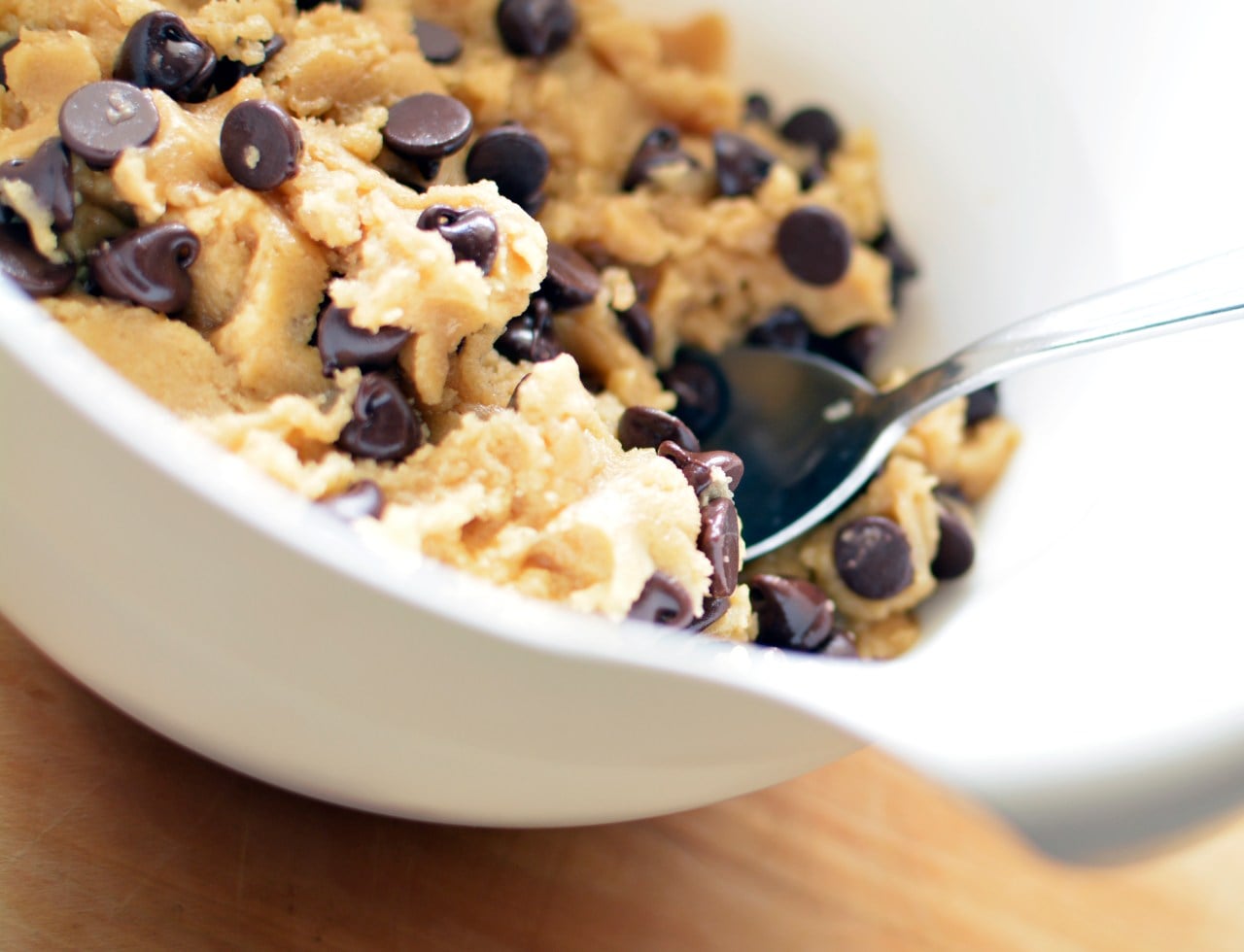
The Centers for Disease Control and Prevention (CDC) has renewed its warning against eating raw cookie dough amid an 11-state salmonella outbreak that has hospitalized three people. The CDC is investigating the outbreak, which has so far sickened 12 people across 11 states. The agency is urging people to use heat-treated flour, wash surfaces and utensils that touched raw flour, and keep raw flour separate from foods that won’t be cooked. Salmonella infections are commonly associated with diarrhea, fever, and stomach cramps, and can be more severe for young children, the elderly, and those with weakened immune systems.