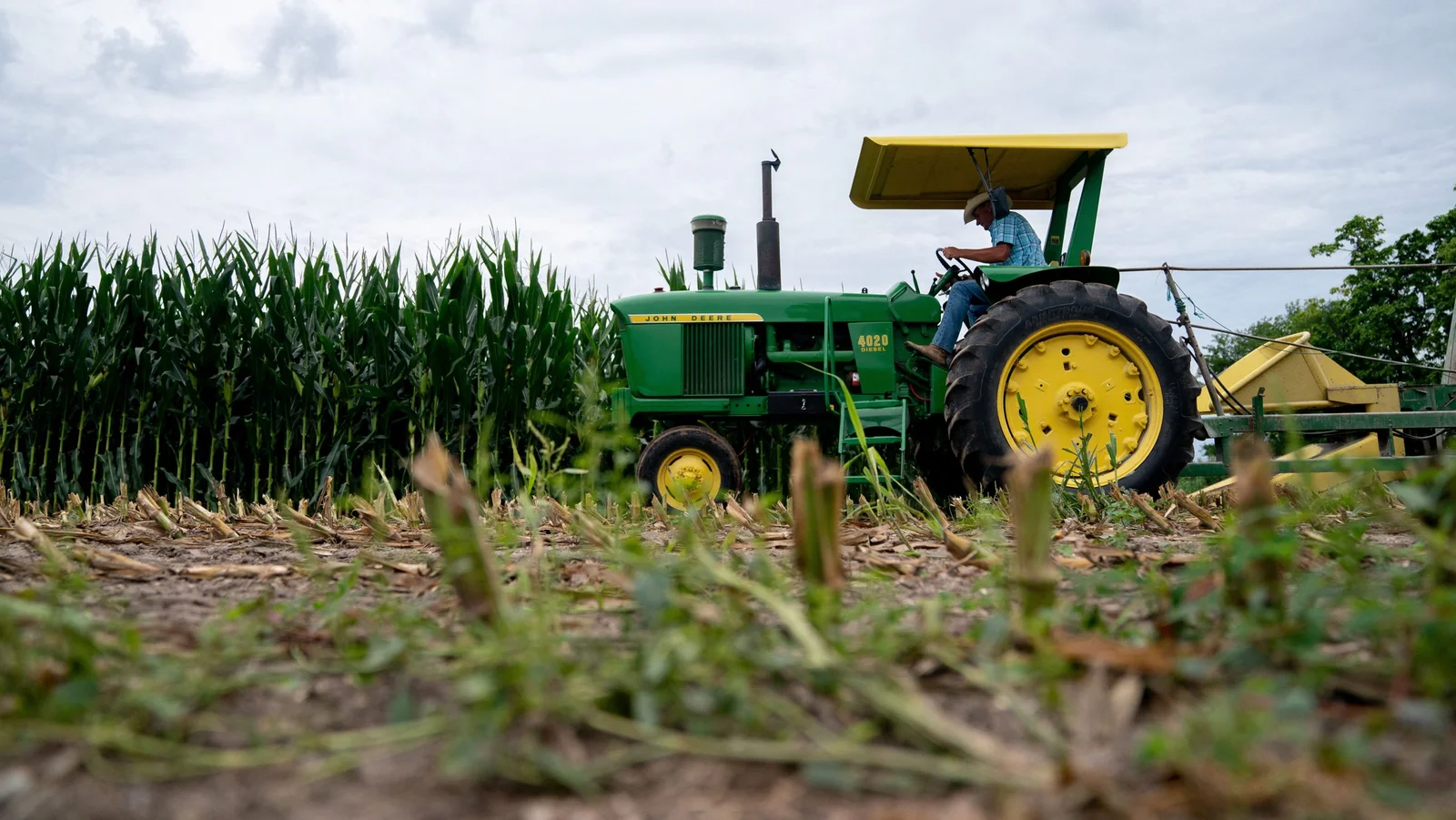
Corn fields in Michigan contribute to local heat and humidity through evapotranspiration, making temperatures feel up to 15 degrees hotter and creating microclimates, although the impact is less severe than in states with larger corn acreage. The upcoming heatwave will push temperatures into the upper 90s and low 100s.

When choosing between corn and flour tortillas, consider both nutritional value and personal preferences. Corn tortillas have more fiber and lower calories, making them a healthier choice for some, while flour tortillas offer more carbohydrates and protein, making them better for active individuals. Ultimately, the healthiest choice depends on individual health goals and dietary needs, and both types can be enjoyed as part of a balanced meal with healthy accompaniments.
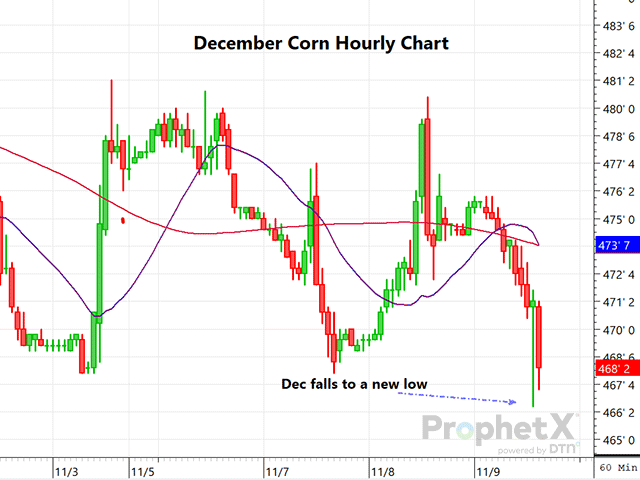
The USDA's November World Agricultural Supply and Demand Estimate (WASDE) report revealed higher-than-expected yield and production changes for corn and soybeans, leading to a sharp decline in their respective markets. Corn production reached a record high of 15.234 billion bushels, while soybean ending stocks increased. Despite recent sales of U.S. beans to China and unknown destinations, soybean futures also experienced a significant drop. Wheat supply and demand remained relatively unchanged, with minor adjustments in imports and food use. The focus now shifts to Brazil's weather conditions and external political and macro developments.
Analysts expect the upcoming USDA report to show smaller U.S. corn and soybean crops than previously predicted due to falling yield prospects caused by dry weather and heat in mid-August. While larger harvested areas are expected for both crops, analysts are cautious about committing to the higher acreage numbers suggested last month. The average trade guess for U.S. corn yield is 173.5 bushels per acre, while soybean yield is pegged at 50.2 bushels per acre. The range of yield estimates is narrower than usual, indicating a potential for production surprises. Additionally, there is speculation about a possible increase in harvested area, although the extent of the increase remains uncertain.
Brazil has surpassed the United States as the world's leading exporter of corn, according to data from the U.S. Department of Agriculture. This shift in the corn hierarchy follows a trend of declining U.S. dominance in exports of staple commodities. Factors contributing to Brazil's rise include record corn harvests, intensified farming practices, and increased demand from China. Despite losing market share, U.S. growers are still selling more corn in absolute terms, partly due to domestic biofuel and livestock feed demand.
The soybean and wheat markets closed higher, with corn posting gains, as extended hot weather forecasts raised concerns about crop conditions. Corn closed 6¢ higher, soybean futures were 23-to-26¢ higher, and wheat futures closed 15-to-23¢ higher. The stock market traded on both sides, with the Dow up 43 points, while the US dollar was down 20 points. Livestock futures were higher, with October hogs up $2.97, October cattle up 50¢, and November feeders up $1.22. The grain markets are higher, but off the early day highs, and the weather looks hot and dry through next week.
A father-son duo in Nixa, Missouri, has introduced the first corn vending machine in the area, offering farmers a convenient and cost-effective way to purchase locally grown corn for livestock or wildlife. The machine, which is open 24/7, has a Department of Agriculture certified scale and can store up to 56,000 pounds of corn. With only 29 machines nationwide, this innovative approach aims to support local farming operations and meet the growing demand for locally sourced products.
The USDA has released its latest World Agricultural Supply and Demand Estimates (WASDE) report, which forecasts smaller corn, soybean, and wheat crops for 2023. The estimates for corn, soybean, and wheat production and yield have all been reduced. The report also provides information on ending stocks for the current and upcoming crop years, with some adjustments made to reflect changes in supply and demand. The trade reaction to the report has been mixed, with some noting the expected yield reductions and others highlighting the need for significant changes in production or exports to impact market prices.
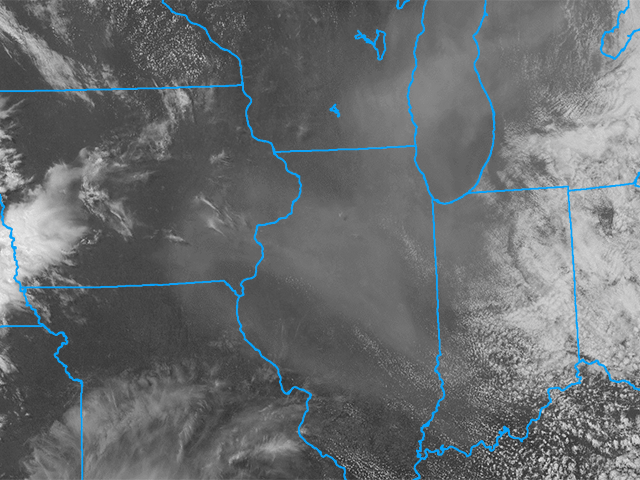
Smoke from Canadian wildfires has blanketed the skies over the central US, raising concerns about its impact on developing crops, particularly corn pollination. While the extent of the impact is uncertain, studies suggest that haze can benefit plant leaves by scattering sunlight and increasing photosynthesis efficiency. However, the ozone content in the smoke can interfere with photosynthesis and crop health. The Midwest is forecasted to see a thinning of smoke in the coming days, but the long-term effects on crop health remain uncertain.
According to the USDA's weekly Crop Progress report, the condition of corn and soybeans in the US declined for the third consecutive week, with corn ratings dropping by 5 percentage points to 50% good to excellent, the lowest since 1988. Soybean ratings also decreased to 51% good to excellent. Despite some rainfall coverage over the weekend, it came too late to have a significant impact on crop conditions. Scattered showers and thunderstorms are expected this week, but their coverage will likely be hit or miss. Additionally, dry areas in the Southern Plains may experience more stress due to a short burst of heat.
The recent rainfall in the US Midwest has provided some relief to the drought conditions, but it may not be enough to reverse the higher trend in corn, soybean, and wheat prices. The US Department of Agriculture has already lowered its yield estimates for these crops, and the market is anticipating further reductions. The ongoing drought and heat stress could continue to impact crop yields and prices in the coming months.
July corn and soy futures closed higher, while wheat futures were mixed. Livestock futures were mostly lower. The USDA is expected to release the latest Crop Progress report, which is projected to show a decline in corn and soybean ratings. Grain and soybean futures started higher but turned lower due to forecasts of increased rainfall across the Midwest next week and technically-driven speculative profit taking.
The latest World Agricultural Supply and Demand Estimates (WASDE) report released by the USDA showed that the US 2022/2023 corn and soy ending stocks were above the trade's expectations, reflecting poor export programs. The report also pegged the world ending stocks for corn, soybeans, and wheat, with the US 2023/2024 corn and soy ending stocks projected to increase. The market's main concern going forward will continue to be domestic weather.
The latest World Agricultural Supply and Demand Estimates (WASDE) report by the USDA shows that corn and soy production in the US will outpace demand in the coming year, leading to higher ending stocks. The report also indicates that world ending stocks for corn, soybeans, and wheat will increase in the 2023/2024 marketing year. The projections for soybean ending stocks for the 2023/2024 marketing year were larger than expected, while wheat numbers were positive.
Shucked, a musical about corn, has become a viral hit on Broadway despite not being based on any existing IP or featuring any big-name actors. The show's marketing campaign relied heavily on mystery and humor, with dirt-cheap preview tickets and jokey ads plastered across subway stations. The musical is full of puns, wordplay, and non sequiturs, and the audience is always onboard by the end of the opening number. Shucked is the only show on Broadway where you can choose from a menu of drinks with names like “Chilled Gin of the Corn” and “Honk If You’re Corny” and pair those with your choice of corn nuts, candy corn, or popcorn.