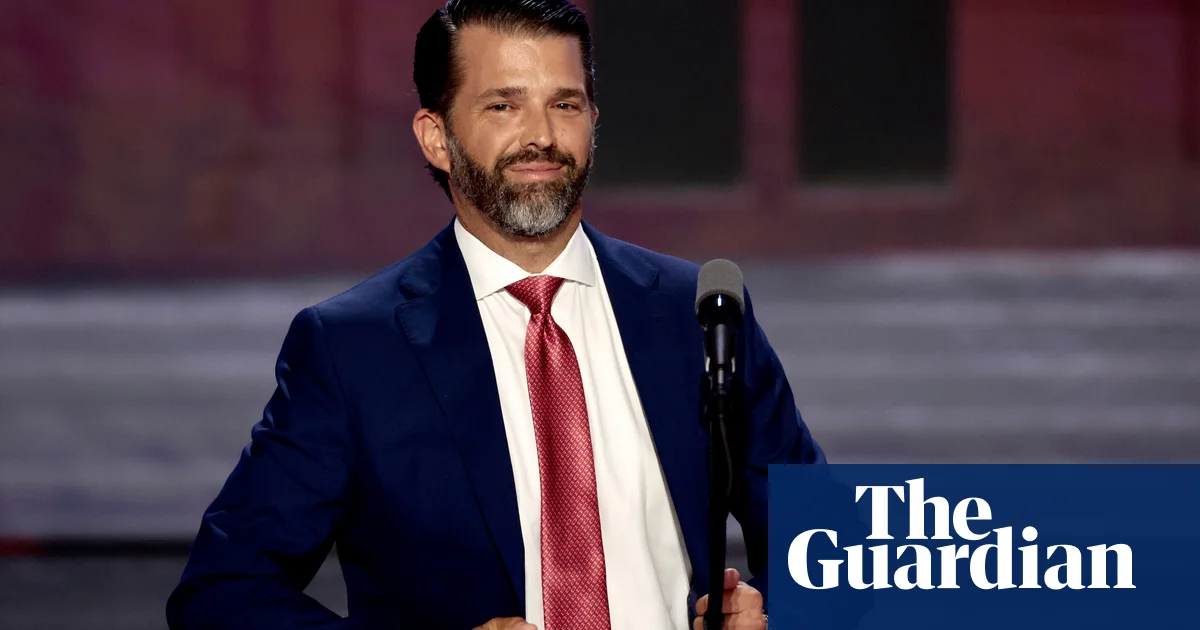
Unusual Machines, a Florida-based drone company, appointed Donald Trump Jr as an adviser, leading to a significant surge in its stock price. Trump Jr, who is also a major shareholder, is expected to leverage his business and political experience to help the company bring drone manufacturing back to the U.S. Despite this goal, the company currently relies heavily on Chinese imports for its products. Trump Jr's appointment aligns with his and his father's stance on reducing dependence on Chinese goods.
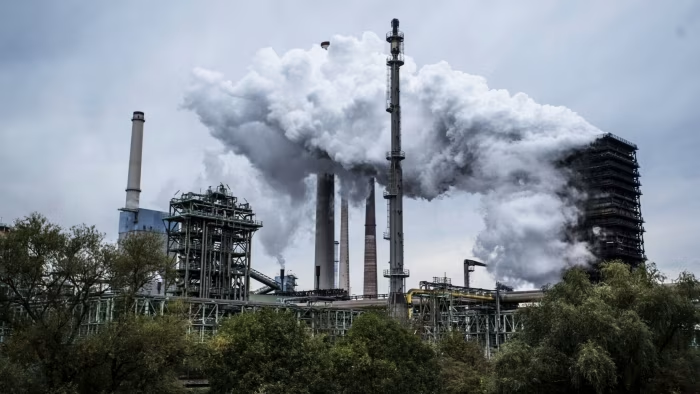
Thyssenkrupp plans to cut 40% of its steel workforce, affecting 5,000 jobs by 2030, due to oversupply in Europe and increased Chinese imports. The company will also close a processing site and reduce production capacity by up to 25%. This move highlights challenges in Germany's industrial sector, exacerbated by declining European car sales and rising Chinese steel exports. Thyssenkrupp's restructuring aims to enhance competitiveness and includes plans for greener steel production, amid ongoing negotiations with EP Corporate Group to increase its stake in the company.
Amazon has launched 'Amazon Haul,' a discount store on its mobile app and web, to compete with low-cost retailers Temu and Shein. The store offers mass-produced items, mostly from China, at low prices, but with longer shipping times. This move comes amid scrutiny of Chinese e-commerce practices and potential U.S. tariff changes. Amazon aims to leverage its brand trust while addressing consumer demand for cheaper products, despite the environmental and regulatory controversies surrounding its competitors.
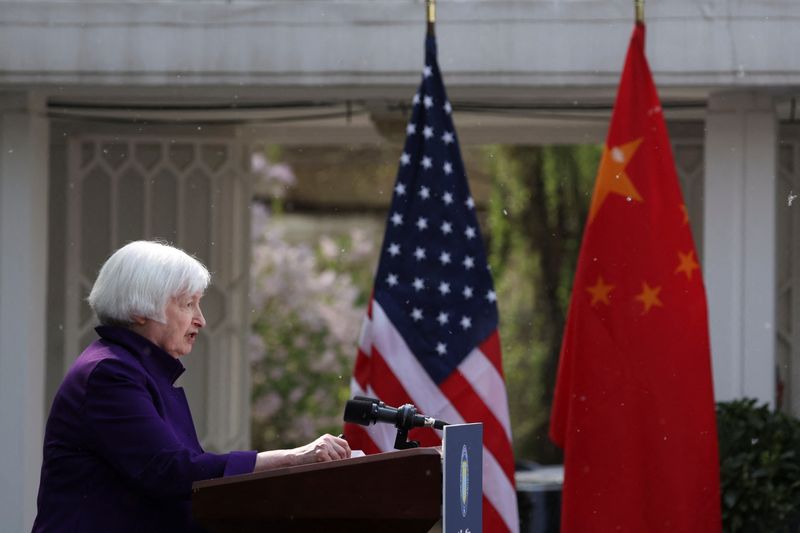
U.S. Treasury Secretary Janet Yellen stated that the United States will not tolerate its industries being devastated by subsidized Chinese imports, drawing attention to China's government support for industries like electric vehicles and solar products. Yellen emphasized that the U.S. would not allow a repeat of the impact seen in the steel sector a decade ago, and highlighted concerns about China's weak domestic demand and overinvestment.
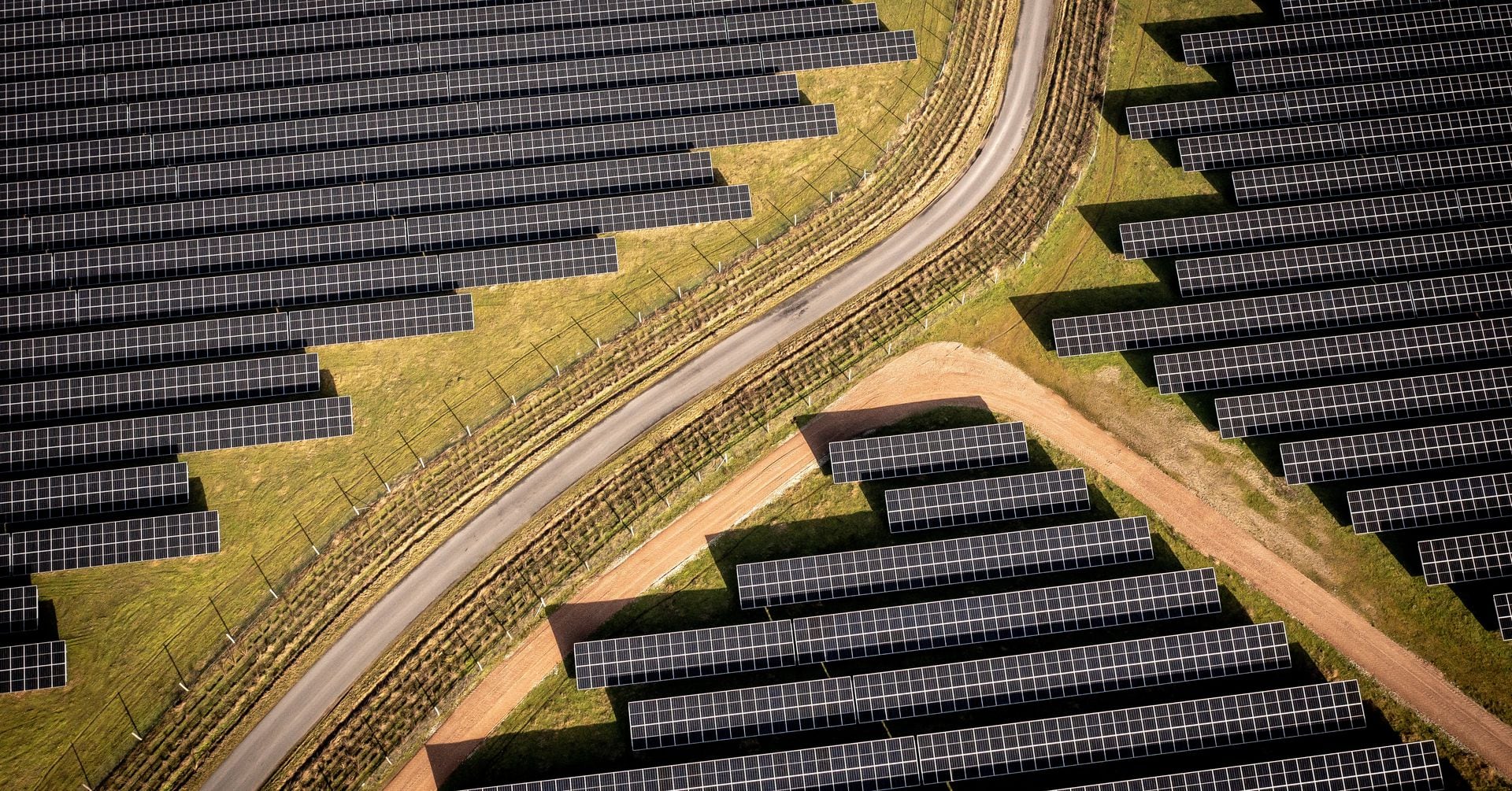
Europe's green energy transition is facing a dilemma as it grapples with a surge in cheap Chinese solar panel imports that are driving record solar energy installations while simultaneously causing the collapse of local solar manufacturers. Governments and industry are divided over how to respond, with some advocating for trade barriers and others warning of the potential negative impact on the rapid expansion of green energy. The EU is considering measures to support local manufacturing and give products made in the EU an advantage in clean tech tenders, but the industry remains divided over the best solution.
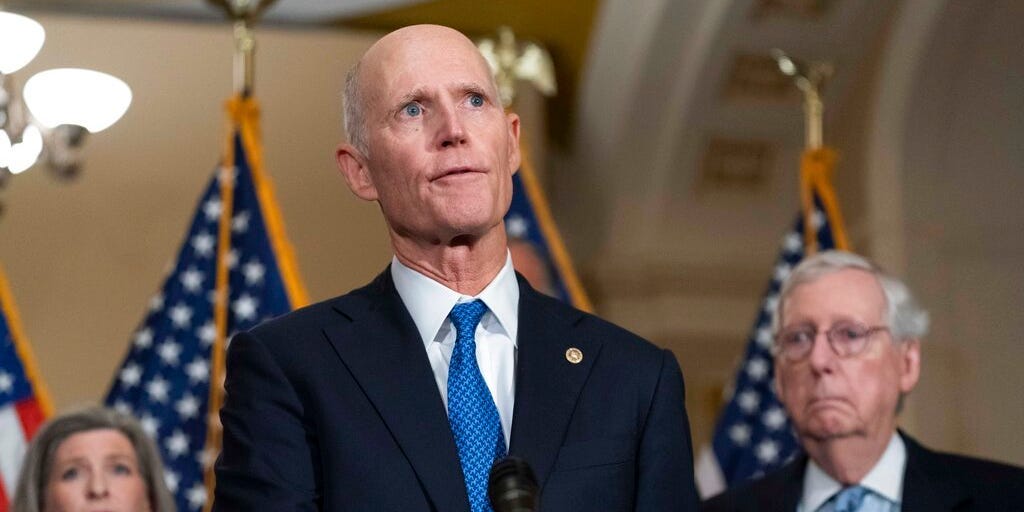
Florida Senator Rick Scott has called for an investigation into garlic imported from China, claiming that it poses a national security risk and is a severe public health concern. Scott alleges that Chinese garlic is fertilized with human feces and grown in sewage, and sometimes bleached to appear more appealing. However, a McGill University report states that there is no hard evidence supporting the use of sewage as fertilizer in China. Additionally, Swiss researchers have found that fertilizers made from human waste are safe and effective.