Tag

Gardening Tips

All articles tagged with #gardening tips

gardening1 year ago

"Effective Tips to Eliminate Common Michigan Garden Pests"

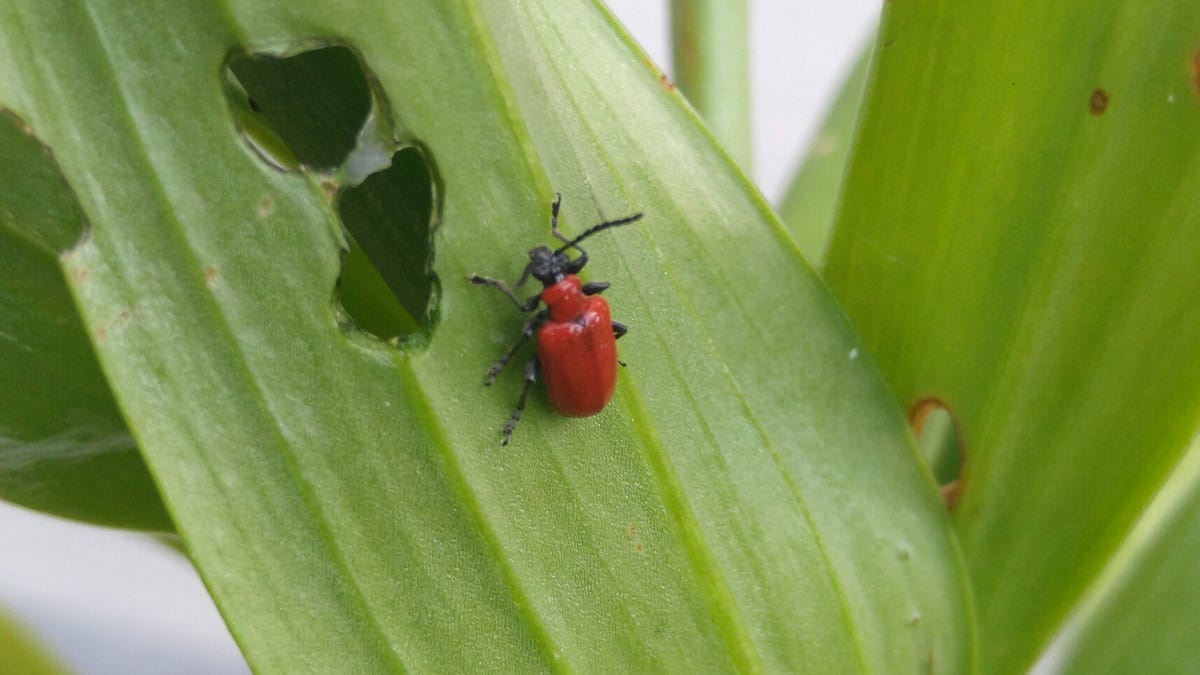
Michigan gardeners face challenges from various pests like sawflies, boxelder bugs, slugs, lily leaf beetles, four-lined plant bugs, Japanese beetles, and tomato hornworms. Experts suggest different methods for managing these pests, including hand-picking, using insecticidal soaps, and setting traps. Some pests, like boxelder bugs, are more of a nuisance than a threat, while others, like lily leaf beetles, may require more persistent efforts to control.

gardening1 year ago

"13 Resilient Plants That Flourish in Poor Soil"

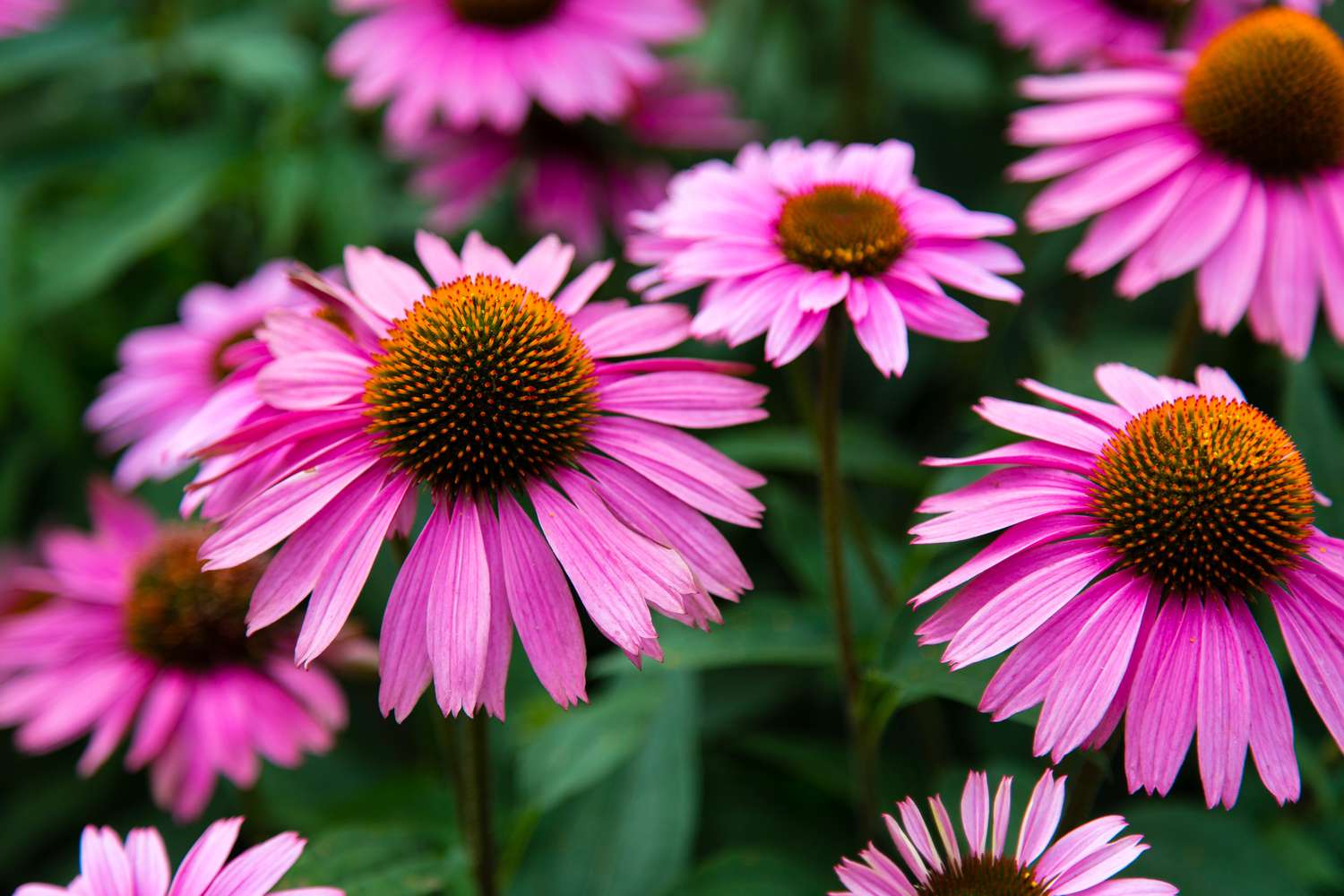
Many plants can thrive in poor or low-quality soil, contrary to the common belief that nutrient-rich soil is necessary for growth. Experts recommend various plants such as bee balm, bluestar, butterfly weed, common yarrow, and lavender that can flourish in less-than-ideal soil conditions. Understanding your soil type and choosing the right plants can help create a thriving garden even in poor soil.

gardening1 year ago

"Maximize Your Spring Garden with This Nail Clipper Hack"

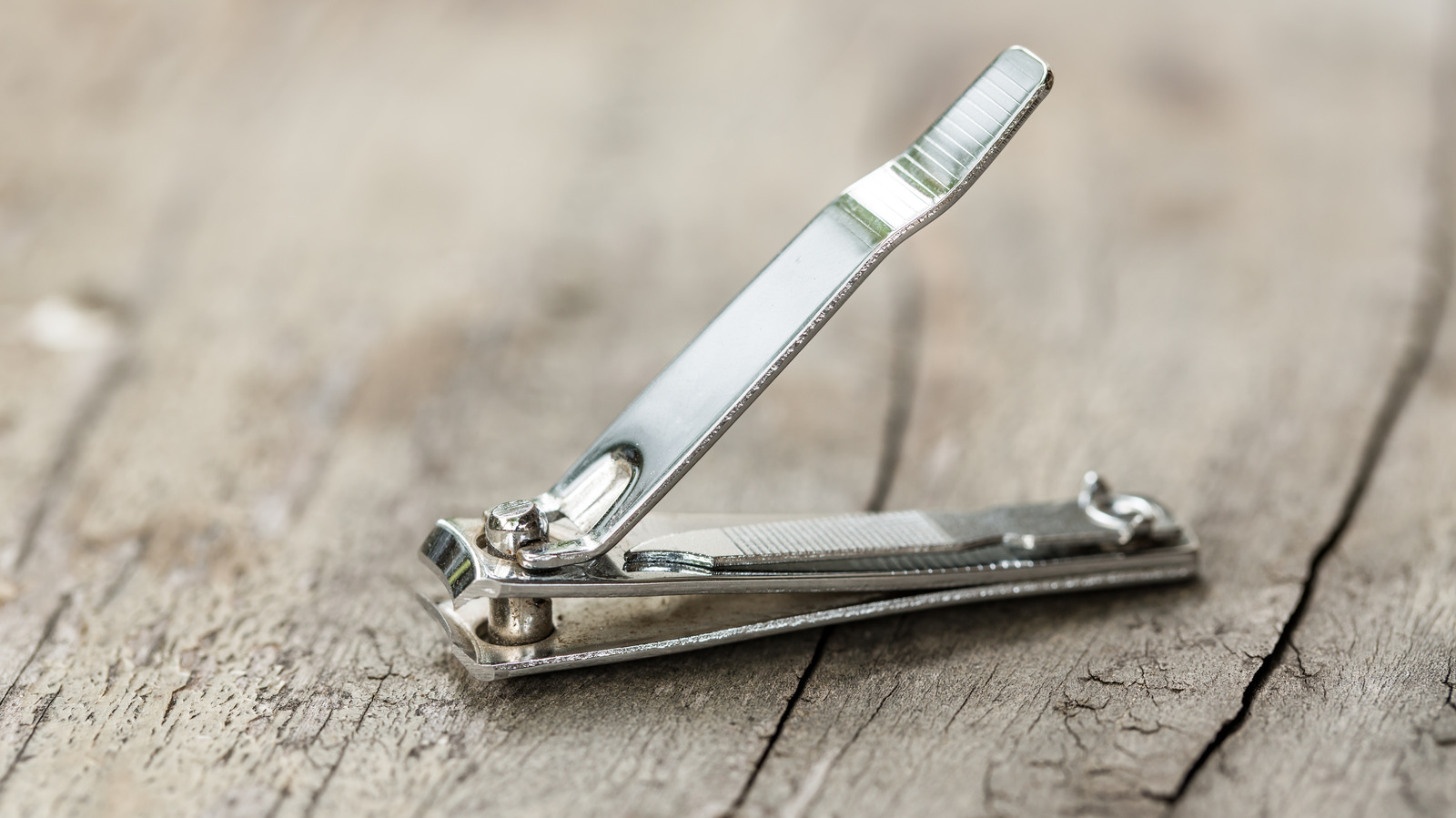
Some plant seeds, known as "hard-to-start" seeds, require specific conditions to germinate, and physically dormant seeds may benefit from scarification to break down their hard shell. Using a nail clipper, lightly clip the side of the seed shell to reveal the internal seed, mimicking the natural process that occurs in the wild. This process can increase successful seed germination and lead to faster-growing and healthier seedlings, resulting in a fuller and more vibrant garden in spring.

gardening1 year ago

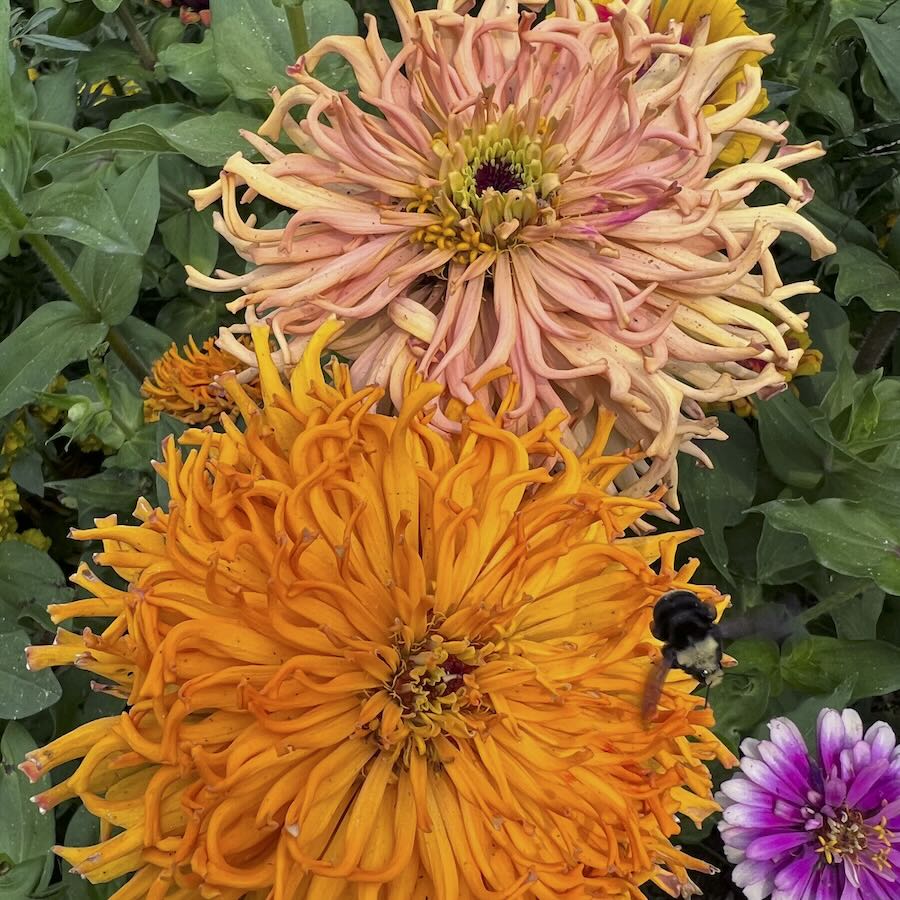
"Zinnia Palette Expansion: Insights from Siskiyou Seeds' Don Tipping"

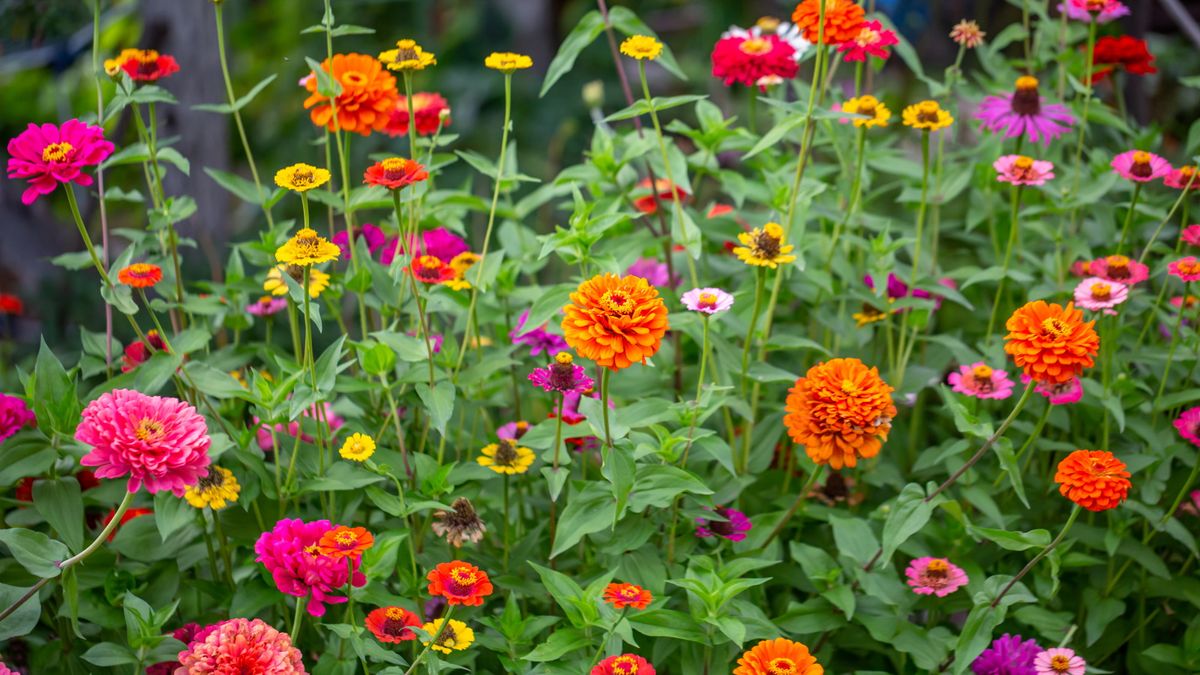
Don Tipping, founder of Siskiyou Seeds, discusses the diversity of zinnias and the process of creating new varieties. He explains the challenges of stabilizing unique variants and the use of open-pollinated seeds. Tipping shares insights into his breeding process, including the use of jewelry bags to control pollination and the development of new zinnia varieties like 'Crazy Legs' and the 'Tidepool Mix.' Additionally, he mentions ongoing variety trials on radicchios, carrots, and China asters at his farm.

gardening2 years ago

"Maximizing the Beauty of Early Blooming Forsythia in Your Garden: Common Mistakes to Avoid"

When cultivating early blooming forsythia in your garden, it's crucial to select the right planting site with full sun and well-draining soil, choose varieties that are resilient to your climate, and avoid pruning at the wrong time. Forsythias require minimal care but thrive when their specific needs are met, and pruning should be done after flowering season and not in the fall. Additionally, selecting the right cultivar with buds that can withstand your climate's temperature drop is essential for enjoying their radiant yellow blooms.

gardening2 years ago

"Companion Planting: The Perfect Veggie to Grow with Basil for Delicious Results"

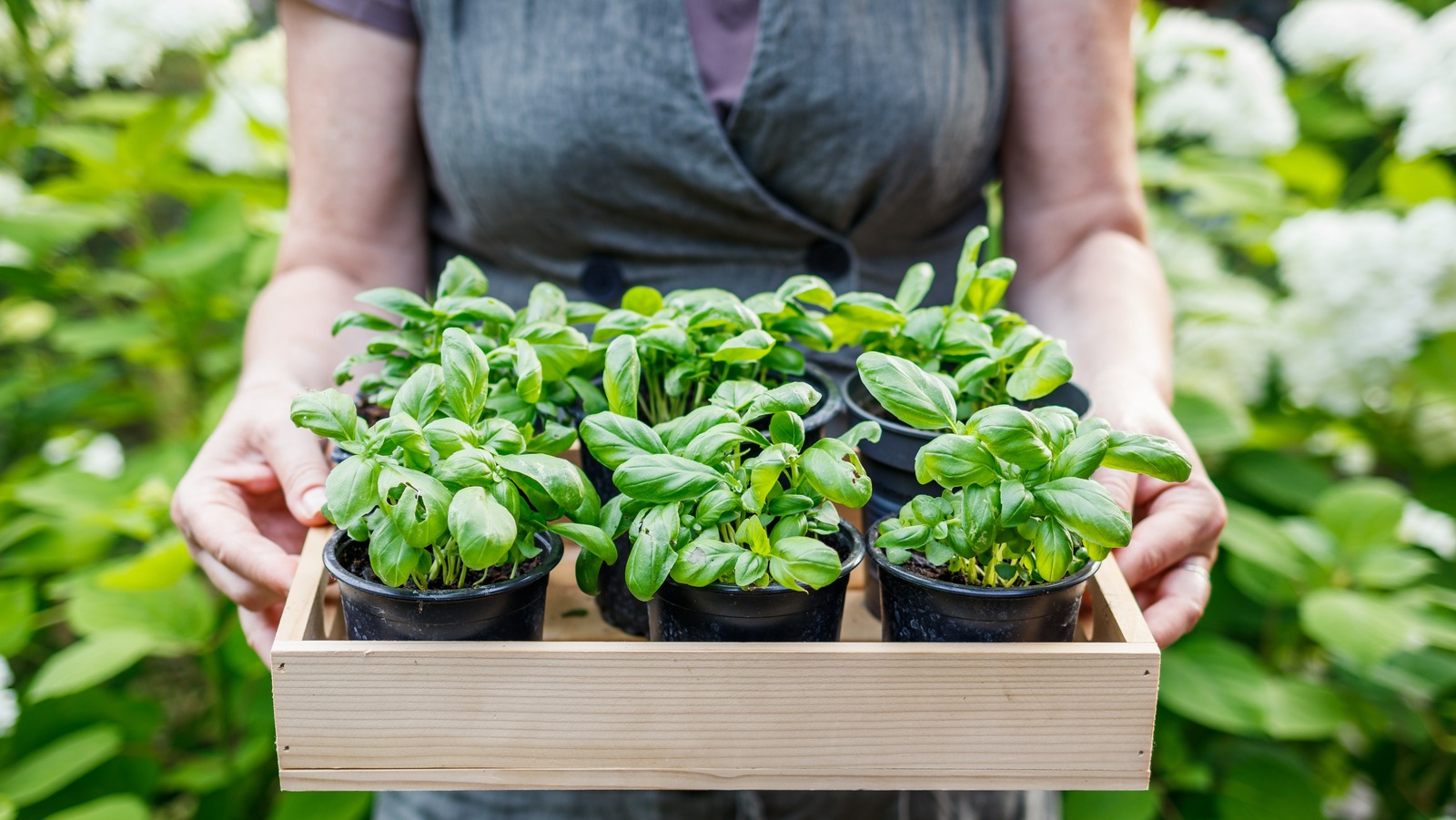
Basil is not only a versatile herb for cooking but also a great companion plant for asparagus, as it repels pests like the asparagus beetle and attracts beneficial insects. The strong smell of basil confuses the beetle, preventing it from damaging the asparagus crop, and the herb also attracts pollinators and predatory wasps that help control pest populations. Basil and asparagus have similar growing requirements and complement each other well, with basil providing shade for sun-sensitive plants and not competing for resources.

gardening2 years ago

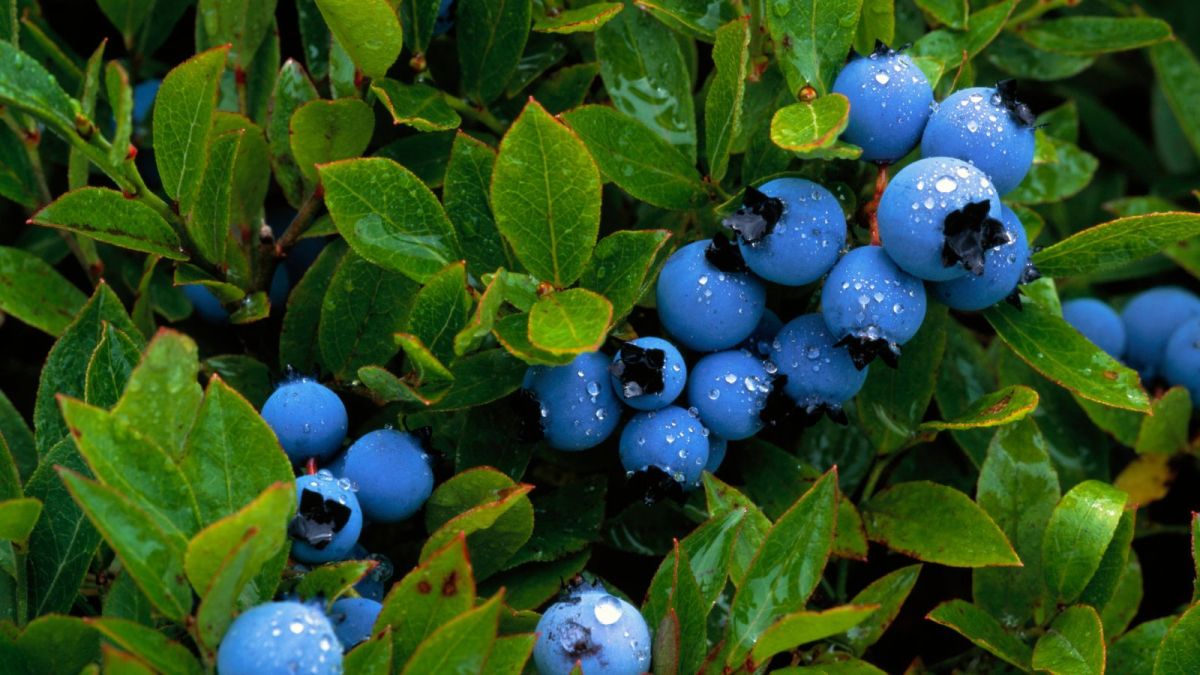
Maximizing Blueberry Benefits: Pruning, Daily Consumption, and Frozen vs Fresh

Pruning blueberry plants is essential for their health and productivity. Blueberries fruit on wood that is at least one year old, with the best fruiting branches being two to three years old. Pruning should be done during the plant's dormancy season, from November to March, with a focus on removing dead, diseased, or damaged branches, thinning older stems, and encouraging new growth. It is important to avoid pruning right after fruiting and to fertilize and mulch the plants after pruning. Taking cuttings from blueberry stems can also be done to propagate new plants.

gardening2 years ago

Mastering Camellia Pruning Techniques

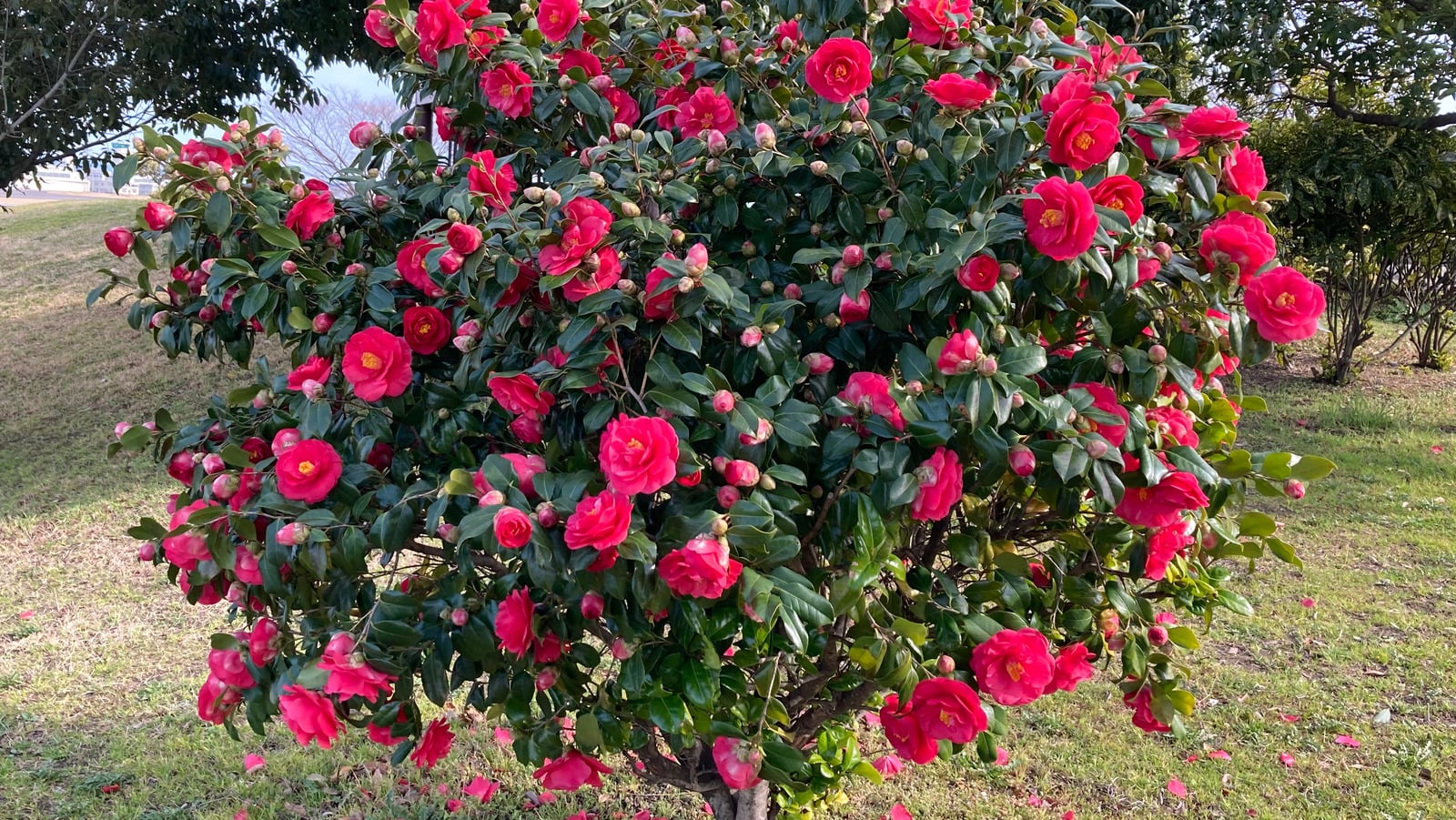
Pruning camellias in spring helps promote healthy growth, shape the shrub, and prevent diseases. Use sharpened tools to make clean cuts, removing weak, overgrown, or dead branches. Pruning redirects energy and nutrients to areas that need them, resulting in more blossoms or new branches. It also allows sunlight and airflow to reach the inner parts, preventing mold and diseases. However, excessive pruning can stunt growth and weaken the plant.

gardening2 years ago

Unveiling the Enigmatic 'Moon Garden': A Gardener's Insight into its Nocturnal Wonders

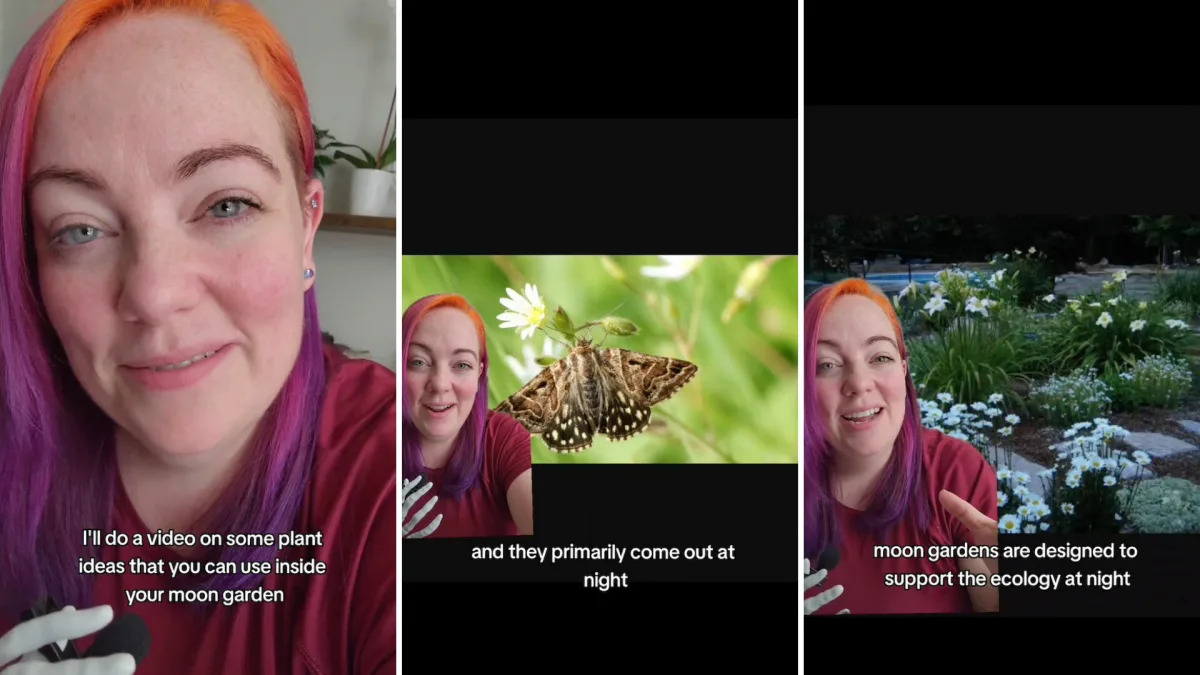
Gardener Elizabeth shares her knowledge of "moon gardens," which are designed to attract pollinators that come out at night. These gardens feature white and silvery plants that reflect moonlight, creating a beautiful glow. Elizabeth recommends orienting the garden on the north or northeast side for shade, using white and silver plants, and varying the heights of the plants. Moon gardens are a lesser-known concept but can be a unique and enchanting addition to any garden.

gardening2 years ago

"Optimal Timing for Blueberry Planting"

Blueberries are a popular and nutritious fruit that can be easily grown in your yard. The best time to plant blueberries is in the fall or early spring, and the selection of the right variety depends on your climate. Blueberry plants require cross-pollination for a larger and better-quality harvest, so it's recommended to plant different varieties. They prefer acidic soil and need at least 6-8 hours of direct sunlight. Protecting the crops from birds can be done with a framework and bird-proof netting.

gardening2 years ago

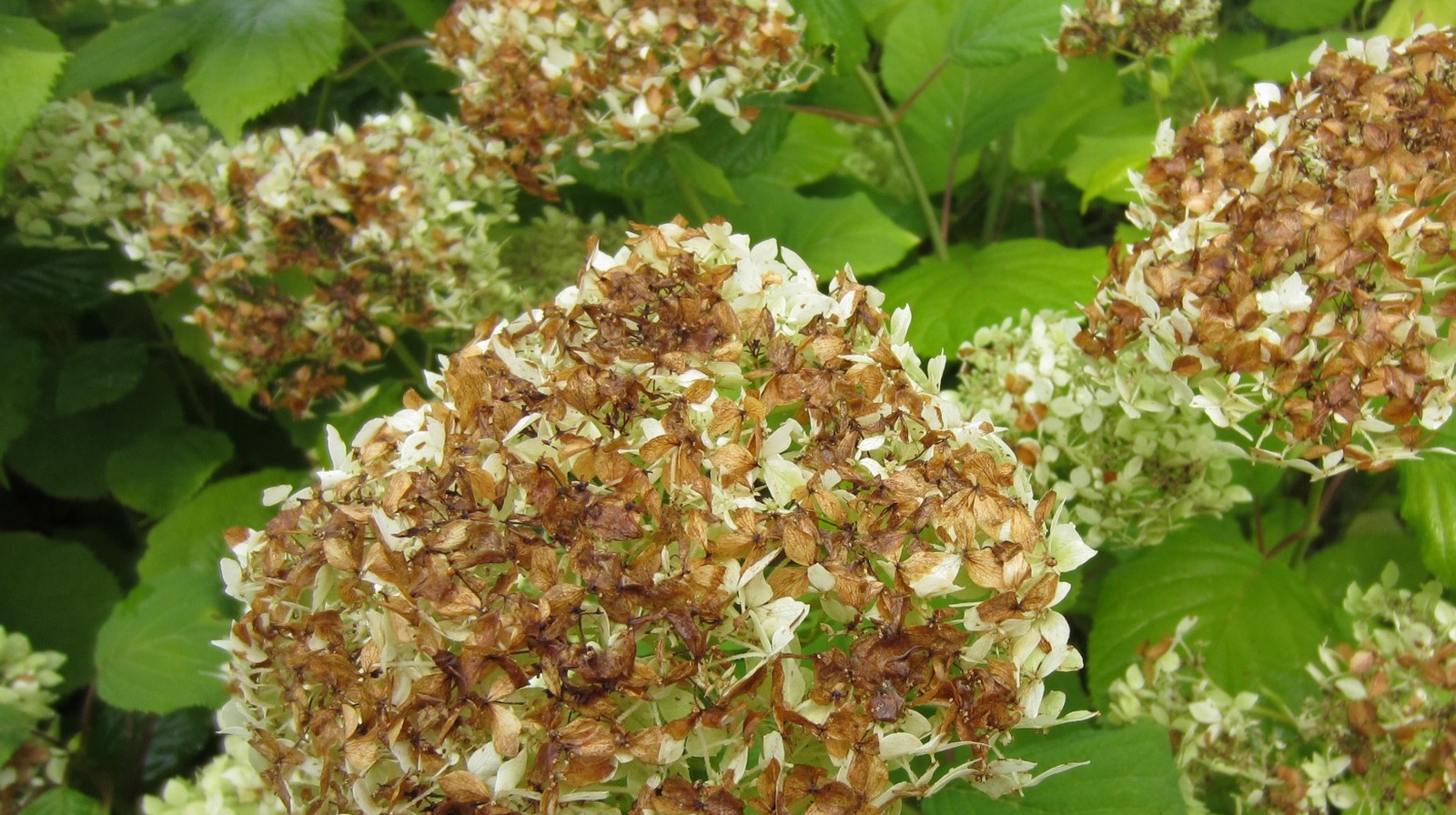
Troubleshooting Hydrangea Flower Browning and Color Loss

Hydrangea flowers may turn brown due to insufficient water, high temperatures, excessive sunlight, too much fertilizer, or imbalanced soil pH. To fix the problem, ensure consistent moisture by watering regularly, provide shade in the afternoon, remove brown blooms and leaves, and apply mulch to retain moisture. Soil testing is recommended to determine pH levels and adjust accordingly. By following these steps, you can maintain healthy and vibrant hydrangea blooms.

gardening2 years ago

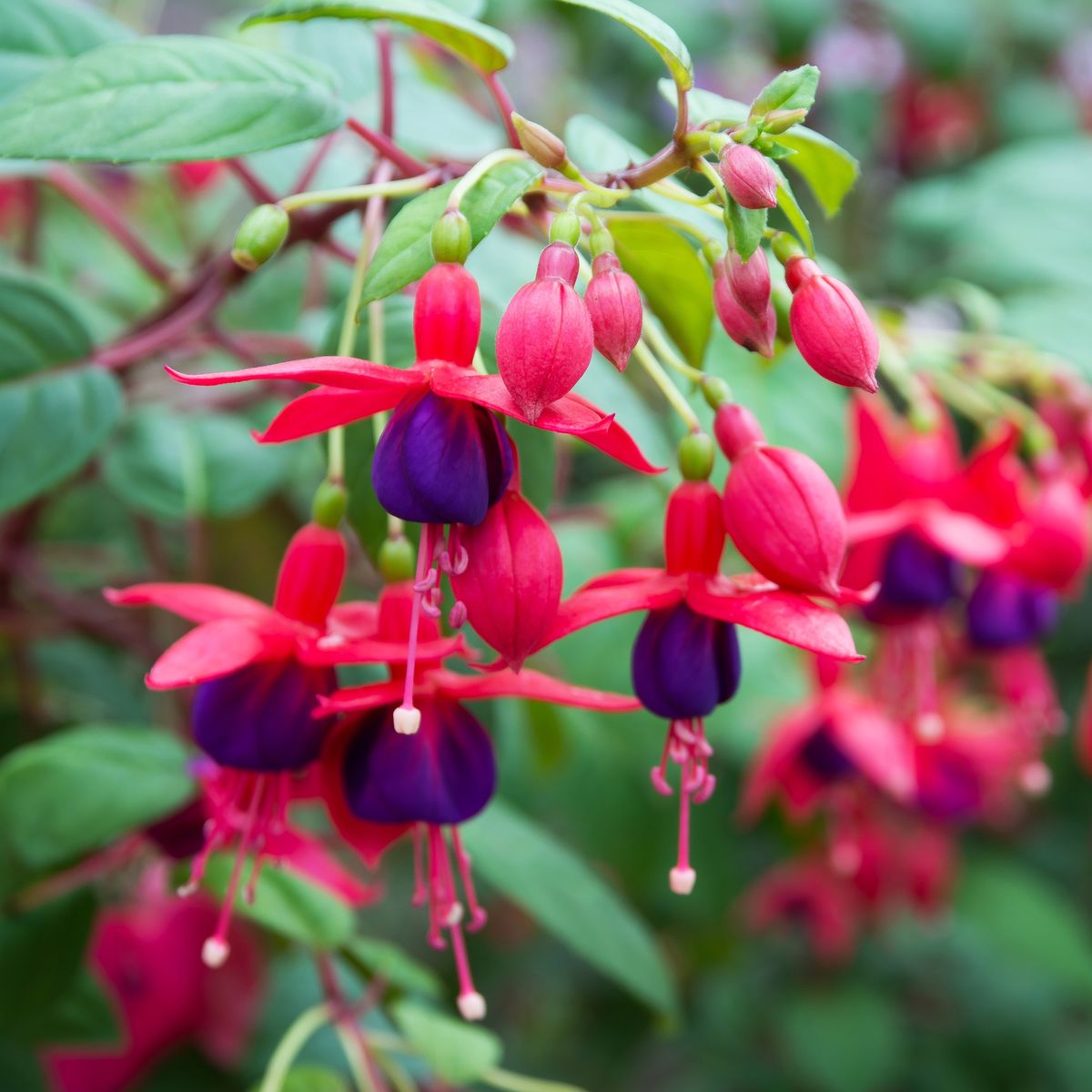
"Grow Vibrant Fuchsia Plants for Free with These Cutting Tips"

Learn how to take a fuchsia cutting to grow a new plant for free. Choose healthy stems with non-flowering shoots, use a sharp and clean knife or secateurs, and trim off lower leaves. Take cuttings in late summer to early autumn when the plant is actively growing. Pot the cuttings in specialist compost, dip the ends in rooting powder, and insert them into pots. Cover with a plastic bag and place on a warm windowsill. Repot the new fuchsia plant after about five weeks.

gardening2 years ago

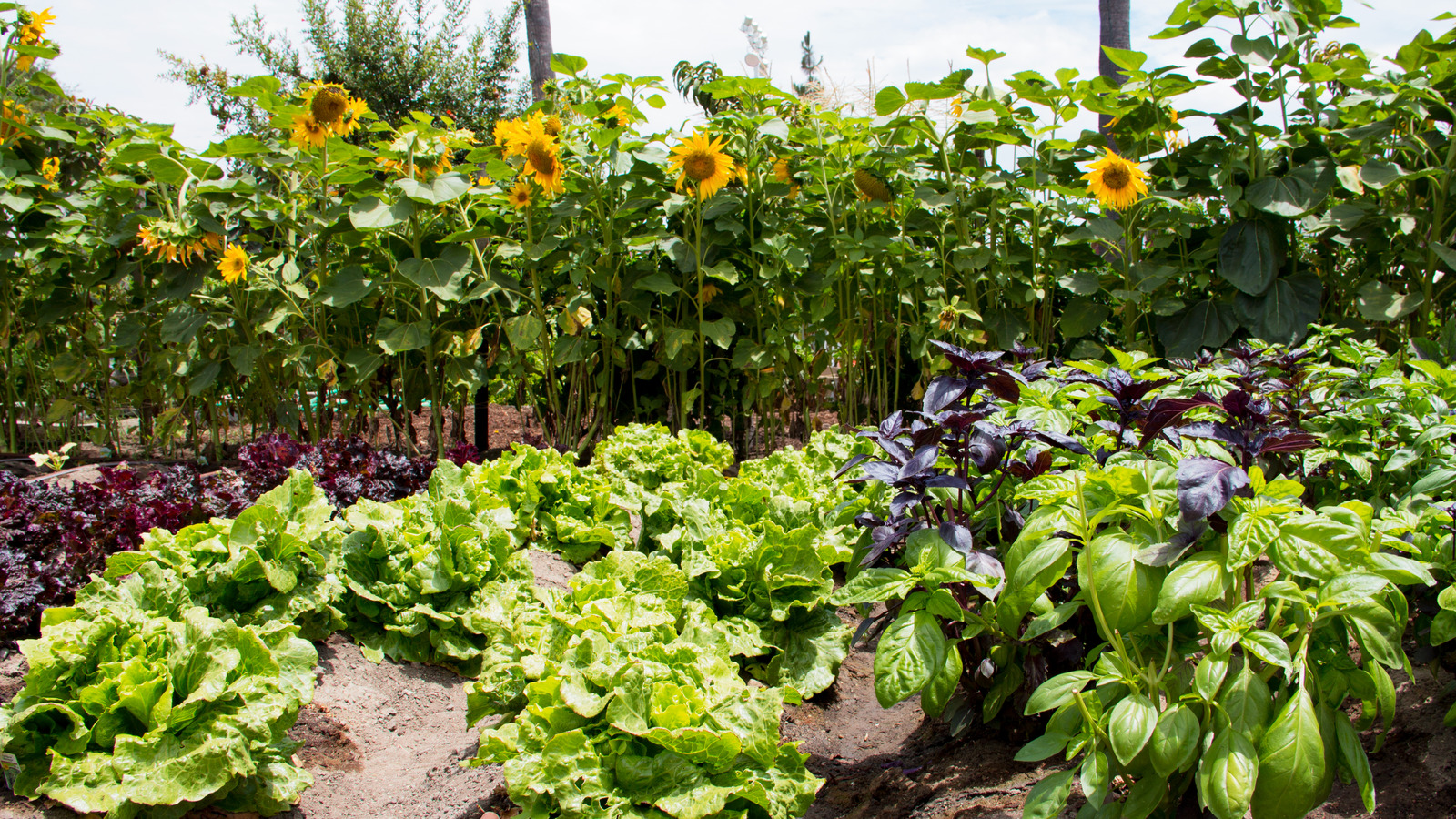
"Boost Your Sunflowers' Growth with Basil Companion Planting"

Sunflowers and basil make great companion plants in the garden. Sunflowers provide shade for basil, preventing it from bolting in excessive sunlight. In return, basil acts as a natural pest repellent, keeping insects away from the sunflowers. However, when planting sunflowers and basil together, it's important to consider their individual nutrient and water requirements, provide adequate spacing, and time the harvesting of basil correctly to maximize the benefits of companion planting.