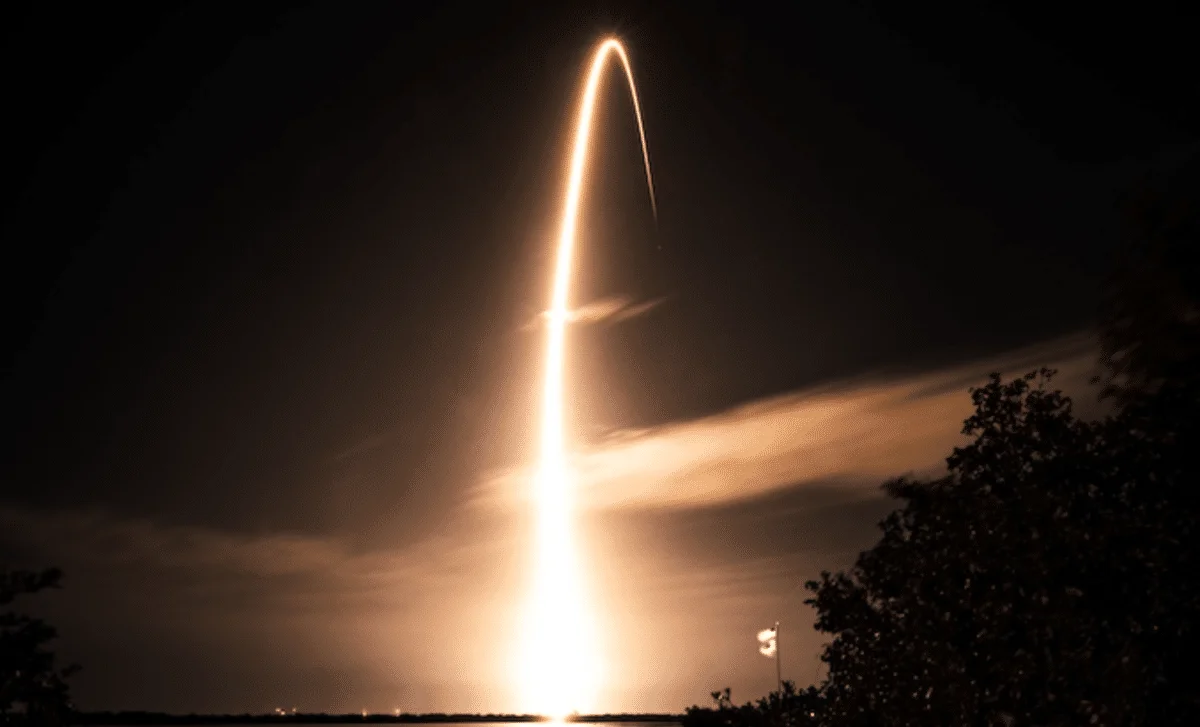
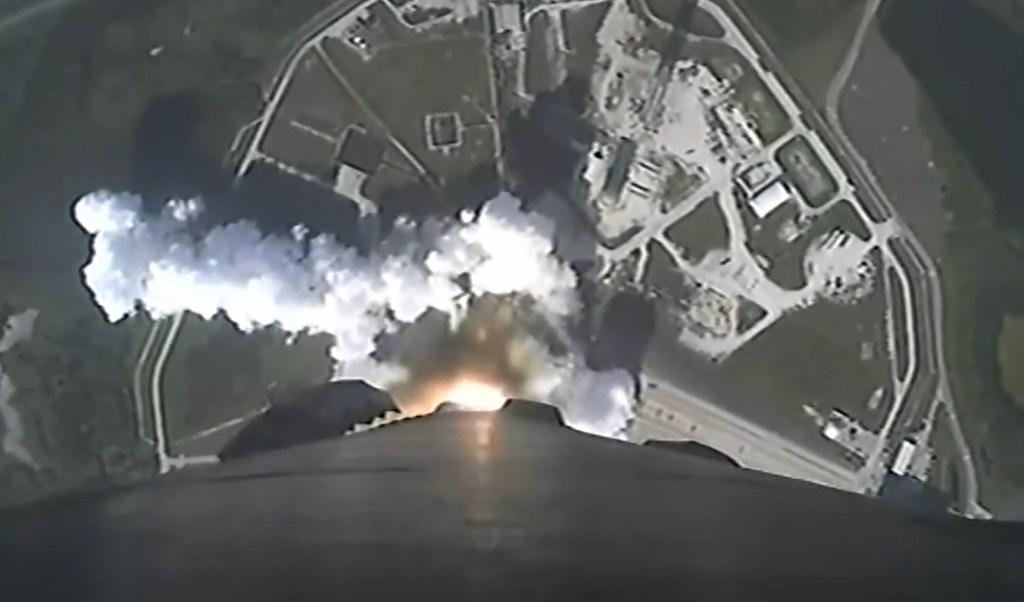
SpaceX successfully launched the Starlink 6-103 mission from Cape Canaveral, adding 29 satellites to the Starlink constellation now exceeding 9,600 satellites, despite forecasts of poor weather; the Falcon 9 booster B1090 completed its 10th flight and landed on the droneship, highlighting SpaceX’s reusability and its goal of delivering global broadband.
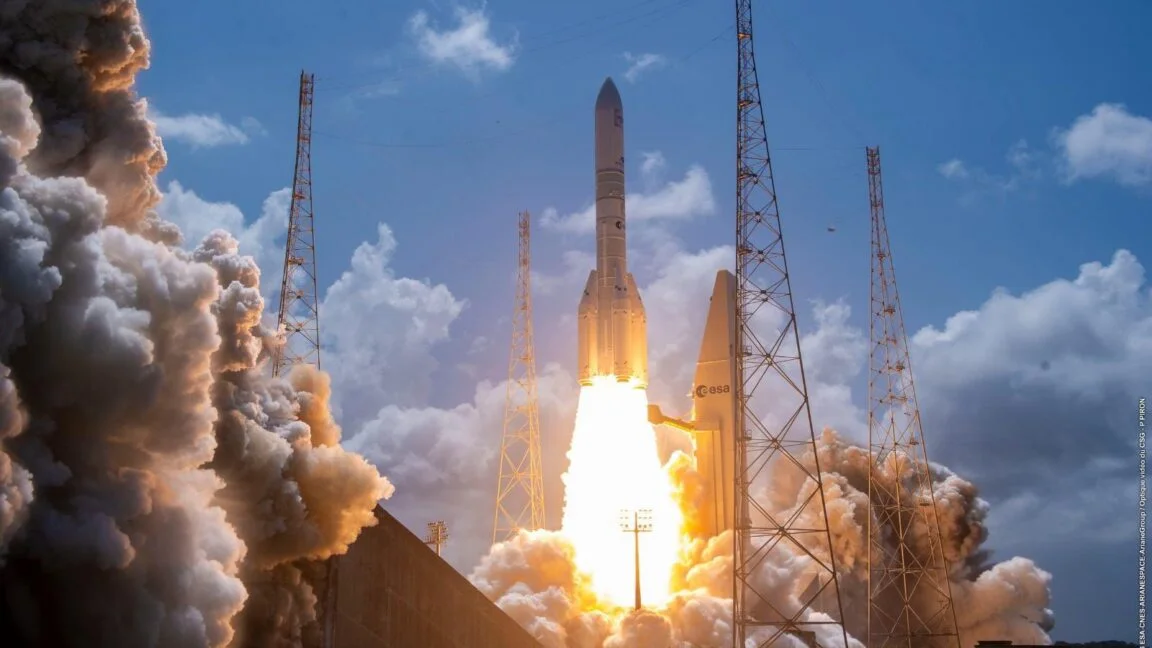
Europe's heavy-lift Ariane 64 launched from Kourou, delivering 32 Amazon Leo satellites to a ~465 km orbit, marking a milestone for Europe’s launch capabilities and accelerating Amazon's plan to deploy a ~3,200-satellite constellation to compete with SpaceX's Starlink.
Rocket Lab has secured its largest contract to date, worth $816 million, to design and produce 18 advanced missile-warning satellites for the U.S. Space Force, leveraging its vertically integrated manufacturing to deliver rapid, cost-effective solutions and expanding its role as a key prime contractor in national security space programs.
Rocket Lab has secured an $816 million contract from the U.S. Space Development Agency to build 18 advanced missile-warning satellites for the Tracking Layer Tranche 3 program, utilizing its vertically integrated manufacturing to deliver resilient, cost-effective space solutions that enhance national security and counter evolving threats.
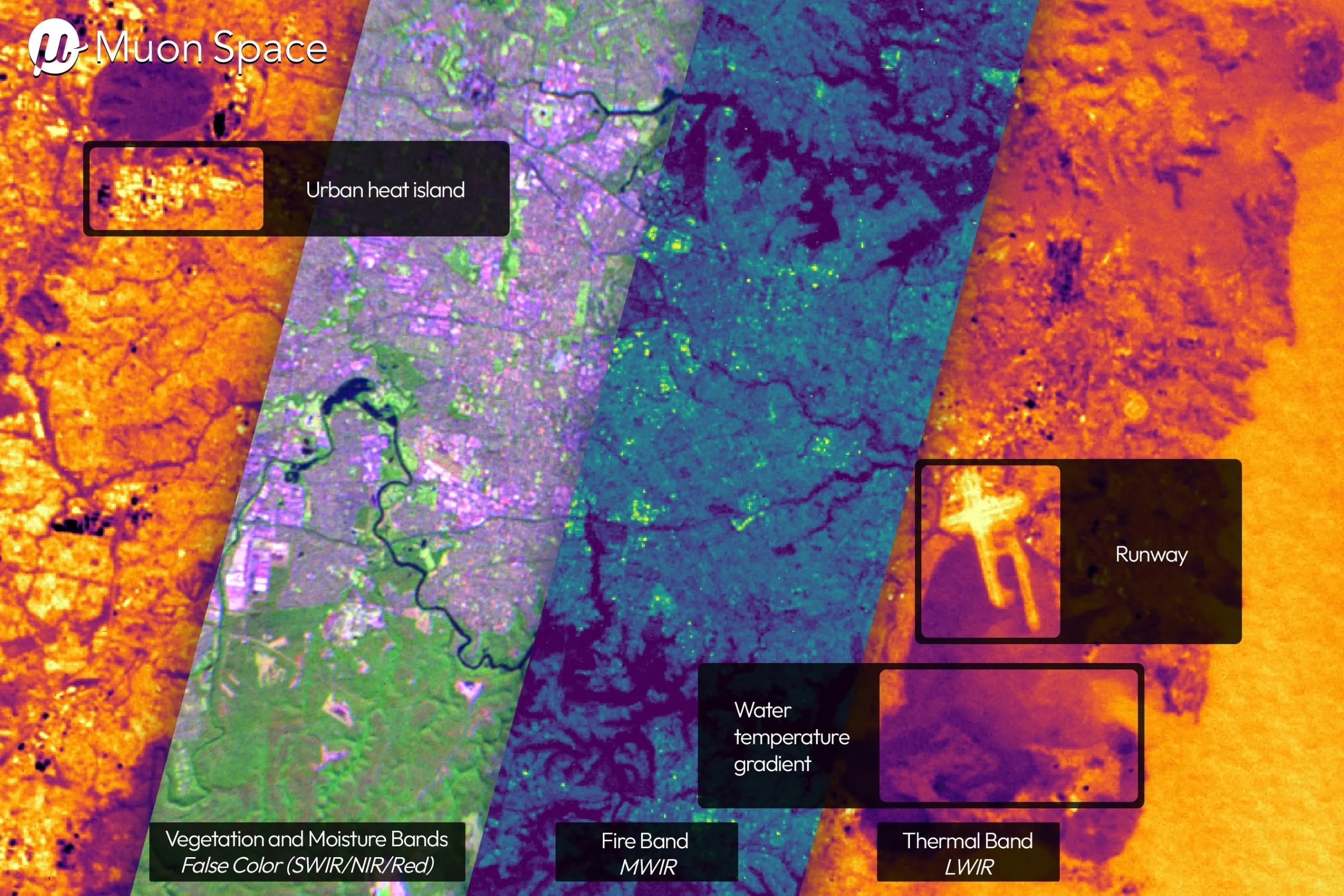
Muon Space has launched its FireSat satellite, the first in a planned constellation of over 50 satellites designed to scan the entire Earth every 20 minutes to detect wildfires using multi-band infrared sensors, aiming to improve wildfire response and mitigation.
Muon Space has released the first thermal infrared images from its FireSat satellite, demonstrating its capability to detect heat signatures from space, which will enhance wildfire detection and monitoring globally. The satellite, launched in March 2023, captures high-quality thermal data, with plans to expand the constellation to over 50 satellites by 2030 for more frequent Earth coverage, aiding first responders and researchers.
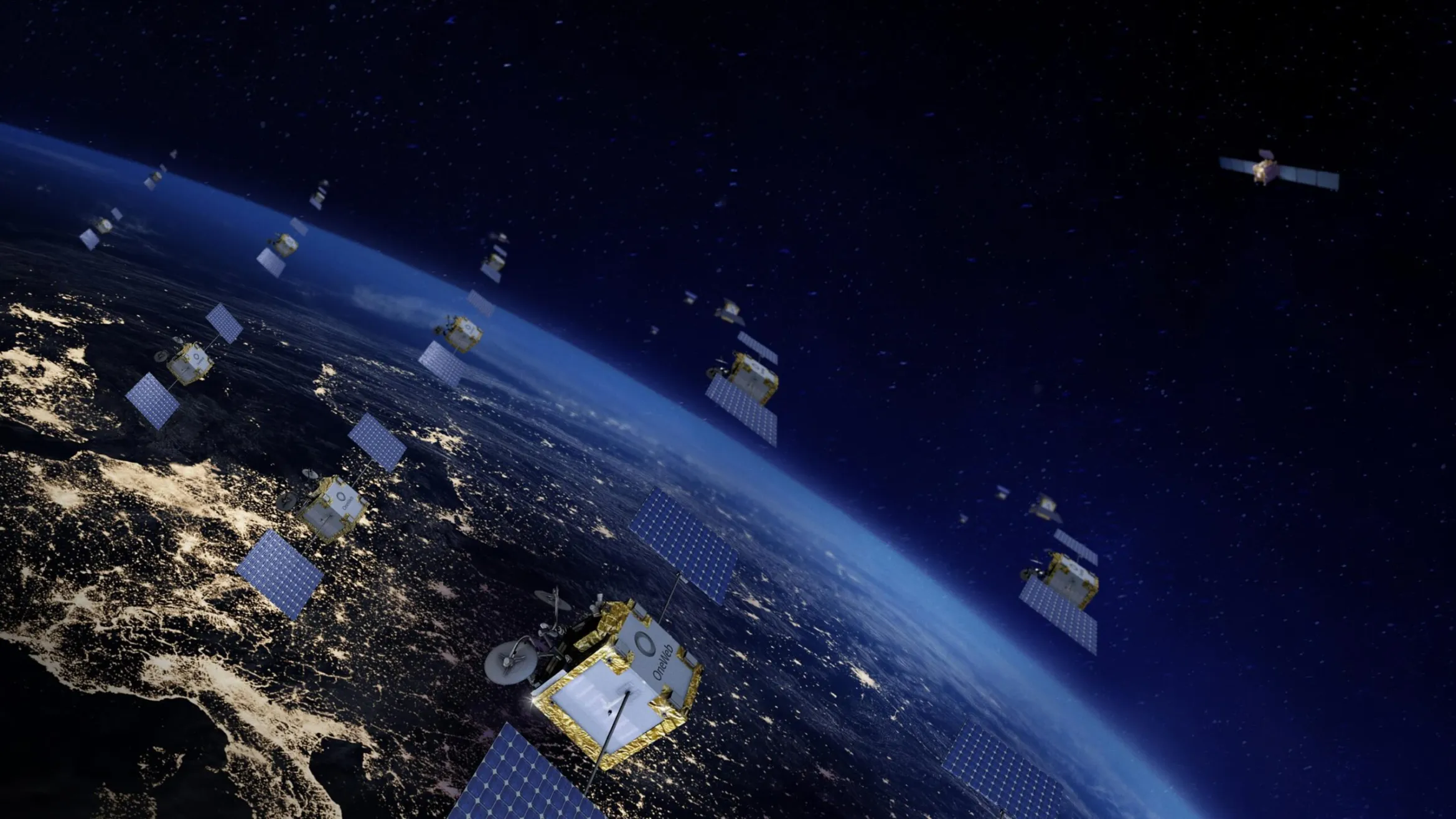
The French government plans to more than double its stake in Eutelsat to nearly 30% through a $1.56 billion capital increase, supporting the company's efforts to upgrade its satellite constellation and compete with Starlink, including investments in OneWeb and Europe's IRIS² project.
SpaceX is set to launch its second rocket in two days from the Space Coast, carrying batches of Starlink satellites. The first launch, carrying 23 satellites, took place from Kennedy Space Center, and the second is scheduled for Thursday evening from Cape Canaveral. This will mark the 157th and 158th overall Starlink launches, contributing to SpaceX's growing constellation of internet satellites. The company aims to send up more than 6,250 satellites, with the majority still in orbit and assessed as working. With the potential for 148 orbital missions this year, SpaceX continues to dominate space launches, with the majority dedicated to Starlink.
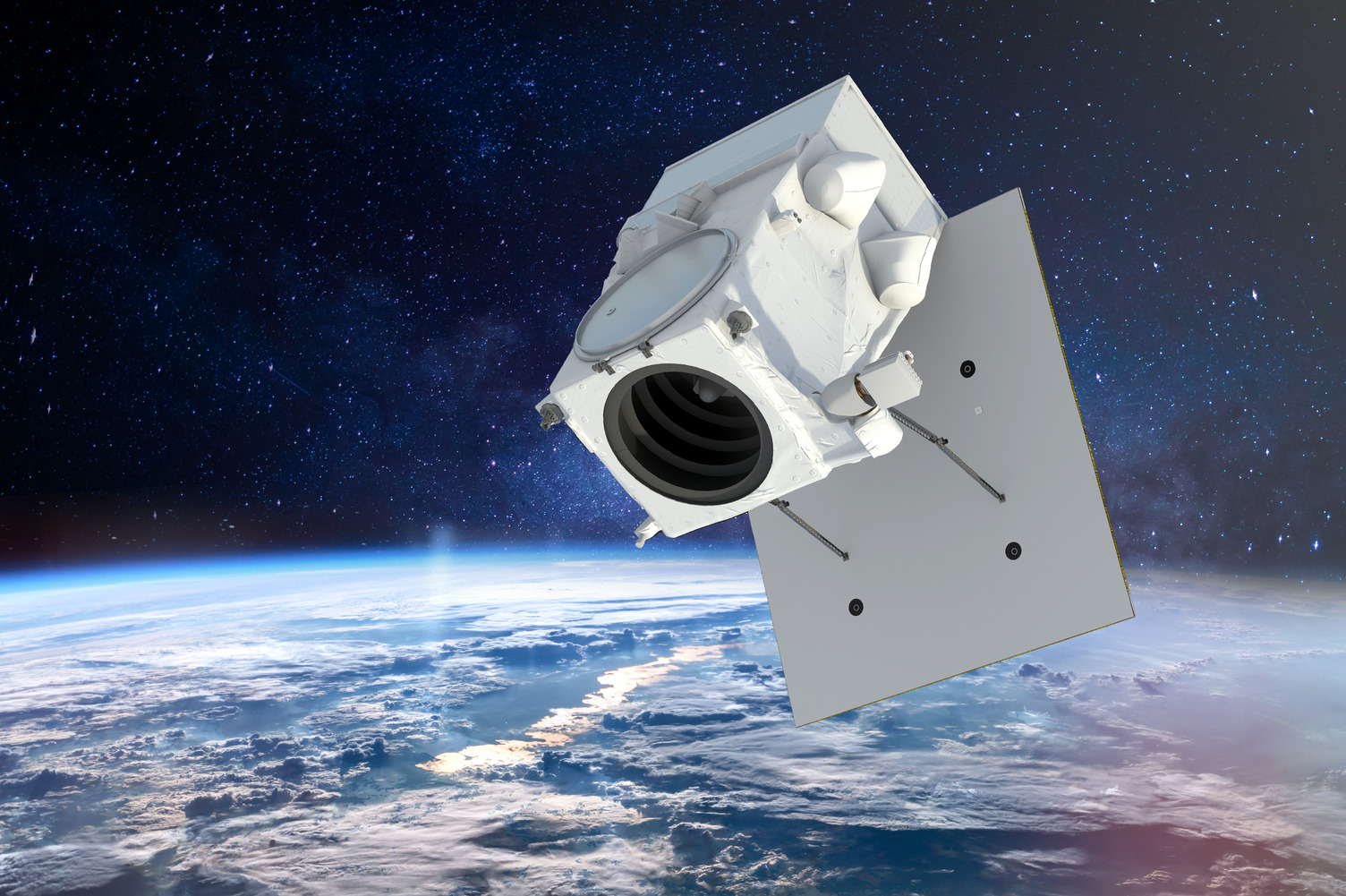
Maxar Technologies is preparing to launch the first two satellites of its WorldView Legion Earth-imaging constellation, with liftoff expected as soon as April aboard a SpaceX Falcon 9 rocket. The program, which has faced delays since its development in 2017, aims to triple Maxar Intelligence’s capacity to collect 30 cm-class and multispectral imagery. The satellites, crucial for augmenting Maxar's existing fleet, are equipped with optical sensors capable of capturing precise images of small objects on Earth's surface, and are part of a $3.2 billion contract to provide imagery to the U.S. National Reconnaissance Office over 10 years.
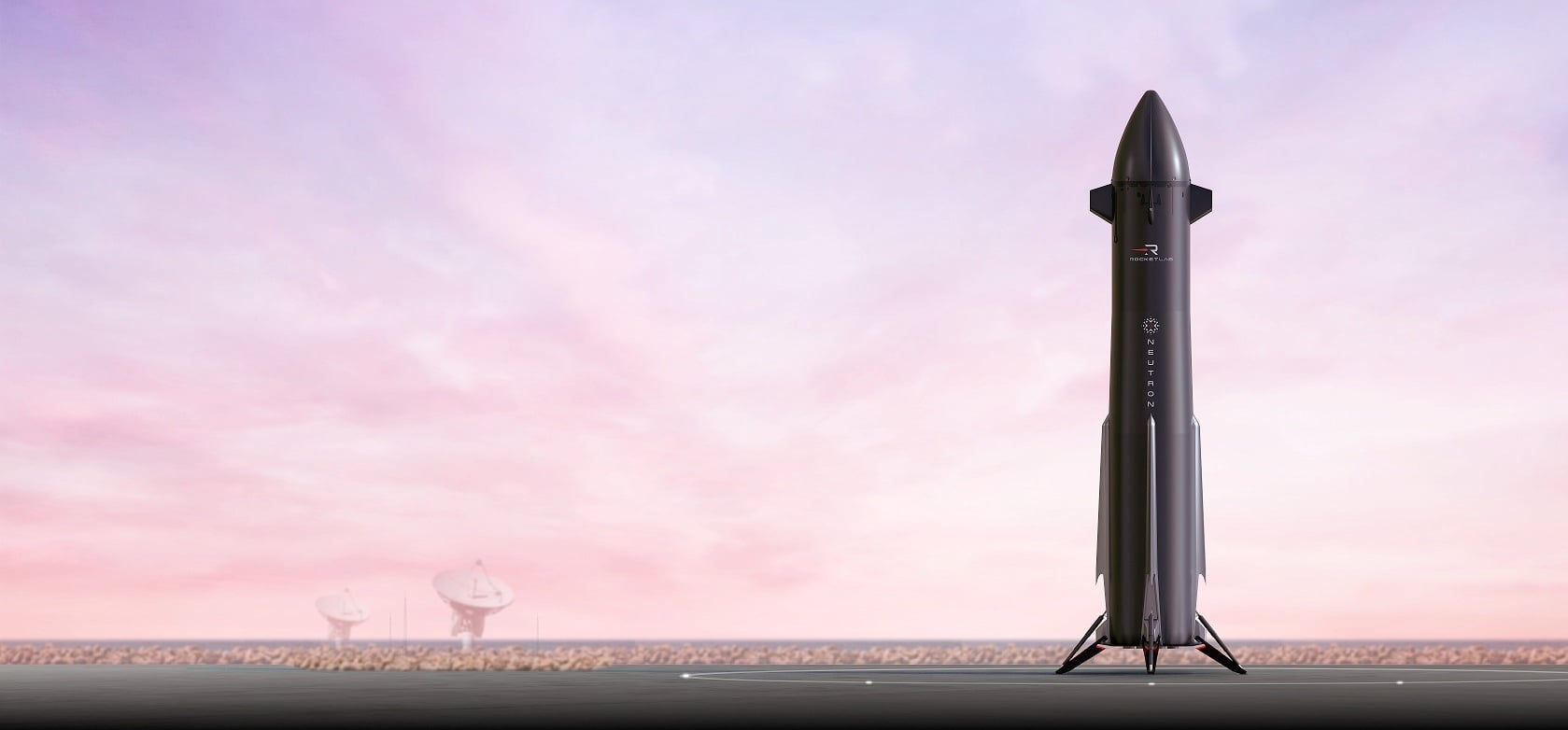
Rocket Lab aims to launch its first Neutron rocket before the end of 2024, with development progressing on schedule and budget. The company's long-term vision includes operating its own satellite constellation, driven by the larger total addressable market for space services. Rocket Lab also announced a new lineup of spacecraft buses and emphasized the importance of completing Neutron to reduce capital expenditures and move towards profitability.
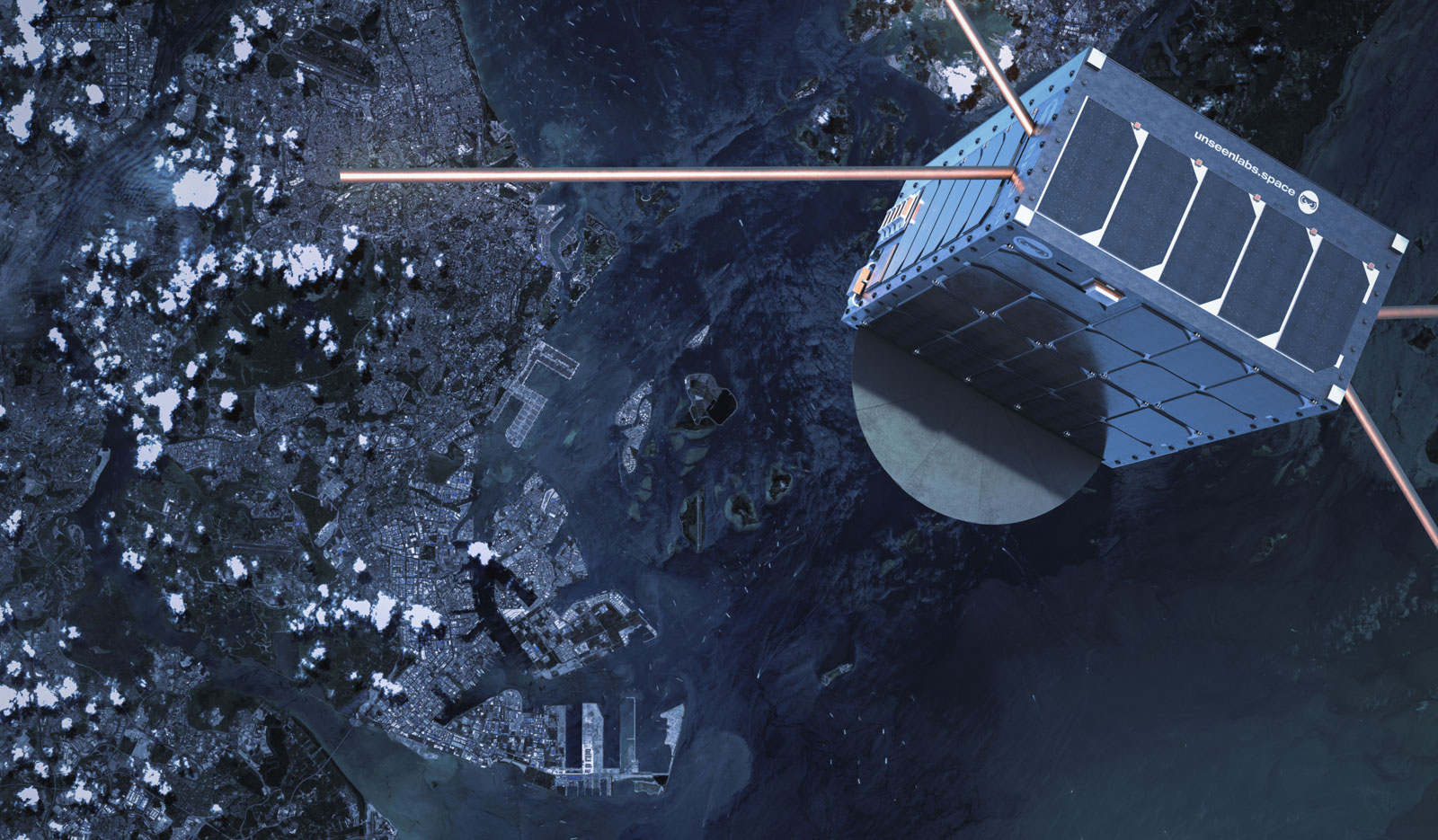
French maritime surveillance provider Unseenlabs plans to expand its constellation with the launch of its 12th and 13th nanosatellites on a SpaceX Falcon 9 rocket, aiming to offer near-real time maritime surveillance services by the end of 2025. The constellation, currently consisting of 11 satellites, can monitor and track signals from ships every four to six hours, providing valuable data for commercial and government customers. Unseenlabs aims to launch a total of 25 satellites by 2025 to enable a revisit time of around 30 minutes over the same area, enhancing services for environmental monitoring, maritime disaster response, and pollutant emissions tracking.
Rocket Lab successfully launched its first recovery Electron mission of 2024 from New Zealand, deploying four Space Situational Awareness (SSA) satellites for Spire Global and NorthStar Earth & Space. The first stage booster was recovered from the Pacific Ocean, marking Rocket Lab's ambition for reusing the booster entirely. NorthStar's "NorthStar-1" mission is the first batch of a planned 24-satellite constellation, aiming to enable continuous monitoring of satellites and nearby objects for early detection and warning of safety- and security-related phenomena.
SpaceX successfully launched its second Falcon 9 rocket of the night, carrying 22 Starlink satellites from the West Coast. The booster, B1075, completed its ninth flight and landed on the droneship, marking the 81st landing on this droneship and the 268th overall Falcon 9 booster landing. This launch adds to the growing Starlink satellite constellation, which now has over 5,300 satellites in orbit.
China plans to launch 26,000 satellites to create its own satellite internet constellation in low Earth orbit, aiming to rival the U.S.'s StarLink and establish itself as a major "space power" in the wake of increasing military use of satellite-based communications systems.
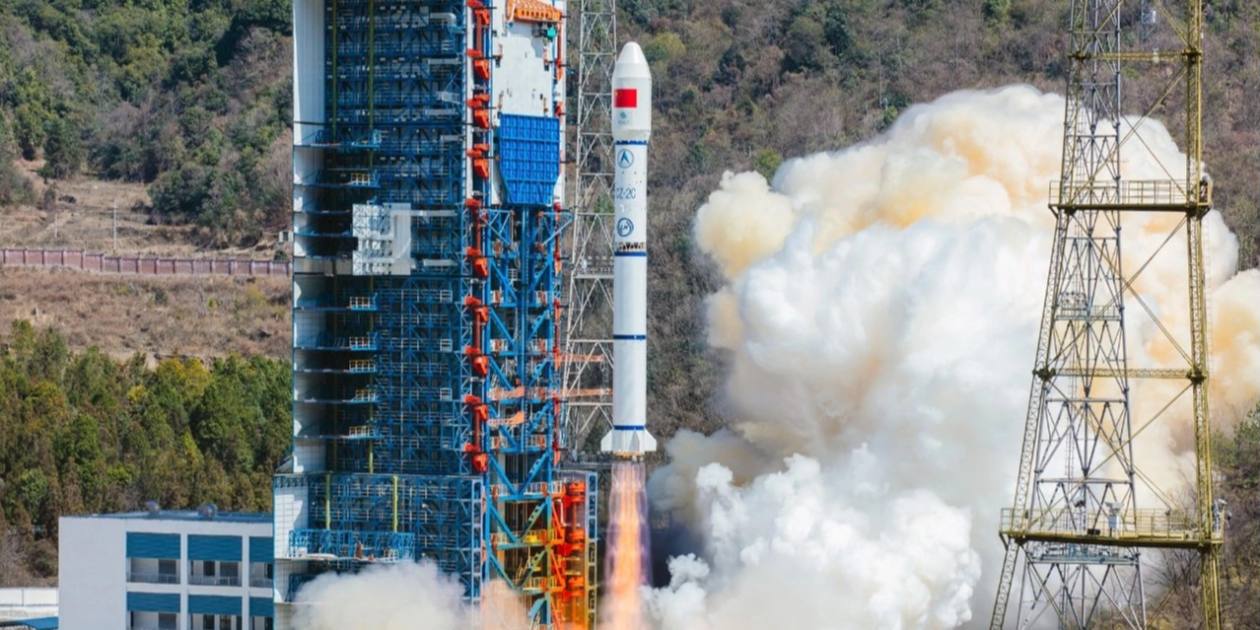
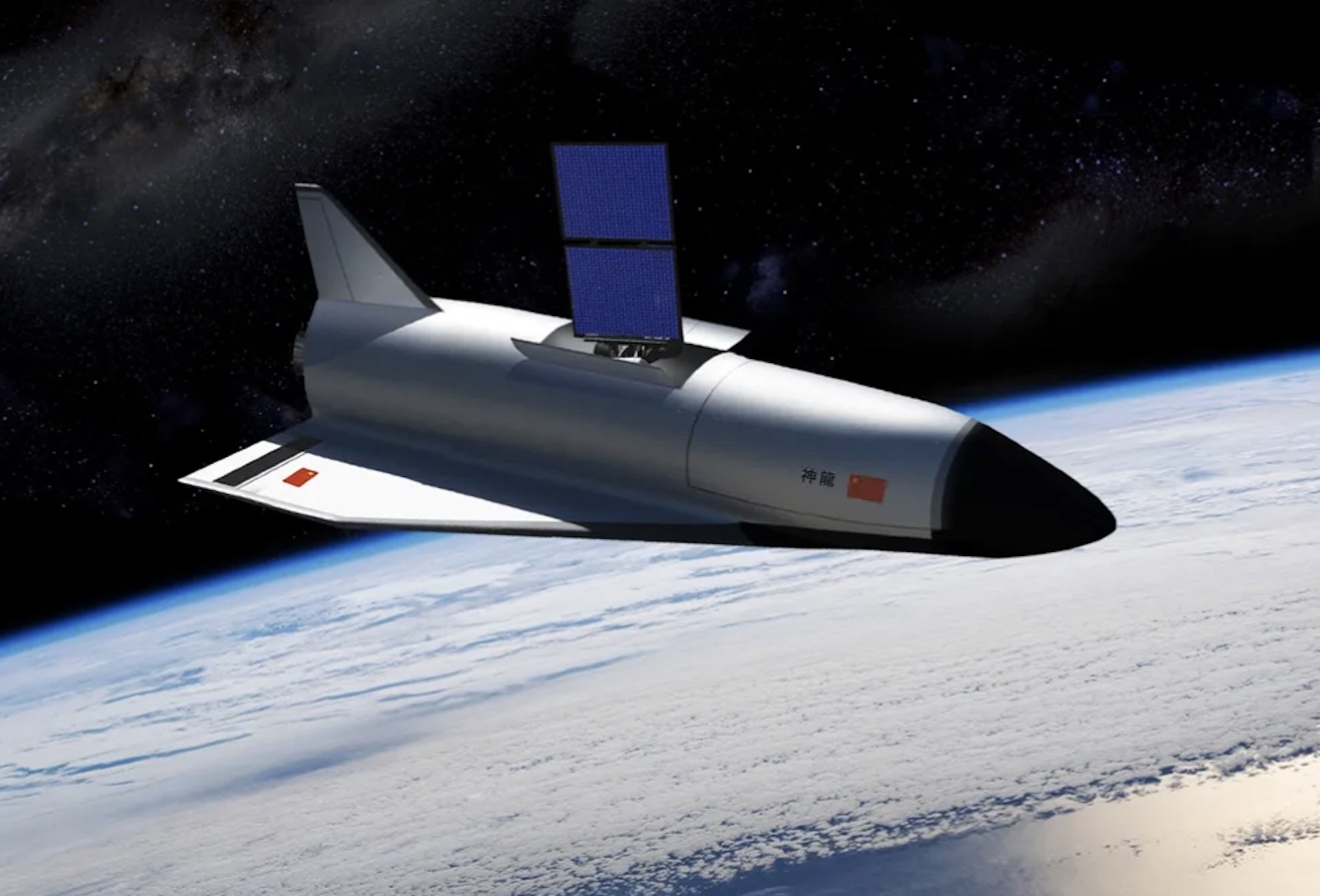
China's Shenlong robotic space plane has been observed placing six unidentified objects into Earth's orbit, emitting signals similar to previous missions. The Chinese space plane, known as the "Divine Dragon," has exhibited similar behaviors in the past, releasing small unknown objects into orbit. China is gaining experience with space plane operations for various objectives, including potentially establishing a cost-effective reusable mass satellite launch platform. Additionally, China plans to build a 300-satellite constellation in Very Low Earth Orbit (VLEO) by 2030, providing ultra-fast remote sensing and communication services. The use of space planes for military purposes, such as a fractional orbital bombardment system (FOBS), is also discussed, although Western analysts are skeptical about China's claims in this regard.