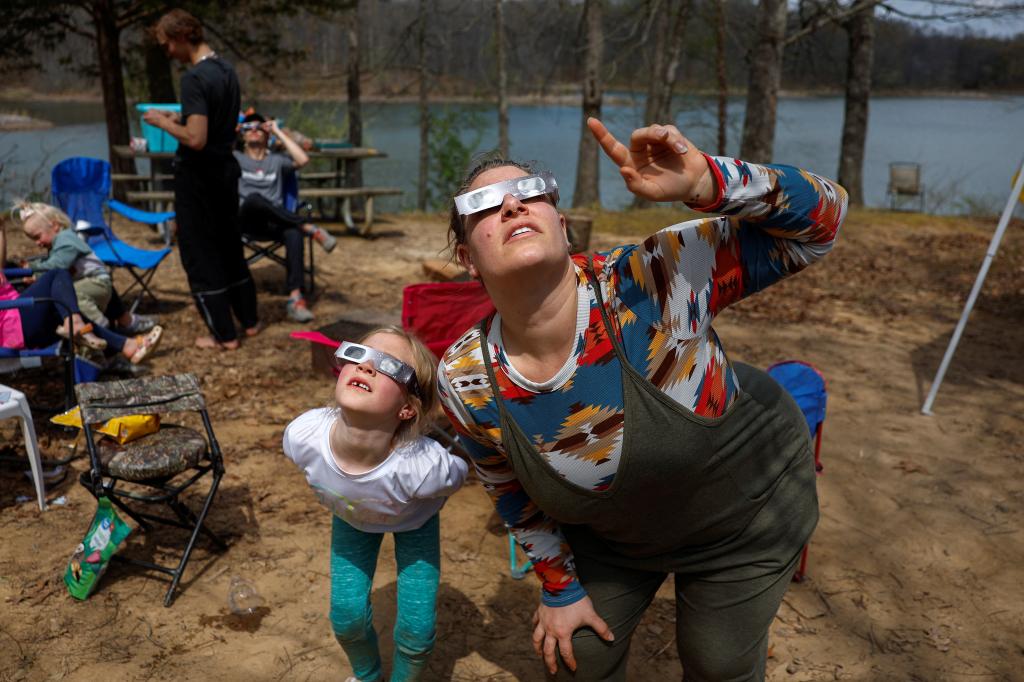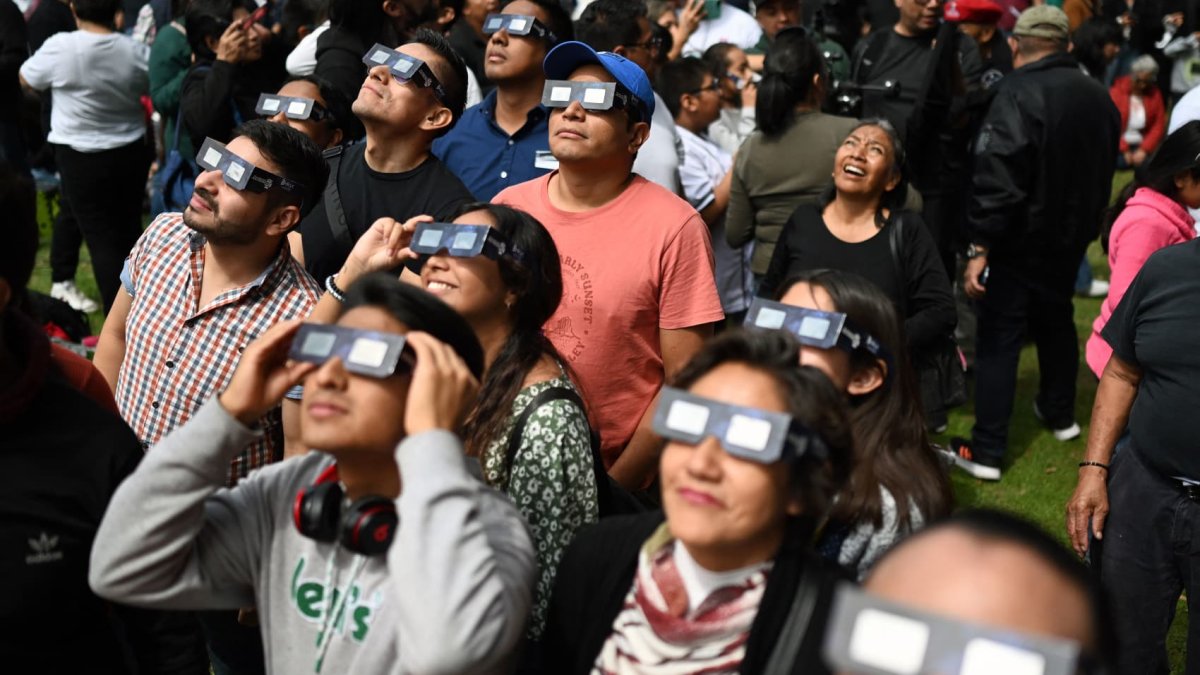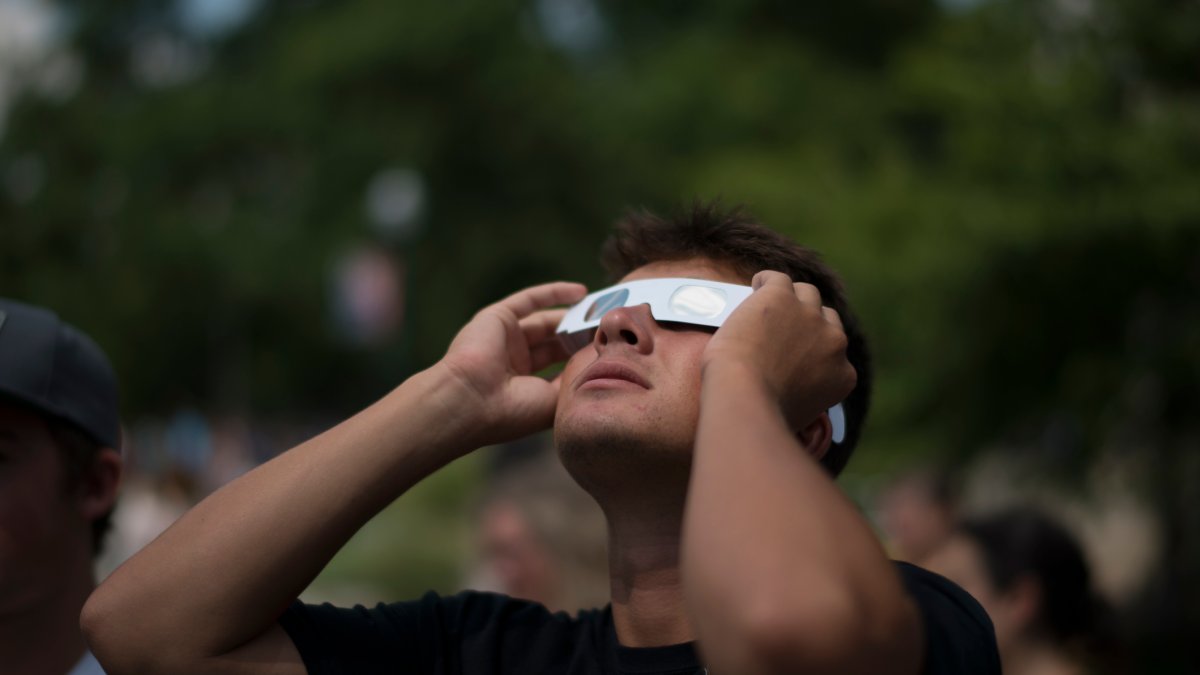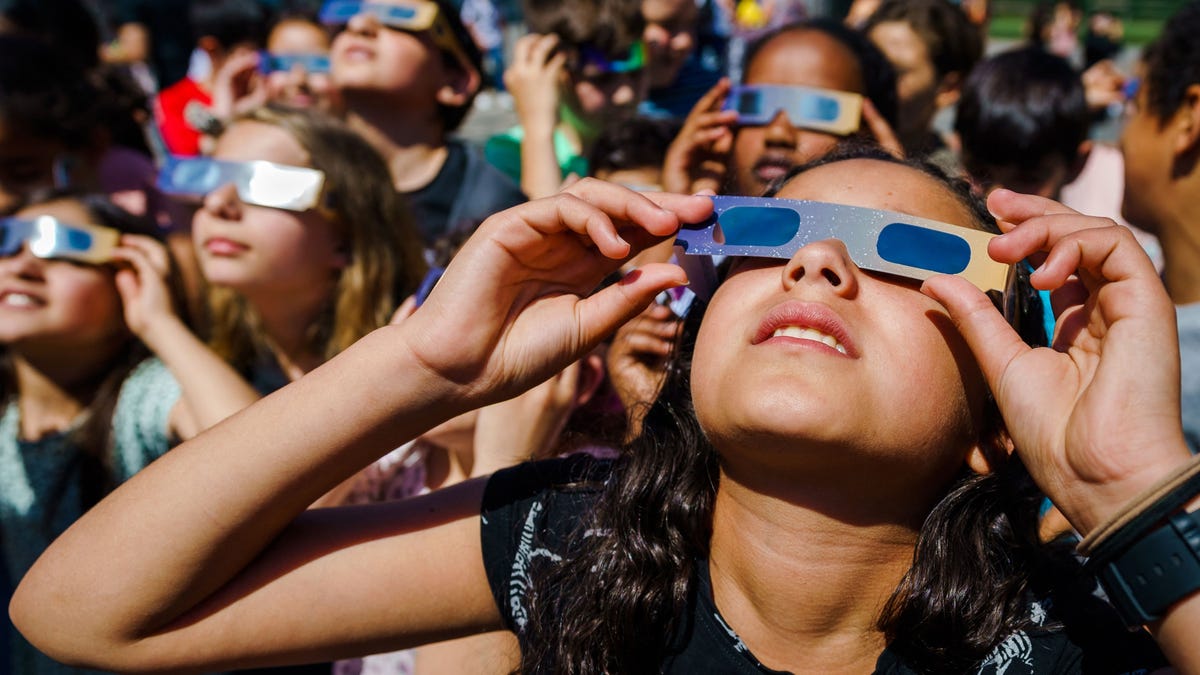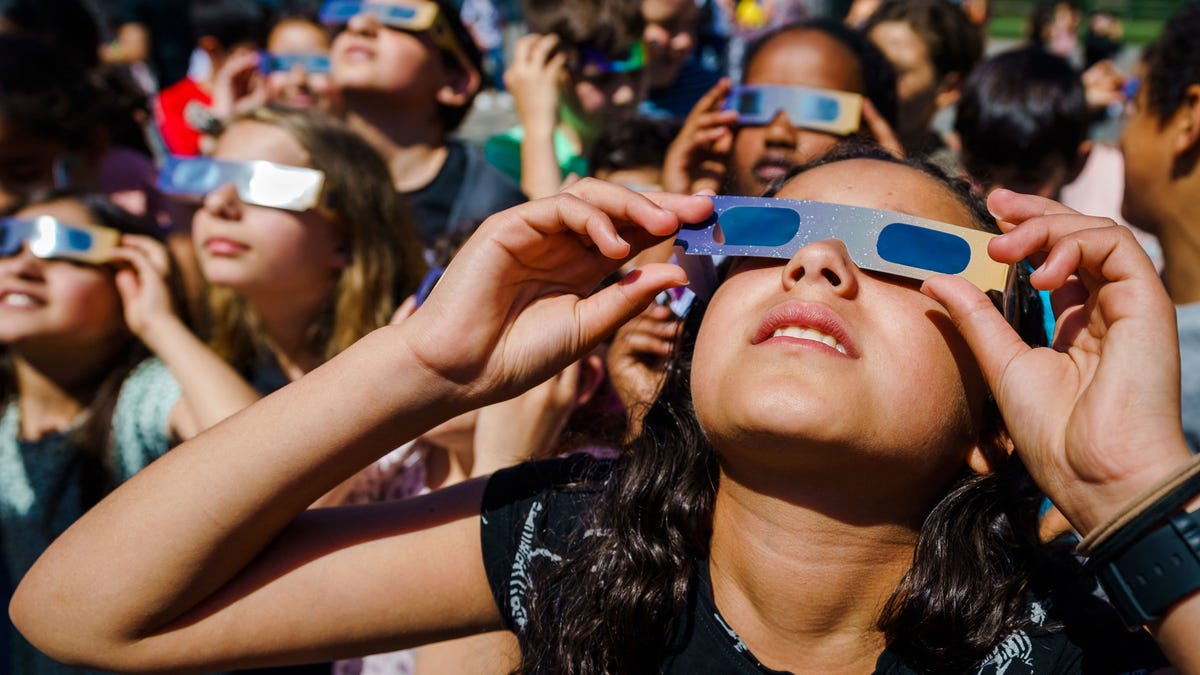
The Moorestown Library in South Jersey apologized for possibly distributing counterfeit solar eclipse glasses purchased from Walmart.com, warning against their use and advising people to check the authenticity of their glasses. The American Astronomical Society had previously warned about the likelihood of fake glasses being distributed for the eclipse. Symptoms of possible eye damage from the eclipse include distorted vision, changes in color perception, blurred vision, and headaches. It's important to ensure the authenticity of eclipse glasses to avoid potential eye damage.
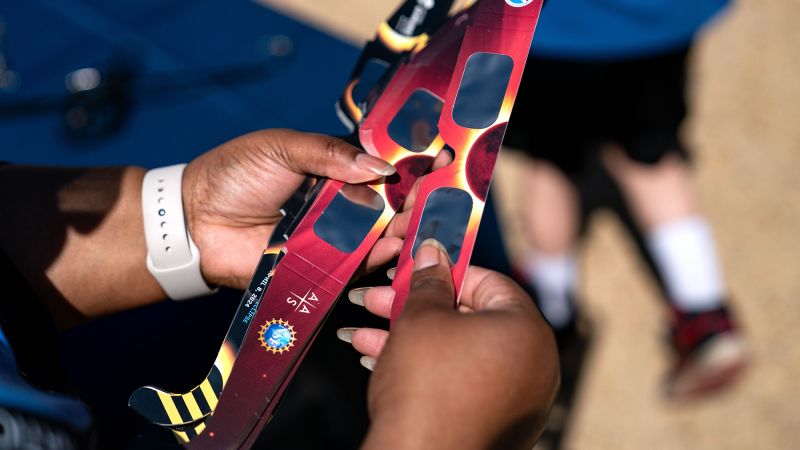
Solar eclipse glasses that meet the safety standard ISO 12312-2 can be reused for future eclipses, including the 2026 event visible over Greenland, Iceland, Spain, Russia, and parts of Europe, Africa, and North America, as well as the 2044 eclipse over the contiguous United States. However, damaged or older glasses should be discarded, and organizations like Eclipse Glasses USA and Astronomers Without Borders are collecting used glasses for donation to schools and individuals in areas where future eclipses will be visible.
Solar eclipse glasses sold on Amazon and in Illinois and Missouri have been recalled for potentially failing to meet safety standards, with warnings issued by the Illinois Department of Health and stores in the affected areas. The glasses were labeled as 'EN ISO 12312-1:2022' instead of the required '12312-2'. Customers have been advised not to use the recalled glasses for the upcoming solar eclipse on April 8, and refunds are expected. The American Astronomical Society has warned about dangerous fake glasses infiltrating the market and provided guidance on identifying legitimate solar glasses.
The Illinois Department of Health has issued an alert after several pairs of solar eclipse glasses sold in the state were recalled for potentially failing to meet safety standards. The glasses were sold through Amazon and at six stores in Southern Illinois, and were labeled as 'EN ISO 12312-1:2022' instead of the proper safety designation of 12312-2. Retailers in other parts of the country also issued warnings about the recall, and some people who purchased the recalled glasses from Amazon received an email stating that the glasses were not safe for viewing the eclipse. It's critical to ensure that solar eclipse glasses used are not counterfeit, and experts suggest purchasing them through suppliers deemed safe by the American Astronomical Society.
Some solar eclipse glasses are being recalled due to safety concerns, with Amazon notifying customers that certain glasses labeled as "AAS Approved" are not safe for viewing the eclipse. Local retailers in the Midwest have also issued recalls for eclipse glasses. It's crucial to ensure that solar eclipse glasses are not counterfeit, as viewing the eclipse without proper eyewear can cause irreversible eye damage within seconds. Experts recommend purchasing glasses from approved manufacturers listed on the American Astronomical Society's website and advise against using online marketplaces for the lowest-priced options. Additionally, if you still have glasses from the 2017 eclipse, you may be able to reuse them if they are undamaged.
The American Astronomical Society has warned against purchasing eclipse glasses from online marketplaces like Amazon, eBay, and Temu, as counterfeit and unsafe products have entered the market. Some Chinese factories have been falsely labeling their products as being made by legitimate manufacturers, posing a safety risk for viewers. The AAS has compiled a list of over a hundred vetted producers, distributors, and retailers offering lab-tested glasses, including major retailers like Walmart and 7-Eleven. eBay responded by stating that it only allows the sale of eclipse glasses verified by the AAS, using AI technology and buyer protection programs to ensure authenticity. Consumers are advised to ensure the seller is identified on the site and listed on the AAS page before purchasing solar viewers online.
The American Astronomical Society warns against buying eclipse glasses from online marketplaces like Amazon, eBay, and Temu, as counterfeit and fake products have entered the market. They have compiled a list of over a hundred vetted producers, distributors, and retailers offering lab-tested glasses, including major retailers like Walmart and 7-Eleven. The AAS advises consumers to ensure the seller is identified on the site and listed on their page before purchasing solar viewers online. eBay responded that it only allows the sale of eclipse glasses verified by the AAS, using AI technology and buyer protection programs to ensure authenticity. If you've already purchased glasses from non-listed retailers, there are methods available to test their safety.
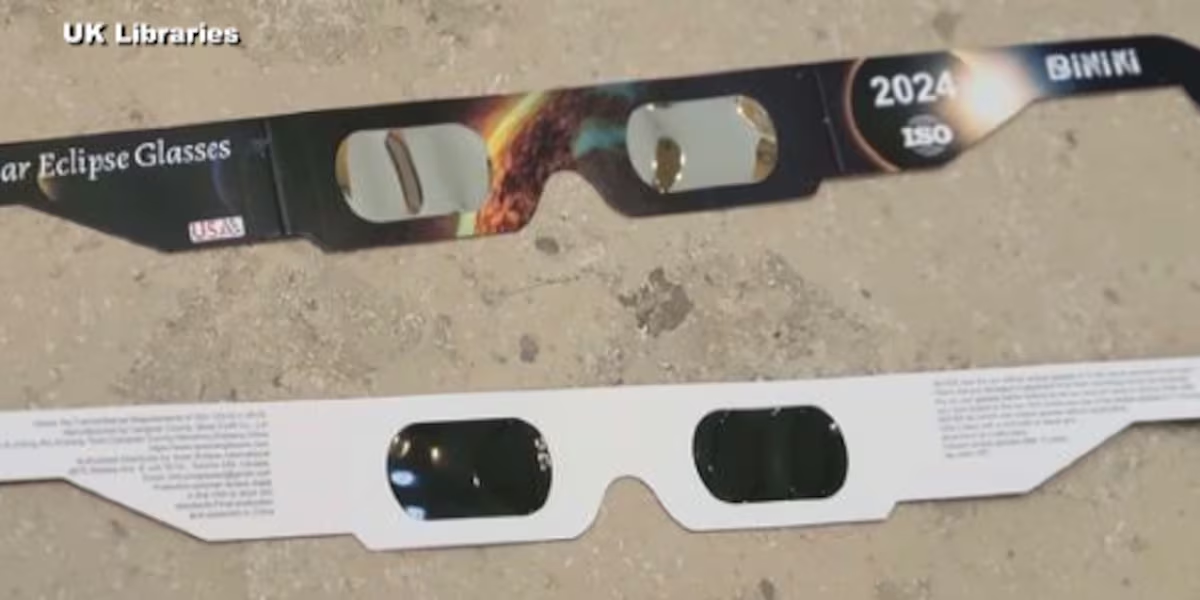
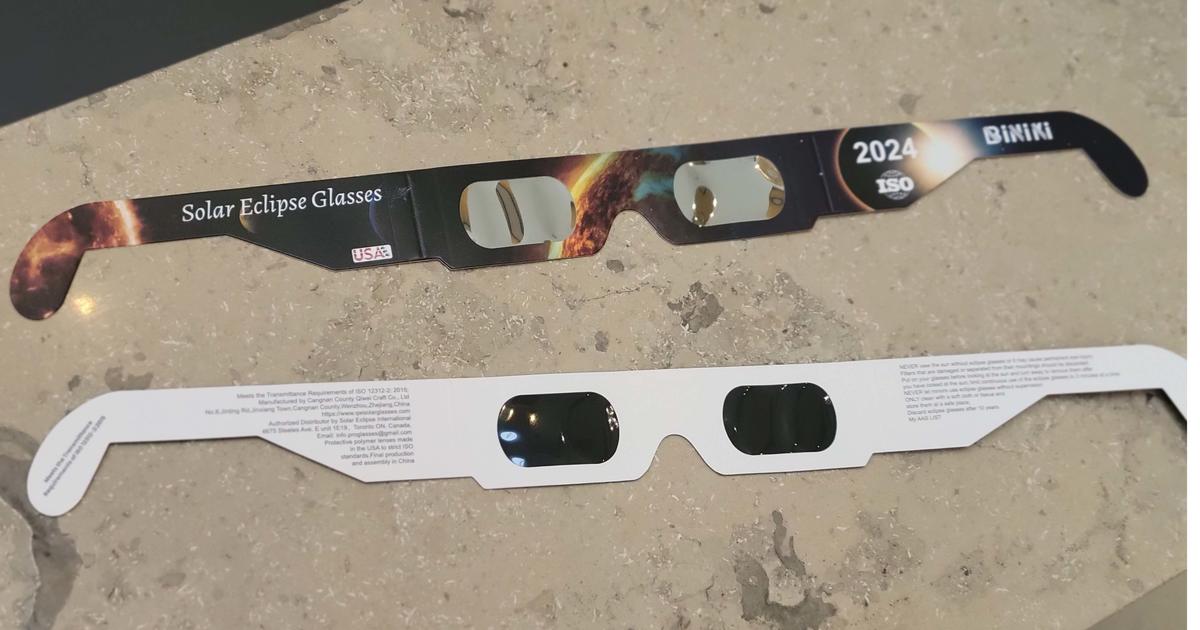
The University of Kentucky issued a warning after realizing that their campus libraries had been distributing eclipse glasses that were not approved for safe use, prompting a call for students and others to dispose of them immediately. The glasses, made by the company Biniki, falsely claimed approval by the American Astronomical Society. Looking at an eclipse without proper protection can cause solar retinopathy, leading to permanent eye damage, so it's crucial to ensure that eclipse glasses are labeled "ISO 12312-2" and pass a light test before use.
Amazon has sent out warnings to customers who purchased solar eclipse glasses, advising them not to use the glasses for the upcoming eclipse due to safety concerns. The company is offering refunds and has proactively notified customers about the potential issue. Consumer protection agencies have warned about an increase in counterfeit eclipse glasses, and Amazon appears to be cross-referencing its sellers with a list of vetted vendors from the American Astronomical Society. Customers are urged to ensure the legitimacy of their glasses by performing simple tests, and Amazon encourages those with concerns to contact their Customer Service directly.
Biniki brand eclipse glasses distributed by UK Libraries were found to be mislabeled and not approved for viewing the upcoming eclipse, as they falsely claimed to be approved by the American Astronomical Society. Individuals are urged to discard these glasses and obtain approved eyewear labeled "ISO 12312-2" from reliable vendors to ensure safe viewing of the solar eclipse.
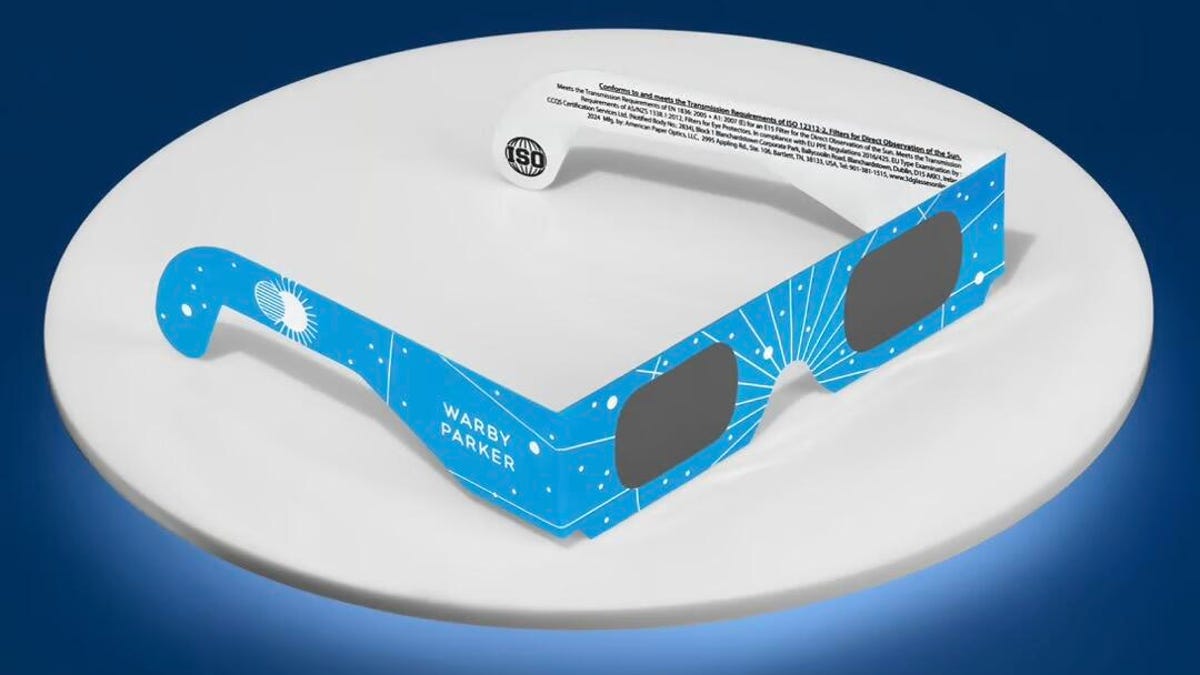
Warby Parker is offering free solar eclipse glasses at its stores until April 8 or while supplies last, limited to two per family, and manufactured by American Paper Optics, a preapproved seller listed by the American Astronomical Society. Local libraries may also offer certified glasses, and pinhole projectors are available as an alternative. It's important to test any glasses for safety before use, ensuring that no ordinary light is visible through them.
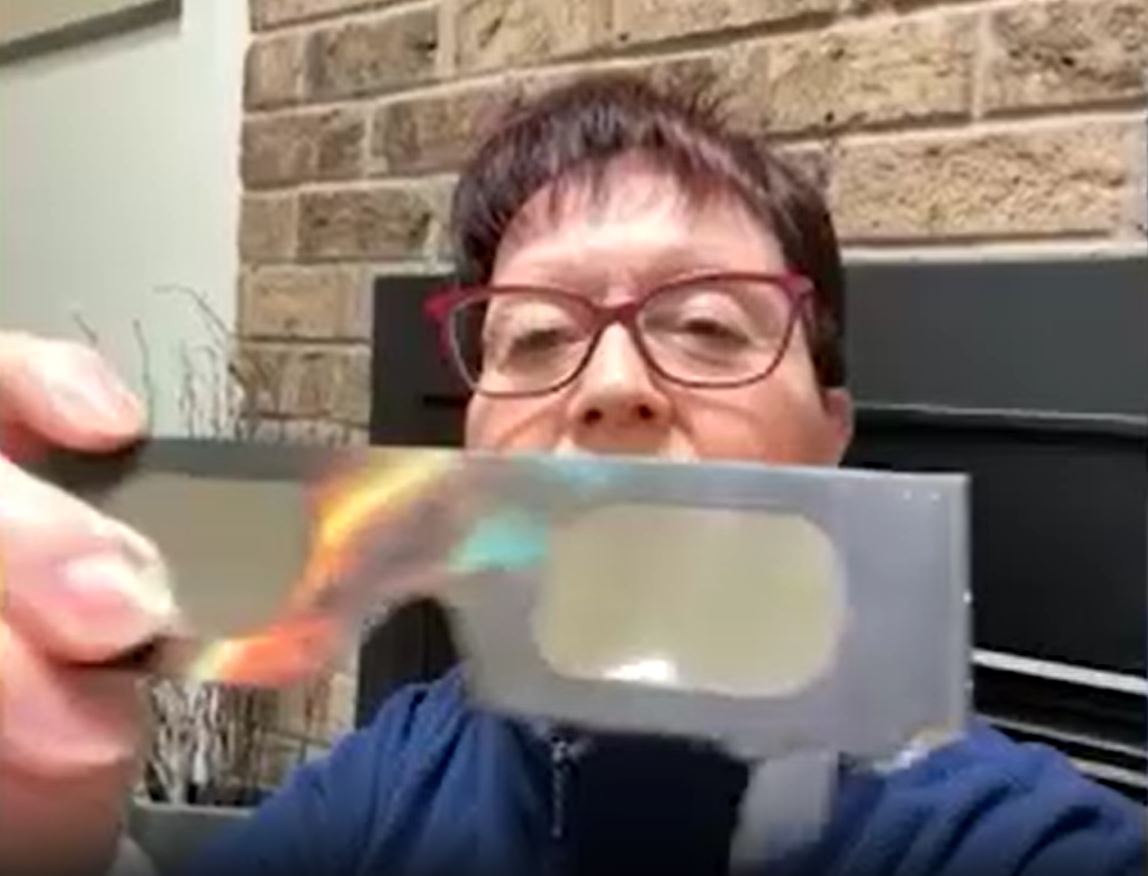
The American Astronomical Society has issued a consumer alert on how to distinguish real eclipse glasses from fakes, emphasizing the importance of using legitimate products to avoid permanent vision damage. Key indicators of genuine eclipse glasses include reflective lenses, the ISO seal with the number 12312-2, and purchasing from vetted vendors listed on the society's website. It's crucial to be cautious when buying eclipse glasses online, as many fakes are using the names of legitimate manufacturers.
Counterfeit solar eclipse glasses from China are being sold in the US, posing a risk of "temporarily impaired vision" or "permanent blindness." The suspect frames impersonate legitimate ones and are no darker than regular sunglasses. Legitimate solar glasses should be at least 1,000 times darker than regular sunglasses and have an International Organization for Standardization (ISO) certification. The American Astronomical Society advises caution and provides a list of legitimate vendors, while New York State offers free solar eclipse glasses at city libraries and transit routes.
With the upcoming total solar eclipse, experts warn against counterfeit eclipse glasses flooding the market and provide tips to identify safe ones, including checking for the ISO 12312-2 safety standard and ensuring the lenses are made of black polymer. The American Astronomical Society has identified fraudulent glasses with the names of reputable manufacturers but made by different, unidentified factories. They advise purchasing from vetted vendors and testing glasses indoors and outdoors before use to prevent severe eye injury from viewing the sun without proper protection. If eye damage occurs, it can lead to permanent conditions, so it's crucial to prioritize eye safety, especially for children.
With the North American total solar eclipse approaching, experts are cautioning the public about the presence of counterfeit and fake eclipse viewing glasses in the market. The American Astronomical Society has issued a warning, providing guidance on distinguishing safe solar eclipse glasses from potentially harmful ones.