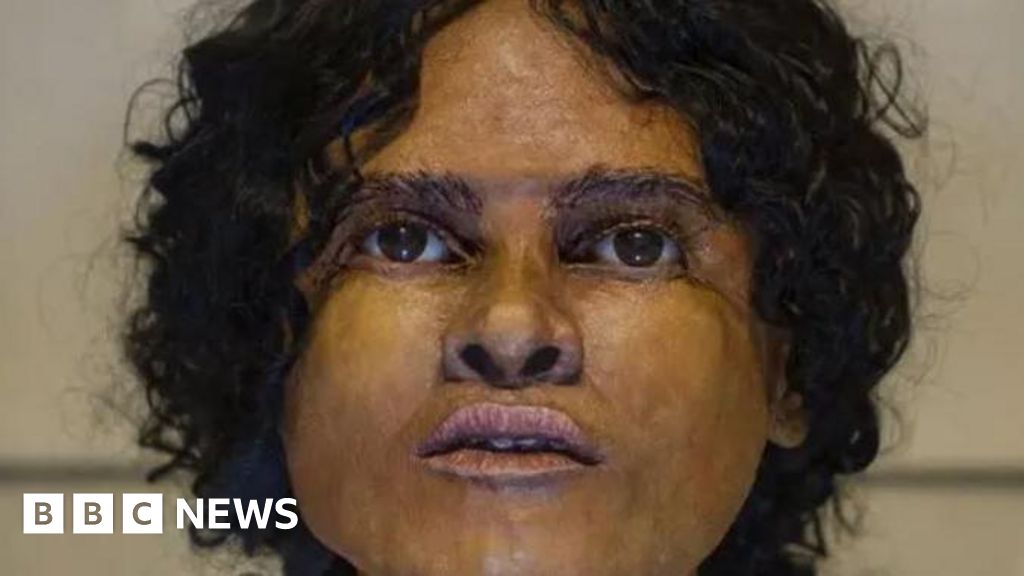
Scientists have revealed that the ancient skeleton known as the 'Beachy Head Lady,' previously thought to be of sub-Saharan African origin, actually had genetic ties to rural Britain, challenging earlier assumptions about her ancestry.
A new DNA study using AI tools reveals that Papua New Guineans are closely related to other Asian populations, sharing a common 'Out of Africa' ancestry, but their unique physical features and demographic history suggest a complex evolutionary past with significant Denisovan DNA influence. The exact origins remain unresolved, with possibilities including early migration and distinct demographic events.
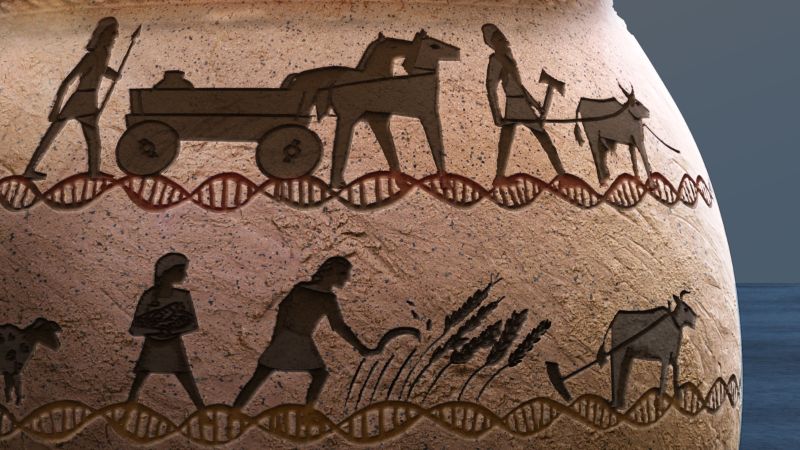
Scientists have created the largest ancient DNA database, revealing that genetic variants which once protected prehistoric populations from pathogens may now increase the risk of diseases like multiple sclerosis and Alzheimer's in Europeans. The research, published in Nature, shows how the genetic roots of diseases and traits have evolved over time as populations migrated and interbred. The findings provide new insights into the genetic origins of multiple sclerosis and Alzheimer's, shedding light on how ancient lifestyles impact modern disease risk.
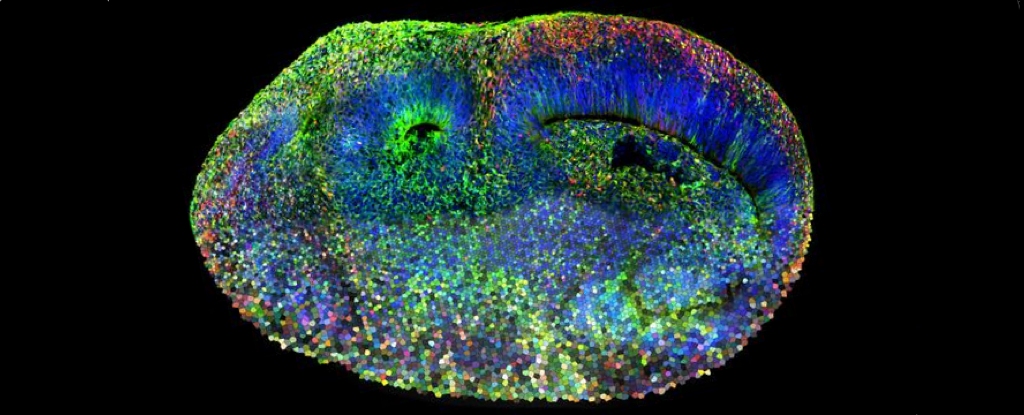
Scientists have developed a new technique called CHOOSE, which uses brain organoids to study the genetic origins of autism spectrum disorder (ASD). By analyzing mutations of high-risk autism genes in individual cells within the organoids, researchers can understand how these mutations lead to specific changes in the fetal brain. The study focused on 36 known high-risk autism genes and found that different cell types in the brain can be vulnerable to autism-related mutations. This technique has the potential to significantly advance our understanding of genetic diseases and could be applied to study disease-associated genes beyond brain organoids.
Scientists have used organoids, or "mini-brains," to study the origins of autism spectrum disorder (ASD). By analyzing these miniature brain models, researchers discovered an imbalance of excitatory cortical neurons in the forebrains of individuals with ASD. This imbalance is believed to occur during early brain development in utero, shedding light on the genetic origins of autism. The study also identified specific genes, known as transcription factors, that play a crucial role in early brain development and are associated with the neuronal imbalance observed in ASD patients. This research builds upon previous studies and may contribute to prenatal genetic testing and potential prevention of ASD.