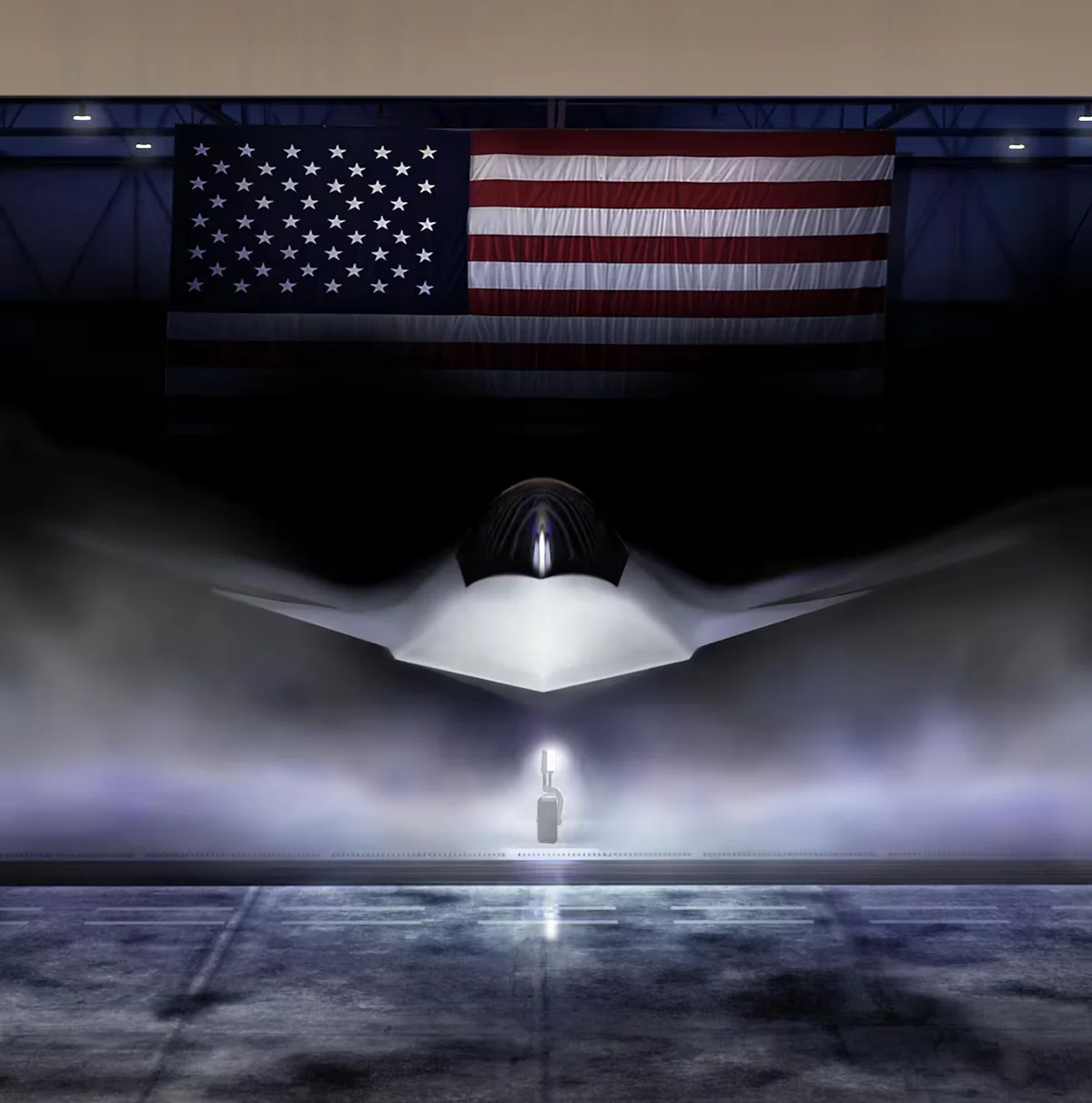
President Donald Trump proposed increasing U.S. military spending to $1.5 trillion in 2027 to build a 'Dream Military,' amid ongoing military operations and geopolitical ambitions, including potential territorial takeovers and increased defense contractor scrutiny.
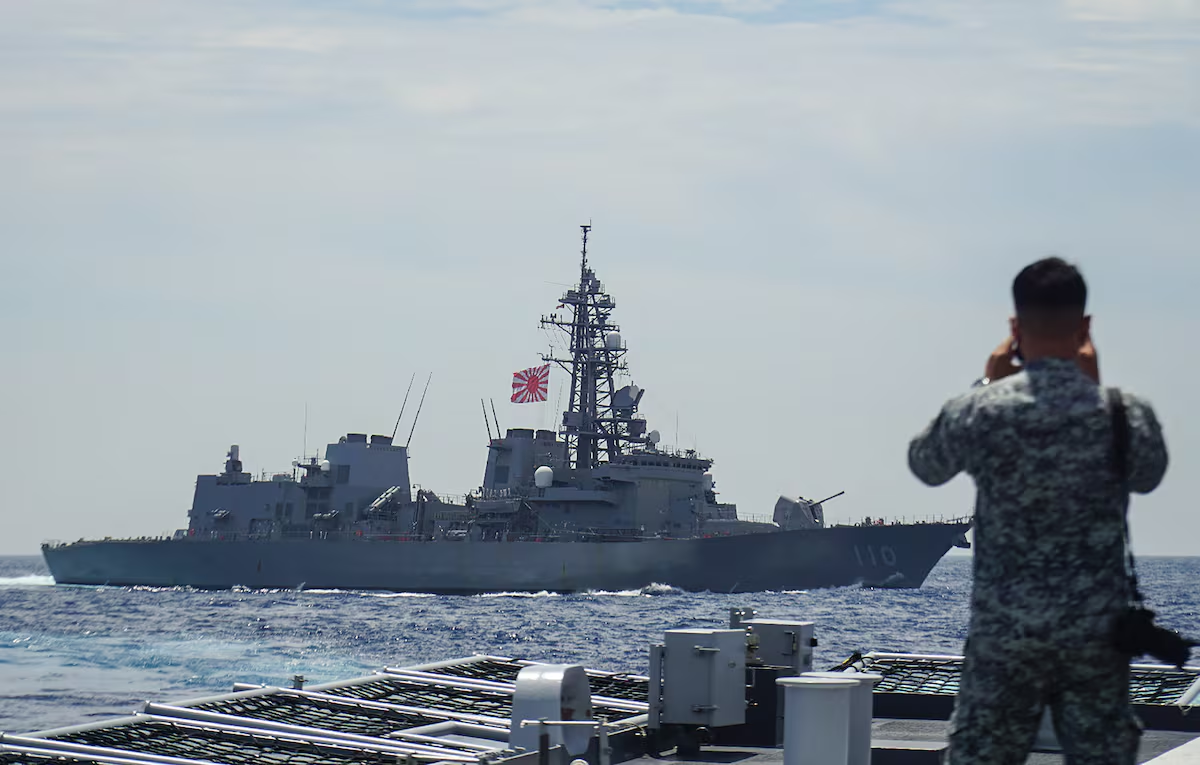
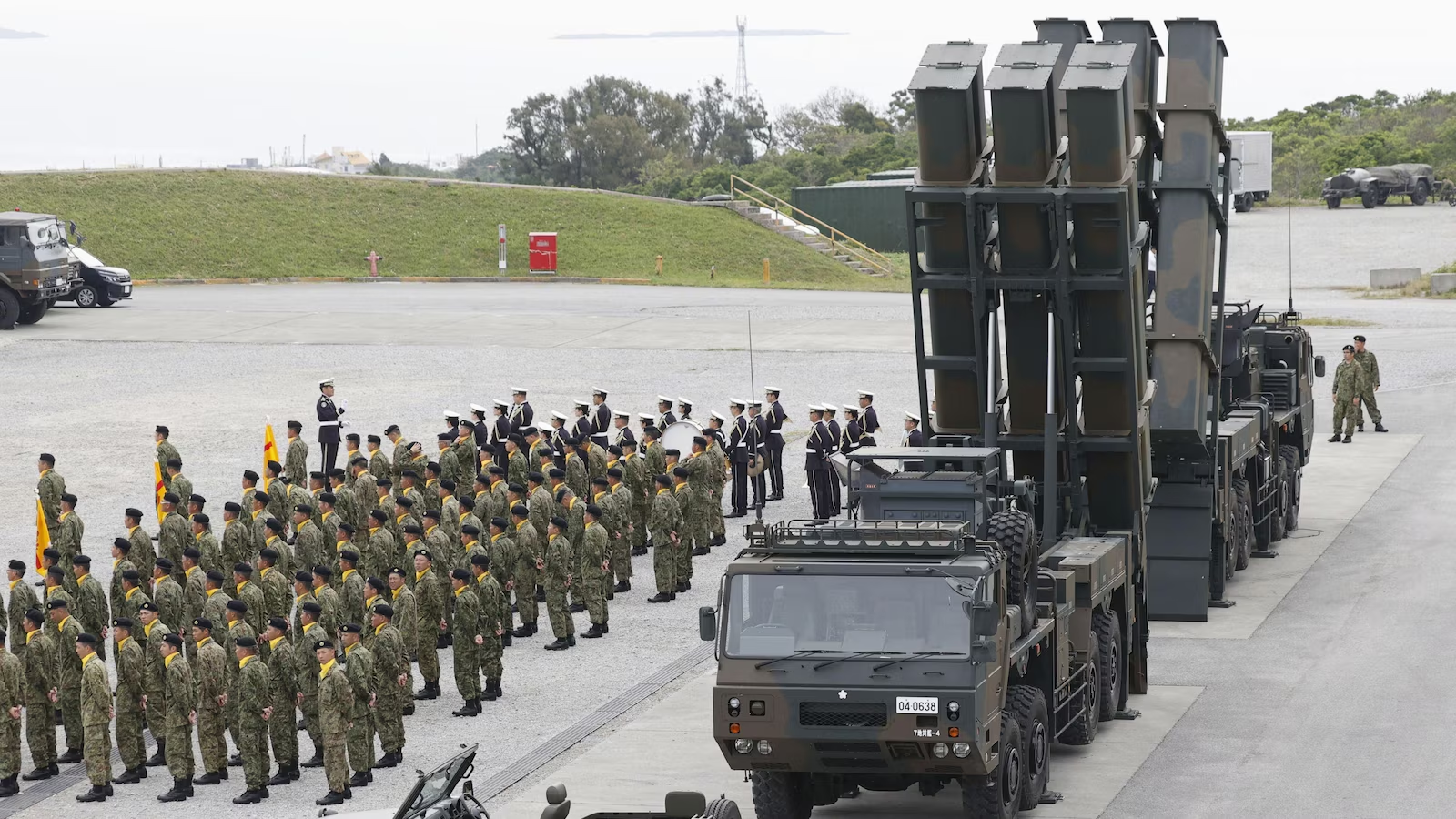
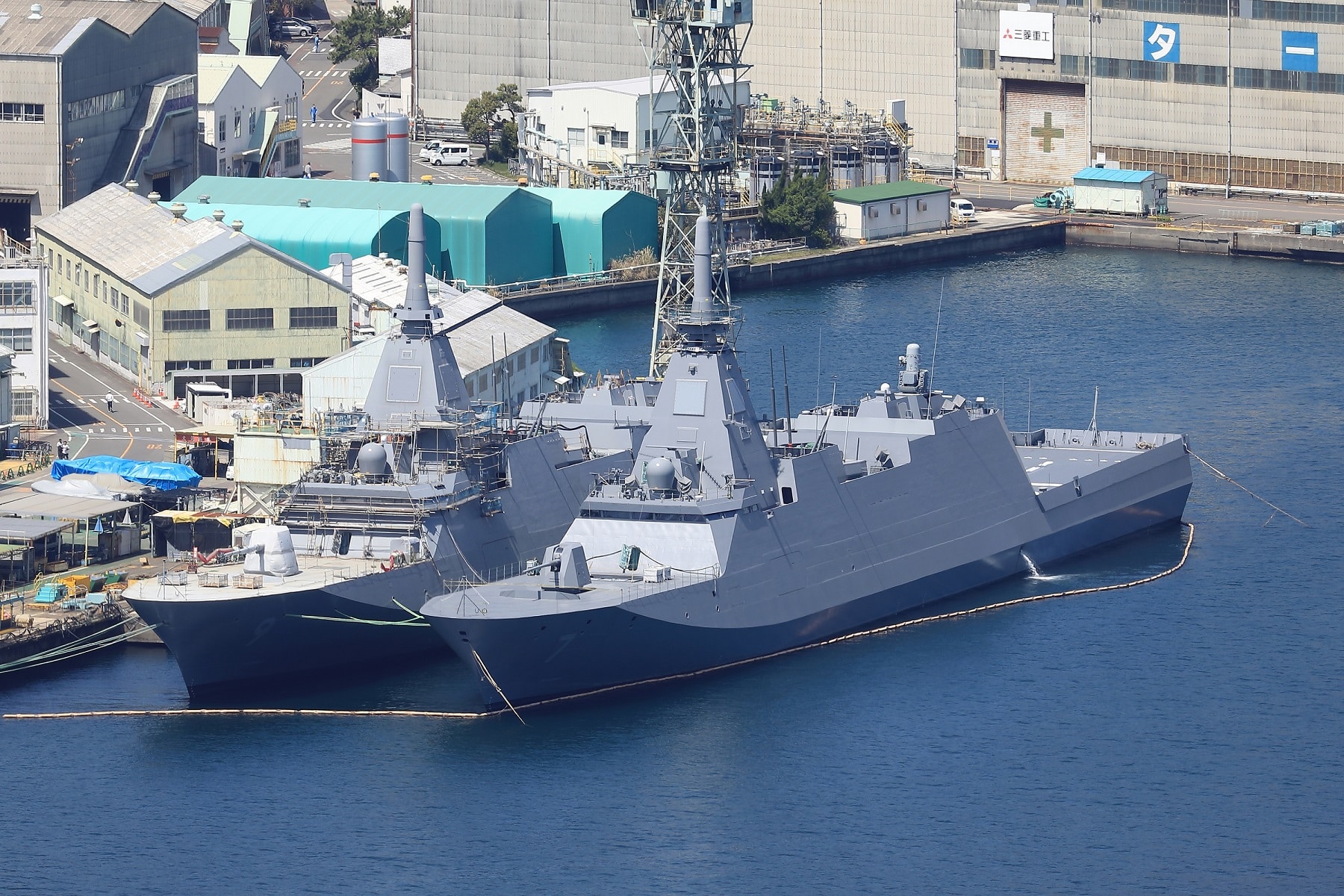
Japan's cabinet approved a record $58 billion defense budget for 2026, focusing on modernizing its military with new ships, submarines, UAVs, missile systems, and modifications to existing carriers, amid increasing threats from neighboring nuclear powers and U.S. support.
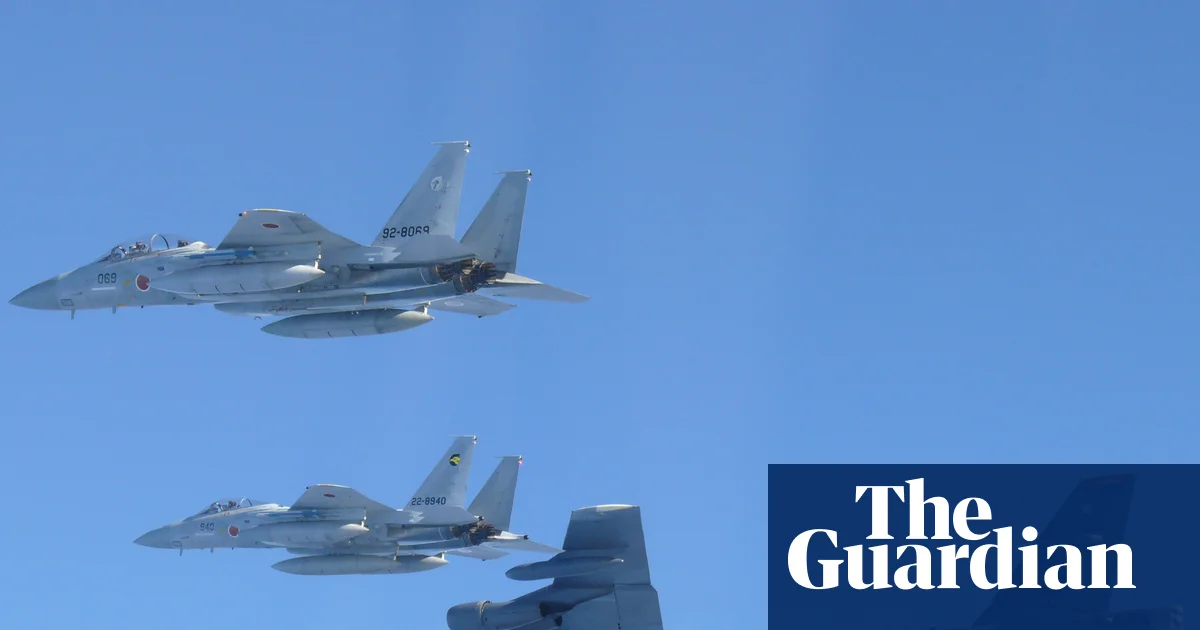
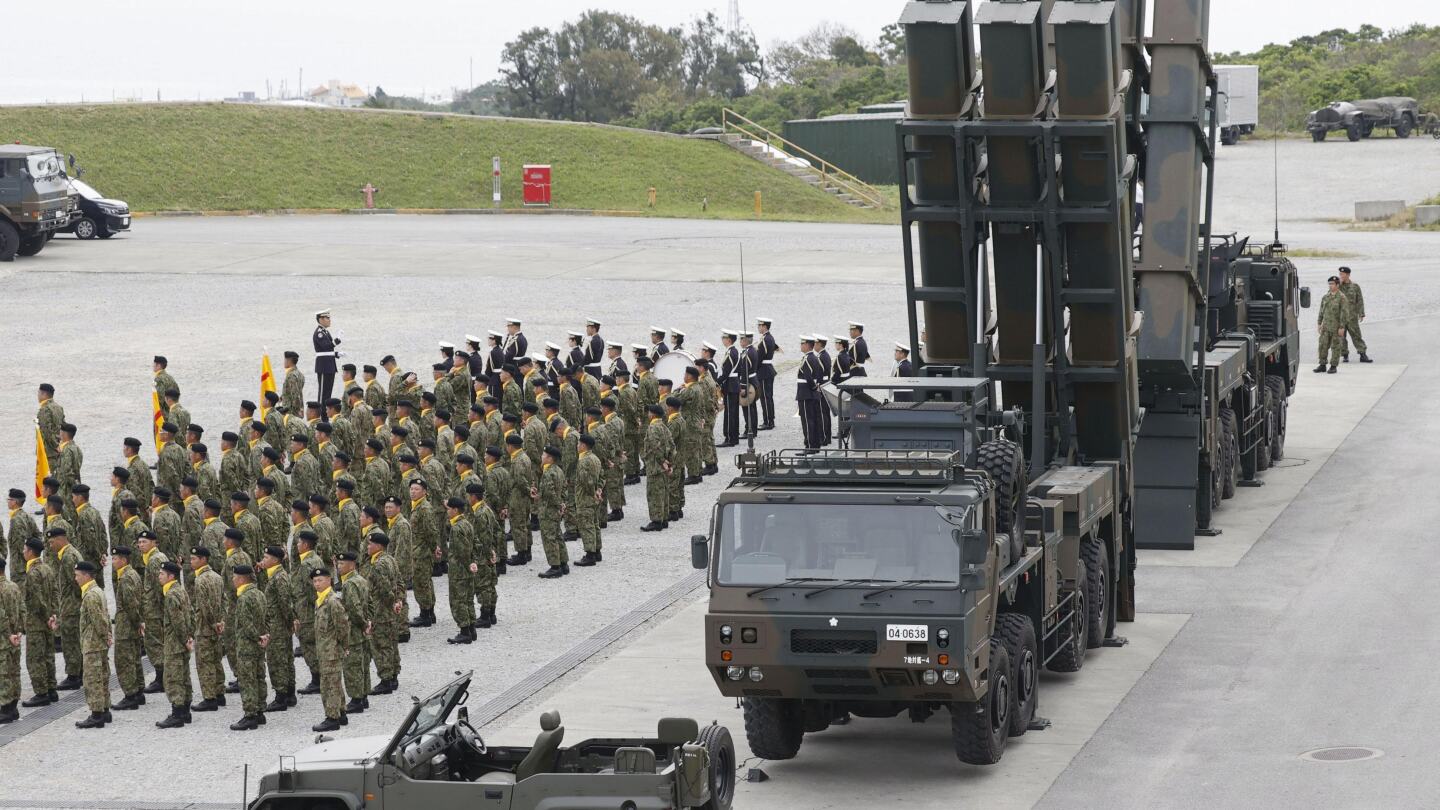
Japan's Cabinet approved a record defense budget exceeding 9 trillion yen (€48.82bn) for 2026, aiming to enhance its strike-back capabilities and coastal defense amid rising regional tensions, making it the world's third-largest defense spender after the US and China. The plan includes deploying long-range missiles, unmanned drones, and joint development of military technology, reflecting Japan's shift towards a more offensive military posture while maintaining its pacifist stance.
Japan's Cabinet approved a record defense budget exceeding 9 trillion yen ($58 billion) for 2026, aiming to enhance its military capabilities amid rising tensions with China, including missile and drone deployments, and plans for joint development of advanced weapons with allies. The move marks Japan's commitment to increasing its military spending to 2% of GDP, driven by regional security concerns and U.S. pressure, while also seeking to bolster its defense industry and strategic partnerships.
Japan's cabinet has approved a record ¥9tn ($58bn) defense budget to enhance strike-back capabilities and coastal defenses amid escalating tensions with China, which has criticized Japan's space and military developments. The budget increase is part of Japan's plan to double its arms spending to 2% of GDP, focusing on unmanned drones and missile systems, as tensions with China and the US over Taiwan continue to rise. China has condemned Japan's space technology advancements and military activities, accusing them of fueling an arms race, while Japan emphasizes its defensive posture within constitutional limits.
Japan's Cabinet approved a record defense budget exceeding 9 trillion yen ($58 billion) for 2026, aiming to enhance strike-back capabilities and coastal defense amid rising tensions with China, including deploying advanced missiles and unmanned drones, and accelerating military modernization.
Japan's Cabinet has approved a record 122.3 trillion yen ($782 billion) budget for the upcoming fiscal year, with over 9 trillion yen allocated for defense, aiming to strengthen coastal defenses amid rising regional tensions, particularly with China and the Taiwan issue. The country plans to double its defense spending to 2% of GDP, accelerate its timeline to meet this goal, and rely on imports for unmanned weapons to address manpower shortages, reflecting concerns over China's military activities near Japan.
Japan's Cabinet approved a record defense budget exceeding 9 trillion yen ($58 billion) for 2026, aiming to enhance its military capabilities with advanced missiles and unmanned systems amid rising tensions with China and regional security concerns, while also planning joint development of military technology and increasing defense industry support.
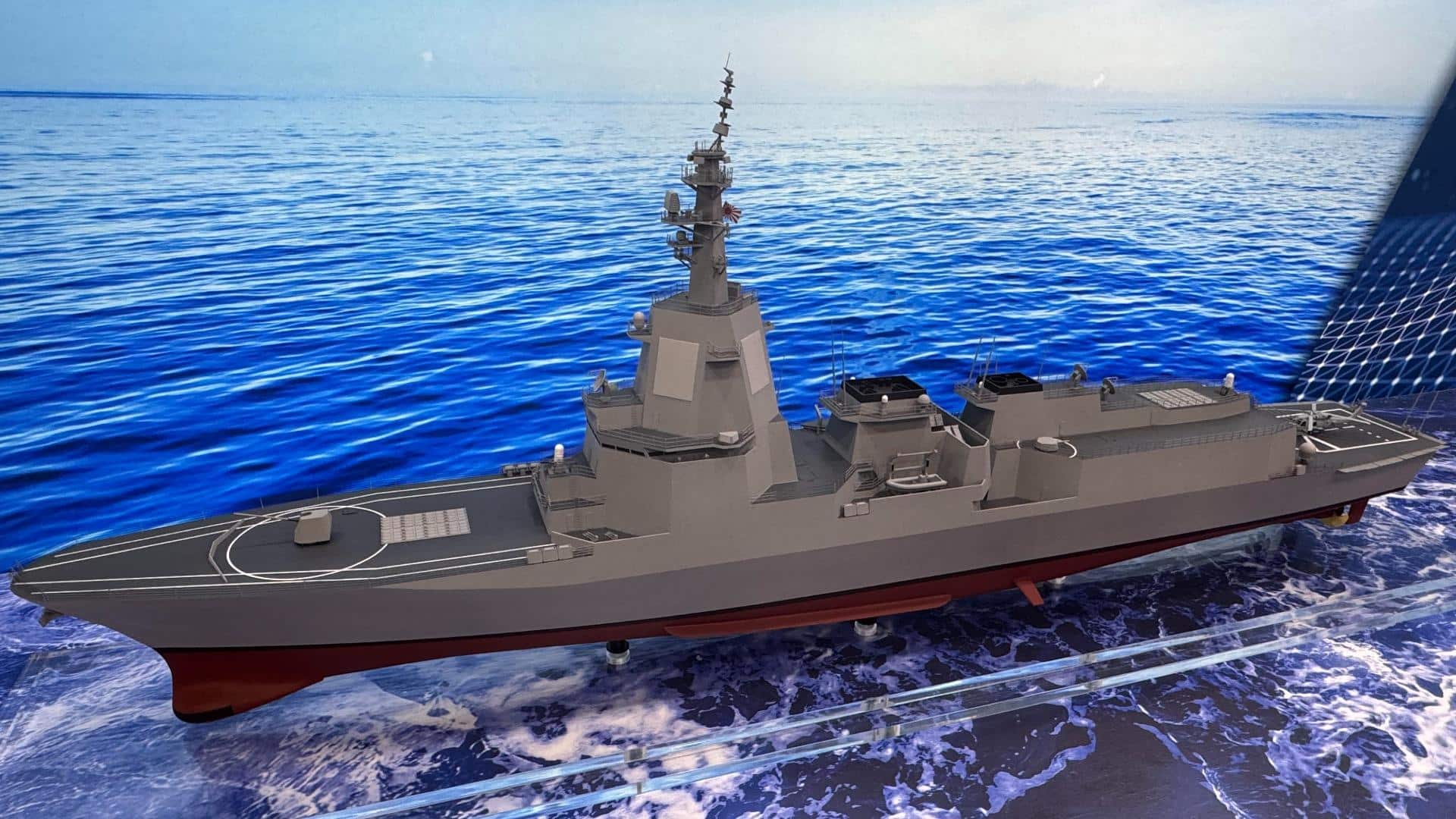
Japan has requested a record defense budget of $60.2 billion for fiscal year 2026, focusing on enhancing its maritime and missile defense capabilities, including the establishment of a multi-layered coastal defense system called 'SHIELD,' construction of new frigates and submarines, modifications to aircraft carriers for F-35B operations, and joint development of hypersonic missile defense systems with the U.S.
Russia plans to increase taxes and reduce non-military spending to sustain record-high defense expenditures amid falling oil revenues and economic challenges, with potential spending cuts contingent on the end of the Ukraine conflict, while facing a growing budget deficit and economic pressures.
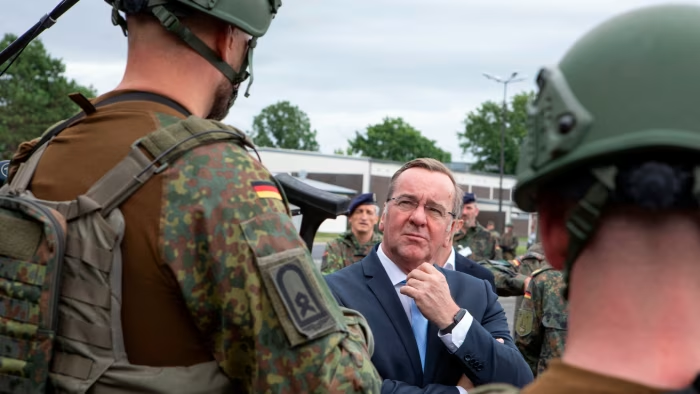
Germany faces significant challenges in rapidly spending its €650bn defense budget increase, including bureaucratic delays, industry capacity issues, and the need to modernize its armed forces amid rising NATO commitments and ongoing tensions with Russia, especially following the Ukraine conflict.
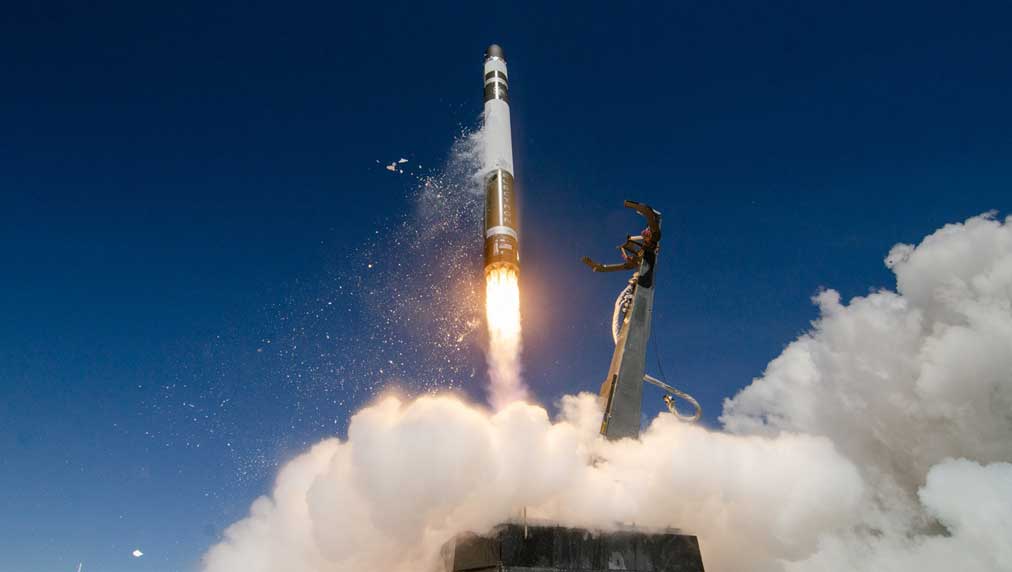
Rocket Lab and other aerospace stocks like AeroVironment and Joby Aviation rallied amid increased defense spending and NATO's pledge to boost military budgets, with Rocket Lab securing a satellite launch contract for the European Space Agency to test new navigation technology.
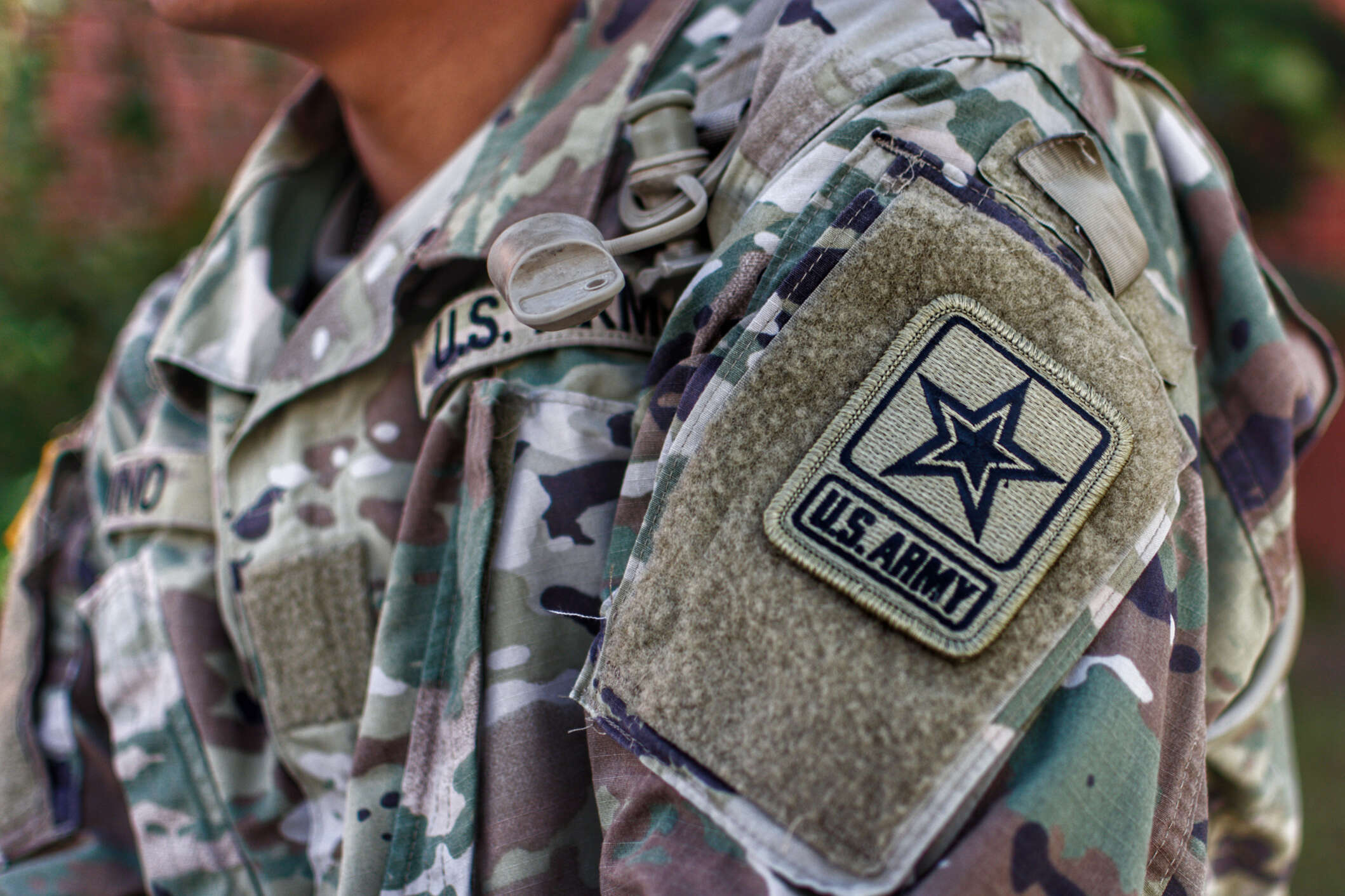
The U.S. Army has committed to providing a detailed plan within 10 days regarding its major transformation initiative, which involves significant program cancellations and budget shifts, sparking questions from Congress about the impact on industry, allies, and future battlefield capabilities.
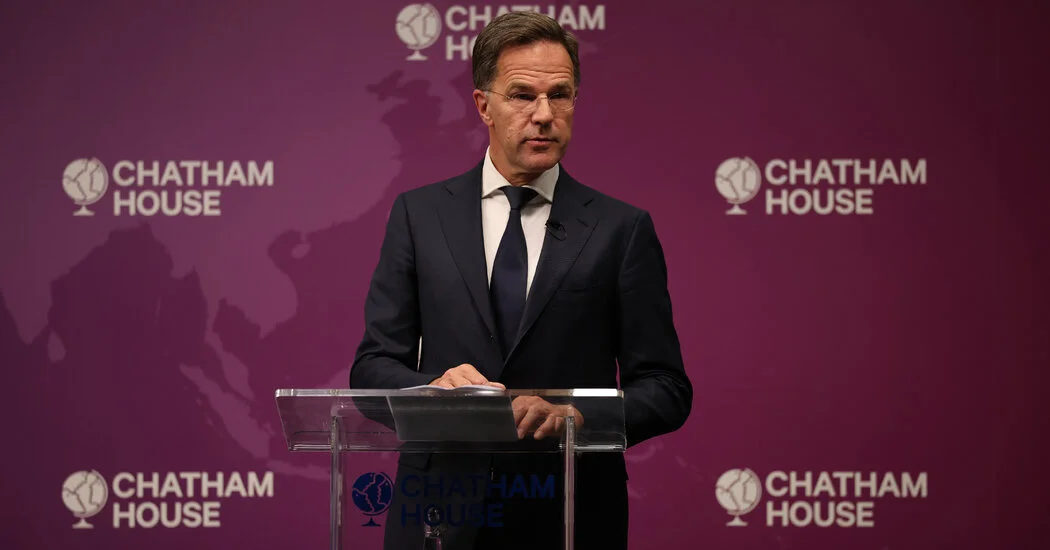
NATO Secretary-General Mark Rutte urged member countries to significantly increase their military spending, aiming for a 5% GDP target to strengthen collective defense against Russia, with the UK planning to boost its defense budget amid financial constraints. The summit in The Hague will focus on these commitments, emphasizing the need for increased production of defense systems and equipment.
The UK announced a comprehensive defense upgrade in response to increased threats from Russia and China, including investments in nuclear warheads, submarines, and advanced technology, with costs estimated at over 67 billion pounds through the late 2030s, raising questions about funding and potential tax increases.