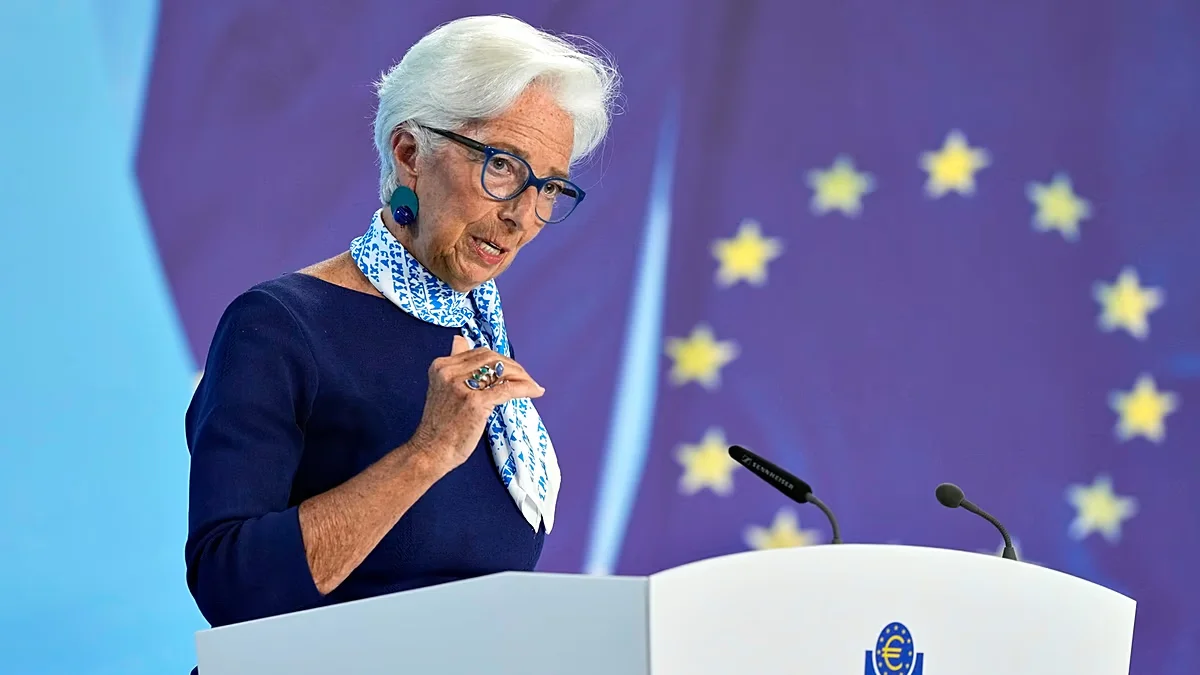
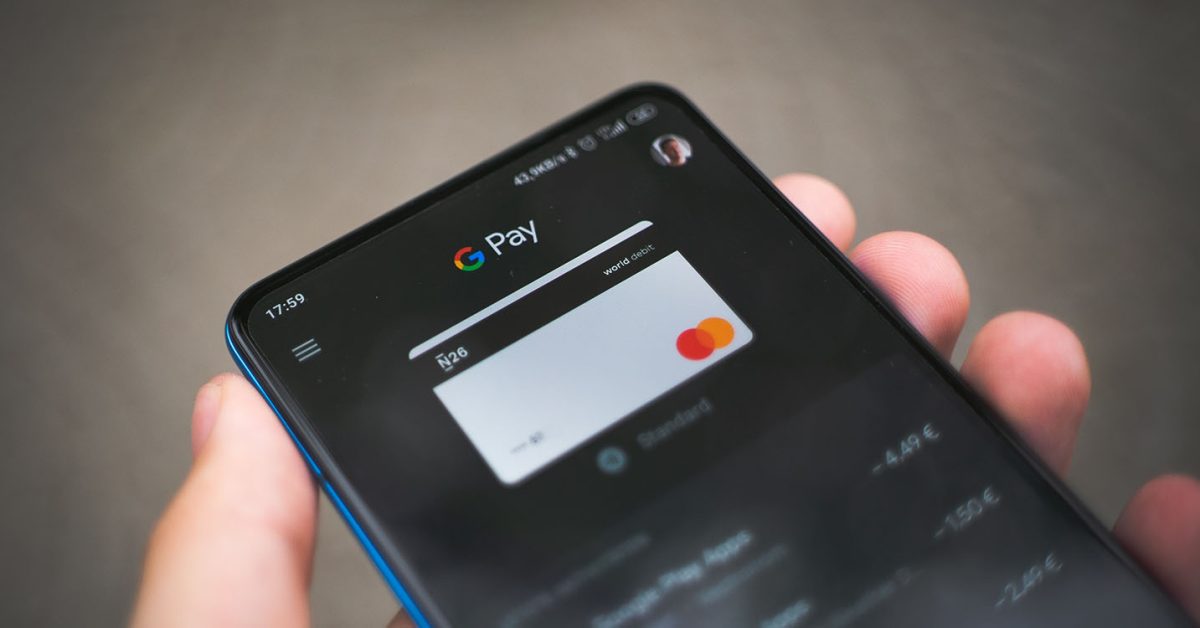
The European Central Bank has refused to provide emergency liquidity for Ukraine's reparations loan using seized Russian assets, citing legal and independence concerns, complicating the European Commission's plan to support Ukraine financially through this unprecedented scheme.
Slovakia's parliament amended its constitution to recognize only two genders, restrict adoption to married heterosexual couples, and ban surrogacy, while asserting national law's precedence over EU law in cultural and ethical matters, sparking criticism from human rights organizations and raising concerns about the country's democratic and human rights trajectory.
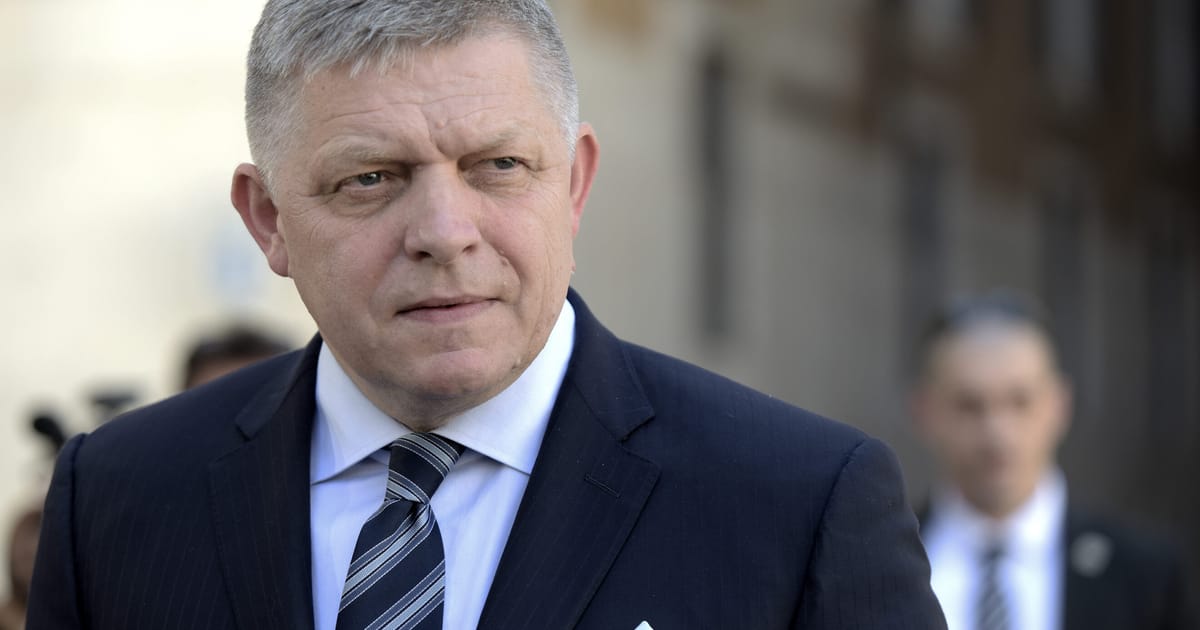
The Slovak parliament approved a constitutional amendment under Prime Minister Robert Fico that limits the rights of same-sex couples, emphasizes traditional gender roles, and asserts national law over EU law, sparking criticism and protests.
Apple revoked the EU distribution rights for the iTorrent BitTorrent client, which was available through third-party app stores due to EU law requiring more app installation freedom. The revocation came without clear explanation from Apple, raising concerns about transparency and compliance with the EU’s Digital Markets Act.
Over 1.1 million people have signed the 'Stop Killing Games' petition, advocating for game publishers to implement end-of-life plans that allow games to remain playable after support ends, potentially influencing new EU legislation and gaining support in the UK for future debates.
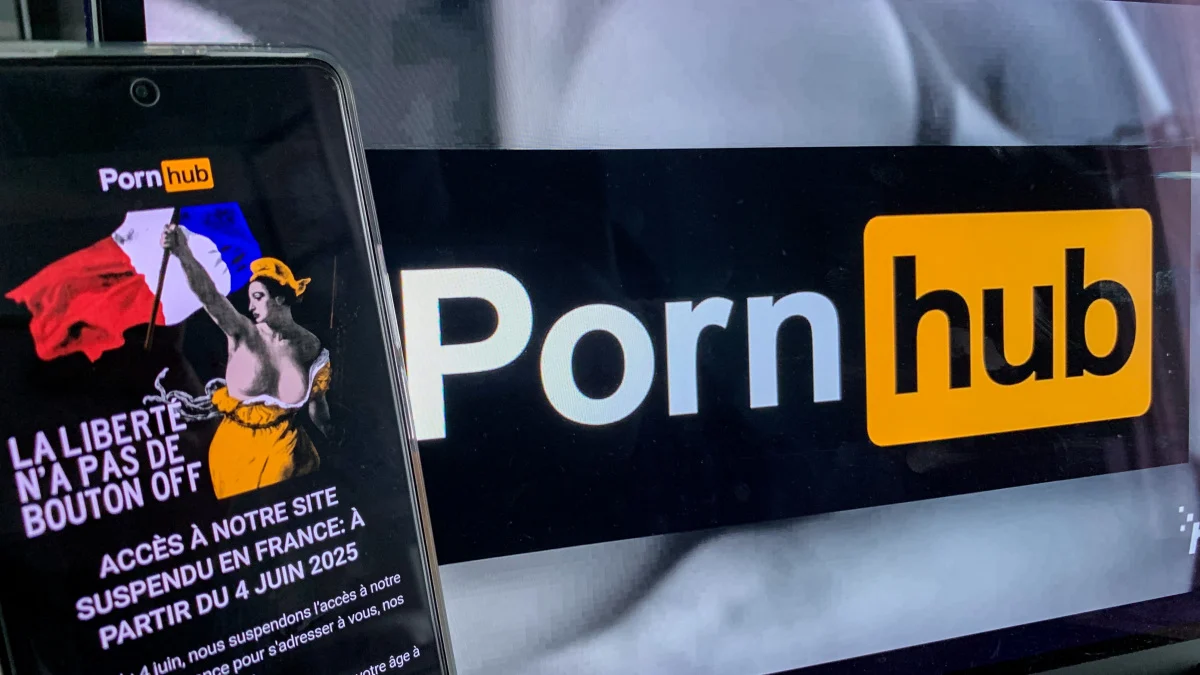
Pornhub has temporarily regained access in France after the suspension of the country's new age verification law, which requires third-party verification of users' ages. The law's legality is under review by the French courts due to questions about compliance with EU regulations, specifically the country-of-origin principle. The platform and French officials are discussing alternative solutions like device-level filters to protect minors while respecting privacy concerns.
A passenger's experience with baggage size disputes on EasyJet highlights the need for clearer, standardized luggage rules across EU airlines, prompting EU proposals for uniform underseat baggage dimensions and discussions on airline charging practices, amid ongoing consumer and regulatory debates.
The EU has accused Chinese fast-fashion retailer Shein of breaching consumer protection laws through misleading discounts, deceptive labels, and pressure tactics, giving the company one month to respond or face fines, amid ongoing scrutiny of its business practices and supply chain conditions.
The Netherlands plans to implement additional land border checks starting December 9 to address irregular migration, following Germany's similar move in September. This decision by the Dutch government, led by the hard-right party PVV, aligns with EU regulations allowing temporary border controls in response to serious threats. The measure, which has no extra funding for enforcement, aims to minimize traffic disruption and reflects rising anti-immigration sentiment in Europe.
An Italian court has rejected Prime Minister Giorgia Meloni's plan to detain asylum seekers in Albania, referring the initiative to the EU's top court. The ruling mandates that seven migrants brought to Albania must be taken to Italy, questioning the legality of designating certain countries as 'safe' for quick returns. This decision challenges Meloni's strategy to deter Mediterranean crossings and has implications for other European leaders considering similar approaches. Critics argue the plan is costly and politically motivated, while Meloni may use the court's rejection to rally her base.
In compliance with the new EU law, the Digital Markets Act (DMA), WhatsApp and Messenger are making changes to enable interoperability with third-party messaging services while maintaining end-to-end encryption and privacy guarantees. The law requires designated messaging services to allow third-party interoperability, enabling users to send and receive messages with opted-in users of either Messenger or WhatsApp. The implementation of interoperability focuses on preserving privacy and security, utilizing the Signal Protocol for encryption, and building on Meta's existing client/server architecture. Meta emphasizes the importance of transparently informing users about the differences in security and privacy when communicating with third-party providers.
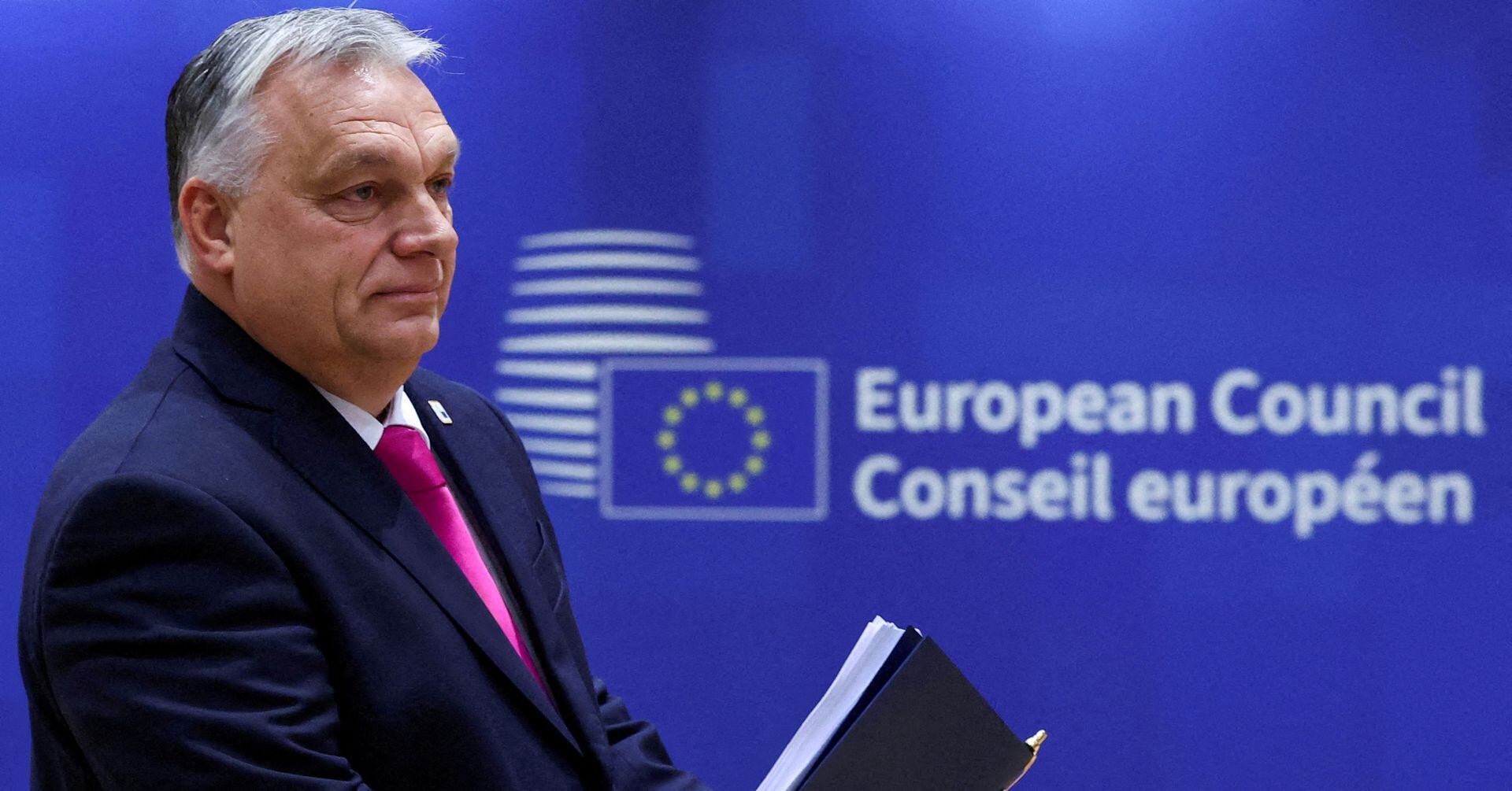
The European Commission has informed Hungary that its new law aimed at protecting national sovereignty violates EU law, specifically regarding democratic values, fundamental rights, data protection, and rules applicable to the internal market. The law, passed in December, establishes a new authority to monitor political interference and imposes strict penalties for banned foreign financing. Hungary has two months to respond to the Commission's formal notice, after which further action may be taken if the grievances are not addressed.
Xbox president Sarah Bond criticizes Apple's new policy of charging a fee for iOS apps released outside of the App Store, calling it "a step in the wrong direction." This comes in response to a new EU law that requires Apple to allow developers to create and offer new apps without using the App Store. The controversial fee demands that developers pay Apple €0.50 for every download over a million, leading to criticism from Spotify CEO Daniel Ek and Xbox president Bond. Apple's decision has sparked debate about open platforms, competition, and the future of app distribution on iOS devices.
Google executives were concerned about the growing size of the payment made to Apple to maintain its default search engine status on Apple devices. They explored using EU law to reduce the payment and undermine Apple's power. The European Union's Digital Markets Act (DMA), intended to help smaller companies compete with tech giants, presented an opportunity for Google to lobby for access to Apple's tightly controlled software ecosystem. However, legislation designed to aid startups can also be used by incumbents to gain an advantage over rivals. One potential outcome of the DMA is that Apple may be obliged to ask users to choose their default web browser during device setup, which could triple the number of European iPhone users selecting Chrome and allow Google to retain more search ad revenue while paying less to Apple.
The European Union's new law, the Digital Services Act, aims to hold social media giants accountable for hosting and popularizing harmful content and disinformation. The law could force companies like Twitter (owned by Elon Musk) to adopt new policies or face fines of up to 6% of their revenue. The law reflects growing concerns in Europe about the impact of disinformation on democratic governance. While Europe takes steps to combat disinformation, the United States remains mired in political and legal debates over regulating social media platforms. The law's enforcement will be a challenge, especially in policing disinformation, and could lead to years of litigation. The law applies to major social media companies, shopping sites, and search engines, and requires them to provide greater user protections, submit independent audits, and make public decisions on content removal. The law has already set the stage for a clash with Elon Musk, who withdrew from a voluntary code of conduct but must comply with the new law within the EU market.