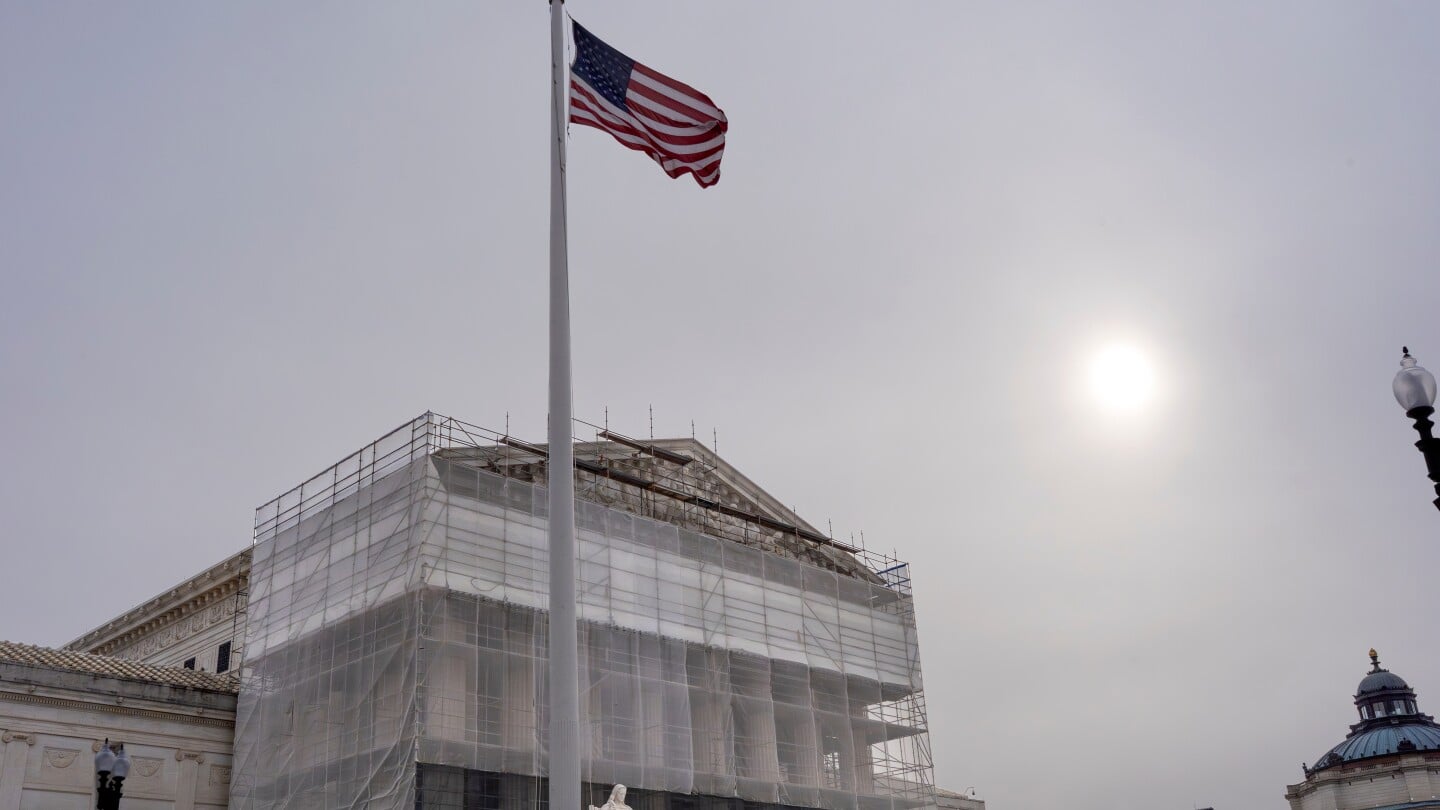
Chief Justice John Roberts affirmed the resilience of the U.S. Constitution amid a tumultuous year for the judiciary, emphasizing the importance of impartiality and adherence to the founding principles despite political and legal challenges, including significant Supreme Court decisions affecting the Trump administration.
Chief Justice John Roberts emphasized the resilience of the Constitution amid a tumultuous year for the U.S. judiciary, highlighting upcoming pivotal Supreme Court decisions and reaffirming the enduring strength of the founding documents.
The article discusses the possibility of Donald Trump seeking a third presidential term, despite it being unconstitutional under the 22nd Amendment, and highlights how the current legal and political environment, including the Supreme Court, is increasingly undermining constitutional norms to accommodate Trump's ambitions. It emphasizes the erosion of constitutional protections and the need for a popular movement to prevent potential unconstitutional actions by Trump.
President Trump has hinted at the possibility of a third term, despite the clear constitutional restriction of the 22nd Amendment, with allies like Steve Bannon discussing legal workarounds and Trump himself leaving the door open, though experts agree such a third term would be unconstitutional.
President Trump acknowledged that he cannot run for a third term due to the 22nd Amendment, though he has previously teased the idea of a future run in 2028, amidst ongoing political speculation and discussions about constitutional limits.
President Donald Trump has indicated he will not seek a third term in 2024, citing the constitutional limit of two terms as per the 22nd Amendment, despite speculation and discussions about a potential run in 2028.
President Donald Trump has expressed interest in a third presidential term, but House Speaker Mike Johnson has stated there is no constitutional path for such a bid, emphasizing the difficulty of amending the 22nd Amendment. Trump continues to hint at future political plans, including potential runs in 2028, while dismissing the idea of running as vice president to eventually become president. The political landscape remains dynamic as Trump tests the limits of presidential power amid ongoing government issues.
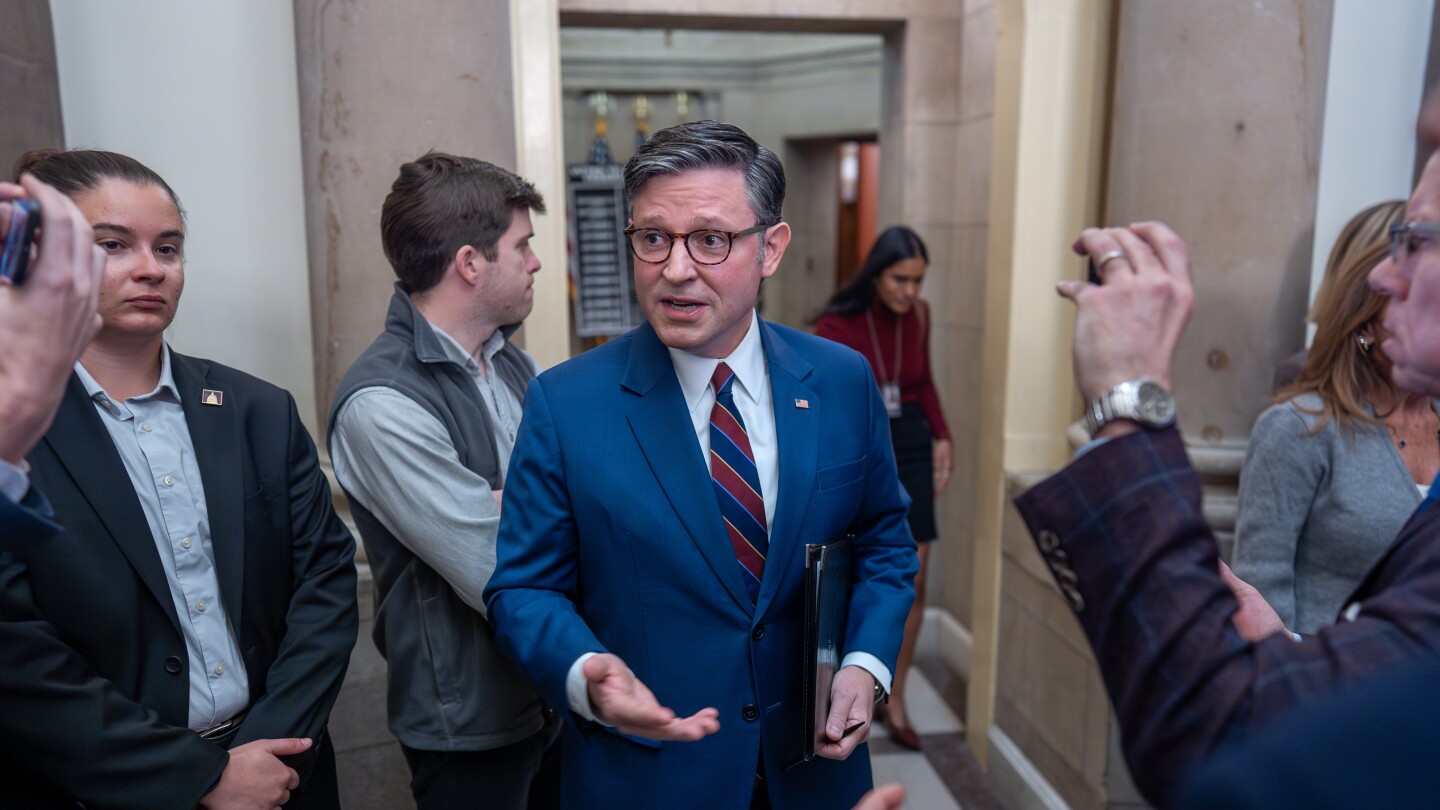
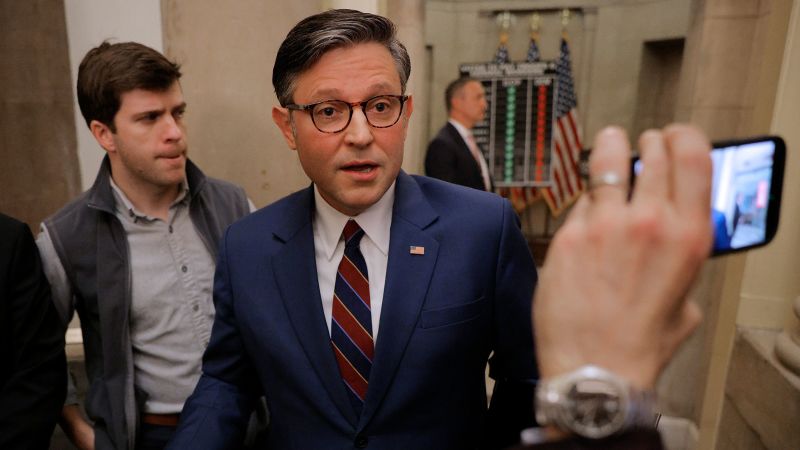
House Speaker Mike Johnson stated he discussed with Donald Trump the possibility of a third presidential term, but sees no constitutional path for it, emphasizing the constitutional constraints and the unlikelihood of such a move.
House Speaker Mike Johnson stated there is no legal path for Donald Trump to seek a third presidential term, citing constitutional constraints, despite Trump's expressed interest in running again in 2028. Johnson emphasized the difficulty of amending the Constitution and dismissed the possibility of such a change, while Trump continues to hint at a potential bid.
President Trump declined to rule out a third presidential term, despite the 22nd Amendment prohibiting it, and suggested potential ticket options with Vance and Rubio, while legal experts consider his comments seriously, though constitutional barriers remain.
Donald Trump has ruled out running as a VP in 2028 and expressed interest in a third presidential term, despite constitutional limits, while praising potential Republican candidates for 2028.
Vermont Governor Phil Scott criticized President Trump's deployment of National Guard troops to Chicago and Portland, calling it unconstitutional and unnecessary, and expressed willingness to oppose similar requests for Vermont. Scott also defended his recent letter urging Congress for a 'clean' government funding extension, emphasizing his intent to avoid harm to healthcare coverage in Vermont.
Slovakia's parliament amended its constitution to recognize only two genders, restrict adoption to married heterosexual couples, and ban surrogacy, while asserting national law's precedence over EU law in cultural and ethical matters, sparking criticism from human rights organizations and raising concerns about the country's democratic and human rights trajectory.
The article clarifies that President Donald Trump cannot legally federalize US elections according to the Constitution, though he may attempt to create confusion and fear around election administration.
President Trump has directed the Commerce Department to exclude undocumented immigrants from the upcoming U.S. census, citing modern facts and the 2024 presidential election, a move that contradicts the Constitution and is likely to face legal challenges, with critics arguing it aims to manipulate election outcomes and undermine constitutional requirements.