In an antitrust case, Apple's former marketing chief Phil Schiller admitted to not knowing whether the App Store is profitable and never considering the return on investment when launching it. He also revealed that Apple doesn't record minutes for meetings between senior executives, a practice stemming from Steve Jobs' directive in 1997. The court battle between Apple and Epic Games has ended in the US, but a similar case is ongoing in Australia, where Apple is accused of using its monopoly control over iPhone app sales to maximize profits at the expense of developers.

A lawyer in Kansas City, Missouri, took on a case involving a couple who paid a high commission fee when selling their home, sparking a legal battle that challenges the traditional practices of real estate agents in the U.S. The case questions the way homes are bought and sold and could potentially change the way real estate agents have conducted business for over a century.
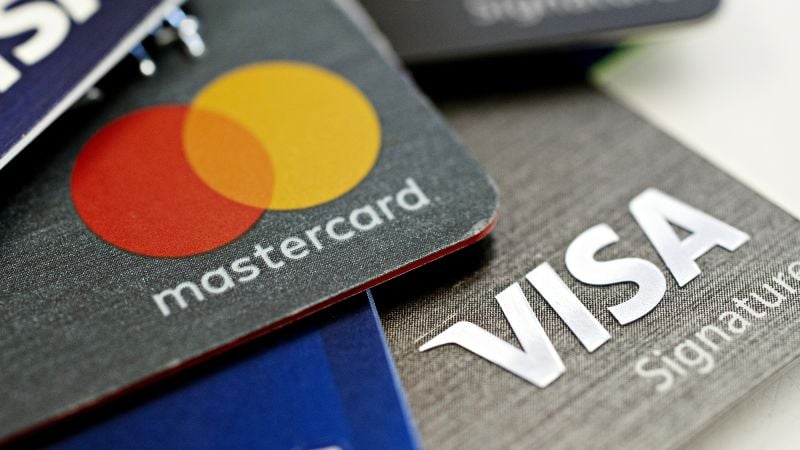
Visa and Mastercard, along with banks issuing their cards, have agreed to a $30 billion settlement to resolve a long-standing antitrust case brought by merchants, aiming to reduce swipe fees over the next five years.
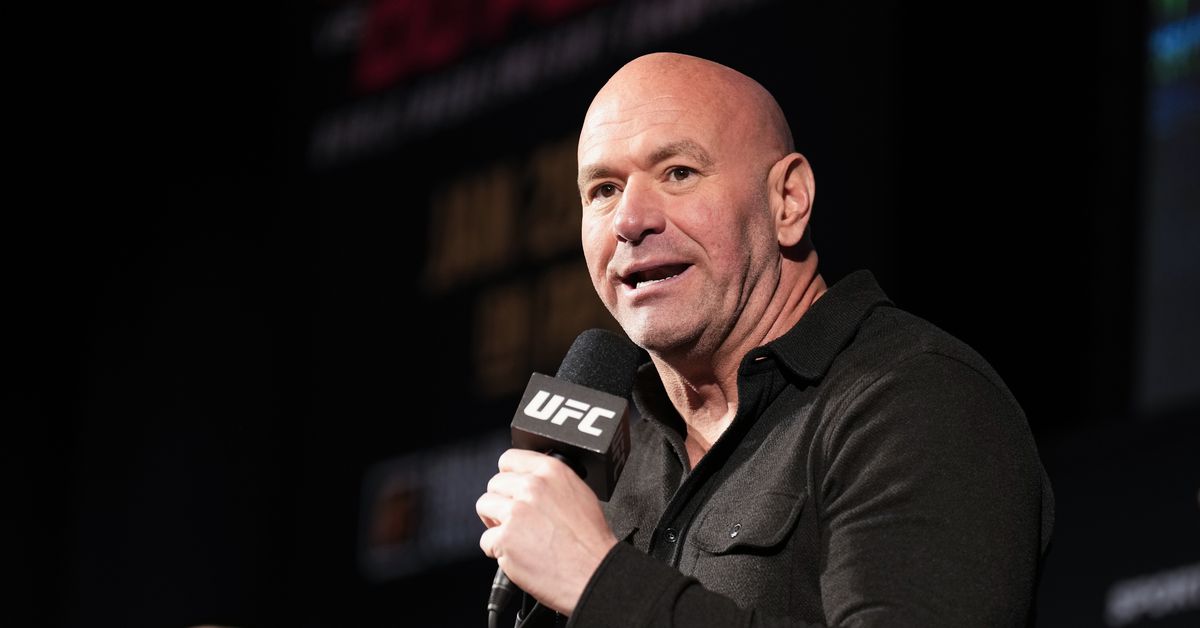
Attorneys representing fighters in the UFC antitrust case are finalizing details of a $335 million settlement and seeking preliminary approval from the overseeing judge. Class members will have the opportunity to provide feedback or object to the settlement. The allocation of the settlement remains unclear, with attorneys expected to request around 33 percent for their fees. A "fairness hearing" to finalize the settlement agreement is anticipated to take place in September, and it is uncertain whether the settlement will include orders for the UFC to change its business practices.
A proposed $418 million settlement of a massive antitrust case against Realtors is set to change the home selling process and how buyers and sellers compensate their agents in Southern California, leading to confusion and relief in the real estate industry. The impact of the deal remains unclear, with questions arising about potential changes in agent compensation, buyer-broker agreements, and the possibility of smaller commissions and lower home prices. The settlement, if approved, could lead to significant shifts in the industry, including the widespread use of buyer-broker agreements and potential changes in commission rates and agent earnings.
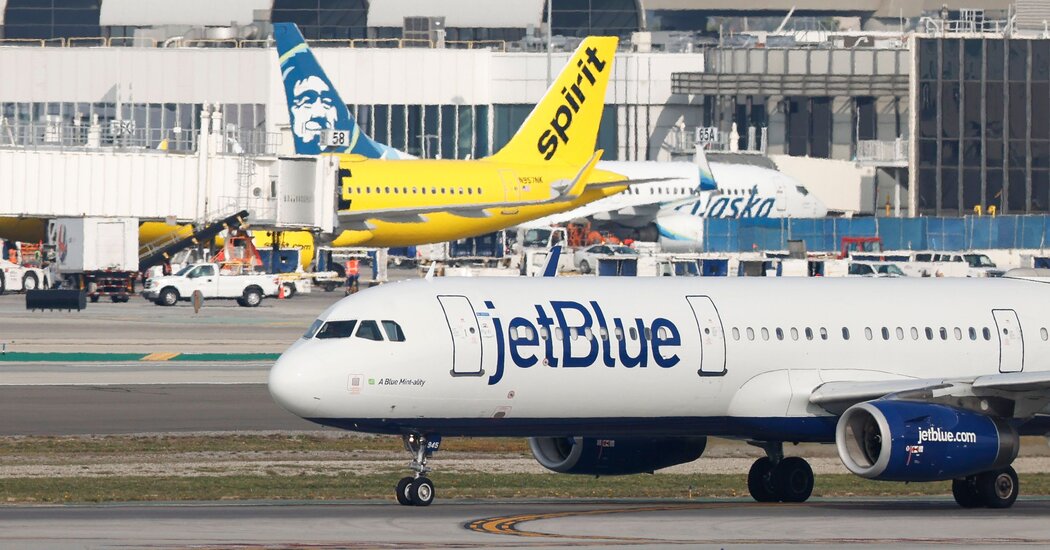
JetBlue Airways announced that it might back out of the $3.8 billion acquisition of Spirit Airlines after a federal judge blocked the deal, just a week after both companies said they would appeal the decision. The deal could be terminated after Sunday if certain conditions weren’t met, according to a regulatory filing. The ruling was a win for the Justice Department, which has sought to limit corporate consolidation, and Spirit's share price tumbled about 16 percent on Friday morning.
The US Supreme Court has declined to hear appeals from both Apple and Epic Games in the App Store case, meaning the Ninth Circuit's decision that Apple must allow alternative payment methods for apps and services will stand. This decision comes after a judge ruled that Apple's 30 percent cut from developers must be avoided. While the Ninth Circuit ruled in favor of Epic's appeal that Apple violated California's Unfair Competition law, it rejected the claim that the App Store is a monopoly. The denial of the appeals marks a setback for both companies, as Epic Games and other companies continue to challenge app store policies on Apple and Google platforms.
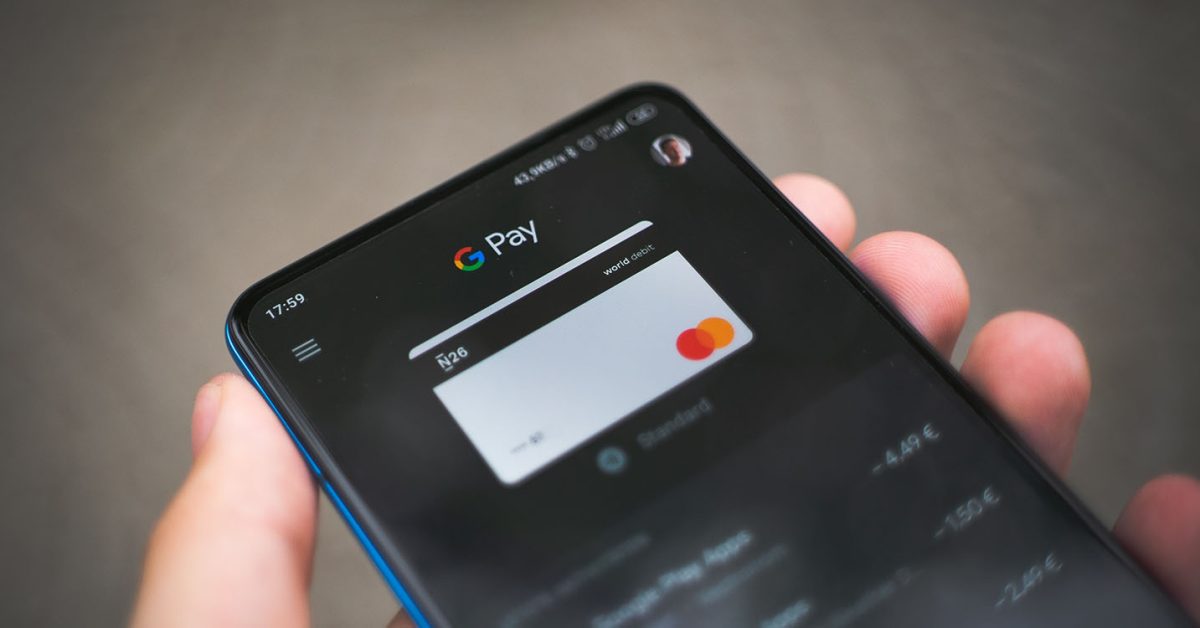
Apple, Visa, and Mastercard are facing a proposed class action antitrust case over alleged excessive fees charged to merchants for accepting Apple Pay, with the lawsuit claiming that the companies have created a monopoly and engaged in anti-competitive behavior.
Google loses an antitrust case over its Play Store app market, Choice Hotels launches a hostile takeover bid for rival Wyndham Hotels & Resorts, vaccine maker Icosavax soars on a takeover offer from AstraZeneca, Boeing makes cuts to its strategy division, and the Consumer Price Index is projected to show inflation cooled in November.
In the ongoing antitrust case between Epic Games and Google, several revelations have emerged. Epic Games accused Google of anti-competitive behavior, including offering incentives to developers to launch games exclusively on the Play Store. Google countered by claiming that these incentives were part of its competition strategy against other app stores. It was revealed that Google offered Activision Blizzard $360 million and Epic Games $147 million to bring their games to the Play Store. Testimony also confirmed that Google rejected apps for "steering" users to pay outside the Play Store. The court heard that the Play Store generates over $12 billion in annual profits for Google, while Epic Games Store remains unprofitable. Additionally, Google negotiated a special deal with Netflix and sought to seal documents related to Spotify's deal.
A federal judge has granted class certification to three groups of college athletes in an ongoing antitrust case against the NCAA, significantly increasing the potential financial penalties the NCAA could face. The lawsuit, known as House v. NCAA, argues that the NCAA's rules illegally prevent athletes from maximizing their earnings from selling the rights to their name, image, and likeness. If successful, the NCAA could be responsible for paying billions of dollars in damages. The ruling divides the athletes into three categories based on potential lost earnings, including money from NIL deals, video game deals, and broadcast rights. The case represents a major financial threat to the NCAA and is part of a larger effort to force the association to change its business model.
Amazon's secret pricing algorithm, known as "Project Nessie," may have generated over $1 billion in additional profits for the company, according to new details released by the Federal Trade Commission (FTC) in its antitrust case against Amazon. The algorithm allegedly increased product prices on Amazon and monitored whether other retailers followed suit, reverting the prices if they didn't. Although Amazon reportedly stopped using Nessie in 2019, the FTC claims that the company has considered turning it back on. The FTC's complaint also includes allegations of Amazon accepting "junk" ads and manipulating its Prime membership signup system.
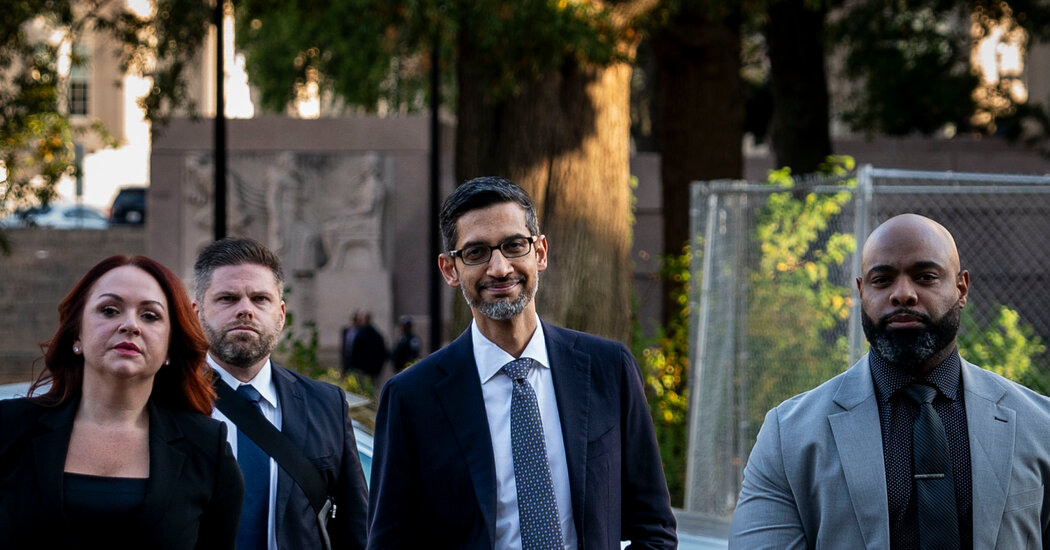
Sundar Pichai, the CEO of Google, testified in a landmark antitrust trial, defending his company against claims of monopoly power. Pichai contradicted the Justice Department's allegations that Google's payments to companies like Apple to be the default search option on their devices represented unchecked monopoly power. He argued that these payments were necessary to ensure Google's search engine worked well on popular devices. The trial reflects increasing efforts in Washington to rein in the power of Big Tech, with the Federal Trade Commission also filing antitrust lawsuits against Meta and Amazon.
The possibility of a Diamondbacks-Rangers World Series is being embraced despite some considering it unappealing; problems within the San Diego Padres organization are revealed as manager Bob Melvin leaves for the Giants; an antitrust case against MLB is reaching a decision point with potential settlement talks; an article explores the evolution of the high strike in baseball pitching; coaching and front office changes are happening across various teams.
Google executives were concerned about the growing size of the payment made to Apple to maintain its default search engine status on Apple devices. They explored using EU law to reduce the payment and undermine Apple's power. The European Union's Digital Markets Act (DMA), intended to help smaller companies compete with tech giants, presented an opportunity for Google to lobby for access to Apple's tightly controlled software ecosystem. However, legislation designed to aid startups can also be used by incumbents to gain an advantage over rivals. One potential outcome of the DMA is that Apple may be obliged to ask users to choose their default web browser during device setup, which could triple the number of European iPhone users selecting Chrome and allow Google to retain more search ad revenue while paying less to Apple.