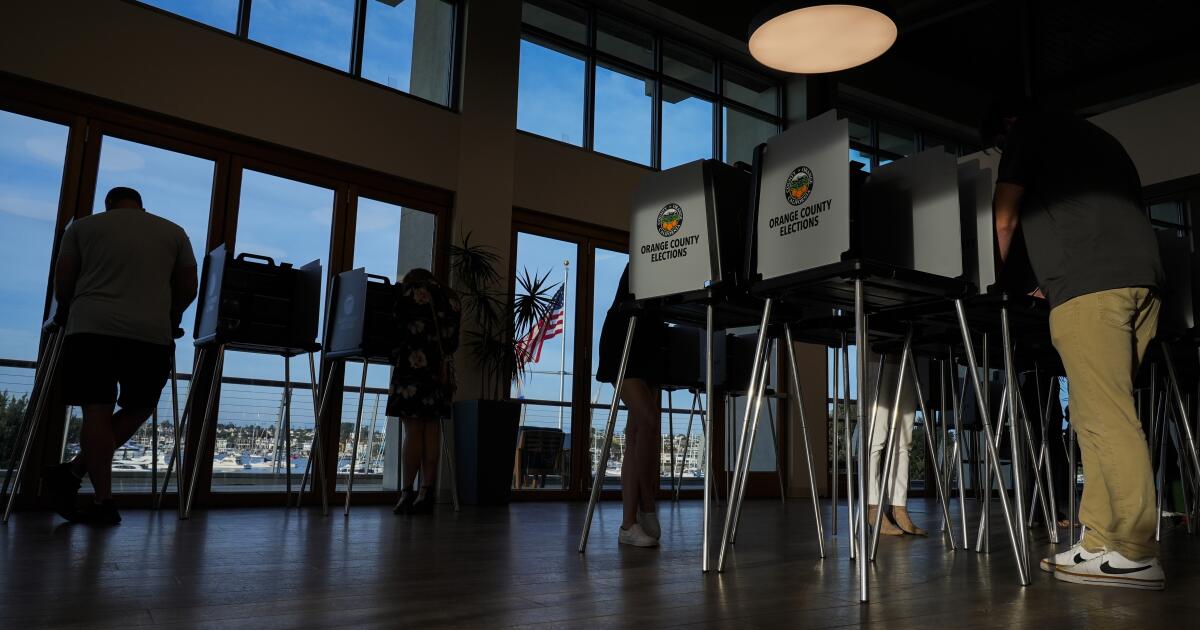
Proposition 50, known as the 'Election Rigging Response Act,' is a California ballot measure that would allow the state to use a new legislature-drawn congressional map from 2026 to 2030 instead of the current map drawn by the California Citizens Redistricting Commission, with voters deciding whether to approve this change.
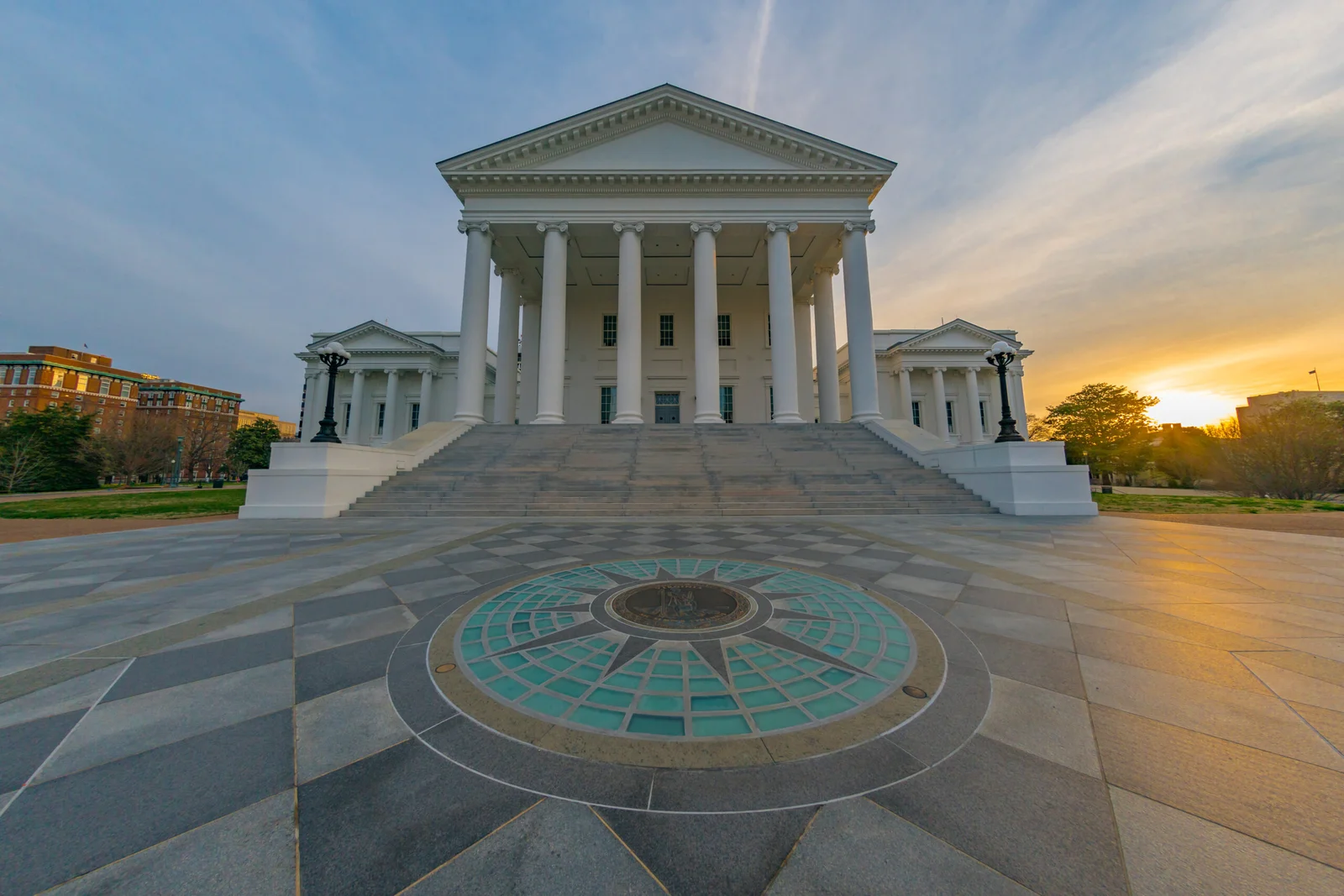
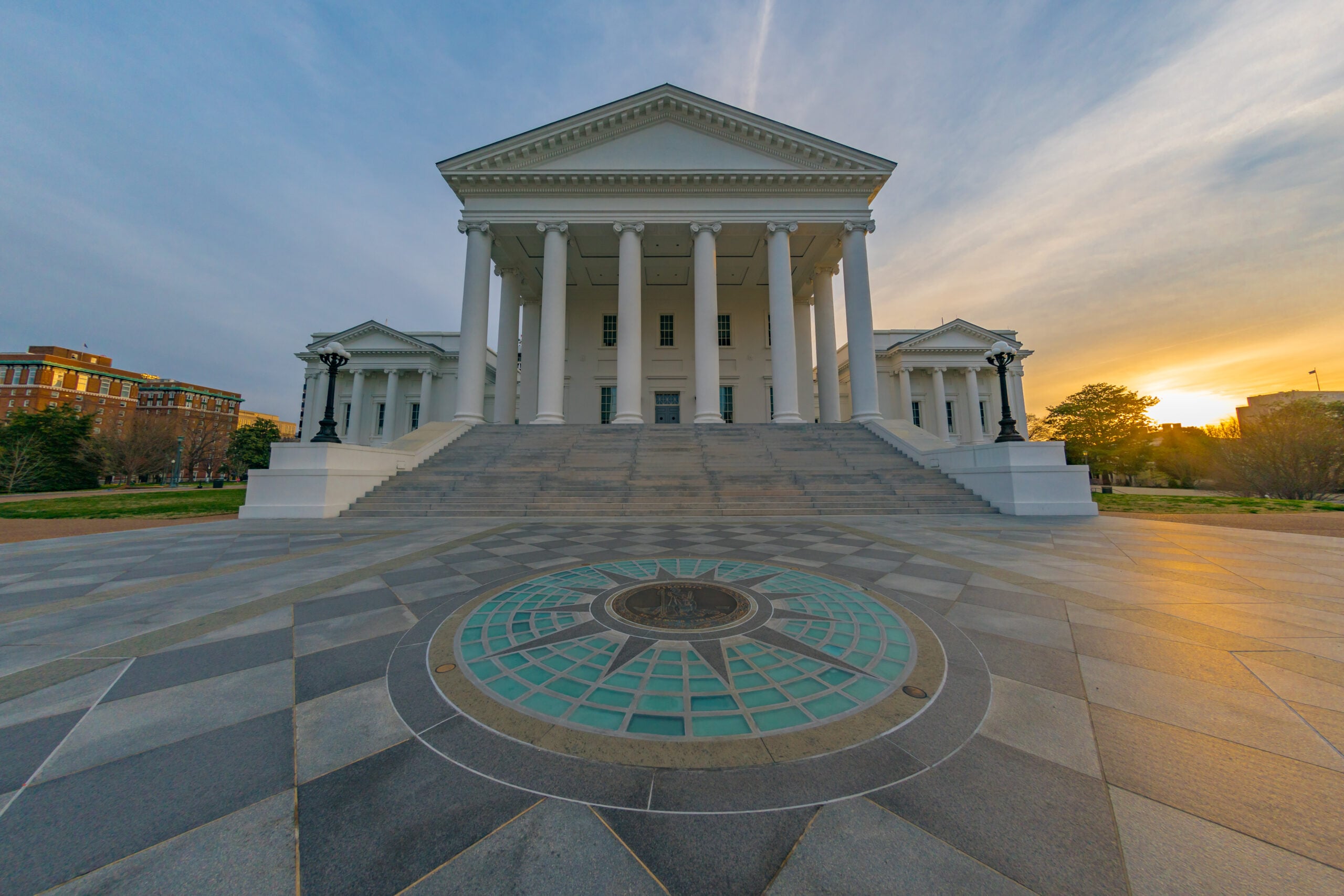
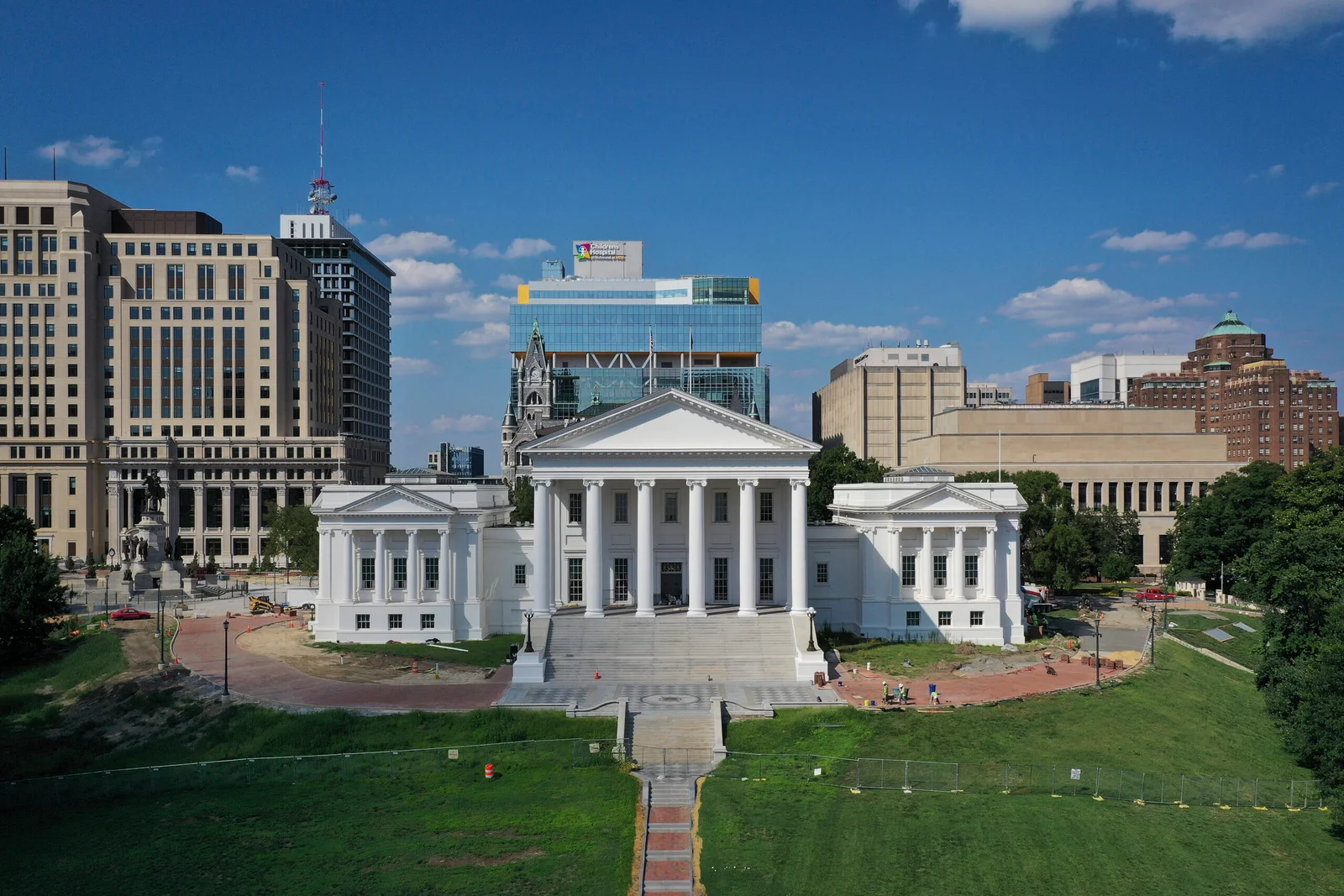
Virginia Senate has approved a constitutional amendment allowing the state to redraw congressional districts mid-decade if another state does so first, aiming to help Democrats in upcoming elections. The amendment, which still needs to pass the House again and be approved by voters, is part of a broader political strategy to influence the 2026 midterms amid legal challenges from Republicans.
Virginia Democrats are taking steps to redraw the state's congressional map before the 2026 elections by passing a constitutional amendment that would allow the legislature to draw new maps outside the usual decennial cycle, contingent on voter approval and passing through multiple legislative sessions, amidst political debates over process and fairness.
A Virginia judge rejected a Republican request to block a Democratic-led effort to advance a constitutional amendment that could allow redistricting, allowing the process to continue for now while a follow-up hearing is scheduled, supporting efforts to protect fair maps and voter influence.
President Trump hinted at the possibility of running for a third term, despite the 22nd Amendment blocking such a move, and suggested potential candidates for a Republican ticket, sparking speculation about his political future.
Slovakia's parliament approved a constitutional amendment recognizing only two sexes and emphasizing traditional values, sparking criticism from human rights groups and concerns over potential breaches of international obligations and rights for trans and intersex individuals.
The Slovak parliament approved a constitutional amendment under Prime Minister Robert Fico that limits the rights of same-sex couples, emphasizes traditional gender roles, and asserts national law over EU law, sparking criticism and protests.
Donald Trump has stated he will 'probably not' seek a third term, though allies have floated ideas for circumventing constitutional limits, including repealing the amendment or running as vice president. Trump has previously hinted at methods to return to office and merchandise supporting a 2028 run is already available.
Senators Joe Manchin and Peter Welch have proposed a constitutional amendment to impose 18-year term limits on Supreme Court justices, aiming to address the declining public trust in the judiciary. This proposal, which aligns with President Biden's views, would not affect current justices but would create regular vacancies every two years. Despite the initiative, the amendment faces significant hurdles, including Manchin's impending retirement and the challenging ratification process requiring broad legislative and state support. The proposal reflects growing concerns over the Supreme Court's role and partisanship.
Following Missouri voters' approval of a constitutional amendment protecting abortion rights, Republican lawmakers are attempting to undermine it by proposing measures that define life as beginning at conception and linking abortion rights with bans on gender transition procedures for minors. These efforts include raising the threshold for amending the state constitution, which could make future progressive measures harder to pass. Despite the amendment's passage, legal battles and legislative maneuvers continue to challenge abortion rights in the state.
Missouri's Republican Attorney General Andrew Bailey has stated that despite a new constitutional amendment expected to undo the state's near-total abortion ban, his office will continue to enforce restrictions on abortions after fetal viability. The amendment, approved by voters, enshrines abortion rights in the state constitution but allows for restrictions post-viability, with exceptions for the health of the pregnant person. This decision follows a broader trend of abortion rights victories in several states, though some, like Missouri, maintain certain restrictions.
California voters have rejected a constitutional amendment that would have banned forced labor in all forms, maintaining the current exception for punishment of crime. This measure was part of a broader reparations effort addressing historical racism and discrimination against Black Californians. The decision contrasts with recent moves by states like Alabama and Oregon, which have removed similar exceptions from their constitutions.
California voters have rejected a constitutional amendment that would have banned forced labor in any form, maintaining the current exception for punishment of crime. This measure was part of a broader reparations effort addressing historical racism and discrimination against Black Californians. The decision contrasts with recent moves by other states like Alabama and Oregon, which have removed similar exceptions from their constitutions.
Arizona voters have passed Proposition 139, a constitutional amendment guaranteeing abortion access up to fetal viability, around 24 weeks, with exceptions for the health of the pregnant person. This measure overturns the state's previous 15-week abortion ban and is expected to lead to legal challenges against other existing abortion regulations. The amendment was supported by a significant campaign effort, gathering over 800,000 signatures and raising $32 million.
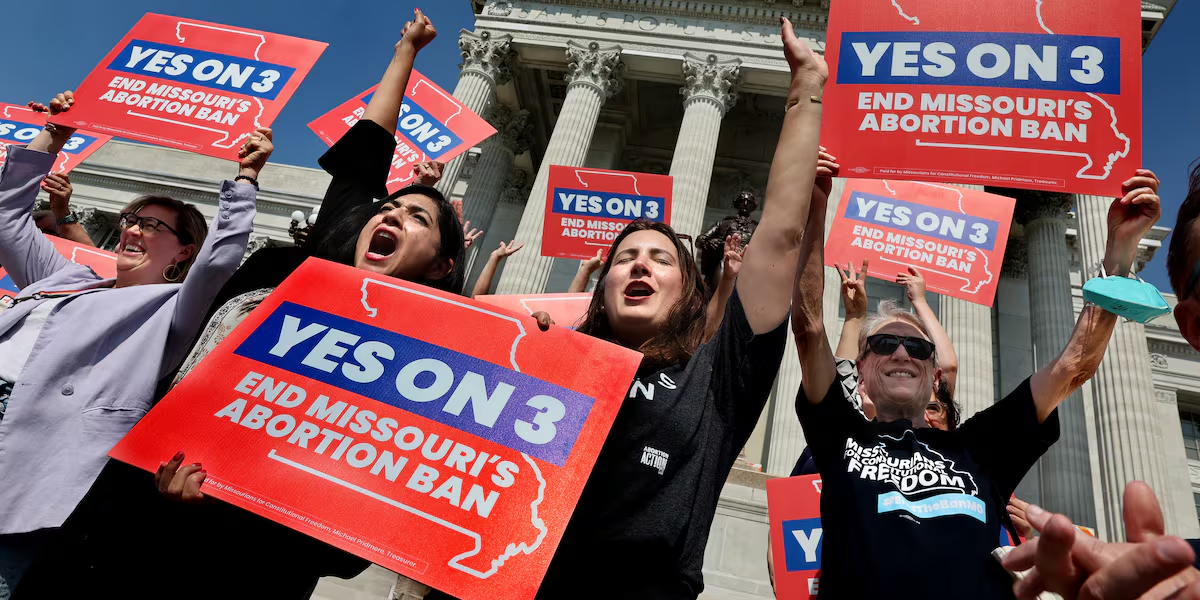
Missouri voters have approved Amendment 3, a constitutional amendment protecting reproductive rights, including abortion and contraceptives, with 53% of the vote. This comes two years after Missouri banned abortion following the overturning of Roe v. Wade. The amendment, backed by Missourians for Constitutional Freedom, faced opposition from Republican leaders and groups like Coalition Life. It is set to take effect in 30 days but may face legal challenges. The amendment prohibits government interference in reproductive health care and allows abortion bans post-fetal viability with exceptions.