Apple earns 36% of Google's revenue from searches conducted on the Safari browser on Apple devices, according to an economics expert testifying in the antitrust lawsuit against Google. The agreement between Apple and Google, which has been revised multiple times since 2002, has made it difficult for other search engines to compete. If Google loses the lawsuit, Apple may develop its own search engine using its existing search team.
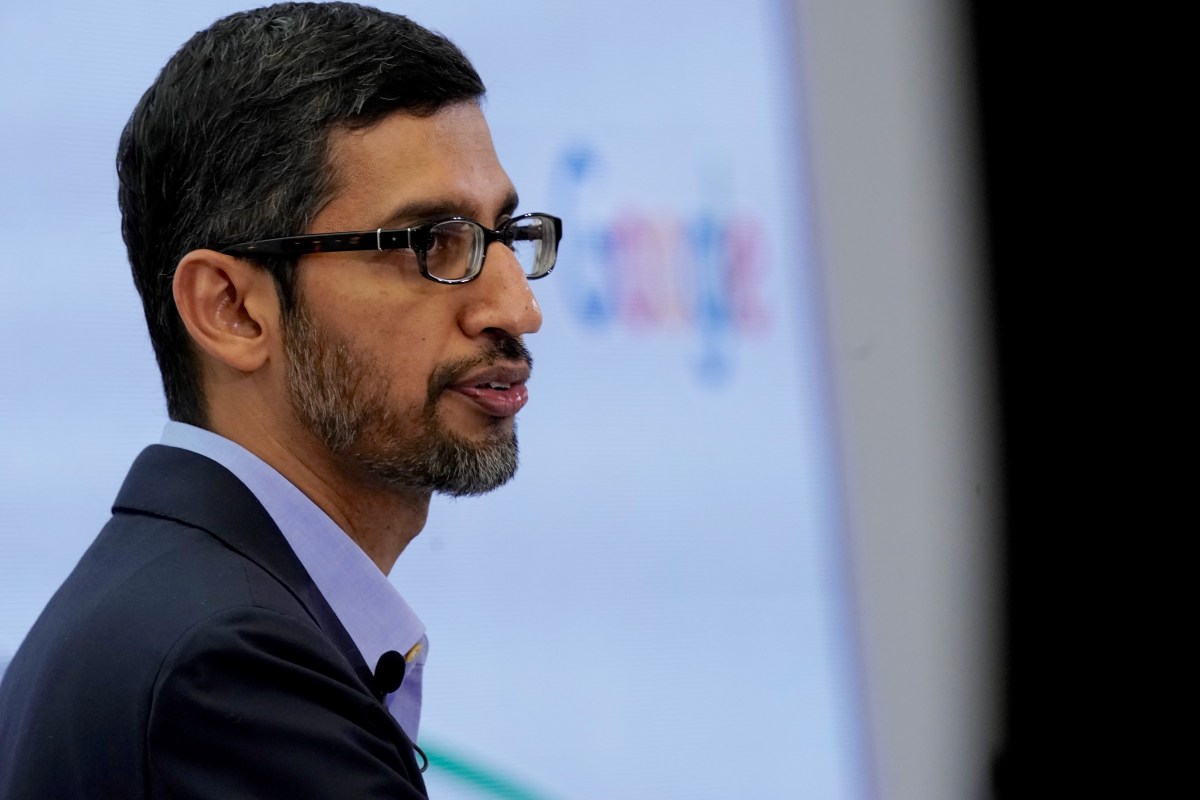
Google CEO Sundar Pichai testified in the U.S. government's antitrust trial against the company, defending its business tactics and deals with partners. The trial revealed that Google spent $26.3 billion in 2021 to be the default search engine across various platforms, with $18 billion going to Apple. Google's strategy of securing default search engine status was shown to be effective in increasing search market share. The trial also highlighted Google's attempt to have Chrome preinstalled on iPhones, its agreement with Apple not to promote Chrome to Safari users, and its policy of deleting internal chat messages. The outcome of the case could have significant implications for Google's data collection practices and could impact other ongoing antitrust cases against Big Tech companies.
Google paid $26.3 billion in 2021 to secure its search engine as the default option on web browsers and mobile phones, according to a senior executive testifying in the Justice Department's antitrust trial. The amount of payments for the default status has more than tripled since 2014. Google's revenue from search advertising reached $146.4 billion in 2021, with the payments for the default setting being its largest cost. Google argued that the revenue share agreements are legal and that users have the option to switch to other search providers if dissatisfied. The company had objected to revealing the numbers, but the judge ruled that they should be disclosed.
Google paid $26.3 billion in 2021 to secure its position as the default search engine on mobile phones and web browsers, according to a slide presented in a federal antitrust trial. The payments are made to partners, with Apple likely being the largest recipient. The U.S. Department of Justice and state attorneys general argue that Google has maintained its monopoly power by leveraging its dominance to exclude rivals from key distribution channels. Google's search division generated over $146 billion in revenue in 2021, with more than $26 billion allocated to traffic acquisition costs. Google maintains that users have the option to change their default search engine.
Google has paid a staggering $26.3 billion in 2021 to secure its position as the default search engine across various browsers, phones, and platforms, according to testimony in the US v. Google antitrust trial. This figure, which represents about 16 percent of Google's search revenue and 29 percent of its profit, highlights the importance of defaults in influencing user behavior. Most of the money goes to Apple, with Google's deal to be the default search engine in Safari costing around $18 billion. The disclosure of these numbers comes as Google defends itself in the trial, arguing that it must invest heavily to stay competitive in a rapidly evolving market.
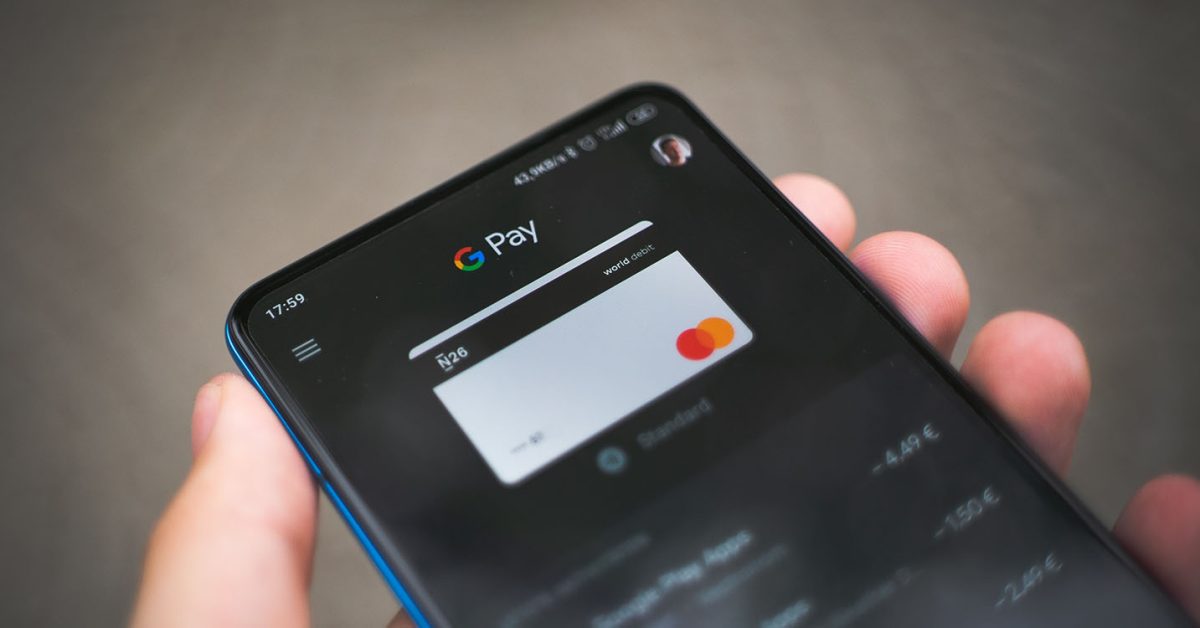
Google reportedly paid Apple around $18 billion in 2021 to be the default search engine on Safari for Macs, iPads, and iPhones. This payment not only secures Google's prime placement on Apple devices but also prevents Apple from building its own search engine. The ongoing US v. Google trial has focused on the terms and effects of this deal, with the Justice Department arguing that it amounts to an anticompetitive monopoly. Google's attorneys will now present their case, arguing that Google's success is due to being the best search engine and not by forcing out rivals.
Google executives were concerned about the growing size of the payment made to Apple to maintain its default search engine status on Apple devices. They explored using EU law to reduce the payment and undermine Apple's power. The European Union's Digital Markets Act (DMA), intended to help smaller companies compete with tech giants, presented an opportunity for Google to lobby for access to Apple's tightly controlled software ecosystem. However, legislation designed to aid startups can also be used by incumbents to gain an advantage over rivals. One potential outcome of the DMA is that Apple may be obliged to ask users to choose their default web browser during device setup, which could triple the number of European iPhone users selecting Chrome and allow Google to retain more search ad revenue while paying less to Apple.
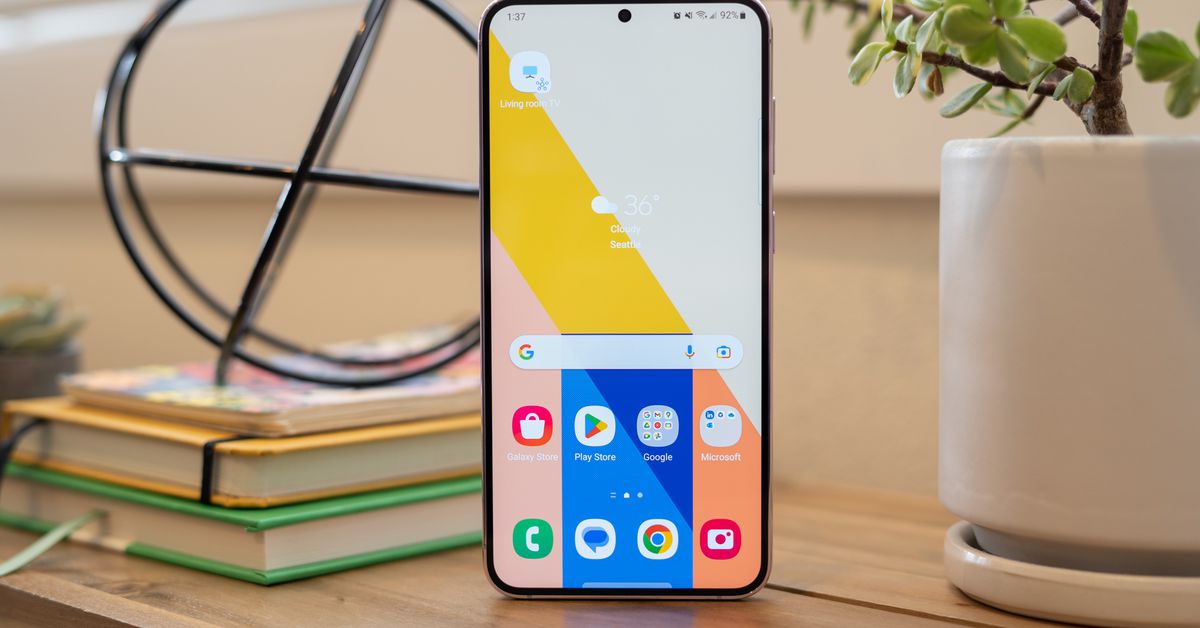
Google is accused of preventing Samsung from adding a new search engine to its Galaxy smartphones, according to testimony in the ongoing antitrust trial between the US Department of Justice and Google. Former Samsung executive Patrick Chang revealed that Google blocked the use of the Branch app on Samsung devices, allegedly due to the multi-billion dollar payments Google makes to ensure it remains the default search engine on iPhone and Galaxy smartphones. The trial is currently in its fourth week.
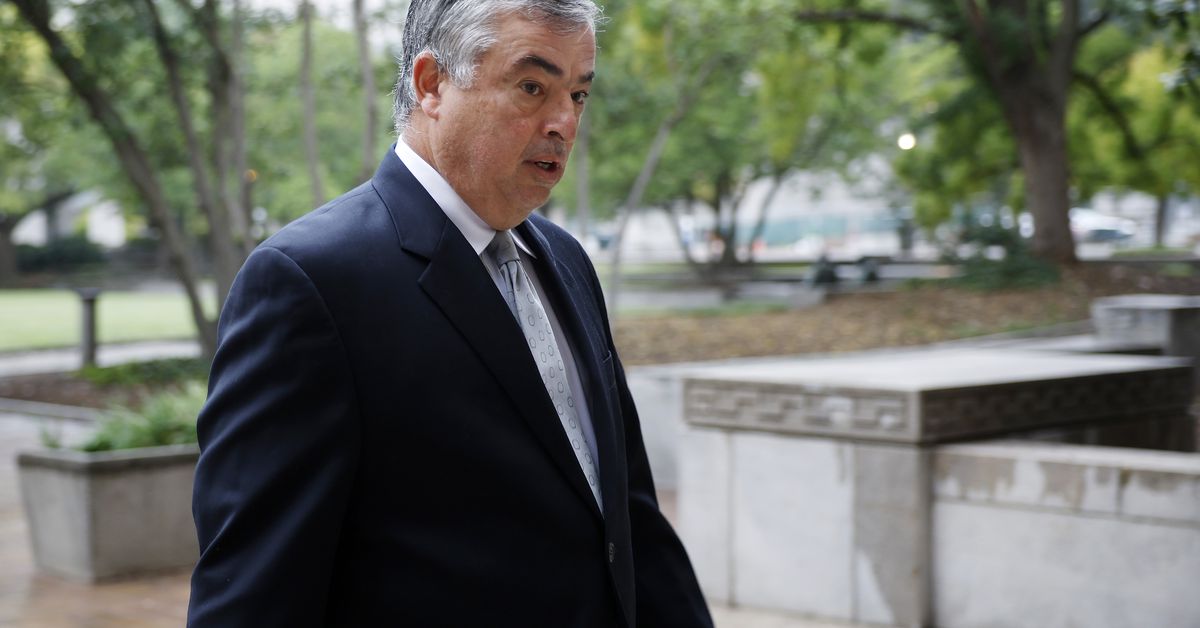
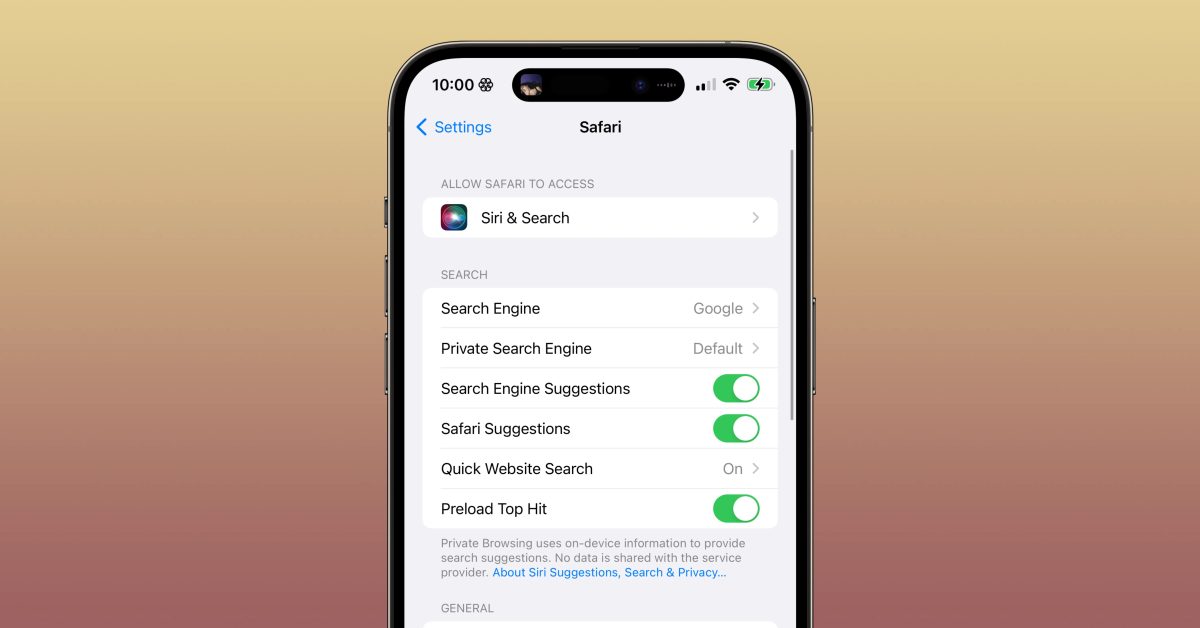
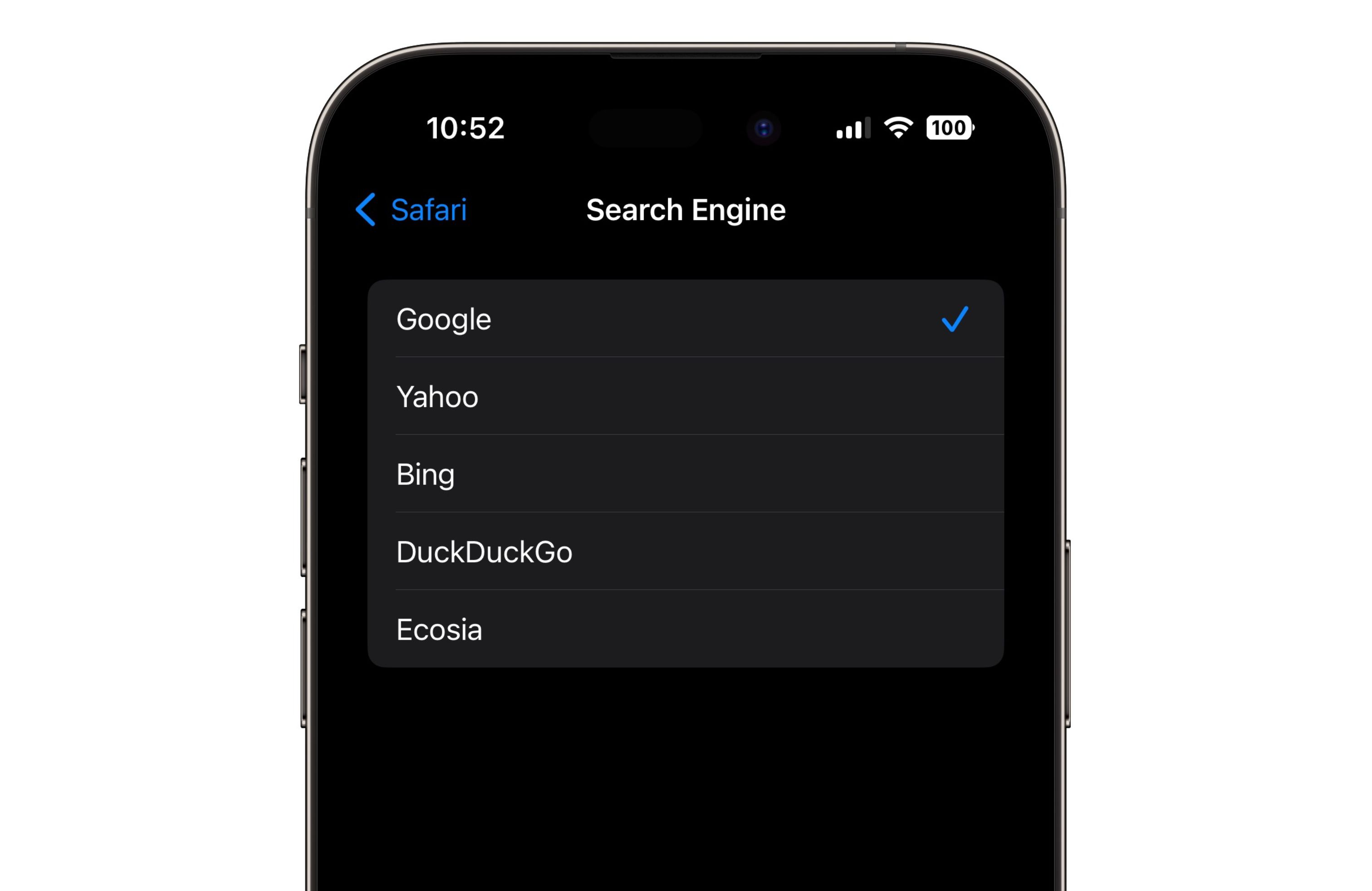
Apple's services chief, Eddy Cue, testified in the antitrust trial between the U.S. Department of Justice and Google, explaining that Google is the default search engine on Apple devices because there wasn't a valid alternative at the time and there still isn't one. Cue stated that Apple picks the best search engine and allows users to easily change it. He also highlighted Apple's commitment to privacy and the privacy protections built into Safari. While users cannot change the default search engine during setup, they can do so in the Settings app.
Apple's Senior Vice President, Eddy Cue, defended the company's deal with Google in the landmark antitrust trial against Google's search business. Cue testified that Apple believed in protecting user privacy and that there was no valid alternative to Google at the time of the deal. The US Department of Justice questioned Cue about the revenue-sharing agreement and whether Apple considered switching to another provider or building its own search product. The DOJ's case focuses on the deals Google makes to ensure it is the default search engine on various platforms. Cue's testimony raised questions about whether Apple chose Google for its product quality or financial gains. The trial continues to examine the search engine market and the implications of Google's dominance.
Apple's senior vice president of ML and AI strategy, John Giannandrea, testified in the Department of Justice antitrust suit against Google and highlighted a little-known feature in iOS 17 related to the iPhone's default search engine. The feature allows users to choose two different default search engines for normal browsing and private browsing modes. Although Google remains the default for both settings, this new option provides users with more granular control. The DOJ's lawsuit focuses on Google's alleged abuse of power in the search industry, with Apple's multi-billion dollar default search engine deal being a key aspect of the trial.
DuckDuckGo CEO testified that his company struggled to increase its market share due to Google's practice of paying billions of dollars to key companies to keep its search engine as the default option on devices. The CEO stated that despite efforts to convince companies to use DuckDuckGo as the default, Google's contracts prevented their success. DuckDuckGo currently holds around 2.5% of the search engine market.
Samsung has paused its internal review of replacing Google with Bing as the default search engine on its in-house Internet Browser, according to The Wall Street Journal. Samsung's Internet Browser has long used Google as its default search engine, and the company is reportedly concerned about how a switch to Bing could affect its relationship with Google and the market's perception of the move. However, Samsung isn't permanently closing the door on using Bing as its default search engine in the future.