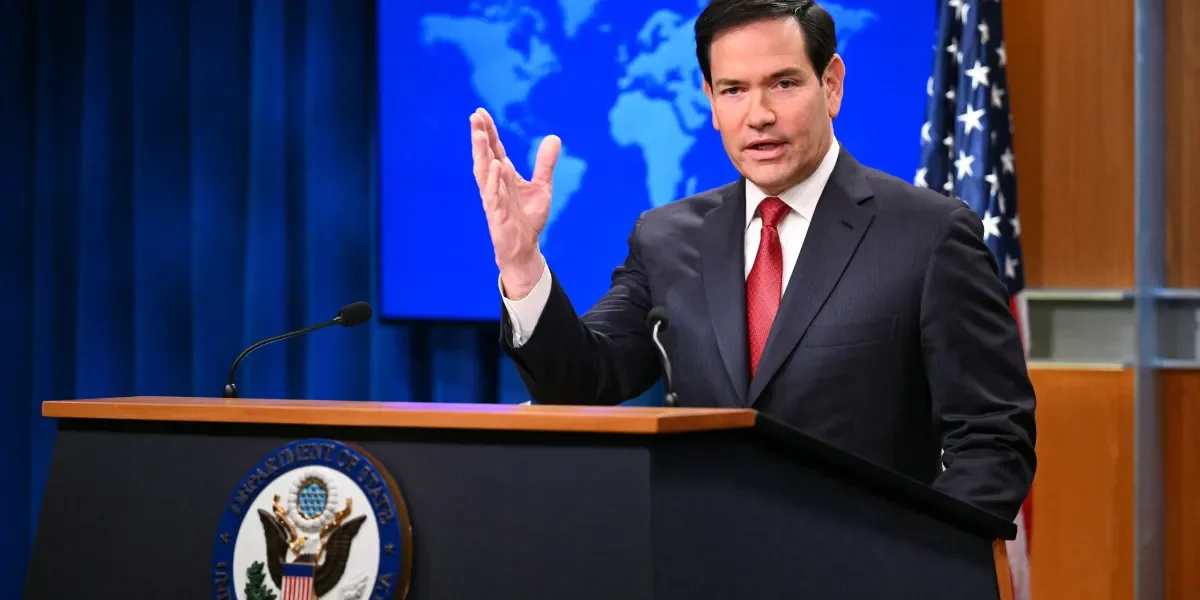
The Trump administration has imposed visa bans on European officials and organizations involved in enforcing the EU's Digital Services Act, citing concerns over extraterritorial censorship, which has sparked diplomatic tensions and accusations of repression and threats to European digital sovereignty.
The EU has accused Apple of failing to adequately protect users from scams and safeguarding children, prompting a strong response from Apple that claims EU laws and enforcement are hypocritical and hinder its ability to protect users, amid ongoing regulatory conflicts over digital market practices.
Facebook and Instagram are allegedly violating the EU's Digital Services Act by using deceptive interface designs to hinder illegal content reporting and restricting researcher access to data, potentially facing significant fines.
The European Commission has preliminarily found TikTok and Meta in breach of transparency rules under the EU's Digital Services Act, accusing them of limiting researchers' access to public data and inadequately providing mechanisms for content notification and challenge, with potential fines up to 6% of global turnover if upheld.
The European Union is investigating Temu for potentially hosting illegal, counterfeit, and unsafe products on its platform, which could lead to significant fines if violations are confirmed, amid ongoing scrutiny of its compliance with the Digital Services Act.
The U.S. State Department criticized Europe's Digital Services Act, claiming it primarily protects European leaders from their citizens, and highlighted increased scrutiny of foreign social media posts by U.S. authorities, amid ongoing legal actions against American tech giants under the DSA.
The EU is testing a prototype age verification app across several countries to help online platforms comply with regulations protecting minors, with plans to replace it with a more comprehensive Digital Identity Wallet in 2026, aiming to enhance online safety and privacy for children.
French minister Jean-Noël Barrot has warned Elon Musk not to undermine democracy as he did with Twitter, now known as X, following Musk's involvement in a call between U.S. president-elect Trump and Ukraine's Zelenskyy. Barrot, who criticized Musk's management of the platform in 2022, emphasized the importance of regulated social networks and compliance with the EU's Digital Services Act. French President Macron, who congratulated Trump on his election victory, suggested the EU should seek greater independence from the U.S. and China.
The European Union has accused X, formerly known as Twitter, of using deceptive "dark patterns" to mislead users, particularly through its blue checkmark system. These practices allegedly violate the EU's Digital Services Act, which aims to ensure transparency and accountability in digital platforms. The EU's findings suggest that X's current verification system can mislead users about the authenticity of accounts, undermining trust and informed decision-making.
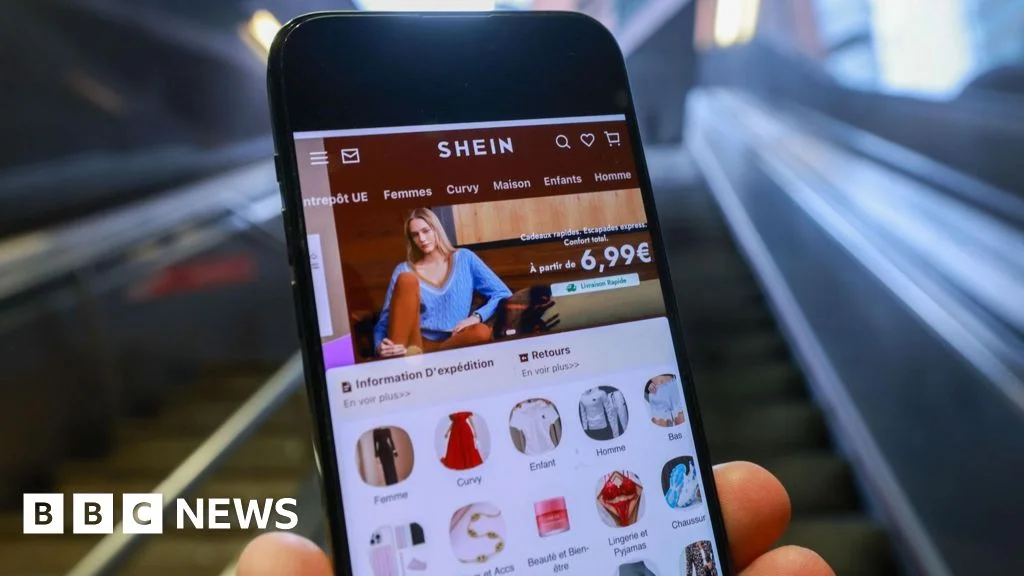
Temu, a Chinese shopping platform, has been classified as a Very Large Online Platform (VLOP) under the EU's Digital Services Act, requiring it to comply with stringent regulations on systemic risks, consumer protection, and transparency. This follows similar actions against Shein and a recent complaint by European consumer groups. Temu must submit a systemic risk assessment report within four months and faces increased scrutiny in the US over forced labor concerns.
The European Commission has issued guidelines to major online platforms, including X, TikTok, and Facebook, to address risks to the integrity of EU elections and combat voter disinformation. The guidelines, part of the Digital Services Act, outline measures to tackle election-related risks, harmful AI content, and misleading political advertising. While not legally binding, non-compliant platforms could face fines of up to 6% of global turnover. The move aims to push Big Tech to do more to uphold democratic values and comes ahead of the European Parliament elections in June, with concerns about the spread of misinformation and the need for content moderators fluent in the EU's 24 official languages.
The European Commission has launched a formal investigation into Alibaba's AliExpress under the Digital Services Act, focusing on concerns related to illegal content dissemination, including pornography, and potential breaches of the DSA in areas such as content moderation, advertising transparency, and traceability of traders. The probe will also examine whether AliExpress failed to enforce its own terms of service regarding products that pose health risks and allowed minors to access pornographic material. Alibaba has stated its commitment to complying with applicable standards and ensuring a safe marketplace.
The European Commission has launched a formal investigation into TikTok over concerns that the platform is not adequately protecting minors and may be breaching the Digital Services Act. The EC alleges that TikTok's algorithm and recommender systems may lead minors to harmful content, and its age verification system may be subpar. The investigation could lead to measures requiring TikTok to update its age-verification system and default privacy settings for minors, with potential fines of up to 6 percent of its global turnover. TikTok has stated its commitment to working with experts to keep young people safe on its platform and to address the issues raised by the EC.
The European Commission has launched an investigation into TikTok over concerns that its "addictive design" may expose young users to harmful content, potentially violating the Digital Services Act. This move follows a previous fine imposed on TikTok for weak safeguards protecting children's personal information. Regulators are particularly focused on the platform's algorithmic systems and their potential to stimulate behavioral addictions or create "rabbit hole effects." Margrethe Vestager, the European Commission's executive vice president overseeing digital policy, emphasized the importance of considering the risks posed to users and urged TikTok to carefully assess the services they offer.
The European Union has launched a formal investigation into TikTok's compliance with the Digital Services Act (DSA), focusing on areas such as the protection of minors, advertising transparency, and risk management of addictive design and harmful content. The investigation follows concerns over TikTok's approach to content governance and safety, with potential penalties for confirmed breaches reaching up to 6% of global annual turnover. The EU is also assessing whether TikTok is fulfilling DSA requirements related to systemic risks, age verification tools, and providing researchers with access to platform data. The investigation will be conducted by the Commission without prejudice to the outcome, and it's the second such proceeding under the DSA, following the probe on Elon Musk-owned X (formerly Twitter) in December.