EU leaders initially considered a reparations loan for Ukraine based on Russian assets but ultimately abandoned the plan in favor of a joint borrowing scheme backed by the EU budget, allowing 24 member states to fund Ukraine without unanimity, amid internal disagreements and geopolitical considerations.
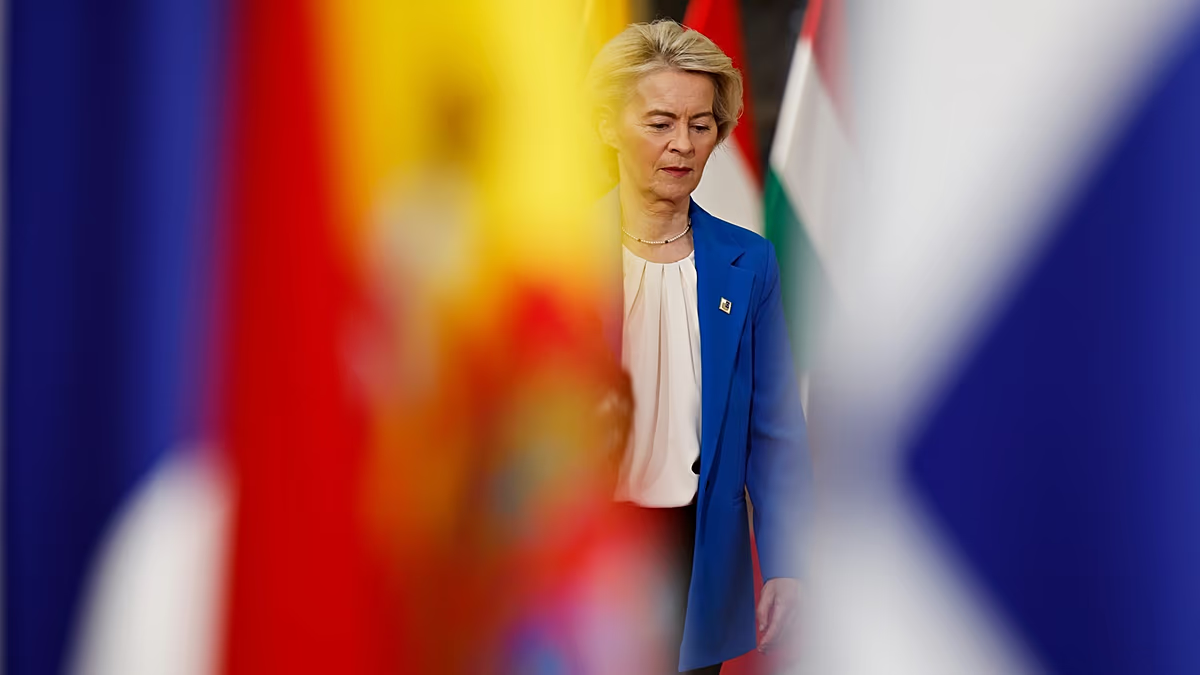
The EU's plan to create a reparations loan for Ukraine using Russian assets failed due to opposition from Belgium and other member states, leading the bloc to opt for raising funds through joint debt instead.
EU leaders are preparing for a high-stakes summit to decide on using frozen Russian assets to fund Ukraine's economic and military needs, proposing a controversial 90 billion-euro reparations loan with potential legal and diplomatic challenges, amid disagreements among member states about the best approach and concerns over trust and legal implications.
EU leaders are preparing to take unprecedented steps at a summit to use frozen Russian assets to fund Ukraine's economic and military needs, including proposing a 90 billion-euro reparations loan, amidst legal and political challenges and concerns over trust and precedents.
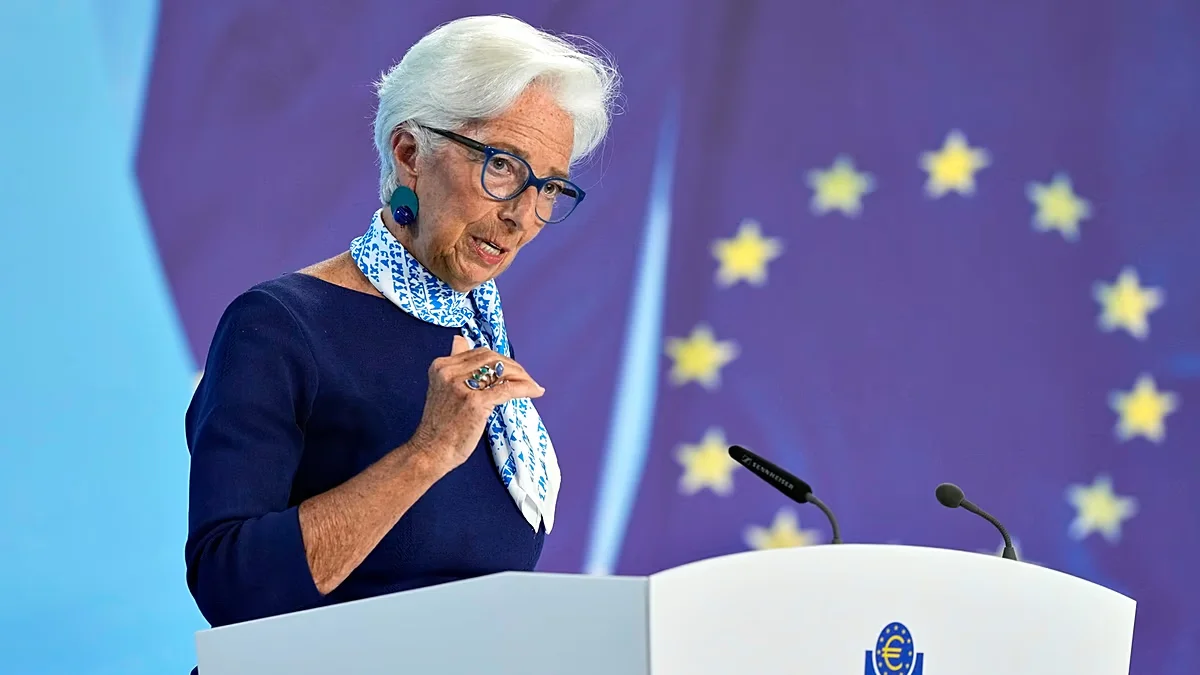
The European Central Bank has refused to provide emergency liquidity for Ukraine's reparations loan using seized Russian assets, citing legal and independence concerns, complicating the European Commission's plan to support Ukraine financially through this unprecedented scheme.
The EU is considering a €140 billion reparations loan to Ukraine using Russia's immobilized assets held at Euroclear, but faces obstacles mainly from Belgium over legal and risk concerns. The plan aims to support Ukraine's financial and military needs amid ongoing conflict, with the loan to be repaid only after Russia compensates for damages. The proposal is still in development, with key technical and political issues to resolve before a potential decision in December.