AI models, including ChatGPT, demonstrated surprising effectiveness in piloting spacecraft in a realistic competition, highlighting the potential and challenges of AI in autonomous space navigation and future space missions.
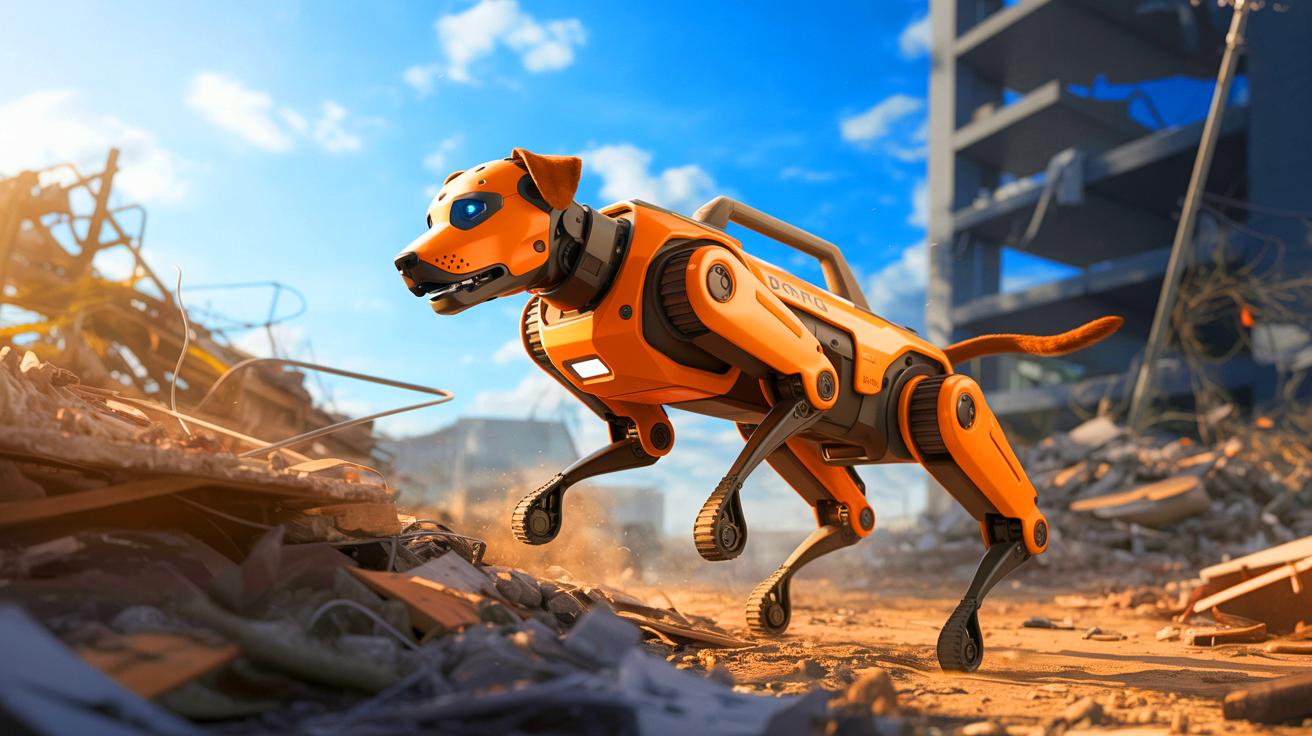
China has developed the world's first robotic rescue dog, capable of navigating challenging terrains, providing medical aid, and operating in extreme conditions, promising to revolutionize emergency rescue operations globally.
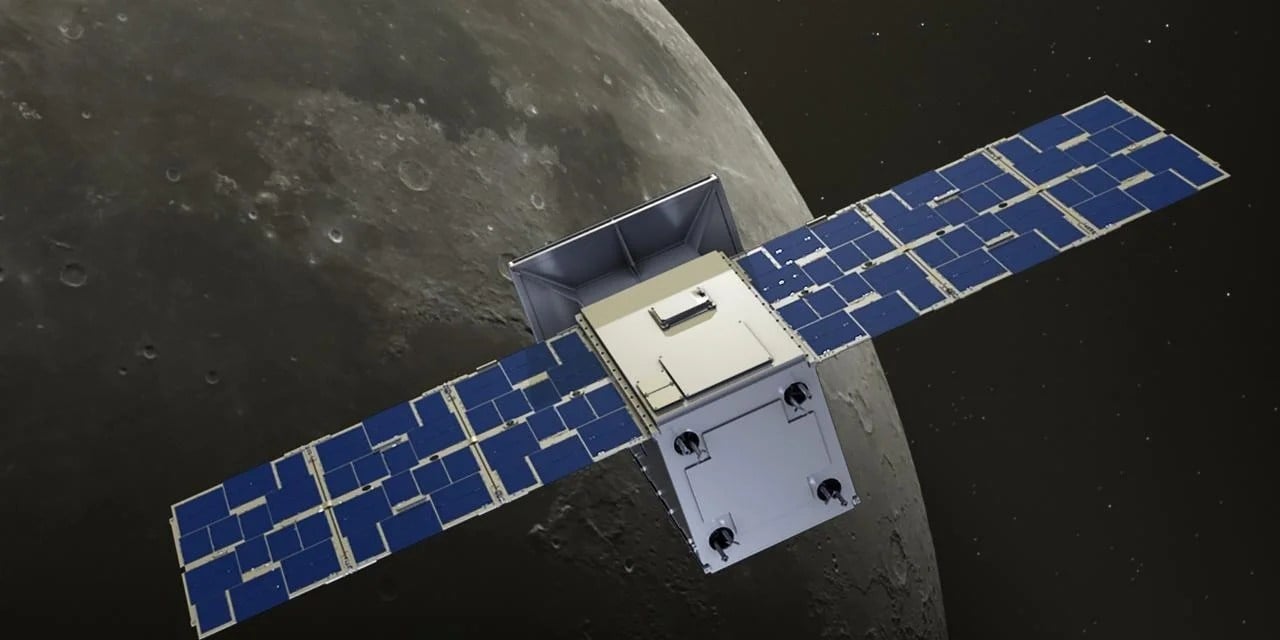
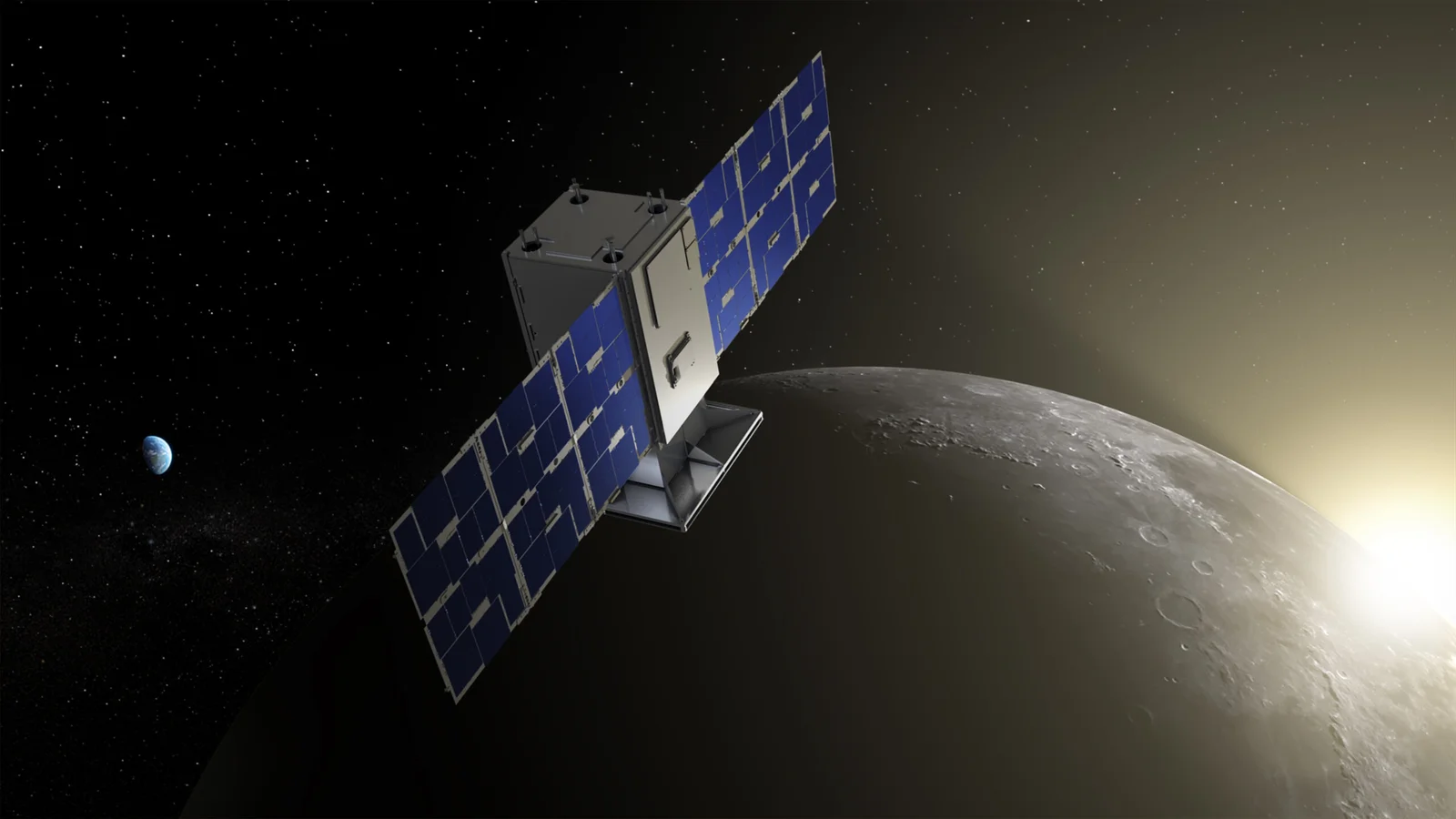
NASA's CAPSTONE mission, a cubesat launched in 2022, is testing advanced autonomous navigation and maneuvering software in cislunar space. Despite early technical issues, the spacecraft is now operational and aiding in the development of the cislunar Gateway space station. The mission, costing around $30 million, includes testing software for precision navigation, anomaly detection, and deep space maneuvering, aiming to enhance future spacecraft operations in the lunar vicinity.
Researchers at ETH Zurich's Robotic Systems Lab have developed a wheeled-legged robot that uses advanced reinforcement learning techniques to autonomously navigate various terrains. This hybrid robot can switch between driving and walking modes, optimizing efficiency and adaptability. The system, which builds on previous research, features a neural network-based controller that processes sensory data to create real-time navigation plans, making it suitable for applications like autonomous delivery across diverse environments.
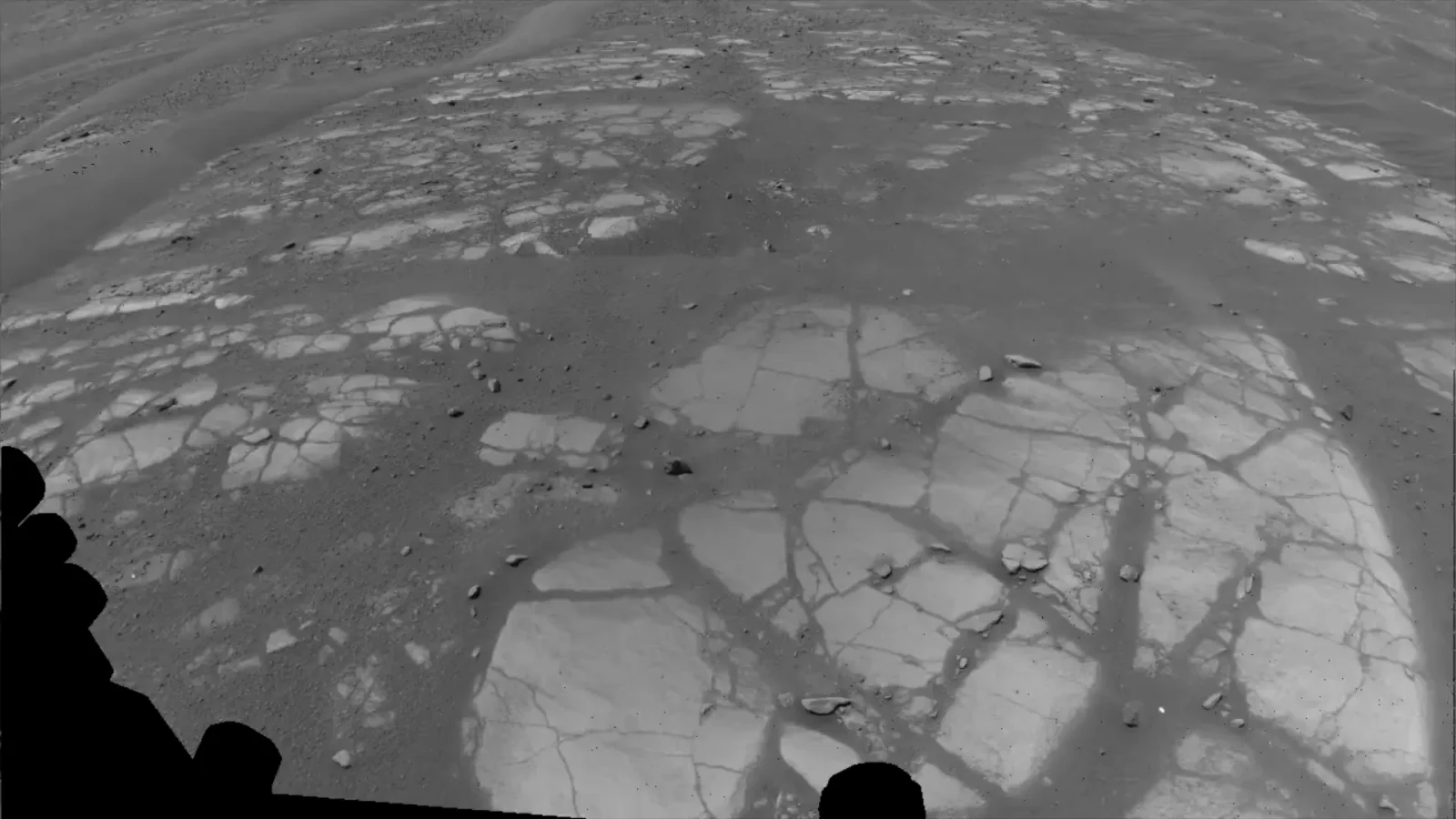
NASA's Perseverance rover has set speed records on Mars with the help of its autonomous navigation system, AutoNav. The rover recently navigated through a field of boulders in about a third of the time it would have taken previous rovers, thanks to AutoNav's ability to manage the finer points of navigation. Perseverance's autonomous capability has allowed it to achieve new records for off-roading on Mars, including the longest drive without human review. The rover's successful navigation through challenging terrain demonstrates the effectiveness of AutoNav and paves the way for further exploration on the Red Planet.
CAPSTONE, a privately owned cubesat funded by NASA, continues to operate successfully more than a year after its launch. The spacecraft, owned by Advanced Space, is providing valuable data to support NASA's Artemis lunar exploration efforts. CAPSTONE has completed its primary mission in a near-rectilinear halo orbit (NRHO) around the moon and is now in an enhanced mission phase focused on automation experiments and data collection. The spacecraft has overcome initial technical challenges and has been instrumental in testing the stability of NRHO and conducting navigation experiments. The experience gained from CAPSTONE will inform Advanced Space's future missions, including the development of the Oracle spacecraft for the Air Force Research Laboratory.