A study indicates that cytomegalovirus (CMV) reactivation is common in COVID-19 ICU patients, especially those on high-dose steroids, and is associated with worse outcomes, suggesting the need for vigilant monitoring and early antiviral intervention.
A study published in Nature Microbiology found that the dormant Epstein-Barr virus (EBV) reactivates during multiple sclerosis (MS) relapses, triggering inflammatory activity in immune cells. Blocking EBV activation with antiviral compounds like tenofovir alenfenamide (TAF) can reduce this inflammation, suggesting a potential new treatment strategy for MS. However, further research is needed to confirm these findings in human models.
Researchers have developed a new blood test that measures the immune response to Epstein-Barr virus (EBV) in people with multiple sclerosis (MS), potentially advancing understanding and treatment of the disease. The test revealed a stronger immune response to EBV in MS patients compared to those with other conditions, supporting the theory that EBV plays a significant role in MS. This development could lead to better treatments, including antiviral drugs, by targeting the virus more precisely without broadly suppressing the immune system.
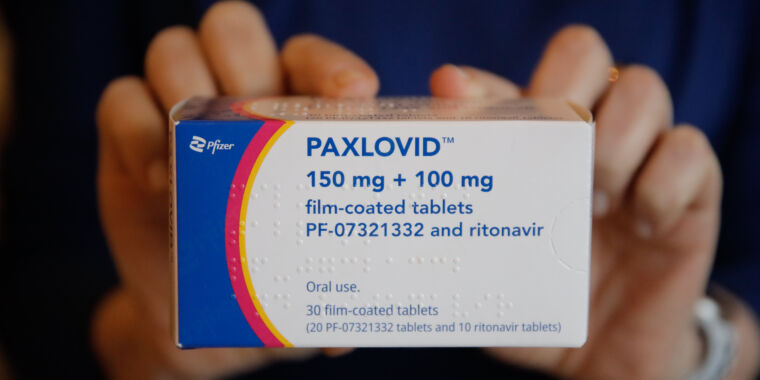
The Star Tribune Editorial Board highlights the swift and no-cost access to COVID treatment through a state program, as a patient was able to obtain a prescription for Paxlovid and have it filled at a nearby pharmacy within hours of testing positive, showcasing the effectiveness of the program in providing timely care for those eligible.
Pfizer is expected to increase the price of its COVID-19 antiviral treatment, Paxlovid, following a 400% hike in the price of its vaccines. The current price for Paxlovid is $530 for a treatment course, but it is anticipated to rise as the drug transitions from government distribution to the commercial market. The new price has not been determined yet, but one analyst suggests it could be three to five times higher, potentially reaching $2,500 per course. The price increase raises concerns about access and healthcare costs, as it may lead to decreased demand and higher insurance premiums.
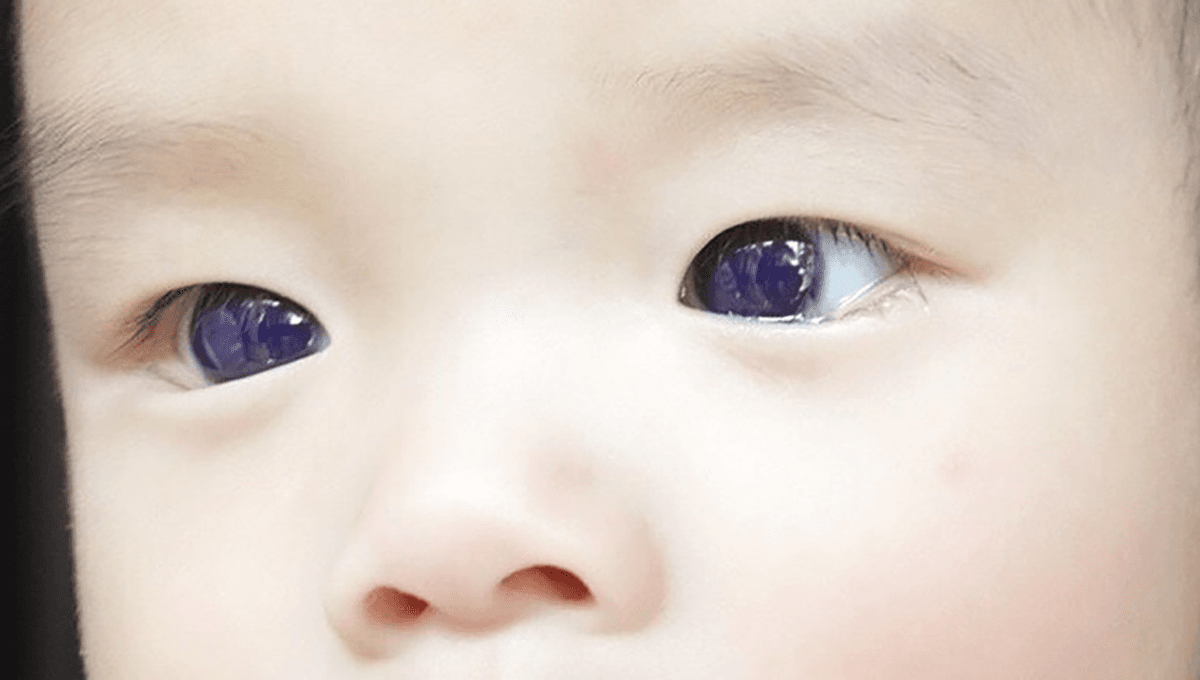
A six-month-old boy's eyes turned blue, a rare side effect, after being prescribed favipiravir, an antiviral medication used to treat COVID-19. The boy had developed a cough and fever and tested positive for COVID-19. Although the drug is commonly used for influenza, evidence suggests it has little positive effect on non-severe, early-stage COVID-19 cases. The boy's eyes returned to their usual color after discontinuing the treatment. Further studies are needed to determine the incidence and potential long-term consequences of this rare adverse effect.
A 6-month-old boy's dark brown eyes turned indigo blue after being treated with the antiviral drug favipiravir for COVID-19. This unusual side effect has been reported in a few cases, including adults, and is believed to be caused by the drug's fluorescent components accumulating in the cornea. While the boy's eye color returned to normal after stopping the treatment, the long-term effects are still unknown. Factors such as age, treatment duration, and dosage may influence the occurrence and duration of this rare side effect.
Doctors have reported cases of patients' eye color changing to indigo blue after being treated with the antiviral drug favipiravir for COVID-19. The drug, which works by causing mutations in RNA molecules, has been authorized for use in several countries. Common side effects include diarrhea and elevated levels of uric acid. The cause of the eye discoloration is still unclear, but it may be due to fluorescent chemicals released during the breakdown of the drug, which accumulate in the cornea. The long-term effects of this temporary change in eye color are unknown, and further research is needed to understand why this side effect occurs.