Tag

De Beers

All articles tagged with #de beers

business1 year ago

De Beers Expands Lab-Grown Diamonds Beyond Jewelry

De Beers, traditionally known for luxury diamonds, has found success in the industrial sector through its research division, Element Six, which produces lab-grown diamonds for industrial applications like cutting tools and electronics. This shift comes amid declining interest in natural diamonds and a restructuring by parent company Anglo-American. Despite challenges from international competition and reliance on sunset industries, Element Six sees growth potential, especially with the rise of AI technologies.
business1 year ago

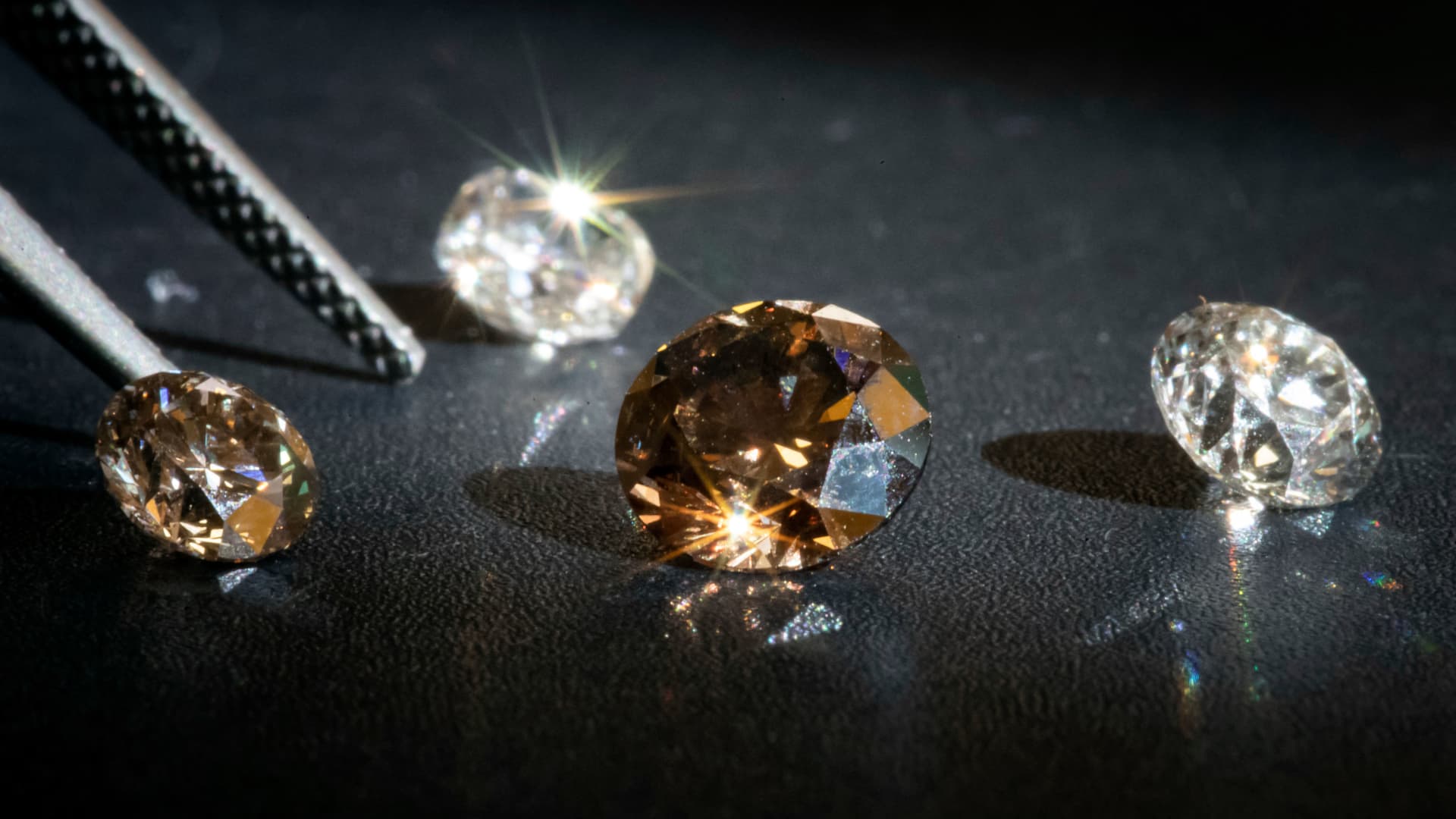
De Beers Abandons Lab-Grown Diamonds to Focus on Natural Stones

The diamond industry is facing significant challenges as the rise of lab-grown diamonds and shifting consumer preferences, particularly in China, drive down demand and prices for natural diamonds. Anglo American plans to divest De Beers as part of its restructuring, focusing on commodities that support green infrastructure. The industry is seeing a rapid increase in lab-grown diamond sales, which are much cheaper than natural diamonds, further impacting prices. Efforts to reignite demand through marketing collaborations are underway, but the industry remains in a precarious position.

science-and-technology1 year ago

"Swiss Breakthrough Simplifies Diamond Detection for Hunters"

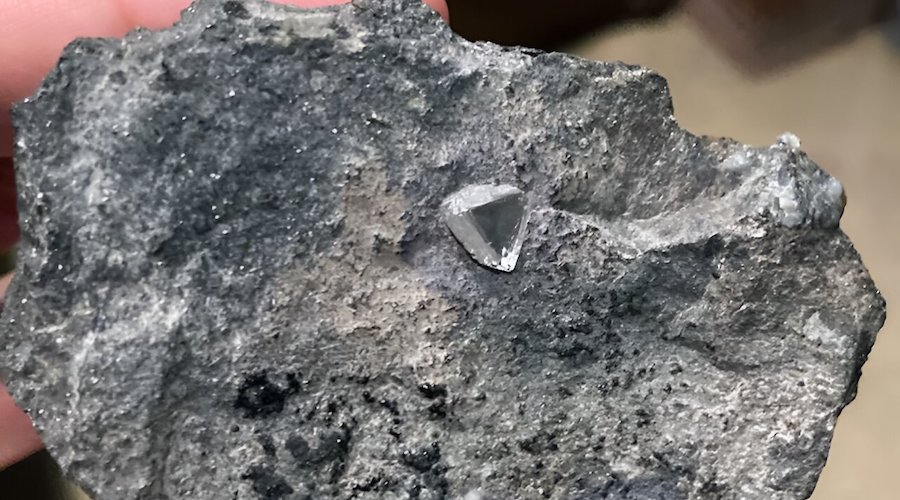
A new study led by Andrea Giuliani has found that the iron-to-magnesium ratio in olivine, a mineral in kimberlite rock, is directly related to the presence of diamonds. The research, supported by De Beers, revealed that olivine becomes richer in iron due to metasomatism, a process in the earth's interior, which destroys diamonds. Conversely, when no metasomatism occurs, olivine contains more magnesium, preserving the diamonds. This new olivine analysis method is now being used by De Beers as it provides a simpler and faster way to detect diamond deposits.

business2 years ago

The Rise of Lab-Grown Diamonds: A Threat to Natural Gems

The owner of De Beers, the world's leading diamond company, saw a 20% drop in shares after announcing production cuts at its mines, as lab-grown diamonds gain popularity among environmentally conscious consumers. Lab-created gems, regarded as more ethical and sustainable, have seen a significant increase in sales, with 10% of diamonds sold in 2022 being lab-grown compared to 2% in 2018. The lab-grown variety offers a larger diamond for the same budget and avoids the environmental and ethical concerns associated with mining. However, concerns remain about the energy expenditure involved in creating lab-grown diamonds and the need for industry regulation.

business2 years ago

De Beers Slashes Diamond Prices by Over 40% as Lab-Grown Stones Surge

De Beers, one of the world's leading diamond companies, is cutting prices for certain types of rough diamonds by more than 40% due to falling demand caused by the increasing popularity of lab-grown stones, particularly in the US. The decline in demand for natural diamonds in this category raises questions about whether it represents a permanent shift and if lab-grown gems will eventually impact the more expensive diamond market dominated by Asian buyers. Lab-grown diamonds, which offer a cheaper alternative without the environmental or social downsides of mined diamonds, are gaining traction and have seen their share of diamond exports from India rise from 1% to 9% in the past five years. However, the lab-grown diamond industry is also facing challenges as prices have plunged even more steeply than natural stones.

business2 years ago

De Beers and Botswana Forge Diamond Deal, Boosting Local Production

Diamond giant De Beers has reached an agreement with Botswana to allow the country to keep 50% of the production from its mines, a significant shift in the long-standing partnership. The deal aims to benefit Botswana's economy by increasing its share of the diamond industry's profits, while De Beers will continue to have access to the country's rich diamond reserves. This move reflects a broader trend of resource-rich nations seeking greater control over their natural resources.