The Trump Administration's EPA announced a historic agreement, Minute 333, with Mexico to address the long-standing Tijuana River sewage crisis, including infrastructure projects, monitoring, and planning to account for future population growth, marking significant progress in solving cross-border pollution without additional US funding.
The Trump administration is pausing over $11 billion in Army Corps of Engineers projects, including in Democratic-led cities like New York, San Francisco, Boston, and Baltimore, as part of efforts to pressure Democrats amid a prolonged government shutdown, which has also led to the freezing of billions in infrastructure and climate-related funding and the potential layoff of thousands of federal workers.
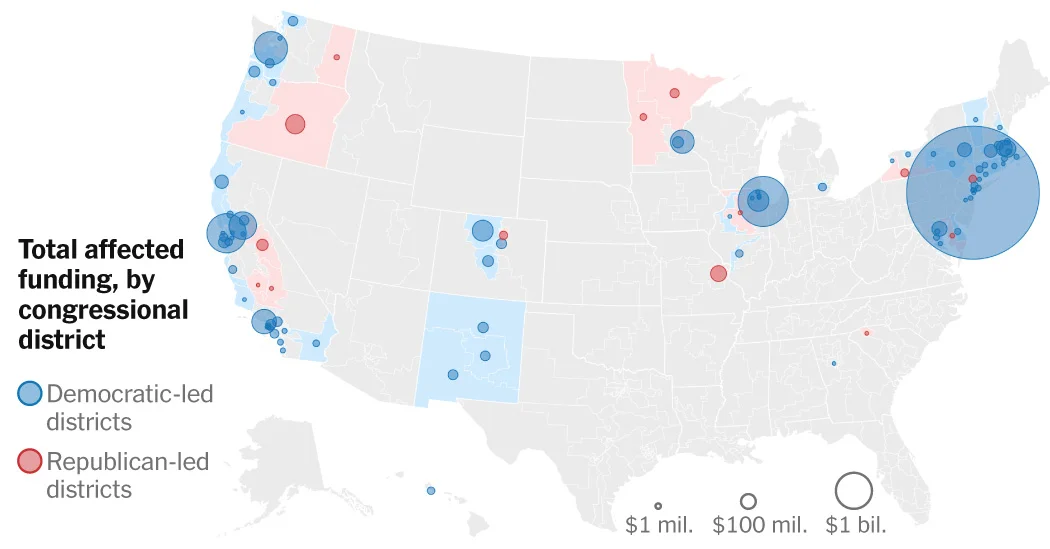
During the two-week government shutdown, the Trump administration froze or canceled nearly $28 billion in federal aid for over 200 projects, primarily in Democratic-led districts, affecting infrastructure, energy, and transportation projects, as part of a broader political strategy to leverage the shutdown for spending cuts.
The Trump administration's decision to freeze federal funding for the Hudson Tunnel project has become a political issue in New Jersey's upcoming governor race, with candidates blaming each other for the funding halt amid broader government shutdown debates.
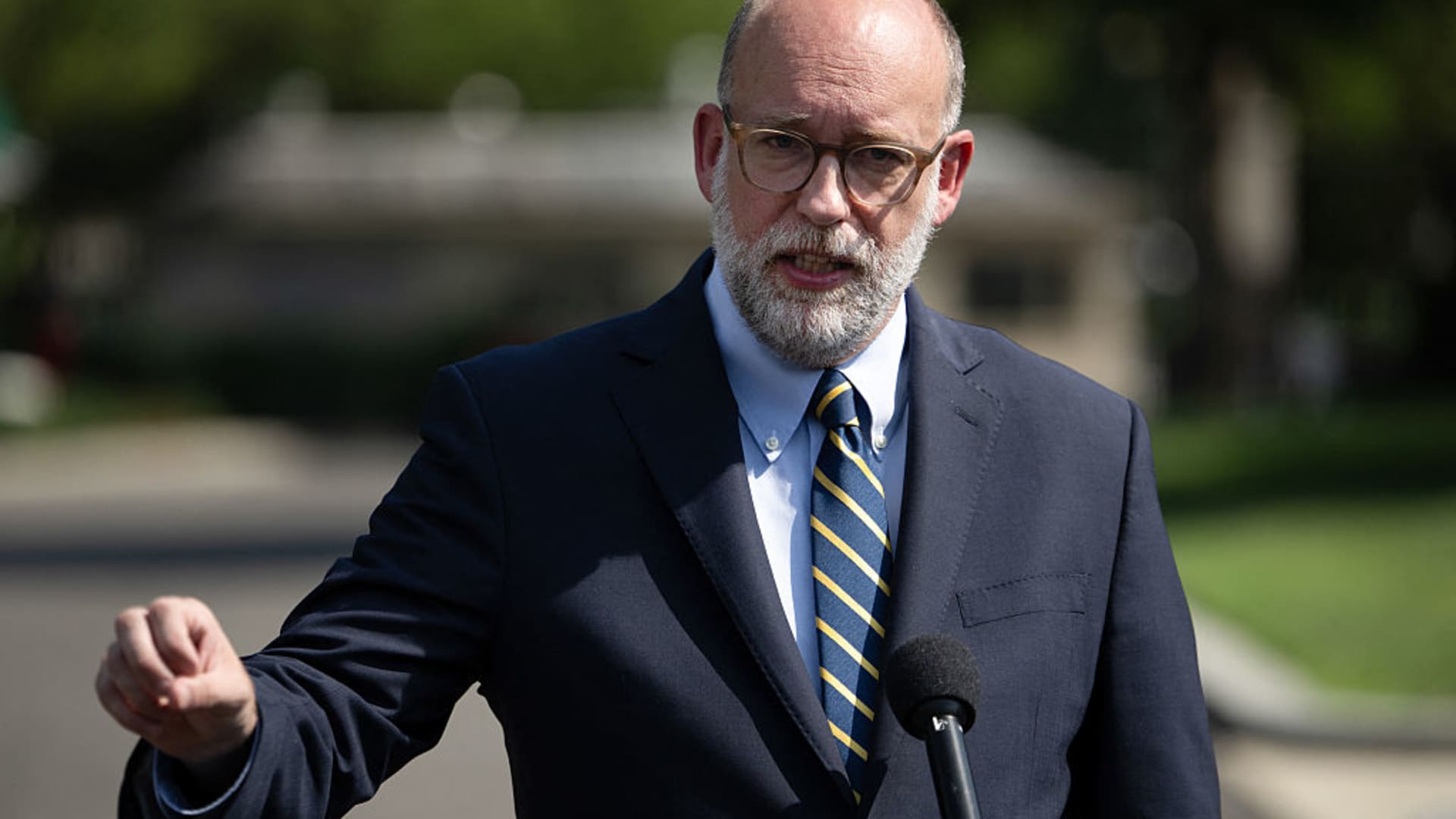
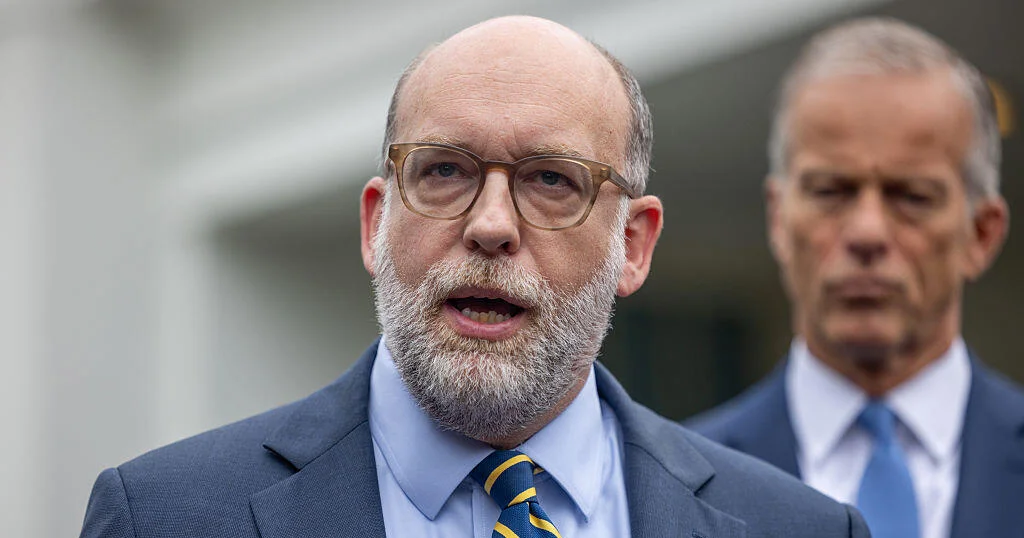
The Trump administration has frozen approximately $18 billion in New York City infrastructure projects, including the Hudson River Tunnel and Second Avenue Subway, citing concerns over funding based on 'unconstitutional DEI principles,' with the move announced by OMB Director Russell Vought.
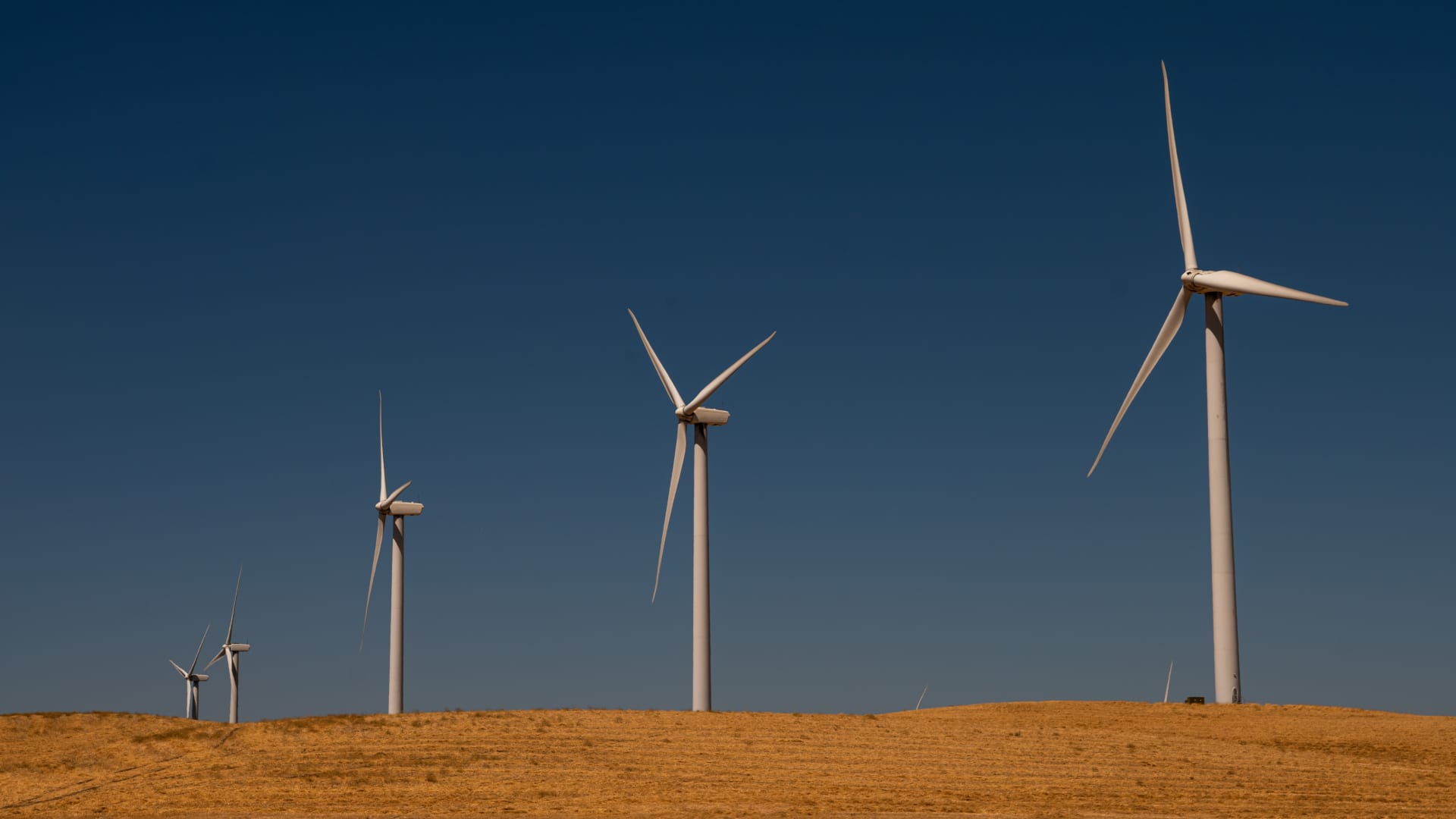
The Trump administration canceled $679 million in federal funding for offshore wind projects in the U.S., redirecting funds to port and infrastructure upgrades, as part of its broader campaign against renewable energy development, affecting multiple projects including Humboldt Bay Offshore Wind and others across several states.
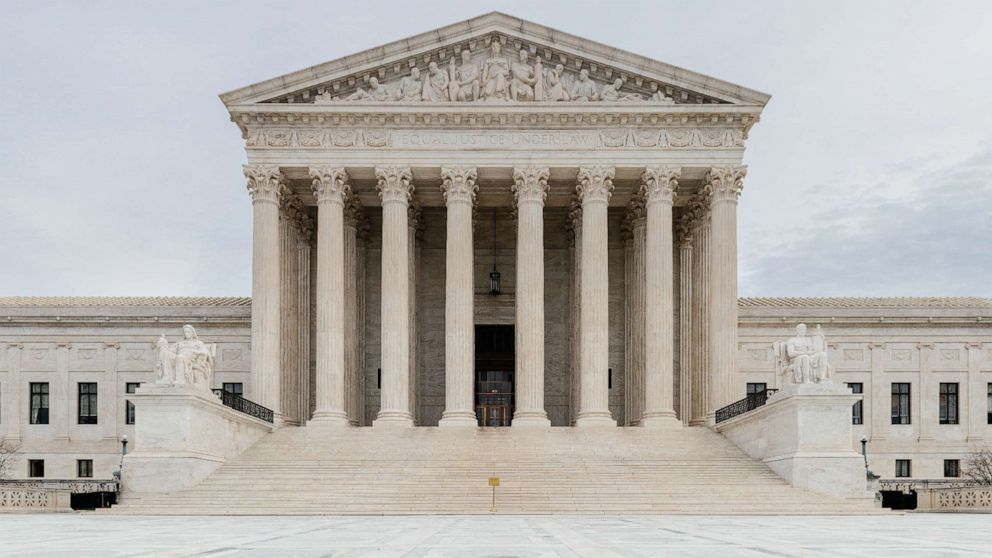
The Supreme Court has significantly limited the scope of the National Environmental Policy Act (NEPA), reducing environmental review requirements for federal projects and potentially easing the approval process for energy and infrastructure developments, which could accelerate project timelines but also raise concerns about environmental oversight.
The U.S. Supreme Court has significantly narrowed the scope of environmental reviews under the National Environmental Policy Act (NEPA), making it easier to approve infrastructure projects like highways, pipelines, and railroads by limiting consideration of upstream and downstream environmental impacts. The decision has been praised by industry groups for streamlining approvals but criticized by environmental advocates for potentially undermining environmental protections.
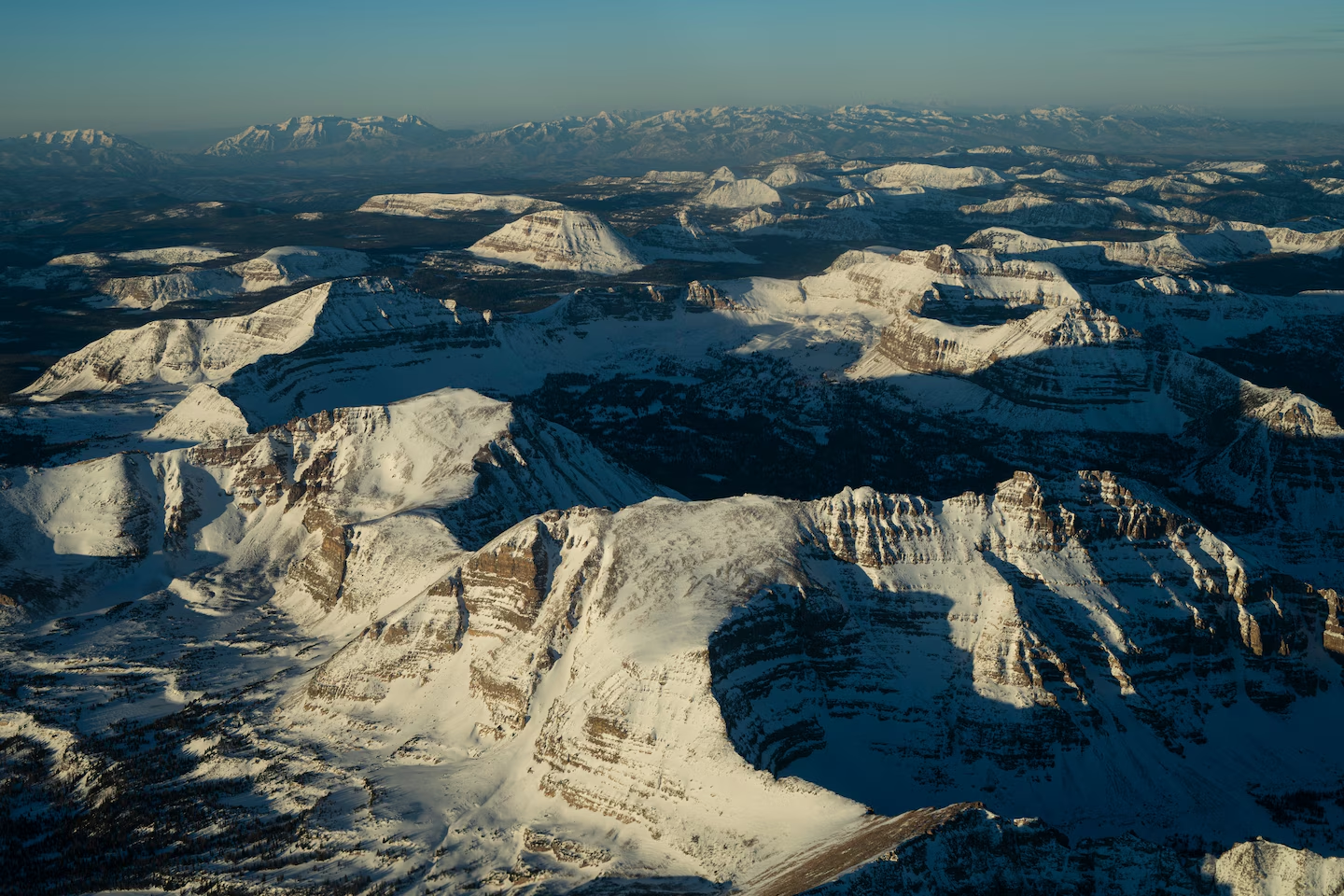
The Supreme Court limited the scope of environmental impact studies under NEPA, making it easier to approve infrastructure projects like a proposed Utah-Colorado railway, by emphasizing deference to agency decisions and restricting consideration of secondary impacts.
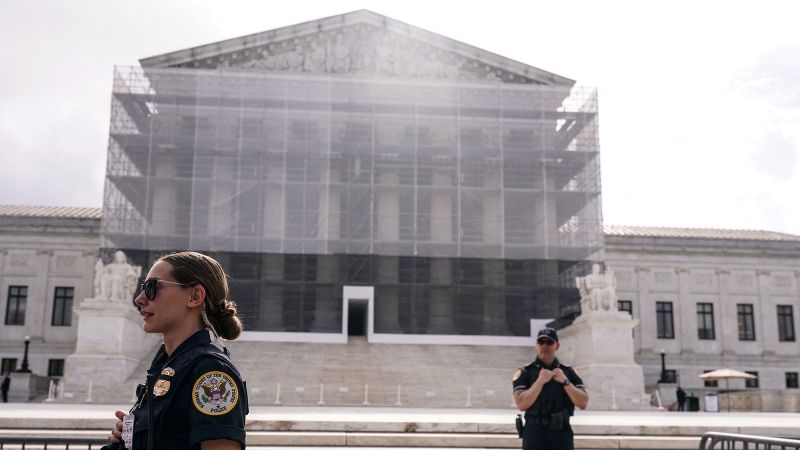
The Supreme Court unanimously limited the scope of environmental reviews under the National Environmental Policy Act (NEPA), focusing only on immediate impacts of infrastructure projects, which could reduce environmental protections and streamline approvals, but also raise concerns about increased environmental risks.
The Supreme Court limited the scope of environmental reviews for major infrastructure projects, overturning a lower court decision that blocked a controversial oil rail line in Utah, which would facilitate increased oil extraction from the Uinta Basin.
The U.S. Supreme Court limited the scope of environmental reviews for major infrastructure projects, emphasizing deference to agency decisions and potentially speeding up approvals for projects like highways and pipelines, with broad implications for environmental regulation and infrastructure development.
A suicide bomber targeted a convoy of Chinese engineers in northwest Pakistan, killing six people, including five Chinese nationals and their Pakistani driver. This marks the third major attack on Chinese interests in Pakistan within a week, with previous attacks targeting a naval air base and a strategic port used by China. The engineers were en route to a dam construction site in Khyber Pakhtunkhwa province, and the area has been attacked in the past. China has invested over $65 billion in infrastructure projects in Pakistan as part of the China Pakistan Economic Corridor. No one has claimed responsibility for the attack, but Pakistan's military has accused "foreign elements" of aiding and abetting such incidents.
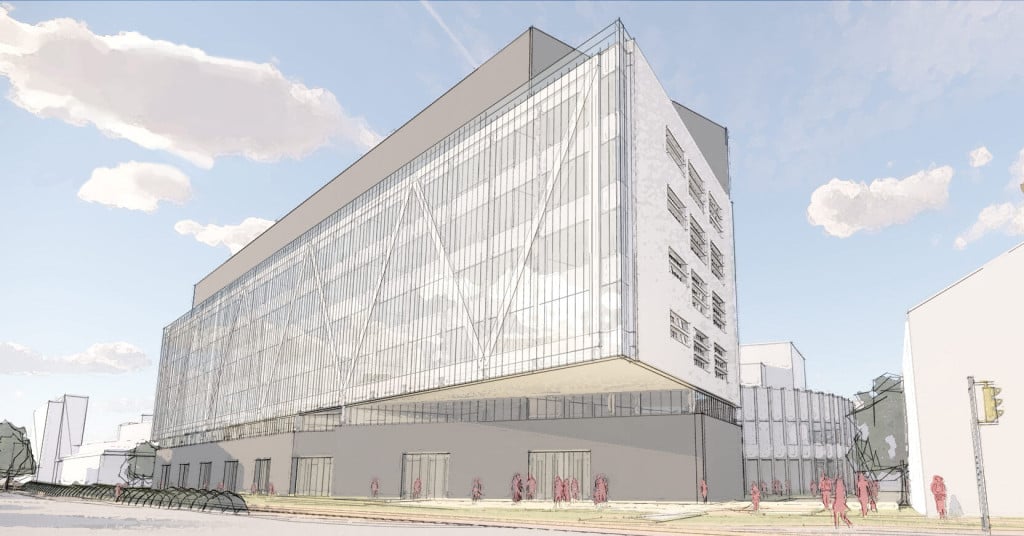
Gov. Tony Evers signed bipartisan bills providing state funding for a new College of Engineering building and campus infrastructure projects, along with changes to the Wisconsin-Minnesota tuition reciprocity agreement. The new 395,000-square-foot engineering facility, expected to cost about $397 million, will address critical workforce needs and allow for the enrollment of around 1,000 additional undergraduates in engineering. The legislation also includes funding for renovations to residence halls and utility improvements, and guarantees admission to top high school students.
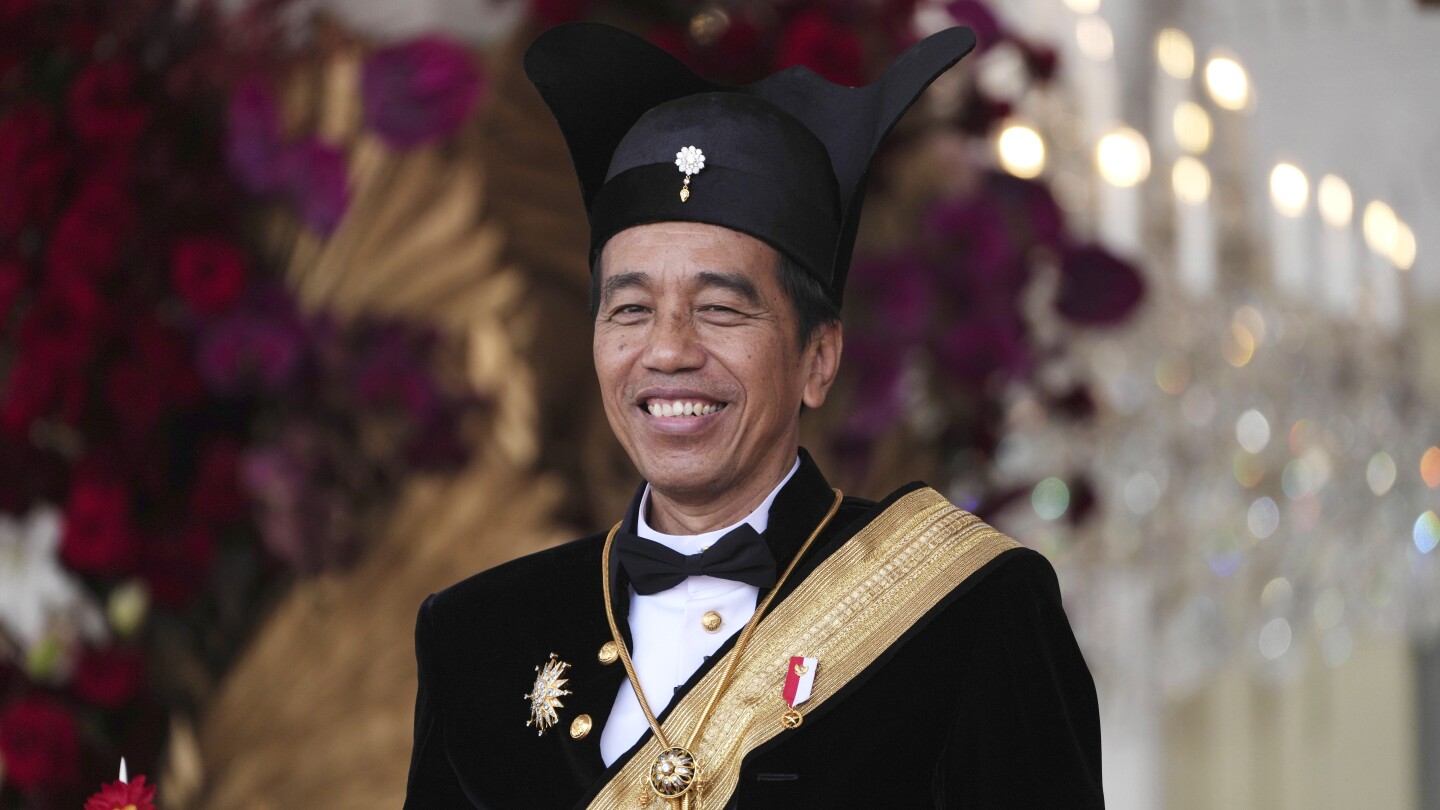
Joko Widodo, Indonesia's president, is set to end his final term in October with a legacy of economic growth and ambitious infrastructure projects, including a $33 billion plan to relocate the congested capital to Borneo. Widely popular, he faced criticism for appointing his main challenger as defense minister and for allegedly attempting to create a political dynasty with his son. Despite his achievements, some view his political ambition as an obstacle to a smooth exit from power.