Tag

Brain Adaptation

All articles tagged with #brain adaptation

Users Experience 'Virtual Reality Hangover' After Removing Headsets

Originally Published 4 months ago — by Road to VR

Featured image for Users Experience 'Virtual Reality Hangover' After Removing Headsets
Source: Road to VR

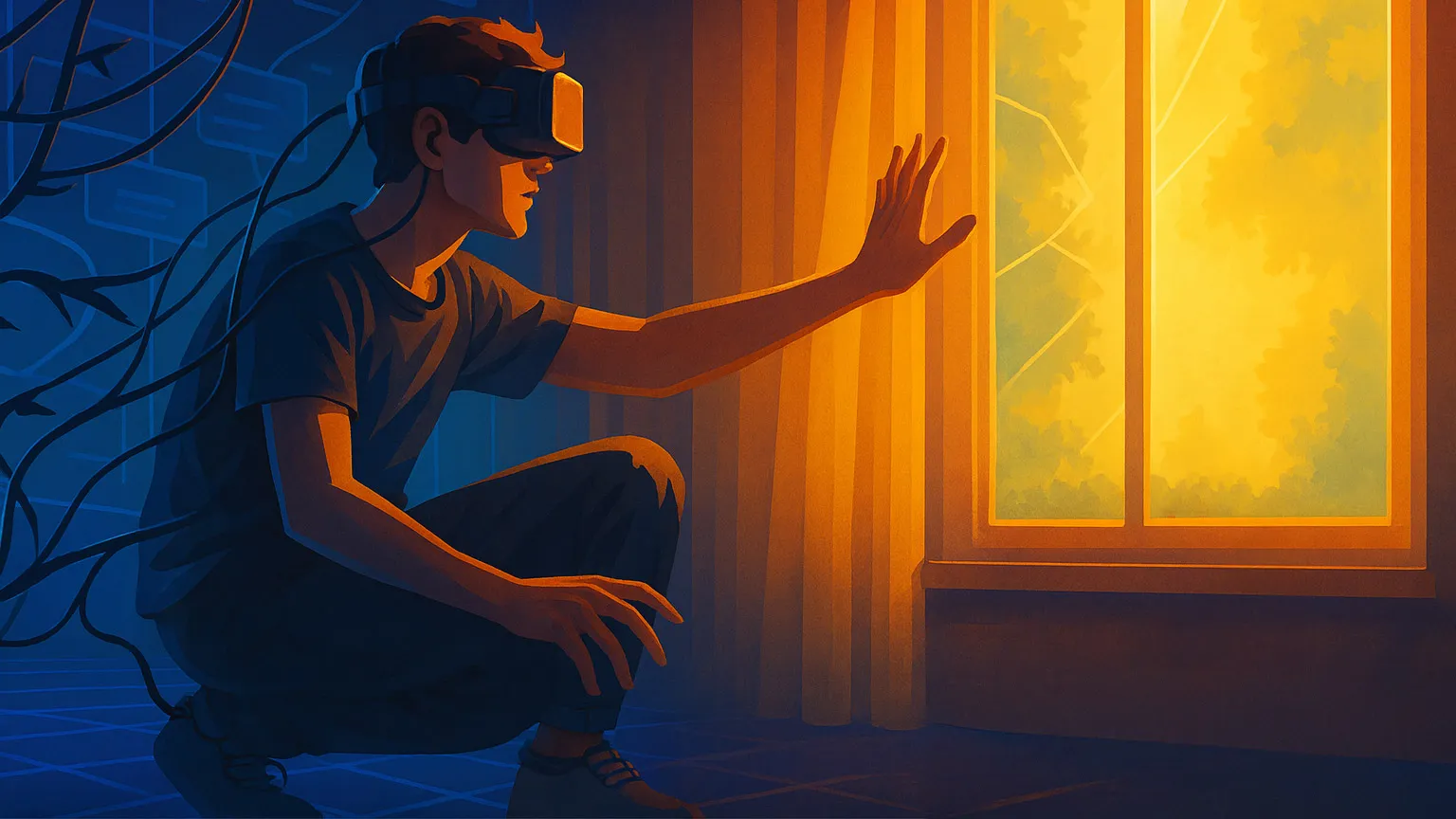
Some VR users experience a temporary sensation of being 'stuck in VR' after removing their headsets, caused by discrepancies in proprioception and the brain's adaptation to virtual environments. This phenomenon, known as 'proprioceptive-disconnect,' is linked to the imperfections of VR tracking and latency, and generally fades within a few hours. Studies suggest these effects can also influence memory and physical perception, highlighting the need for further research into VR's long-term impacts.
Certain Brain Layers Strengthen with Age

Originally Published 4 months ago — by ScienceAlert

Featured image for Certain Brain Layers Strengthen with Age
Source: ScienceAlert

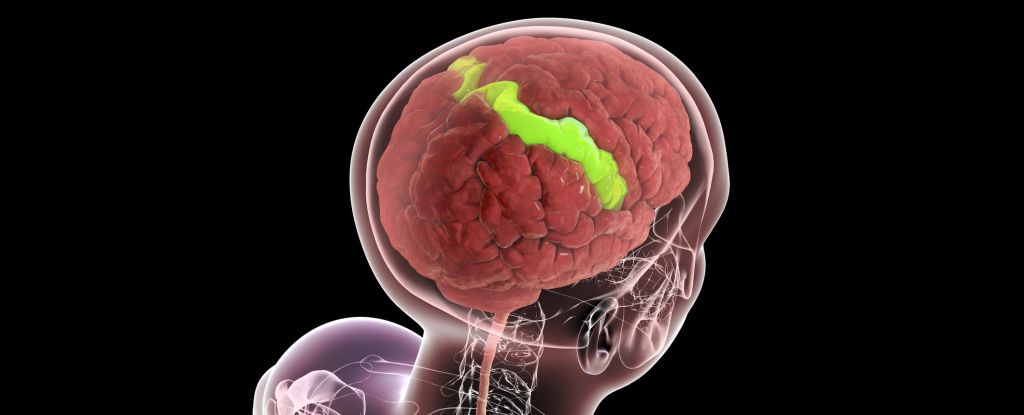
New research indicates that certain layers of the brain's somatosensory cortex actually grow stronger with age, suggesting that neuroplasticity persists into older age and that the brain can adapt and strengthen through use, challenging the idea that brain degeneration is inevitable with aging.

The Truth About Brain Plasticity: Neuroscientists Debunk Rewiring Beliefs

Originally Published 2 years ago — by Livescience.com

Featured image for The Truth About Brain Plasticity: Neuroscientists Debunk Rewiring Beliefs
Source: Livescience.com

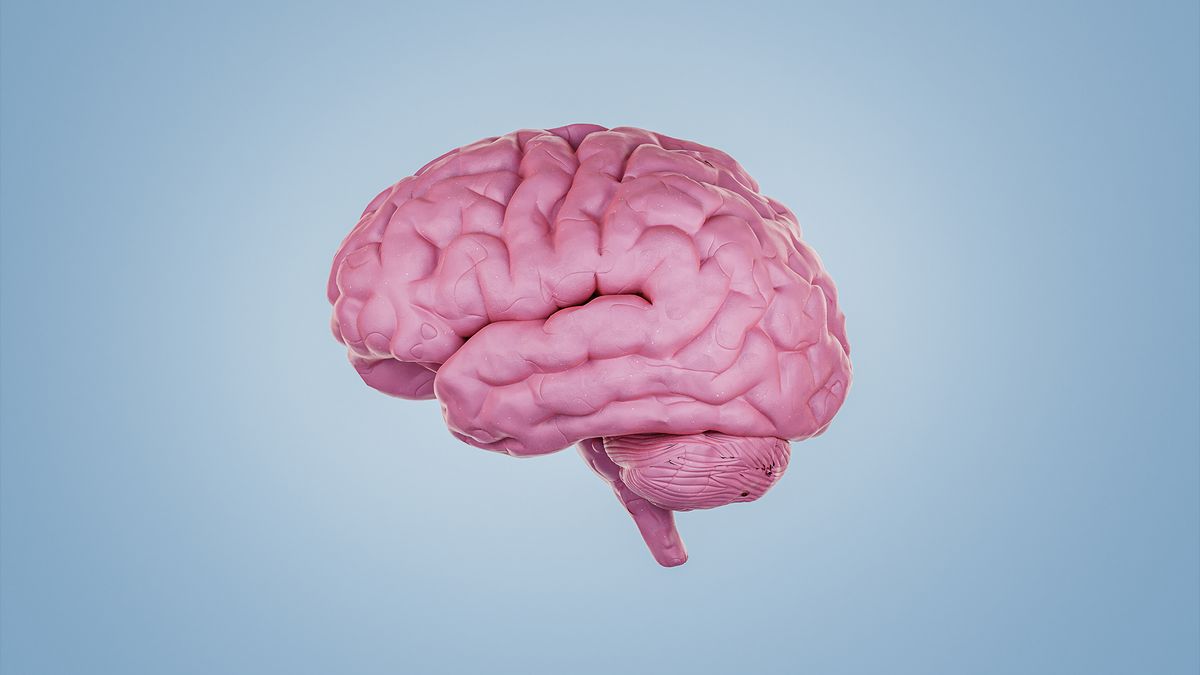
The concept of neuroplasticity, or the brain's ability to adapt and change, has been widely misunderstood. While there are captivating stories of individuals developing new abilities after neurological challenges, a new study suggests that the brain's adaptive abilities are more about utilizing latent capacities that have been present since birth rather than creating entirely new functions. The true nature of neuroplasticity involves the power of training and learning, rather than dramatic reorganization. Understanding these limitations is crucial for setting realistic expectations in rehabilitation and guiding clinical approaches.

Octopuses use RNA editing to adapt to changing ocean temperatures.

Originally Published 2 years ago — by NPR

Featured image for Octopuses use RNA editing to adapt to changing ocean temperatures.
Source: NPR

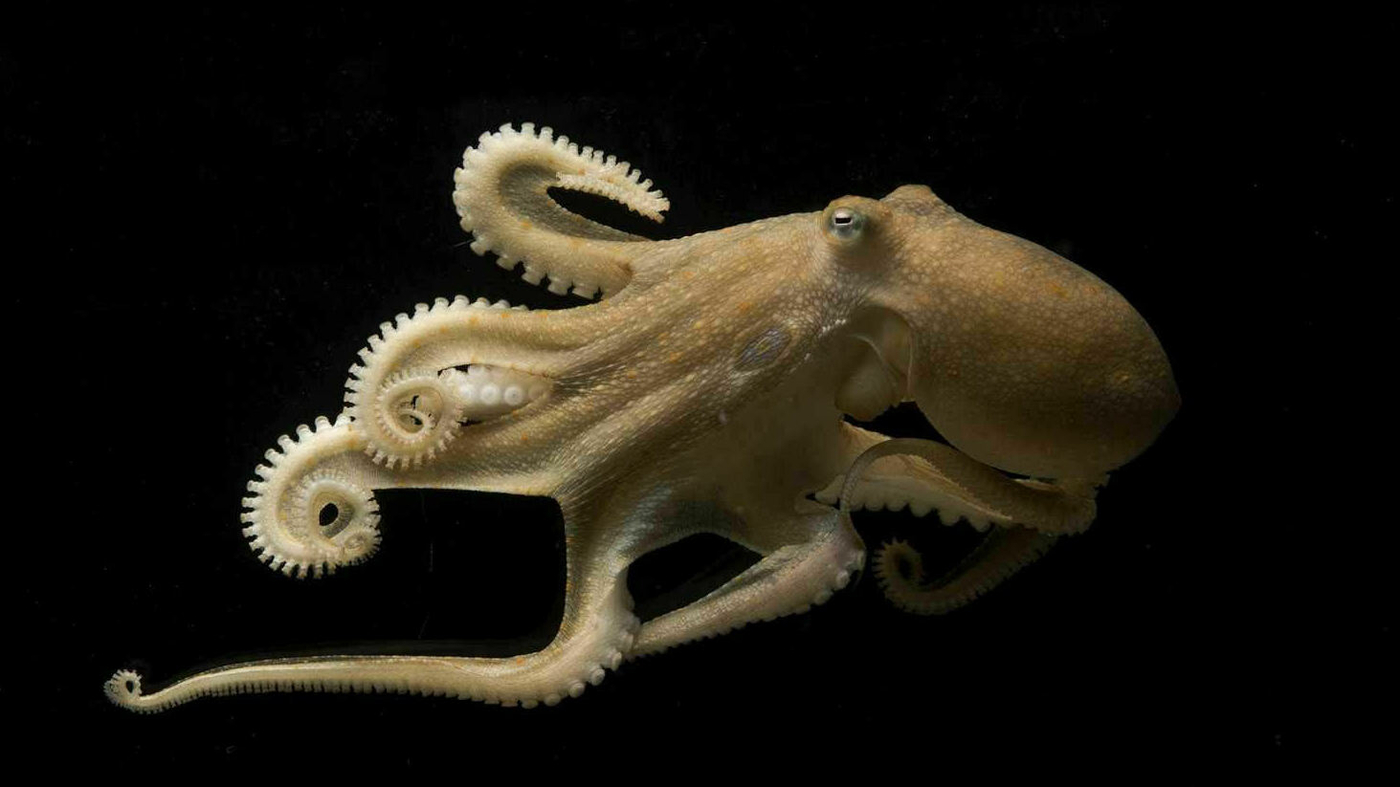
Octopuses can edit the RNA in their brains on a massive scale, allowing them to adapt to changes in their environment. Researchers found that more than 60% of RNAs in the brains of octopuses and their relatives get edited, affecting over 20,000 different locations on various proteins. This adaptation is likely to help octopuses keep their brains functioning properly in both warm and cool waters. The study sheds new light on the adaptability of these creatures and may help scientists design therapeutics for problematic mutations in humans.