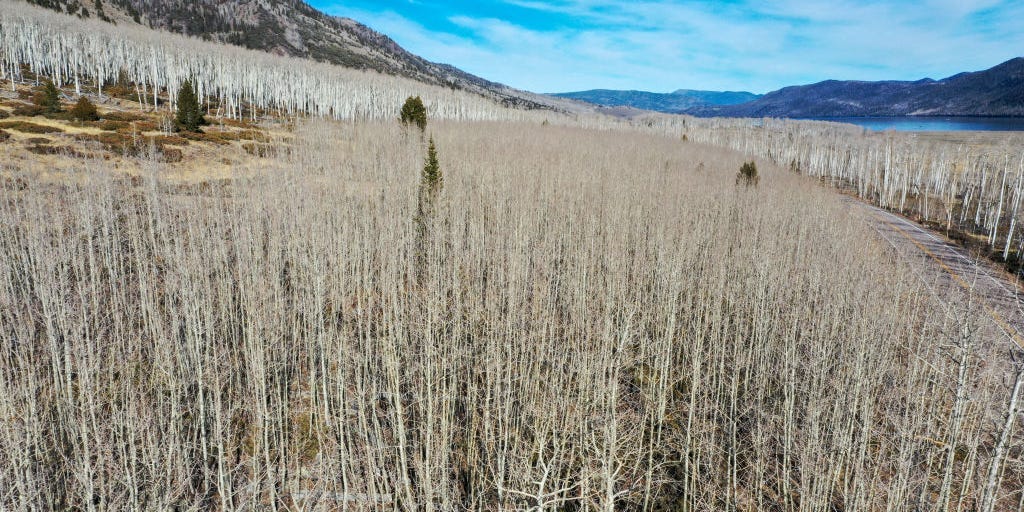
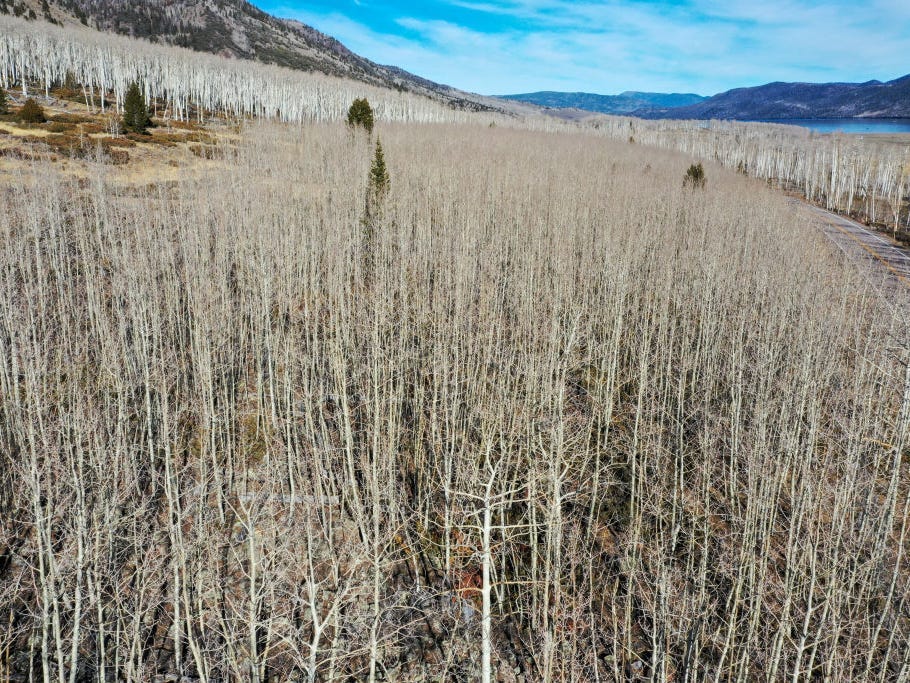
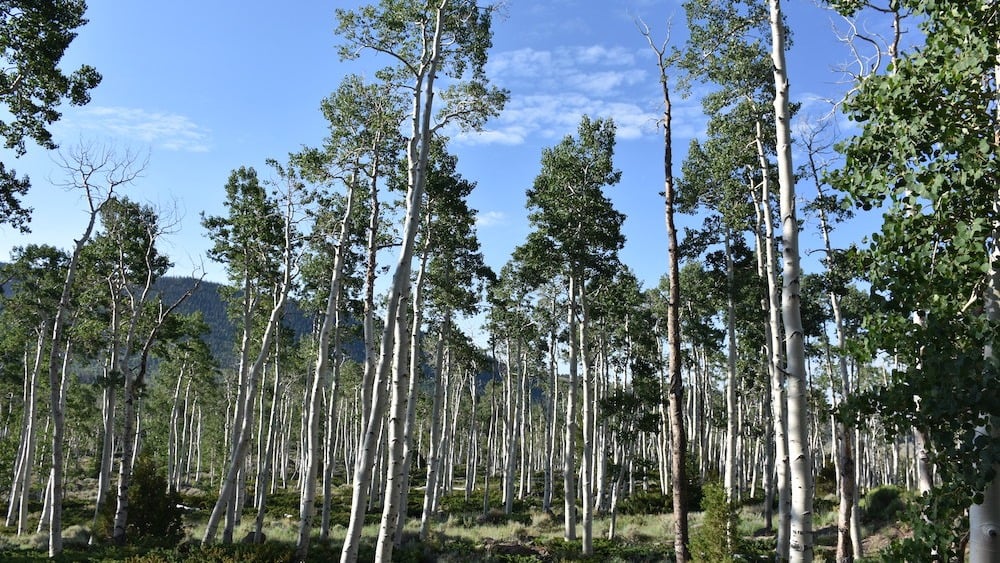
Pando, the world's largest organism located in Utah, is facing extinction due to threats like overgrazing by deer and elk, disease, and the impacts of climate change, which threaten its survival and the ecosystem it supports.
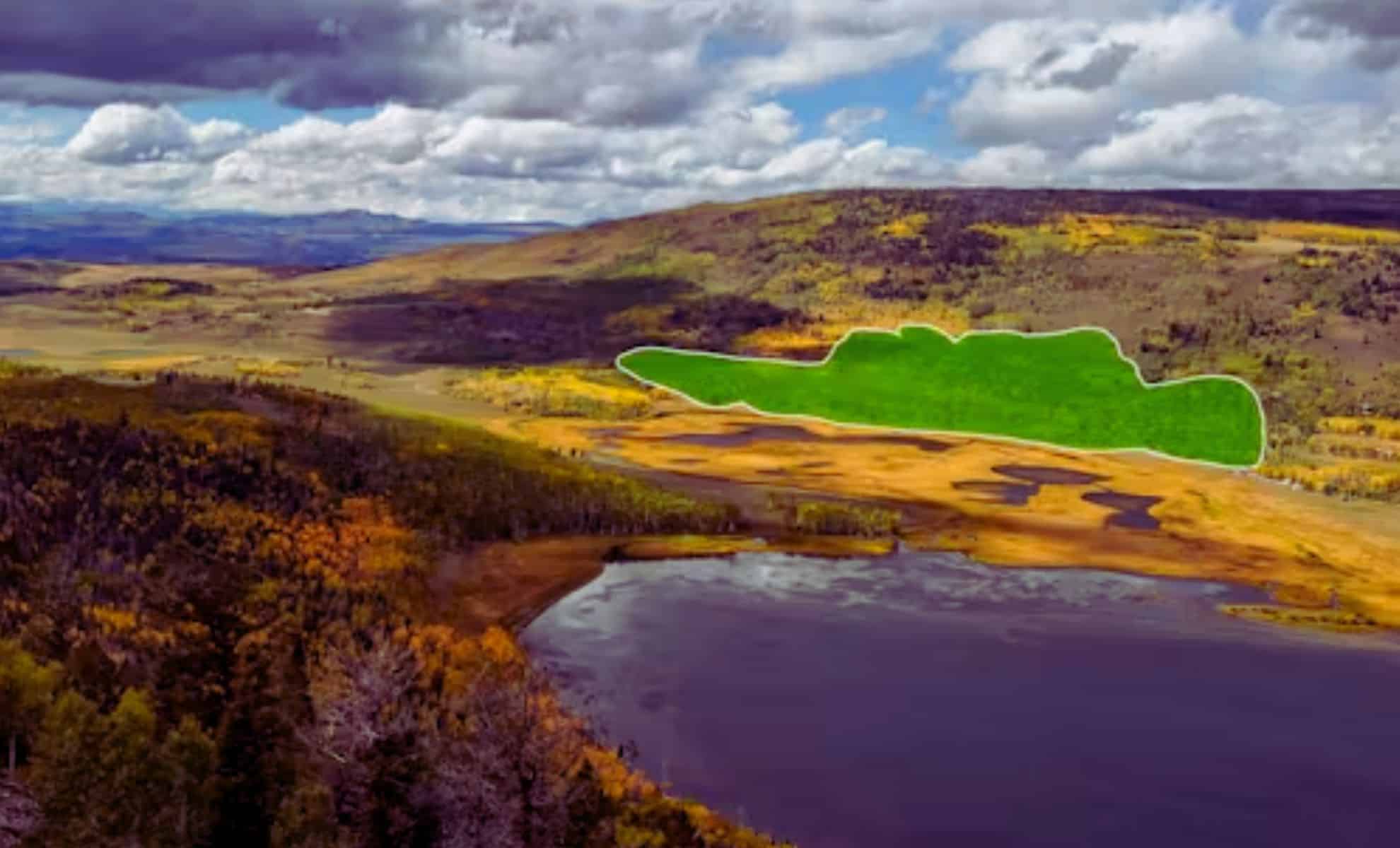
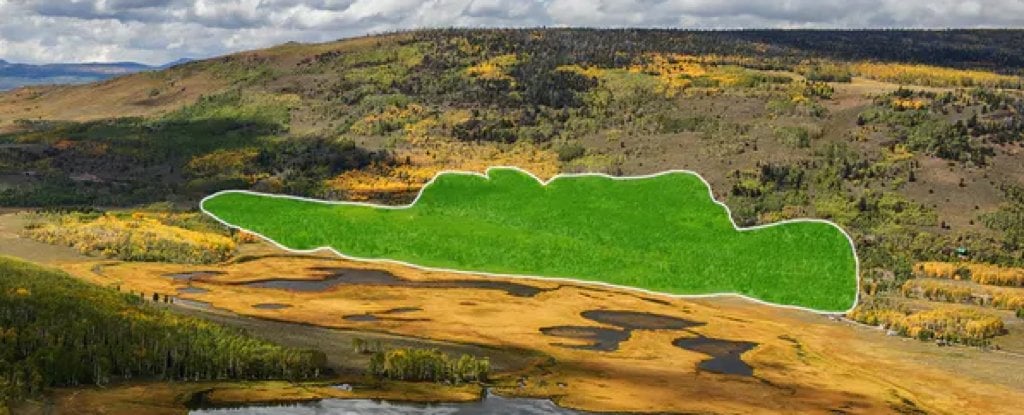
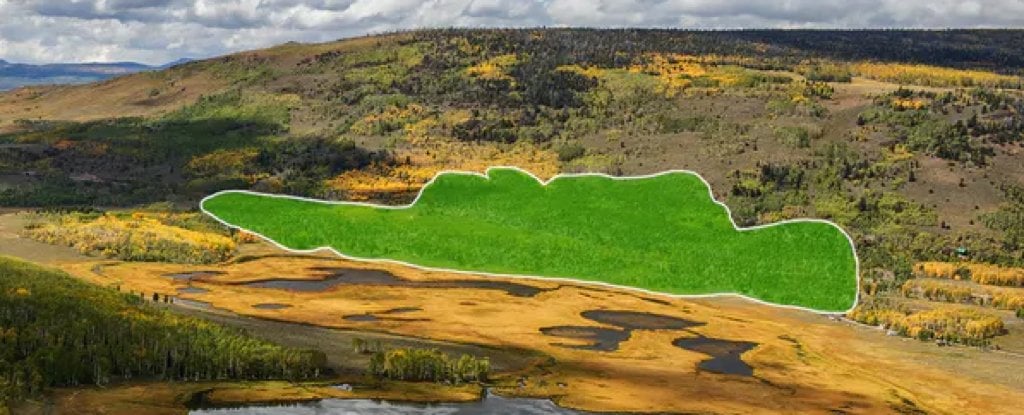
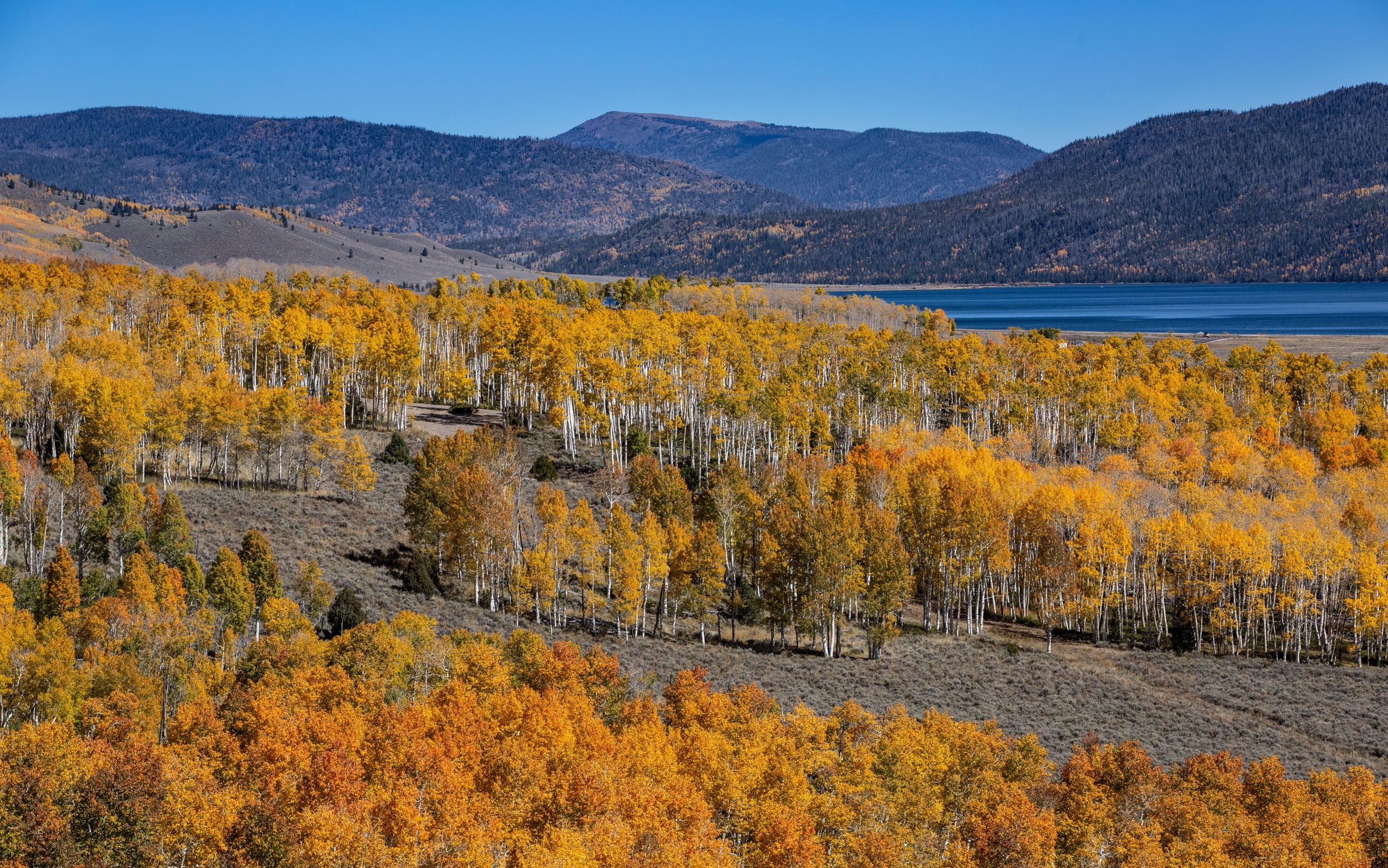
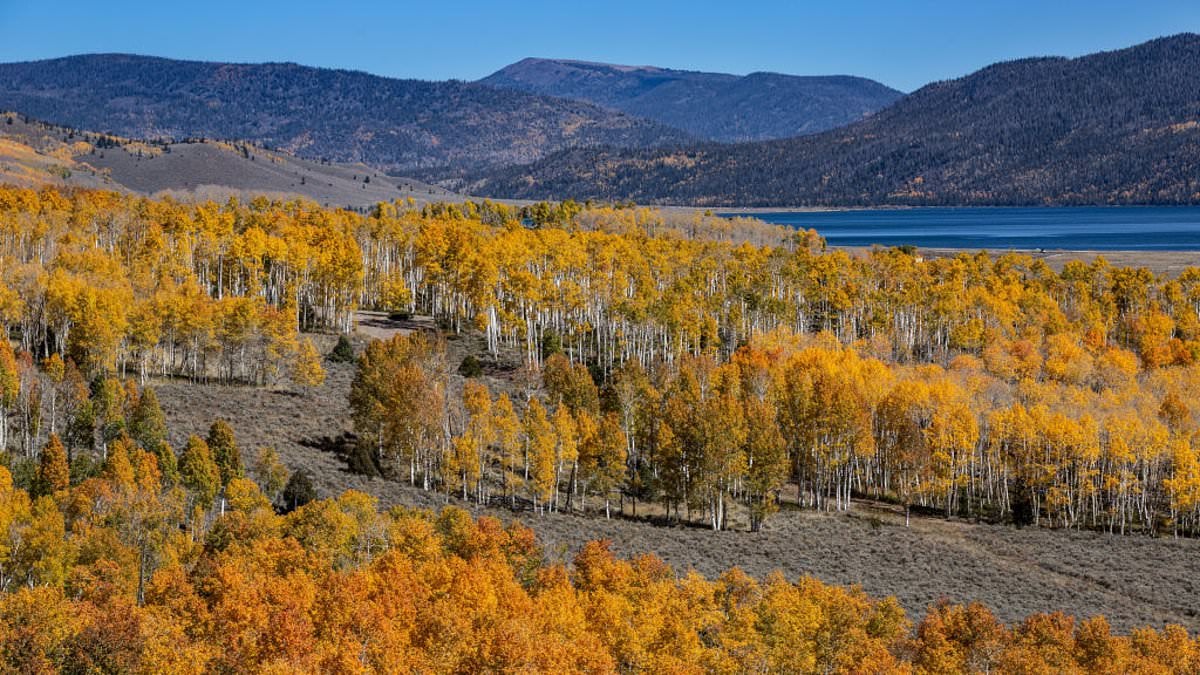
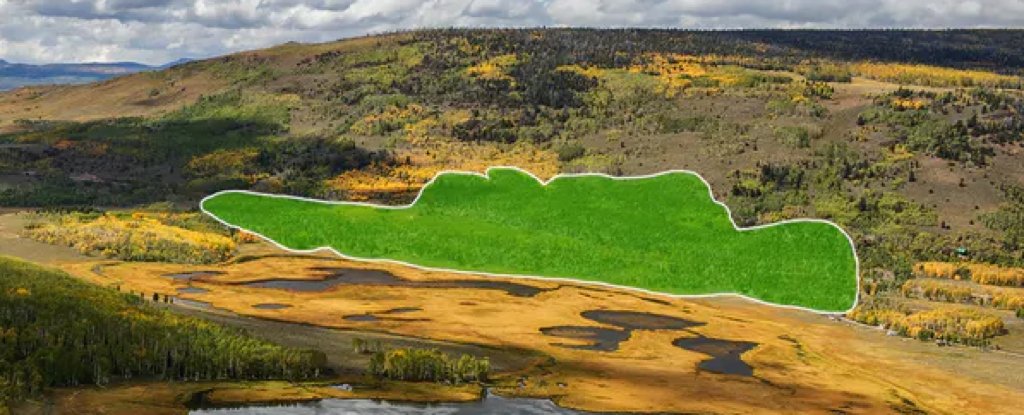
Pando, the world's largest organism located in Utah, is a 106-acre stand of genetically identical aspen clones that has supported a diverse ecosystem for thousands of years. Despite its resilience, it faces threats from overgrazing by deer and elk, diseases, and climate change, which could jeopardize its future. Conservation efforts and scientific research aim to protect this remarkable natural wonder for the coming centuries.
Pando, a massive grove of over 40,000 trees in Utah, is considered the world's largest and possibly oldest living organism, potentially dating back 16,000 to 80,000 years. Originating from a single seed, Pando's age was estimated through genetic sequencing of over 500 samples, revealing a surprisingly uniform genetic makeup despite its vast size. The research, not yet peer-reviewed, highlights Pando's resilience and the challenges it faces from environmental threats. Efforts are underway to protect and rejuvenate this ancient organism.
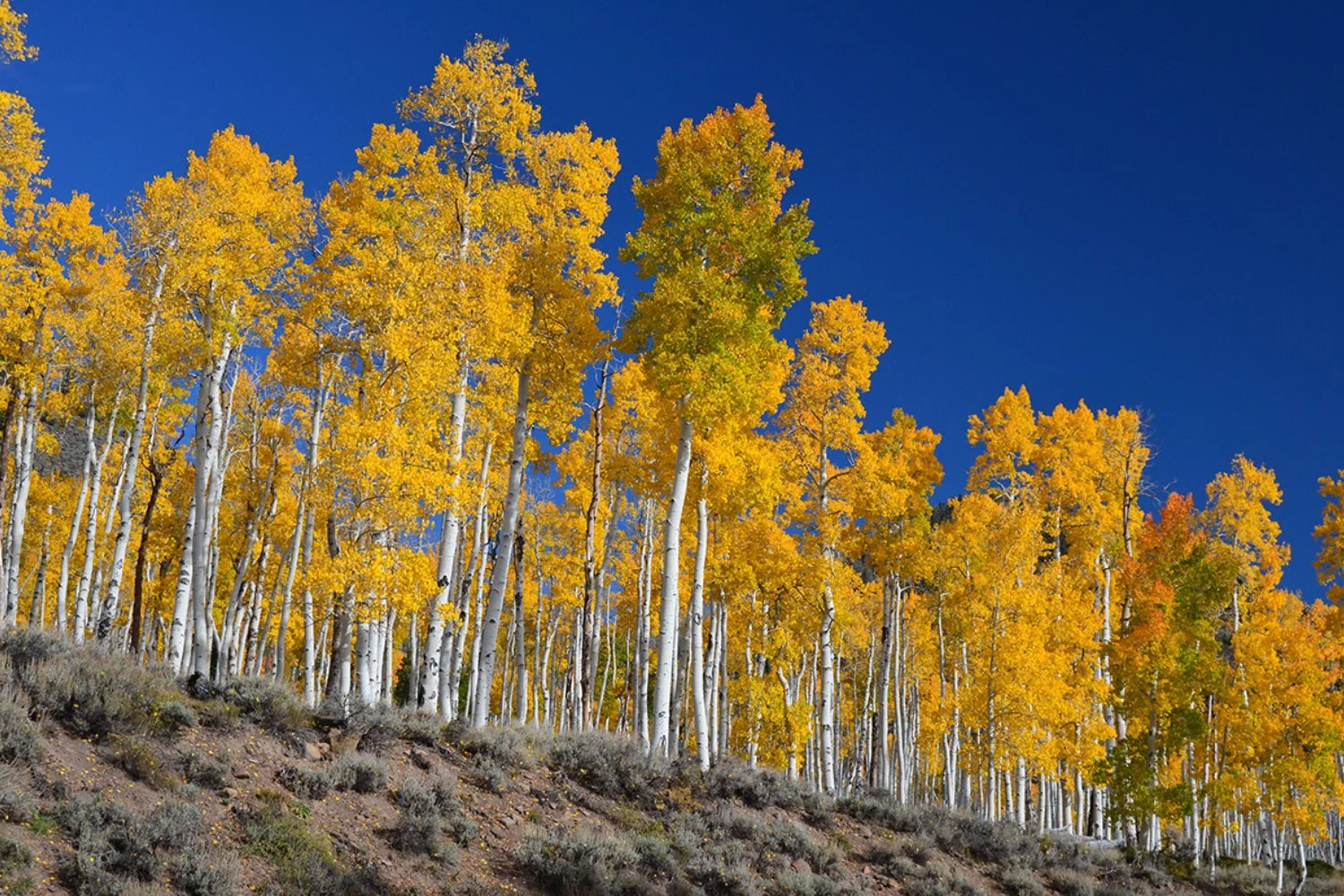
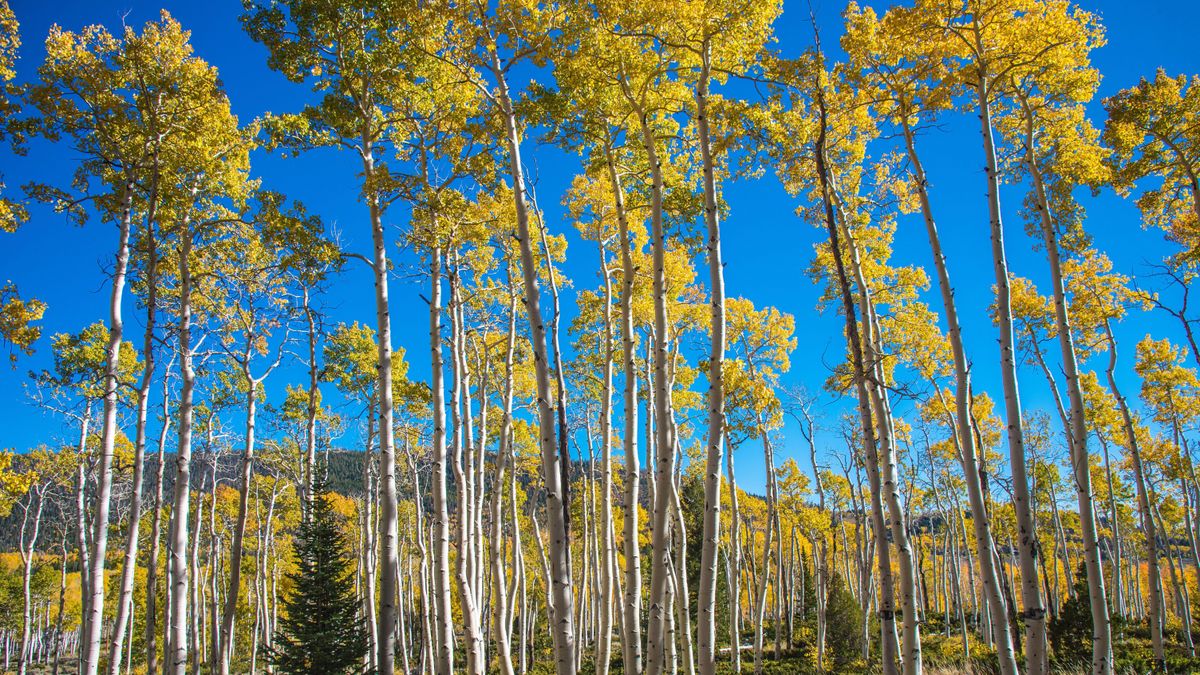
Pando, a massive quaking aspen in Utah, is potentially one of the oldest and largest organisms on Earth, with new research suggesting it could be between 16,000 and 80,000 years old. This clonal organism, consisting of around 47,000 stems connected by a vast root system, has shown remarkable resilience to environmental changes over millennia. The study, which is not yet peer-reviewed, highlights Pando's genetic stability and suggests its age could provide insights into plant resilience and biology. Efforts to protect Pando from grazing have led to signs of its recovery.
Pando, a vast network of quaking aspen in Utah, may be the oldest living organism, with estimates suggesting it could be up to 80,000 years old. This clonal organism, covering 106 acres, consists of genetically identical trees connected by a single root system. Recent genetic analysis of Pando's samples revealed 4,000 genetic variations, providing insights into its age and resilience. The study, yet to be peer-reviewed, highlights the unique longevity of clonal organisms and raises questions about their survival mechanisms.
Pando, located in Utah's Fishlake National Forest, is the world's largest tree and heaviest living organism, consisting of 47,000 genetically identical aspen stems connected by a single root system. Estimated to be up to 80,000 years old, Pando is facing decline due to grazing by deer and cattle, as well as pests and diseases. This unique organism plays a crucial role in its ecosystem, but its future is threatened by the lack of natural predators and environmental stressors.
Scientists have confirmed that Pando, a massive clone forest of quaking aspen trees in Utah, is one of Earth's oldest living organisms, estimated to be between 16,000 and 80,000 years old. This unique forest is a single organism with a vast root system that regenerates new trees, making it effectively immortal. Pando's triploid genetic makeup prevents sexual reproduction, leading to perfect cloning, though genetic mutations over time have created slight variations. The study, revealing unexpected genetic mixing across the forest, offers insights into Pando's longevity and resilience.
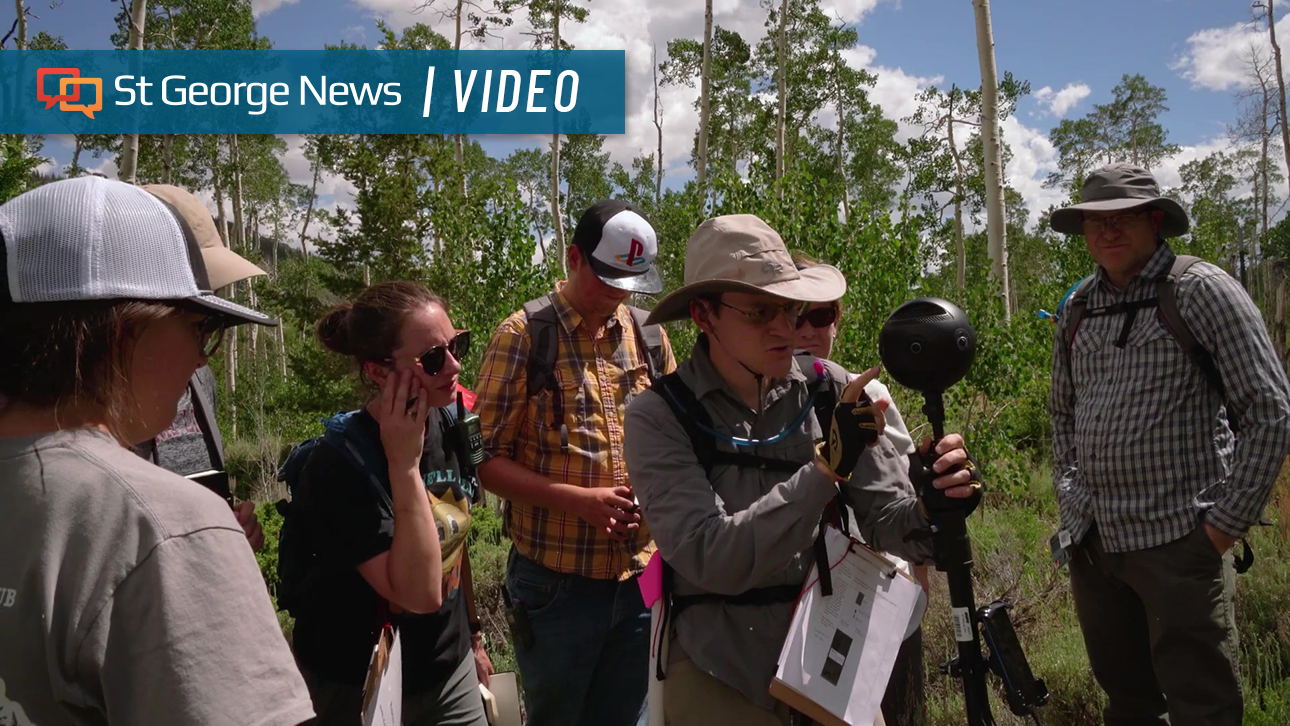
Friends of Pando has created the "largest picture of a tree ever" in south-central Utah through the Pando Photographic Survey, capturing the world's largest known aspen clone using 360-degree cameras. The documentary chronicles the project's journey, showcasing the challenges faced and the personal significance of the endeavor. While the data collection is ongoing, nearly 60% of the data has been released, with plans to release additional content and software to repair unworkable data. The documentary will be available on YouTube, offering viewers an insight into the dedication and commitment required for this groundbreaking conservation effort.
Sound artist Jeff Rice has recorded the inner workings of Pando, the world's largest tree, using an array of microphones including stethoscopes and hydrophones. The recordings not only provide an artistic representation of the tree's root system but also offer scientific possibilities for understanding and conserving the tree. By mapping the root system through sound, scientists hope to track changes in the ecosystem and identify diseases or stress. This knowledge can help protect and restore Pando, which has survived various challenges throughout its 9,000-year existence.
Scientists have captured the eerie sounds of Pando, the world's largest and oldest living organism located in Utah's Fishlake National Forest. The sounds, recorded during a thunderstorm, are the vibrations of millions of leaves rustling in the wind. Pando, made up of 47,000 clones growing from a single root system, is believed to be the largest and most dense organism ever found. However, it is slowly dying due to human interference, including deforestation and grazing deer, and may not survive another 50 years.
Recordings of the sounds of Pando, the largest living organism on Earth consisting of 47,000 interconnected aspen stems, have been released to promote awareness of this remarkable tree and the threats it faces. Acoustic technician Jeff Rice and Lance Oditt of Friends of Pando presented Pando's "acoustic portrait" at a conference, capturing the sounds of its leaves rustling and a deep roar believed to come from its roots. The recordings serve as a record of local biodiversity and may provide insights into the health and environmental changes of the area. The aim is to protect Pando from exaggerated or understated threats and to understand its vast hidden hydraulic system.
Recordings of Pando, the world's largest living organism, have captured the haunting sounds of a million leaves vibrating through its roots. Pando, a forest made up of a single male quaking aspen tree with 47,000 stems, has been growing for possibly 12,000 years. Sound artist Jeff Rice placed a hydrophone inside the tree's roots and captured the vibrations, revealing the potential for using sound to study Pando's hydraulic system. The recordings also highlight the interconnectedness of Pando's root system. However, concerns remain about the deterioration of this ancient tree due to human activities, emphasizing the need to appreciate and understand its secrets while it still exists.
Sound designer Jeff Rice recorded the sounds of Pando, the largest organism on Earth, using a hydrophone placed at the root of a branch during a thunderstorm. The resulting recordings are a deep, soothing rumble that may help relieve stress. Pando consists of about 40,000 genetically identical trees connected by the same root system, making it one giant, singular organism that spans about 103 acres. Listening to nature sounds has been found to have mood-boosting, pain-relieving, and stress-reducing effects.
Sound designer Jeff Rice recorded the sounds of Pando, the largest organism on Earth consisting of about 40,000 genetically identical trees connected by the same root system. Rice used a hydrophone to capture the deep, soothing rumbling sound of the tree's vast root system during a thunderstorm. Listening to nature sounds has been found to have mood-boosting, pain-relieving, and stress-reducing effects, and Rice's recordings of Pando could have immense potential for exploring the inner workings of the tree's hidden hydraulic system, root depth, insect colonies, and much more.
Researchers have recorded the sounds of Pando, the world's largest tree, using a hydrophone to capture the rustling of its leaves, birds chirping in the canopy, and critters scampering around. Pando is a single clone comprising approximately 40,000 genetically identical stems interconnected by a complex root system. The underground recordings offer new opportunities to better understand the "trembling giant" in a way that's completely noninvasive, including mapping out Pando's root system, monitoring water flow, and performing wildlife management that may help deter deer from eating the tree, which could hinder its regeneration.